
Watercolor Tattoo: Color Wash, Edges & Long-Term Care – A Complete Guide
Introduction
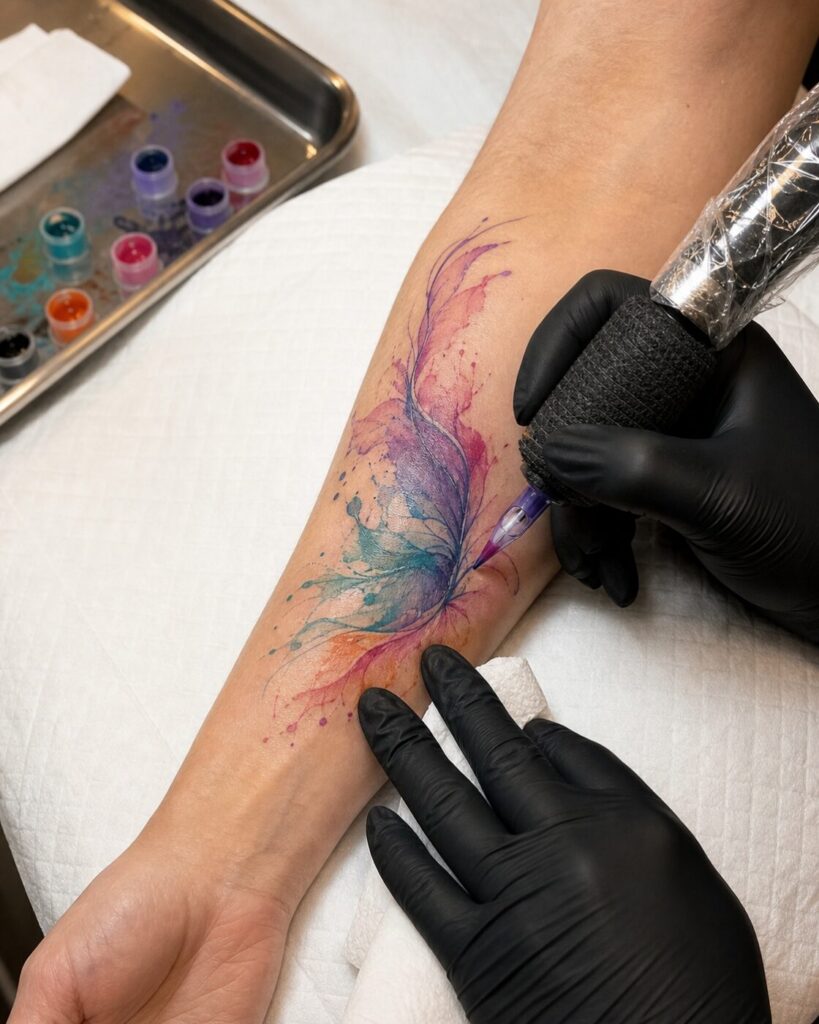
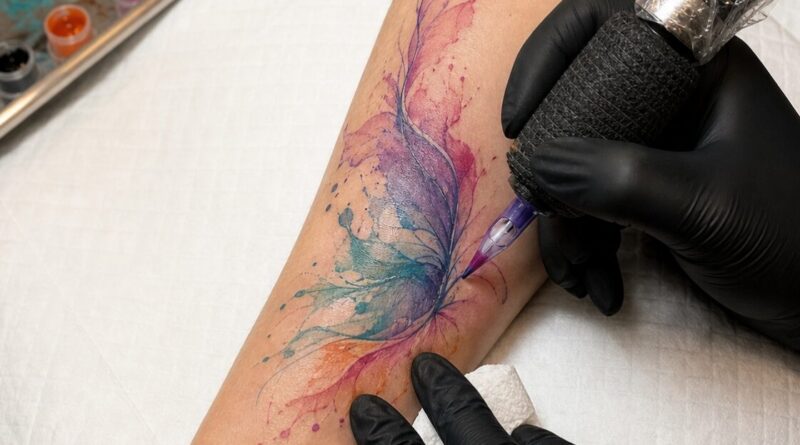
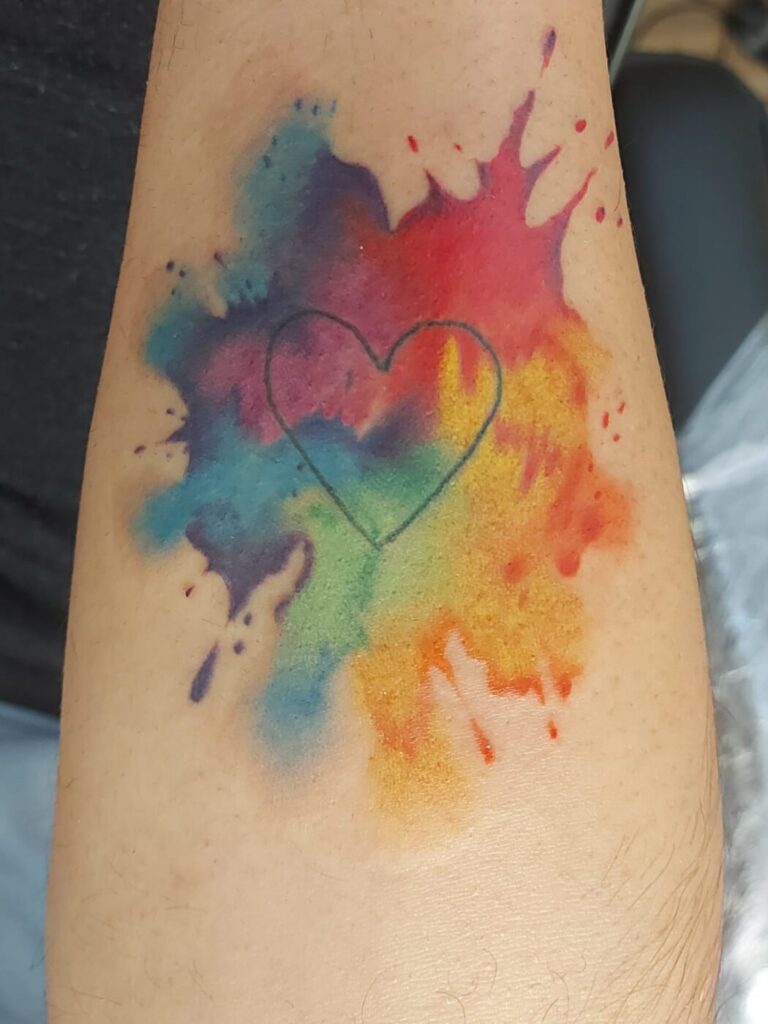
Watercolor tattoos mimic the fluid, translucent effects of watercolor painting on skin. Unlike traditional tattoos with bold black outlines, watercolor tattoos rely on soft color washes, gradient blends, and irregular edges. This guide covers pigment behavior, edge control, and long-term care so you can make an informed decision and maintain your tattoo’s beauty for years.
How Watercolor Tattoo Pigments Behave on Skin
Watercolor tattoos use highly diluted, transparent inks. The pigment particles are smaller and more spread out than in traditional tattoos. Over time, these particles can migrate under the skin, causing the design to blur or fade. The lack of a solid outline means the shape relies entirely on color contrast. UV exposure accelerates fading, especially for lighter hues like pink, yellow, and pastel blue. Key point: Choose a skilled artist who understands pigment layering and skin depth. Ask to see healed work—fresh photos can be misleading.
Edge Control: The Art of Soft Boundaries
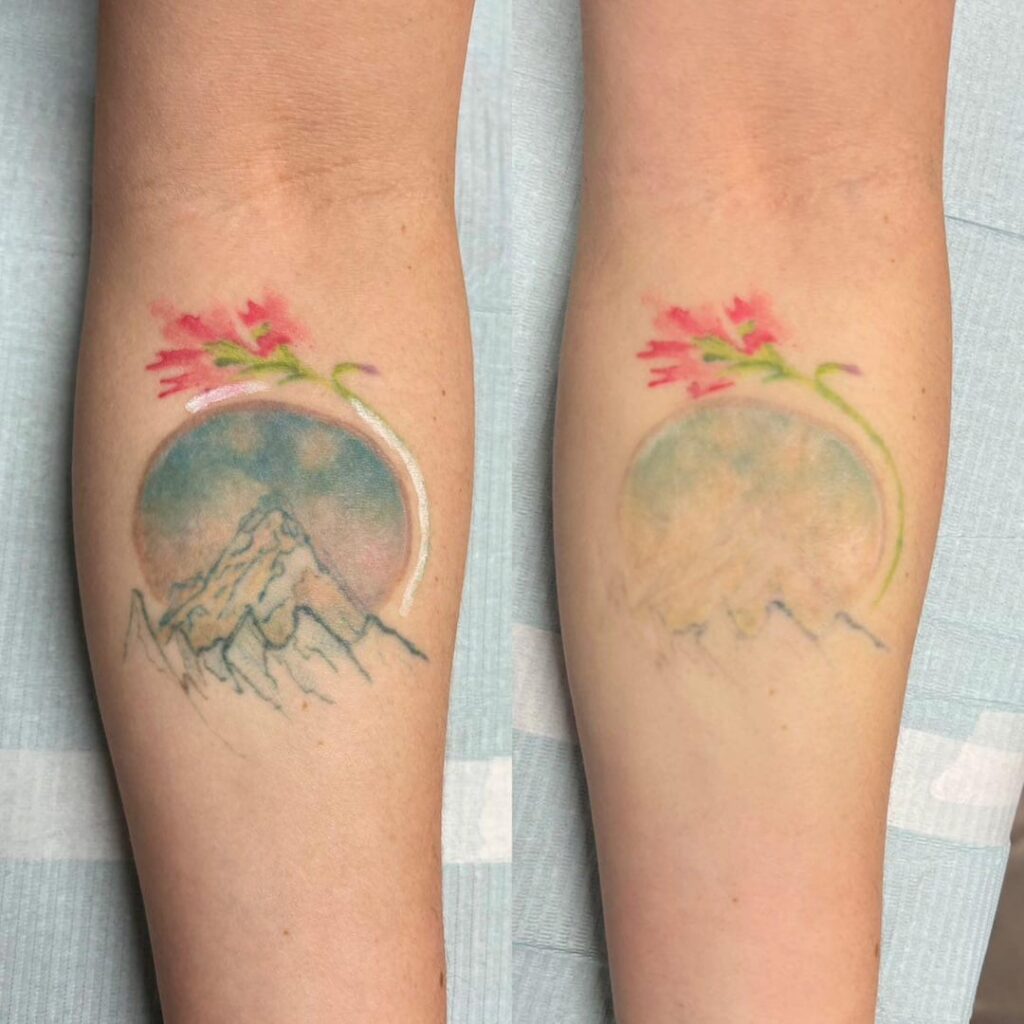
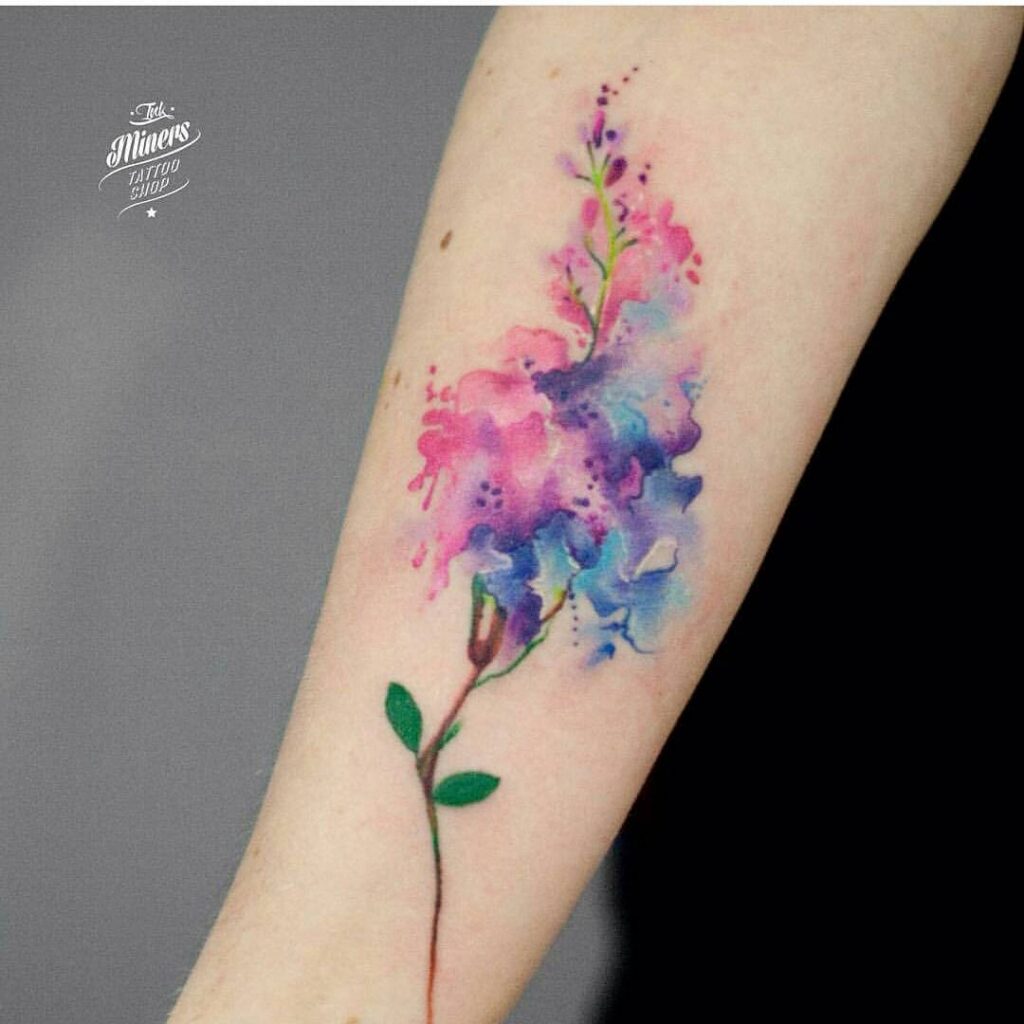
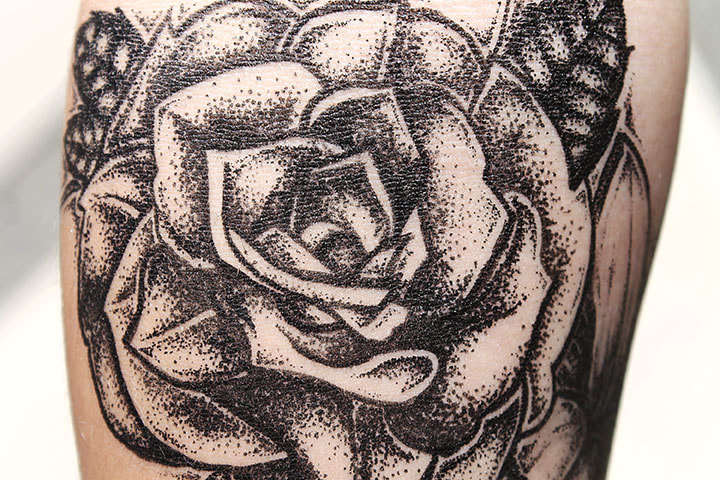
In watercolor tattoos, edges are deliberately soft, blending into the skin. This is achieved by using a stippling or whip shading technique, where tiny dots of ink create a gradient. The challenge is preventing the edges from looking muddy or spreading too far. Techniques:
- Stippling: Fine dots build up color density gradually.
- Whip shading: Quick, light strokes create a feathered edge.
- Color blending: Two or more colors are mixed on the skin using a wet-on-wet technique.
Caveat: On oily or thick skin, edges may not hold as cleanly. On thin skin (inner arm, ankle), the wash can spread more than intended. Always discuss your skin type with the artist.
Long-Term Care for Watercolor Tattoos
Healing Phase (Weeks 1-4)
- Keep the tattoo clean and moisturized with unscented lotion.
- Avoid soaking in water (baths, pools, hot tubs).
- Do not pick at scabs—color loss will occur.
- Protect from direct sunlight; wear clothing or use a physical sunscreen after healing.
Ongoing Maintenance
- Apply SPF 50+ sunscreen every time you expose the tattoo to the sun.
- Moisturize daily to keep skin supple and colors vibrant.
- Avoid harsh exfoliants or chemical peels on the tattooed area.
- Touch-ups may be needed every 5-10 years as colors fade.
Comparison: Watercolor tattoos fade faster than Blackwork or Neo-traditional styles. Expect to revisit your artist for refreshment.
FAQ
1. Do watercolor tattoos hurt more than traditional tattoos?
Pain levels are similar. The sensation depends on placement and your pain threshold, not the style.
2. Can watercolor tattoos be covered up later?
Yes, but the soft edges make cover-ups challenging. A darker, bolder design like Geometric tattoo or Blackwork is often needed.
3. How long do watercolor tattoos last?
With proper care, 5-10 years before significant fading. Regular touch-ups can extend the life.
4. Can I get a watercolor tattoo if I have sensitive skin?
Yes, but discuss with your artist. Patch testing may help. Avoid if you have allergies to certain pigments.
Conclusion
Watercolor tattoos are a beautiful, artistic choice. Understanding pigment behavior, edge control, and dedicated aftercare is essential for long-lasting results. Choose an experienced artist, follow care instructions strictly, and protect your tattoo from the sun. For more inspiration, explore our magazine or consultation services.
Content hub
Tattoo styles pillar
This article belongs to the styles cluster. Open the pillar page to compare Irezumi, Old School, Realistic, Blackwork, Fine line, Geometric and Watercolor.
Related reading
Continue reading
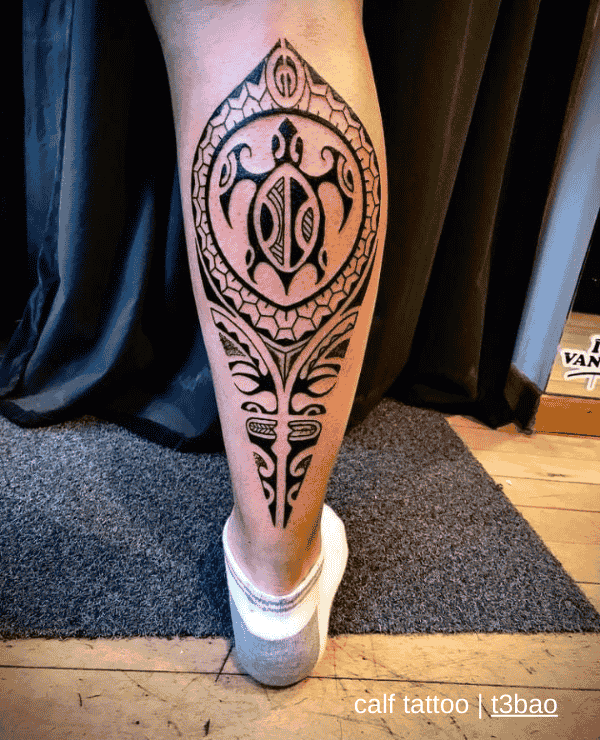
Polynesian Tattoo: Placement and Body-Flow Decisions
A specialist guide to Polynesian tattoo placement and body-flow decisions: body mapping, motif density, symbol research, respectful consultation…

Polynesian Tattoo Design Consultation Checklist: Body Mapping, Symbol Research & Respectful Planning
A specialist Polynesian tattoo consultation checklist covering body mapping, symbol research, cultural permission, technique, booking questions, and respectful…

Chicano Tattoo Healed Portfolio Review: Lettering, Portrait Transitions & Black-and-Grey Flow
A specialist guide to reviewing a healed Chicano tattoo portfolio, focused on lettering legibility, portrait transitions, and black-and-grey…