The Complete Guide to Fine Line Botanical Tattoos: Stems, Leaves, Spacing, and Aging
Fine Line Botanical Tattoos: A Delicate Art That Lasts
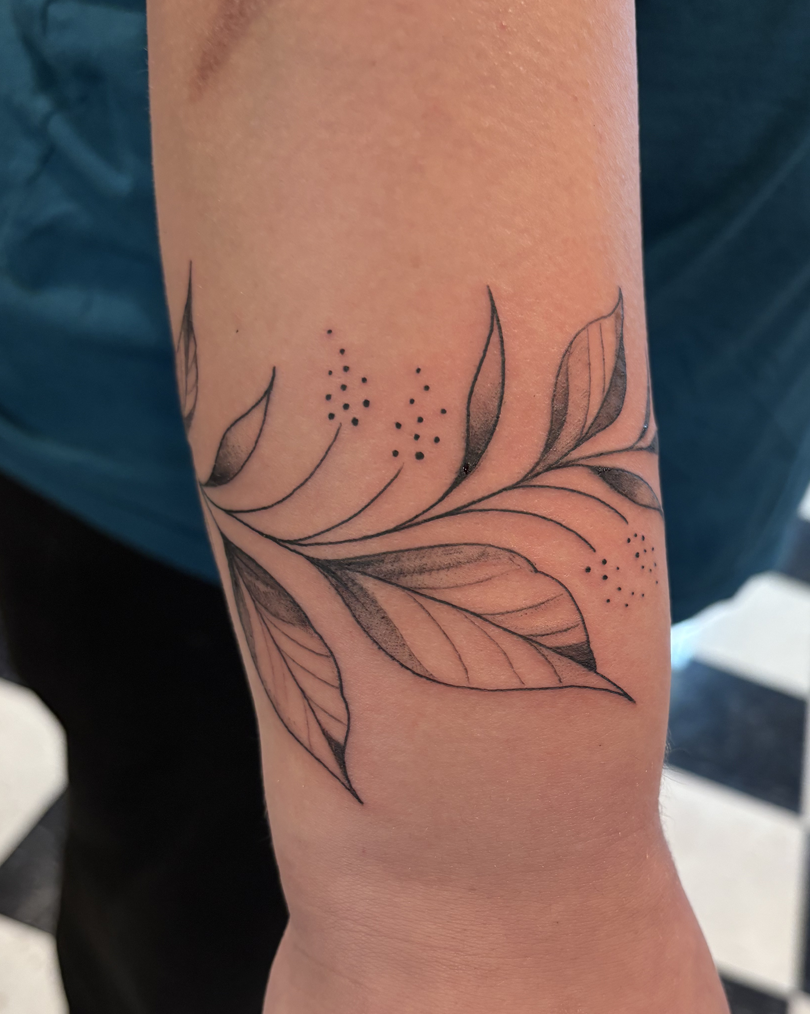
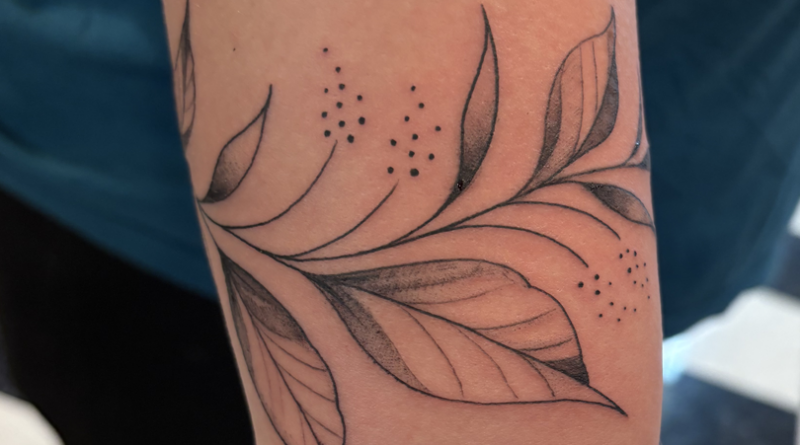
Fine line botanical tattoos have surged in popularity for their delicate, natural aesthetic. Unlike bold traditional styles, fine line work uses thin needles (typically 3RL or 5RL) to create intricate details like slender stems, veined leaves, and subtle shading. However, this style demands precise technique and design foresight, especially for botanical subjects. This guide covers stem anatomy, leaf spacing, aging risks, and actionable tips to help you choose a design that remains beautiful for years.
What You Need to Know About Fine Line Botanical Tattoos
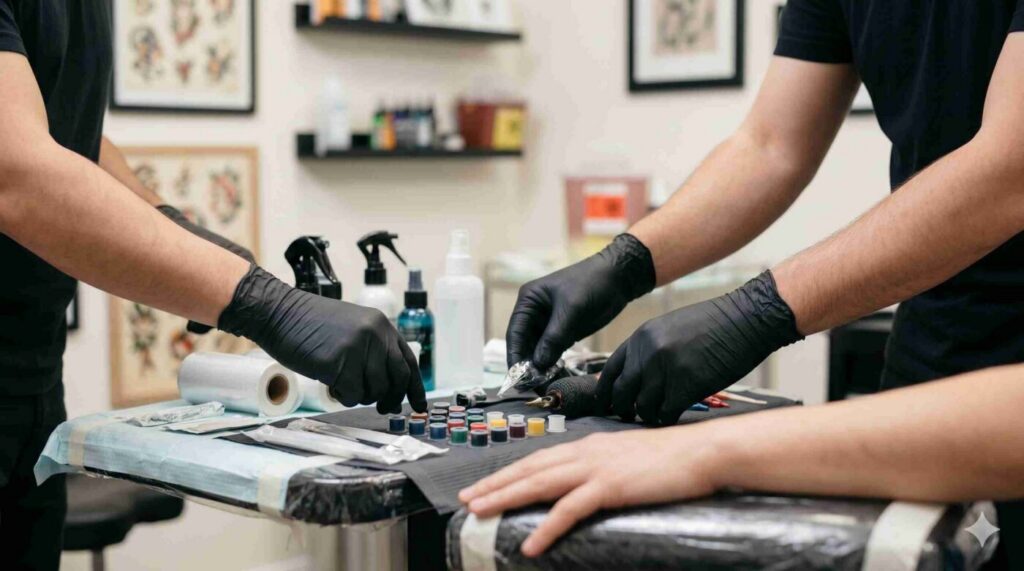
Fine line tattooing uses single needles or small groupings to produce hair‑thin lines. When applied to botanical motifs such as ferns, lavender, or ivy, the result mimics delicate ink drawings. The challenge is maintaining clarity over time: fine lines can spread (blur) as the tattoo ages, turning thin stems into thicker marks. Understanding this helps you and your artist plan for longevity.
Anatomy of a Fine Line Botanical: Mastering Stems and Leaves
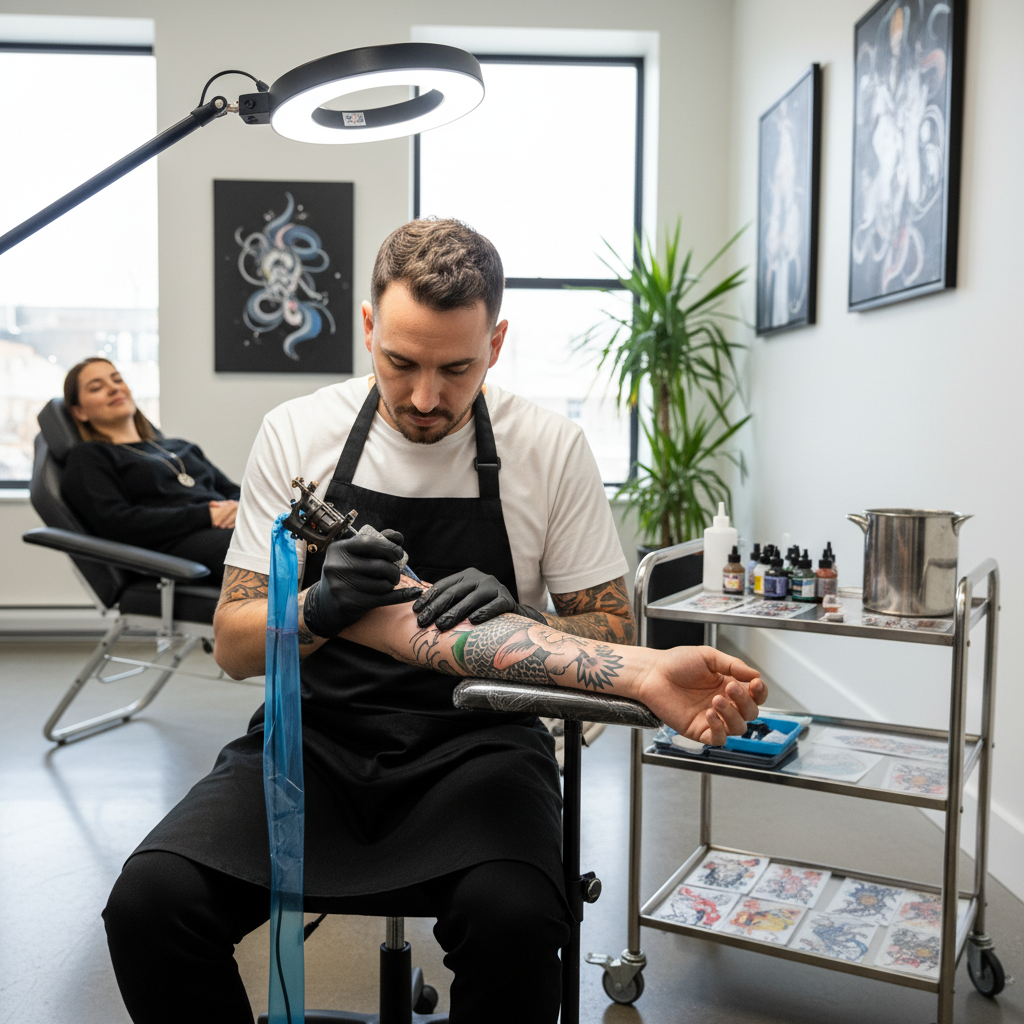
Stems: The Backbone of the Design
Stems should have consistent thickness but with slight variation to look natural. A common mistake is making stems too thin or too uniform. Using a single needle (1RL) for ultra‑fine stems risks fading or breakage; a 3RL offers a balance between delicacy and durability. For a realistic look, vary the stem’s width as it curves—thicker at the base and tapering toward the tip. Ask your artist to show you healed photos of their stem work.
Leaves: Veins and Negative Space
Leaf veins must be spaced to prevent ink spread. Leave at least 1–2 mm between parallel veins. Use stippling or dotwork for shading instead of solid black—it ages better. For example, for a monstera leaf, outline the shape with a 5RL, then add inner cuts with thin lines. Avoid filling the entire leaf; negative space allows ink to settle. A good rule: if you can’t fit a pinhead between two lines, they’re too close.
The Importance of Spacing and Composition
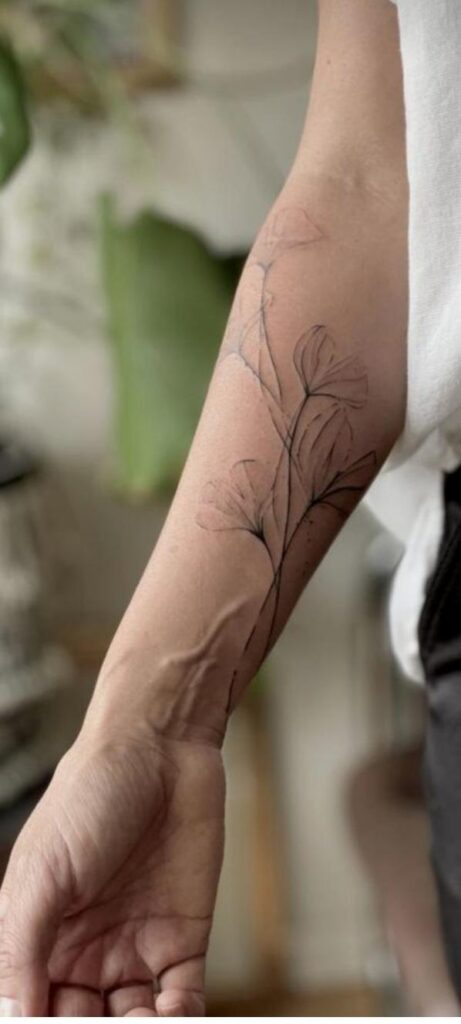
In fine line botanical tattoos, spacing is everything. Overlapping elements or placing stems too close leads to a muddy design as lines spread. Rule of thumb: leave at least the width of a fingernail (about 1 cm) between distinct plant parts. For a bouquet, arrange flowers with clear separation. Spacing also affects how the tattoo ages on different body parts—areas with thin skin (inner wrist, ankle) require more room. On thicker skin (forearm, calf), you can place elements slightly closer.
How Fine Line Botanical Tattoos Age: Risks and Realities
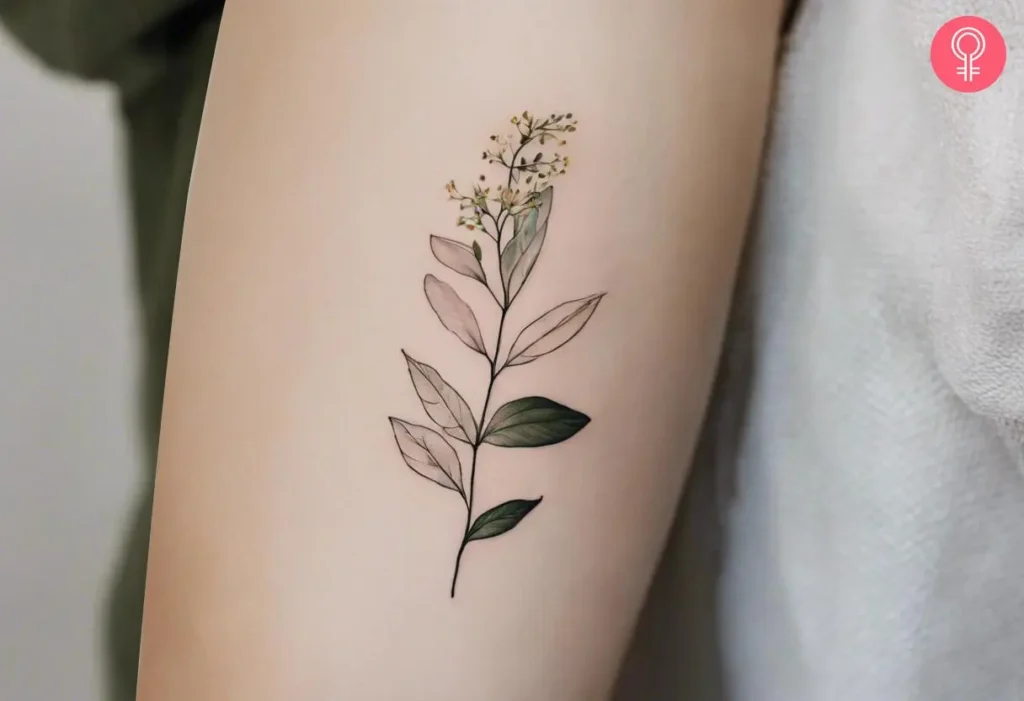
All tattoos age, but fine line botanical works are more susceptible to:
- Blowouts: Ink seeping into surrounding tissue, causing blurry edges. More common with thin needles if the artist presses too hard or works too fast.
- Fading: Fine lines fade faster than bold ones, especially in sun‑exposed areas. UV rays break down ink particles faster.
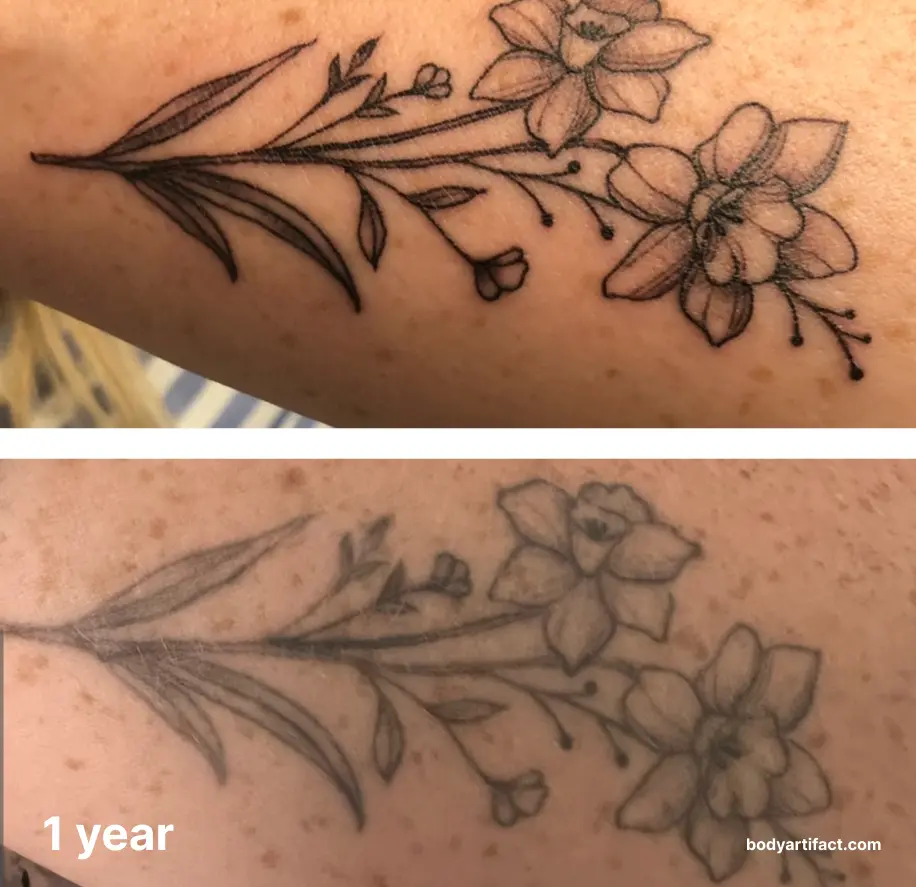
- Spread: Over years, lines thicken by 0.5–1 mm. A leaf vein that was crisp may look smudged.
- Loss of detail: Tiny flowers, like forget‑me‑nots, can become indiscernible blobs within a few years.
To mitigate: choose designs at least 3 inches tall, avoid high‑friction areas (palms, soles, inner thighs), and use sunscreen religiously (SPF 50+, reapplied every 2 hours). Also, ask your artist for a patch test on a small area if you have sensitive skin.
Design Considerations for Longevity
Size Matters
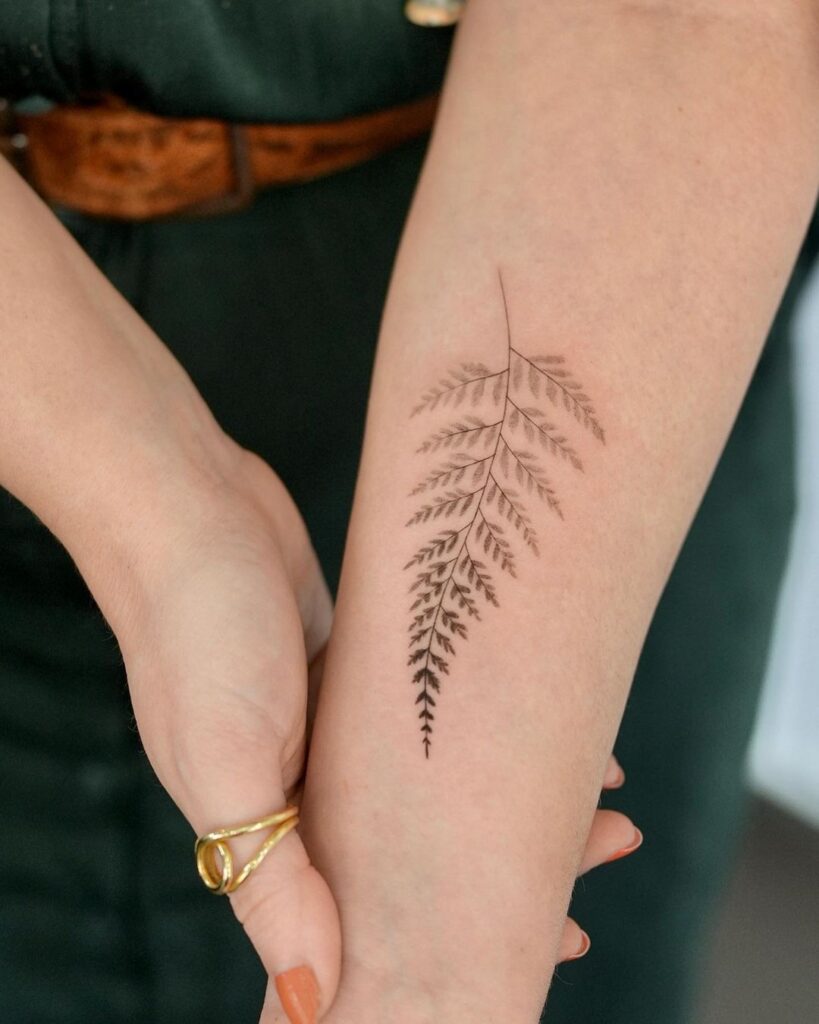
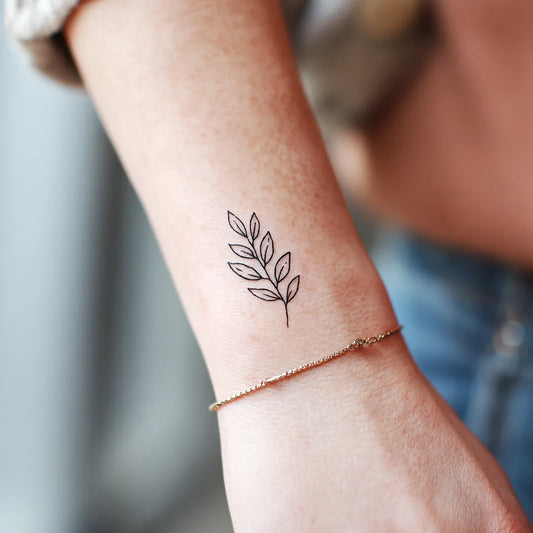
A fine line botanical tattoo should be at least hand‑sized (around 3×3 inches). Anything smaller risks losing detail quickly. Example: a lavender sprig with tiny buds should be at least 4 inches long to keep the buds distinct. If you want a dainty design, consider enlarging it slightly to preserve clarity.
Line Weight Variation
Use different needle sizes for different elements. Thicker outlines (5RL or 7RL) for the main stem, thinner (3RL) for secondary vines, and stippling for leaves. This creates depth and improves aging. Your artist can demonstrate how varied line weights hold up over time in healed photos.
Placement
Forearm, calf, and back are ideal because skin is thicker and less prone to stretching. Avoid ribs, stomach, or inner biceps if you want maximum longevity. Also consider daily friction—areas that rub against clothing or jewelry may fade faster.
Aftercare and Maintenance for Fine Line Work
Fine line tattoos are more sensitive to sun and trauma. Follow these steps:
- Keep the tattoo moisturized but not wet. Over‑moisturizing can cause ink to push out. Use a thin layer of unscented lotion 2‑3 times a day.
- No direct sunlight for at least 4 weeks. After healing, always apply SPF 50+ sunscreen before sun exposure.
- Avoid soaking in pools, hot tubs, or baths for the first 2 weeks.
- Touch‑ups after 1‑2 years are normal. Plan for future maintenance to refresh fading lines.
Frequently Asked Questions
How long does a fine line botanical tattoo last?
With proper care, 5‑10 years before needing a touch‑up. Fine lines soften but remain visible if properly applied. Factors like sun exposure and skin type affect longevity.
Can I get a fine line tattoo if I have dark skin?
Yes, but contrast is lower. A skilled artist will adjust line thickness and may use grey wash for better visibility. Look for artists with healed work on similar skin tones.
Is fine line tattooing more painful?
Not necessarily; pain depends on location and your threshold. Thin needles feel like scratching, but multiple passes may be needed for solid lines.
What are the best needle configurations for botanical fine line?
Commonly 3RL for stems, 5RL for outlines, and 7RM (magnum) for shading. Your artist will choose based on design complexity. Always ask for the needle configurations they plan to use.
How do I choose a fine line botanical artist?
Look for healed photos, not just fresh shots. Check for consistent line quality, smooth shading, and designs that have aged well. Read client reviews and visit the studio to discuss your design.
Conclusion
Fine line botanical tattoos are beautiful but require careful planning. By understanding stem anatomy, spacing, and aging risks, you can choose a design that remains crisp for years. Consult with an artist who specializes in fine line work—check their portfolio for healed photos. For more inspiration, browse our magazine or explore top‑ranked studios. If you need personalized advice, use our consultation service.
Keep exploring Vietnam Tattoo
- Browse Ranking for notable studios by city, style, and intent.
- Search studios by city, verification level, and contact channel.
- View verified profiles to check approved and verified entries.
- Request a consultation if you need help choosing style, placement, or a suitable studio.
Content hub
Tattoo styles pillar
This article belongs to the styles cluster. Open the pillar page to compare Irezumi, Old School, Realistic, Blackwork, Fine line, Geometric and Watercolor.
Related reading
Continue reading
Lettering Tattoo Healed Portfolio Review: Kerning, Baseline & Placement Distortion
A specialist healed-portfolio review guide for Lettering tattoos, focused on kerning, baseline control and placement distortion. Includes concrete…
Lettering Tattoo Placement: A Specialist Guide to Kerning, Baseline Control, and Body-Flow Distortion
A specialist guide to lettering tattoos focusing on kerning, baseline control, and placement distortion. Learn how to plan…

Lettering Tattoo Design Consultation Checklist: Kerning, Baselines, and Placement Distortion
A specialist consultation checklist for lettering tattoos covering kerning, baseline control, and placement distortion. Includes practical tests, booking…