
Tattoo Touch-Up Guide: When Color Settles, When to Wait, and When to Ask
Introduction: The Second Session Is Part of the Process
Every tattoo heals differently. Even a flawless application goes through a settling phase where lines soften, colors mute, and tiny gaps appear. This is normal, not a sign of failure. A touch-up is not a correction of a mistake; it is the final step of the tattoo process. Knowing when to wait, when to ask, and what to expect keeps you in control of your ink’s long-term quality.
Why Tattoos Change During Healing
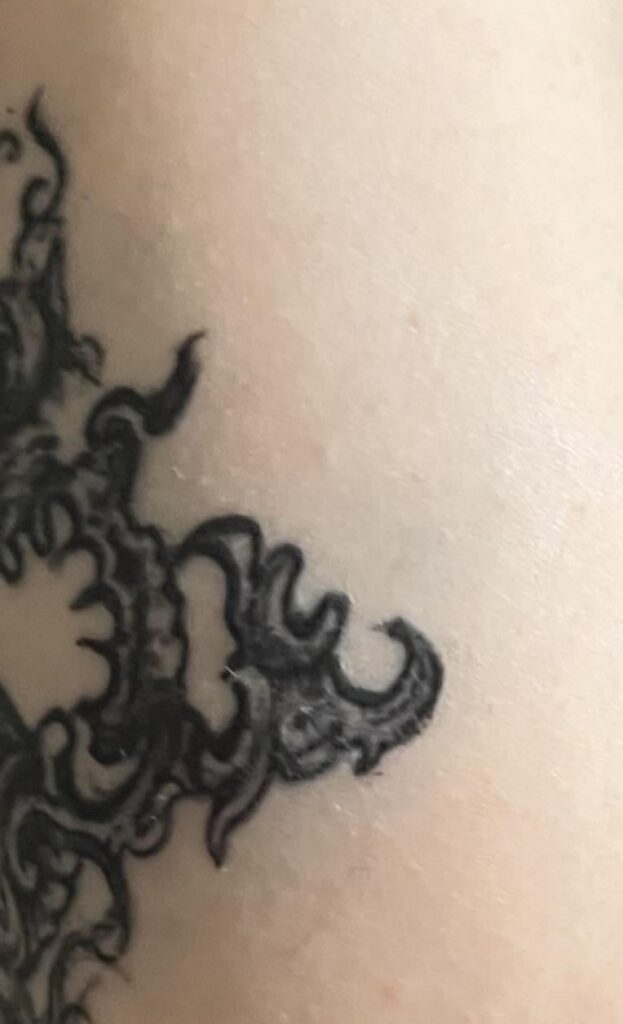
Your skin is not a static canvas. As it repairs, it pushes pigment up and away, and the top layer of skin (epidermis) sheds, taking some ink with it. What you see at week one is not what you get at week six. The ink settles deeper into the dermis, and the color stabilizes. This is why artists intentionally saturate lines and pack color—they are compensating for the body’s natural response.
Key Factors That Affect How Much Ink Settles
- Placement: High-movement areas like hands, feet, and elbows tend to fade faster.
- Skin type: Oily skin can push ink out more easily, while dry skin may hold it better.
- Style: Fine line and dotwork require precision; a few lost dots can be obvious. Blackwork and tribal are more forgiving.
- Aftercare: Sun exposure, picking, and heavy sweating can pull pigment out before it sets.
When to Wait: The 6-Week Rule
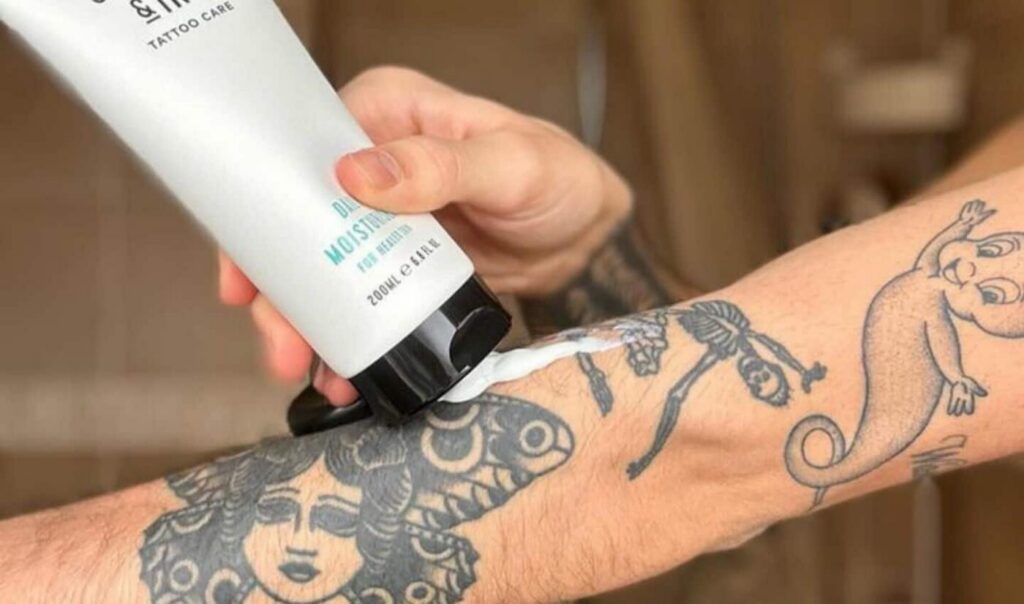
Most artists include a free touch-up within 6 to 12 weeks. This is not arbitrary. It takes that long for the skin to fully regenerate and for the ink to settle into its final state. If you go back too early, the skin is still healing, and any additional trauma can cause scarring or uneven pigment.
Signs You Should Wait Longer
- Your tattoo is still peeling or flaking significantly.
- The area feels tender or looks red (active inflammation).
- You have not had a full month of normal wear and tear.
- You have been in the sun or swimming (both affect healing).
Waiting also lets you see how your body reacts to the ink. Some allergies or irritations appear later. A touch-up on a compromised area can make things worse.
When to Ask: Red Flags That Need Attention
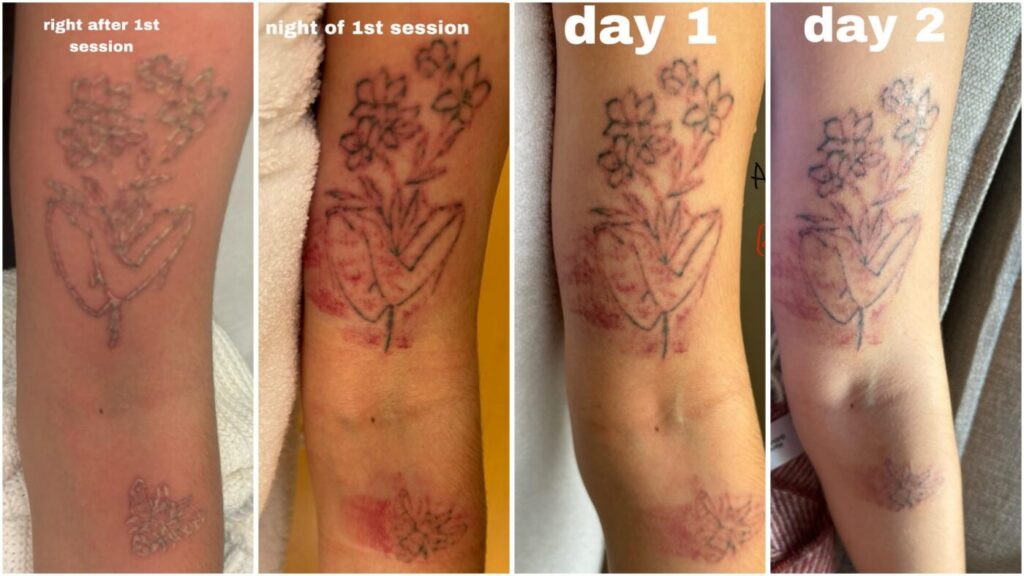
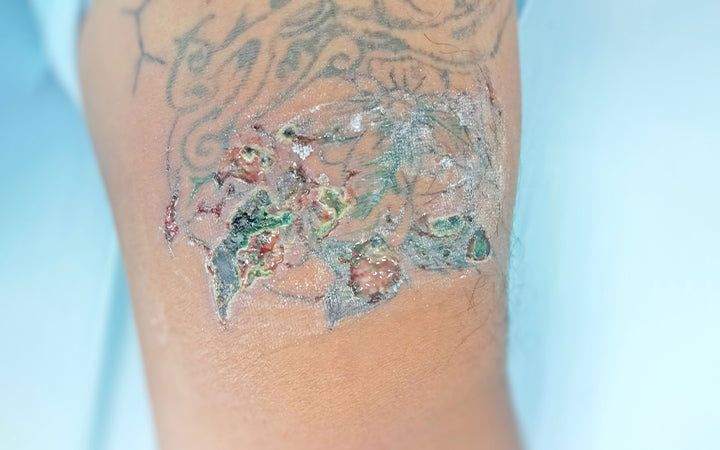
While most imperfections are normal, some issues require a professional eye. Do not wait for a scheduled touch-up if you notice any of these:
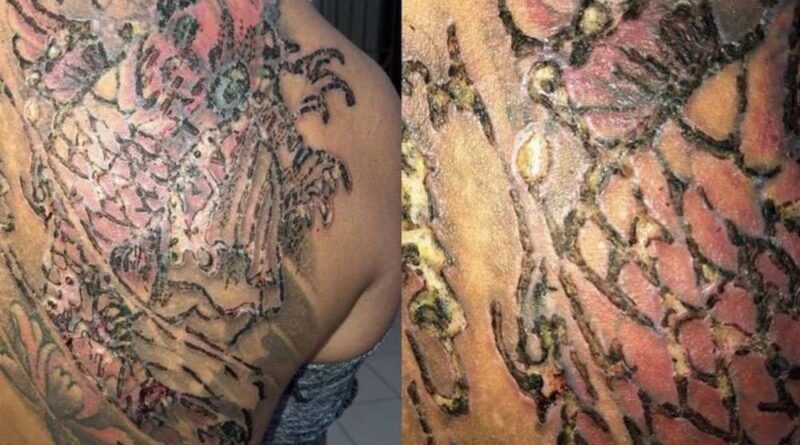
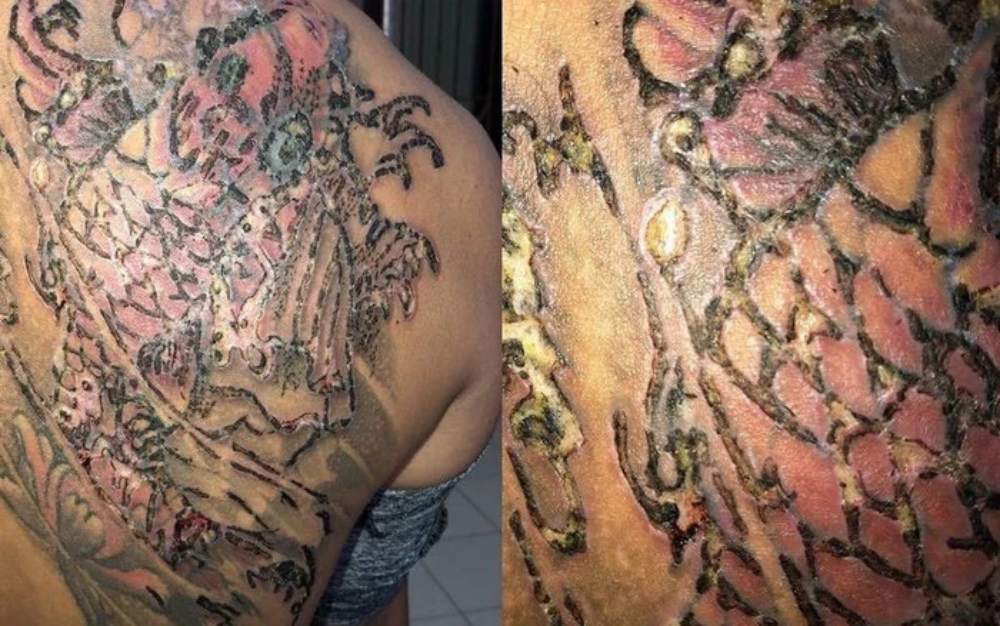
- Infection: Increasing pain, redness, warmth, or yellow/green discharge. See a doctor, not your artist.
- Allergic reaction: Persistent itchiness, raised bumps, or rash in the tattoo area.
- Ink blowout: Dark lines that spread outward like a bruise—this is usually permanent and may not be fixable.
- Scarring: Thick, raised, or hard tissue that does not flatten after a few weeks.
If you have any of these, contact your artist immediately. They can advise whether it is safe to proceed or if you need medical care. For booking questions, always ask about their touch-up policy before you get tattooed.
The Touch-Up Process: What to Expect
A touch-up is not a full redo. It targets specific areas that lost ink or need reinforcement. Your artist will assess the healed tattoo under good lighting, often using a magnifying lamp. They may trace over fine lines, add dots to a dotwork piece, or deepen the saturation in a color section.
Typical Touch-Up Steps
- Cleaning and shaving the area (if needed).
- Applying a stencil only if new lines are added.
- Reopening the skin with a fine needle to deposit pigment.
- Bandaging and giving you aftercare instructions.
Because the skin has already been tattooed, it may be more sensitive. The healing time is often shorter, but still requires the same care. Do not assume you can skip aftercare just because it is a small job.
How to Prepare for a Touch-Up
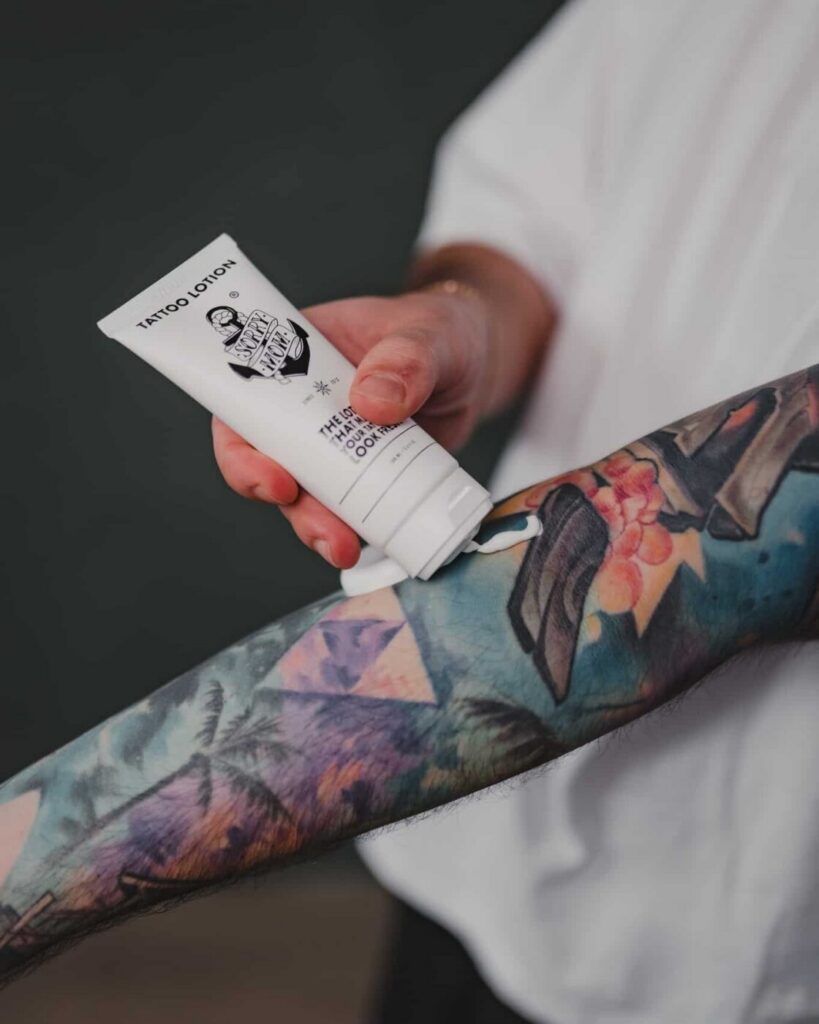
Your skin needs to be in the best possible condition. Here is a checklist:
- Moisturize the area daily for at least two weeks before.
- Avoid sun exposure and tanning—sun-damaged skin is harder to tattoo.
- Do not use harsh exfoliants or acids on the area.
- Stay hydrated and get enough sleep.
- Eat a light meal before your appointment to keep your blood sugar stable.
If you have any doubts about whether you are ready, ask your artist. They can give you a quick visual check.
When Touch-Ups Are Not Free
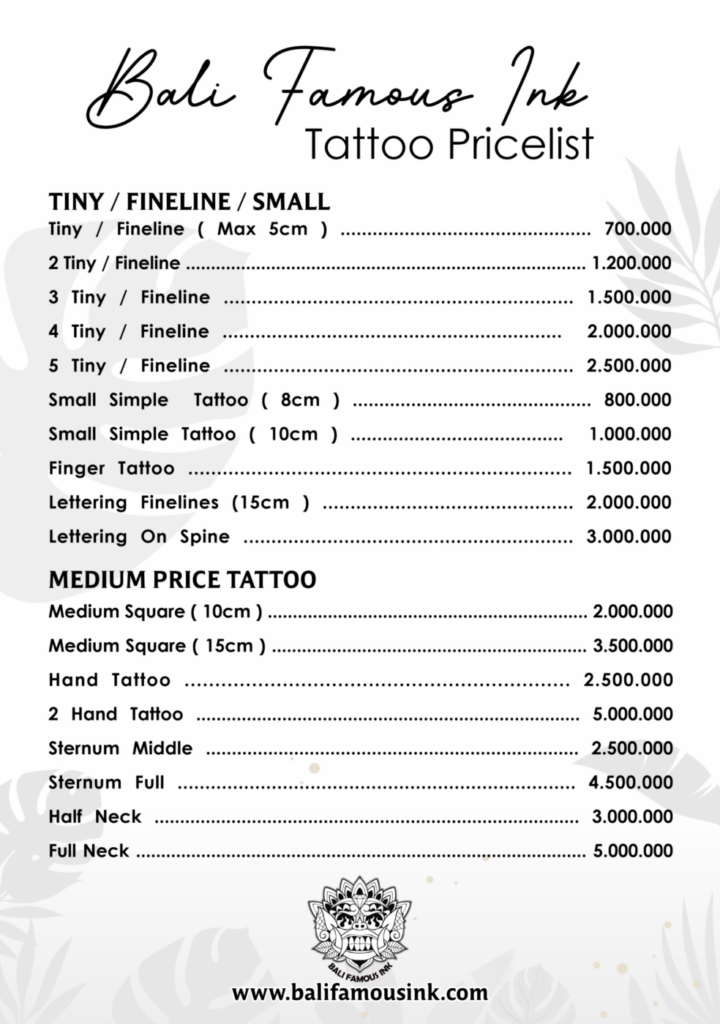
Most artists offer one free touch-up within a specific window. After that, or if the tattoo has been mistreated, you may be charged. Common reasons for paid touch-ups:
- You waited more than 6 months.
- The tattoo was exposed to sun and faded significantly.
- You went to a different artist for the original work.
- The tattoo is on a high-wear area and needs more frequent maintenance.
Always ask for a written policy. A reputable artist will be transparent about costs. If you are looking for a new artist, check verified studios to see their touch-up terms.
Realistic Expectations: What a Touch-Up Can and Cannot Fix
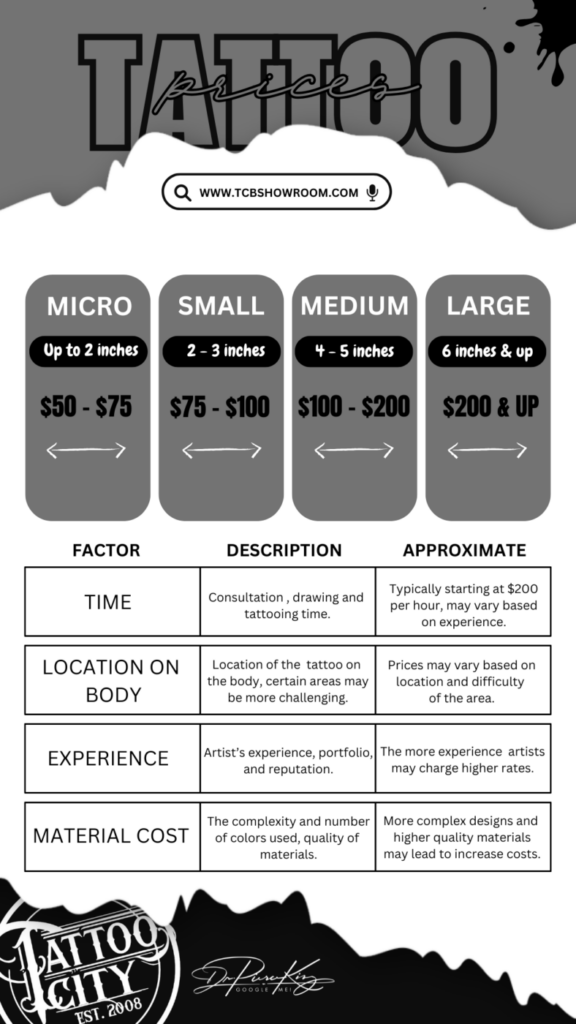
A touch-up can restore lost ink, sharpen edges, and even out color. It cannot fix poor placement, awkward anatomy, or design flaws. If you are unhappy with the design itself, a touch-up is not the solution—you may need a cover-up or laser removal. Be honest with yourself and your artist about your goals.
Styles That Often Need Touch-Ups
- Fine line: Thin lines can fade quickly, especially in areas with friction.
- Dotwork: Individual dots may fall out during healing.
- Watercolor: Soft edges and light colors need extra saturation.
- Micro realism: Tiny details can blur if the skin does not hold the ink.
On the other hand, Japanese traditional and Neo-traditional styles are built with bold lines and heavy color, so they often need fewer touch-ups. Blackwork and Graphic tattoos are also more forgiving.
How to Extend the Life of Your Tattoo
After a touch-up, you want your ink to last. Here are practical tips:
- Use SPF 50+ on your tattoo every day, even indoors (UV passes through windows).
- Moisturize daily to keep skin elastic.
- Avoid soaking in pools, hot tubs, or saunas for at least 2 weeks after healing.
- Wear loose clothing over the tattoo to avoid friction.
If you care for your tattoo well, you may not need another touch-up for years. Some people go back for a refresh every 5-10 years, especially on hands or feet.
Booking Your Touch-Up: Questions to Ask
Before you book, make sure you understand the artist’s policy. Ask these questions:
- Is the touch-up free within a certain timeframe?
- Do I need to bring anything (e.g., a photo of the fresh tattoo)?
- How long will the session take?
- What kind of aftercare should I follow?
If you are scheduling with a new artist, you can use our price estimate tool to get an idea of costs. For general advice, browse our consultation articles.
FAQ: Touch-Up Timing and Expectations
1. How long should I wait before a touch-up?
Wait at least 6 weeks, but no more than 12 weeks for a free touch-up. This gives your skin time to fully heal and the ink to settle.
2. Can I get a touch-up if my tattoo is still peeling?
No. Tattooing over peeling skin can cause scarring and uneven pigment. Wait until the skin is completely smooth and healed.
3. Will a touch-up hurt more than the original?
It can be slightly more sensitive because the skin has already been traumatized, but most people find it similar or less painful. Your artist will work carefully.
4. What if I waited too long for my free touch-up?
You may be charged a fee. Some artists offer a discounted rate for late touch-ups. Always check the policy and communicate early.
Final Thoughts: Trust the Process
A touch-up is a normal part of the tattoo journey. It is not a reflection of your artist’s skill—it is the body’s way of settling ink. By waiting the right amount of time, asking the right questions, and caring for your skin, you ensure your tattoo looks its best for years. If you are researching artists, check our rankings and studio profiles to find someone who values aftercare as much as you do.
Content hub
Tattoo aftercare pillar
This article belongs to the aftercare cluster. Open the pillar page for the healing timeline, cleaning routine, moisturizing basics and warning signs.
Related reading
Continue reading

The Complete Tattoo Consultation Checklist: What You Must Know Before Booking a Custom Design
A complete guide to your first tattoo consultation: from idea brief and references to skin check, placement, pain,…
How to Choose a Safe Tattoo Studio in Vietnam
A practical guide for first-time clients comparing hygiene, portfolio quality, consultation and pricing before booking a tattoo studio…
Fine Line Tattoo Pain & Placement Guide in Hai Phong: What to Expect
Discover fine line tattoo pain levels by placement, aftercare tips, and what to expect in Hai Phong. Expert…