Biomechanical Tattoo & Surrealism Tattoo: Anatomy Flow, Depth & Design Mastery
Introduction

Biomechanical and surrealism tattoos represent the pinnacle of anatomical artistry. These styles blend mechanical precision with organic surrealism, creating illusions of depth that challenge perception. This guide explores the anatomy flow, design references, and technical mastery behind these advanced styles.
Understanding Biomechanical Tattoos
What Is a Biomechanical Tattoo?
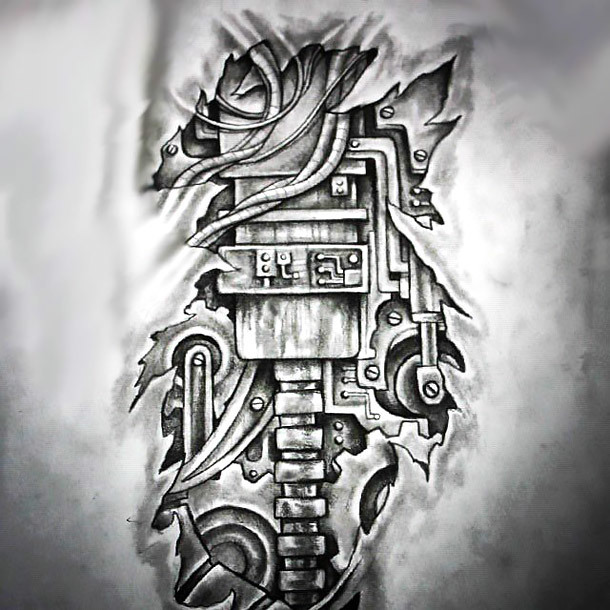
Biomechanical tattoos mimic the fusion of human anatomy with mechanical parts—gears, pistons, cables, and robotic exoskeletons. The style emerged from sci-fi and horror genres, popularized by artists like H.R. Giger. Key elements include realistic shading, metallic textures, and seamless integration with the body’s contours.
Anatomy Flow in Biomechanical Designs
Anatomy flow refers to how the mechanical elements follow the body’s natural lines. For example, a gear embedded in the shoulder should align with the deltoid muscle. Checklist for anatomy flow:
- Study muscle groups: biceps, triceps, chest, back.
- Map mechanical parts to muscle origins and insertions.
- Use negative space to create depth between skin and metal.
- Blend edges with soft shading to avoid flatness.
References and Inspiration
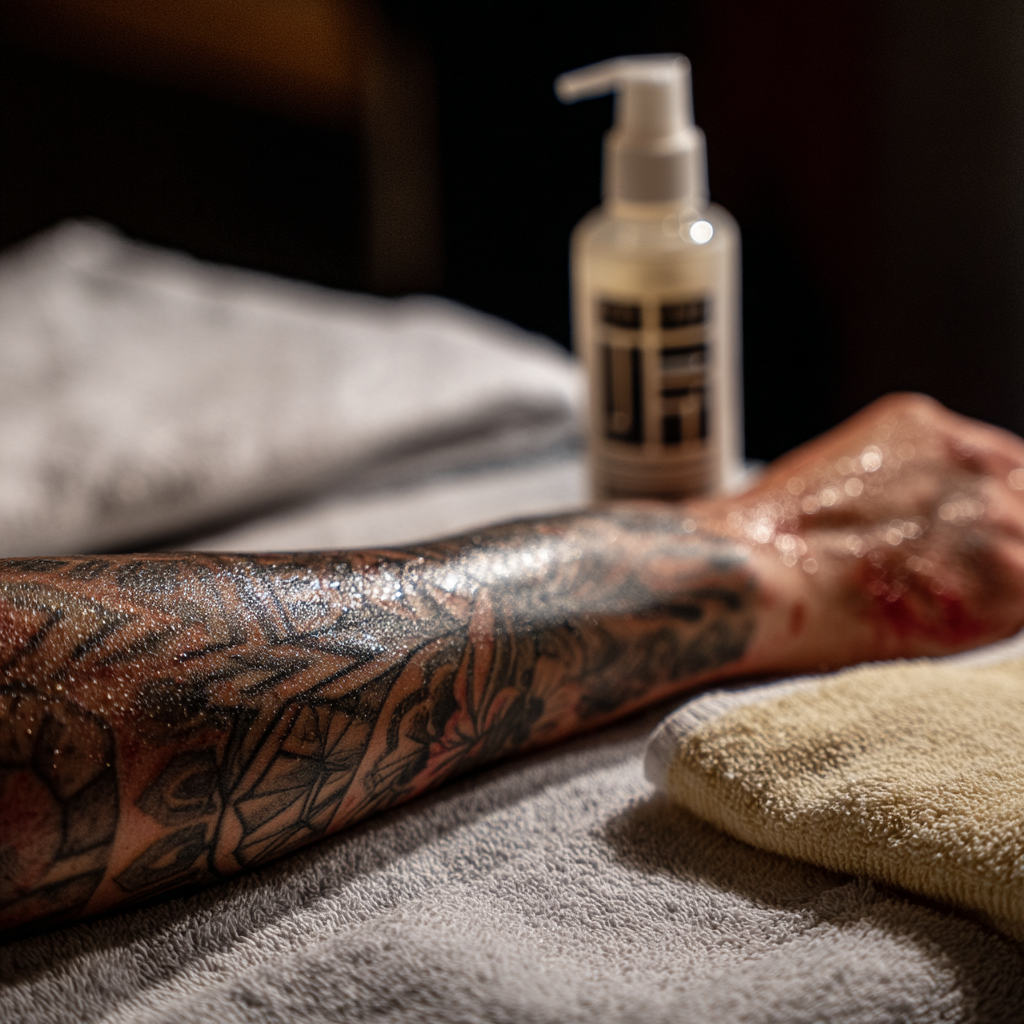
Look to Giger’s biomechanoids, cyberpunk concept art, and anatomical drawings. Artists like Guy Aitchison and Aaron Cain are pioneers. Concrete example: A biomechanical forearm tattoo might feature pistons that track the radius and ulna, with gears visible through torn skin.
Caveats for Biomechanical Tattoos
- Requires a skilled artist who understands anatomy and shading.
- Healing can distort fine details—choose experienced artists.
- Placement on joints may warp the design over time.
Understanding Surrealism Tattoos
What Is a Surrealism Tattoo?
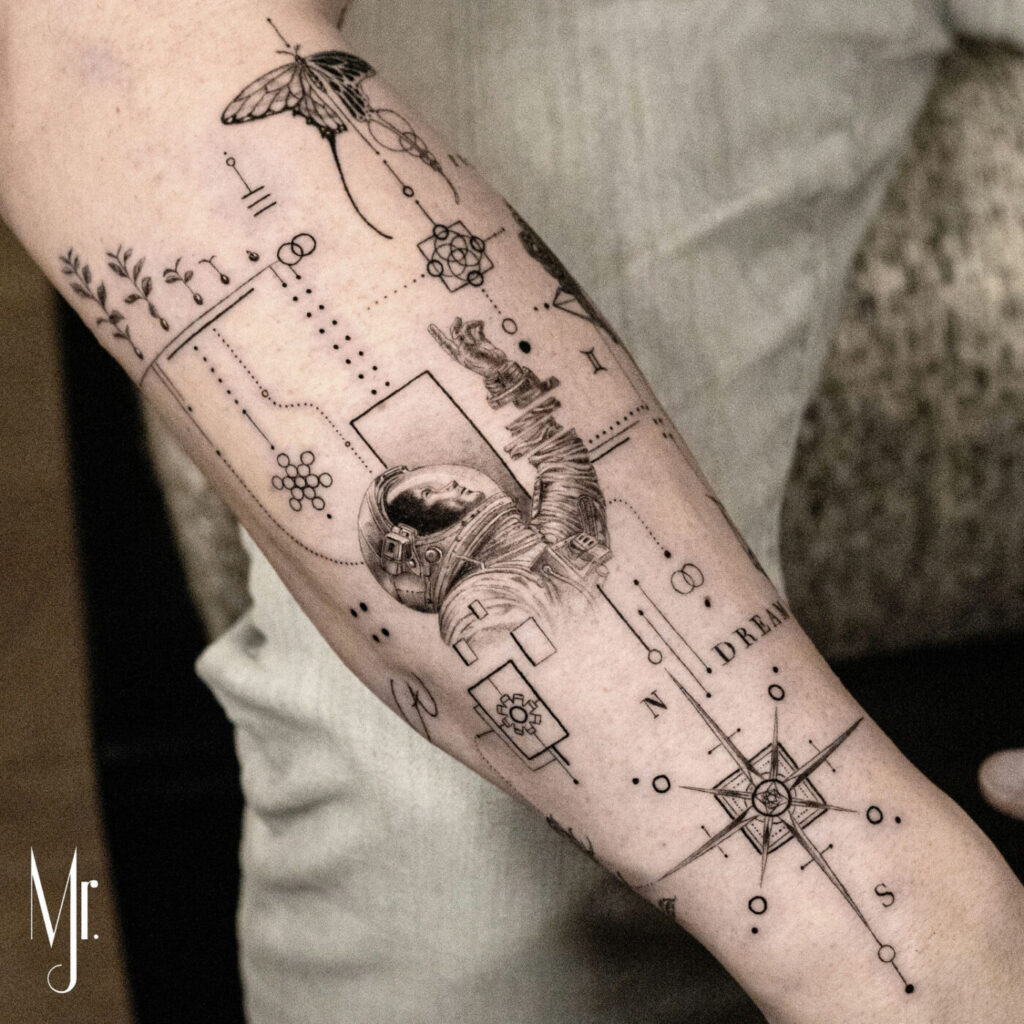
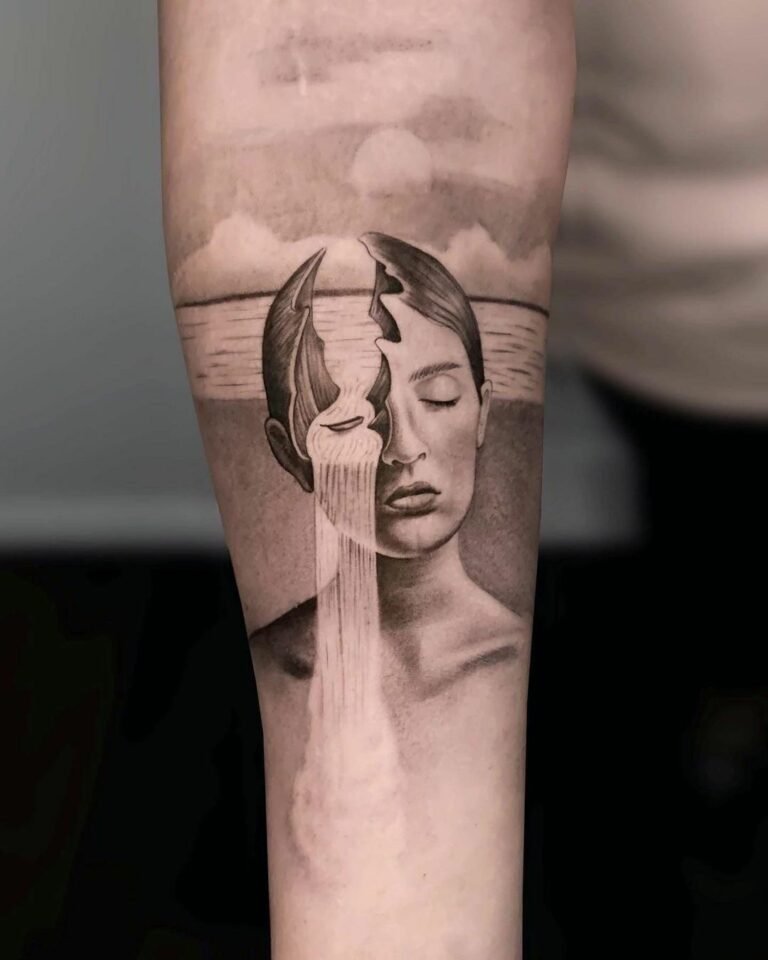
Surrealism tattoos draw from the art movement led by Dalí and Magritte. They feature dreamlike imagery, impossible objects, and symbolic juxtapositions. In tattooing, surrealism often incorporates melting clocks, floating eyes, or hybrid creatures.
Depth and Perspective in Surrealism
Depth is achieved through chiaroscuro (strong contrast), foreshortening, and layered imagery. For example, a surrealism tattoo of a door opening into a sky uses perspective tricks to create an illusion of three-dimensional space on skin.
Anatomy Flow in Surrealist Designs
Even surrealism must respect body contours. A melting face should still follow the cheekbone’s curve. Step-by-step approach:
- Sketch the surreal element on a photo of the body part.
- Adjust proportions to match the body’s natural landmarks.
- Use shading to create depth—dark shadows for recesses, highlights for protrusions.
References and Inspiration
Study Dalí’s The Persistence of Memory, Magritte’s The Treachery of Images, and contemporary surrealist tattoo artists like Yoni Zilber and Mr. K. Example: A surrealism sleeve might show a hand holding a mirror that reflects a different reality, with the mirror’s frame blending into the skin.
Comparison: Biomechanical vs. Surrealism
| Feature | Biomechanical | Surrealism |
|---|---|---|
| Theme | Mechanical vs. organic | Dream vs. reality |
| Key technique | Metallic shading, texture | Perspective, symbolism |
| Anatomy flow | Follows muscle lines | Adapts to body contours |
| Color palette | Grayscale, metallic hues | Often vibrant or monochrome |
Decision Guide: Which Style Is Right for You?
- Choose biomechanical if you love sci-fi, robotics, or industrial aesthetics.
- Choose surrealism if you appreciate fine art, philosophy, and visual puzzles.
- Both require a high level of artistry—check portfolios for depth and flow.
FAQ
1. Do biomechanical tattoos age well?
With proper shading and placement, they can last. Fine details may blur over time, so bold outlines help.
2. Can surrealism tattoos be combined with other styles?
Yes, surrealism pairs well with geometric tattoo, blackwork, and realism.
3. How painful are these styles?
Pain depends on placement, not style. Both involve detailed shading which may be more time-consuming.
4. How do I find an artist for these styles?
Search for artists specializing in biomechanical or surrealism. Check their Instagram for anatomy flow examples. Visit verified-studios for vetted professionals.
Conclusion
Biomechanical and surrealism tattoos push creative boundaries. Mastery of anatomy flow and depth transforms skin into a canvas of illusion. Whether you choose gears or dreams, invest in an artist who understands the body’s architecture.
Read more
- Magazine for more tattoo knowledge, style guides and aftercare notes.
- Request a consultation if you need help with style, placement or preparation.
- Marketplace for equipment, supplies and learning resources.
Content hub
Tattoo styles pillar
This article belongs to the styles cluster. Open the pillar page to compare Irezumi, Old School, Realistic, Blackwork, Fine line, Geometric and Watercolor.
Related reading
Continue reading

Polynesian Tattoo Healed Portfolio Review: A Specialist Guide to Body Mapping, Symbol Research and Respectful Consultation
A specialist editor's guide to reviewing healed Polynesian tattoo portfolios: body mapping, symbol research, respectful consultation questions, and…
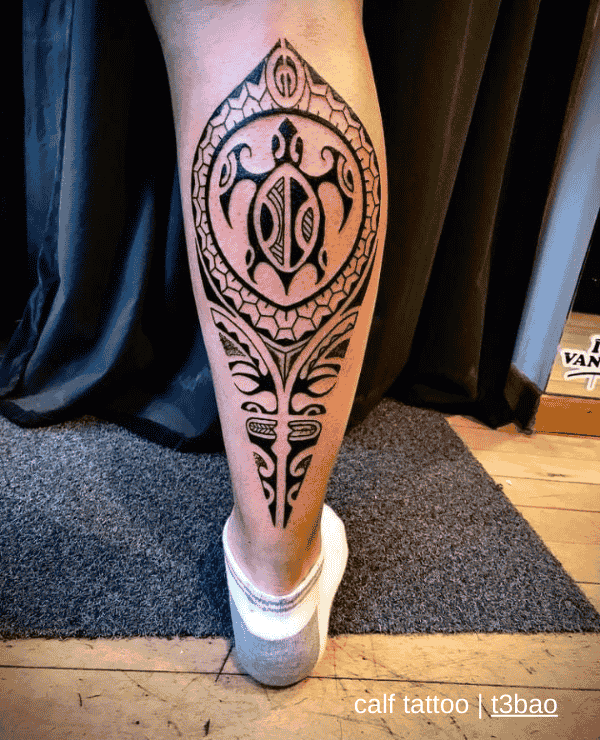
Polynesian Tattoo: Placement and Body-Flow Decisions
A specialist guide to Polynesian tattoo placement and body-flow decisions: body mapping, motif density, symbol research, respectful consultation…

Polynesian Tattoo Design Consultation Checklist: Body Mapping, Symbol Research & Respectful Planning
A specialist Polynesian tattoo consultation checklist covering body mapping, symbol research, cultural permission, technique, booking questions, and respectful…