Cover-Up Tattoo in Saigon: Assessing Old Ink and Realistic Planning
Cover-Up Tattoo in Saigon: A Realistic Look at Transforming Old Ink
Every tattoo tells a story, but not every story ages well. In Ho Chi Minh City, a thriving hub for tattoo artistry, cover-up work is one of the most requested yet misunderstood services. Covering old ink is not simply a matter of placing a new image on top. It demands an honest assessment of the existing tattoo, a smart design strategy, and a technically sound execution plan. This article walks you through the clinical realities of cover-up tattoos in Saigon—what to check, how to plan, and what to expect when you walk into a reputable studio.
The Cover-Up Reality Check
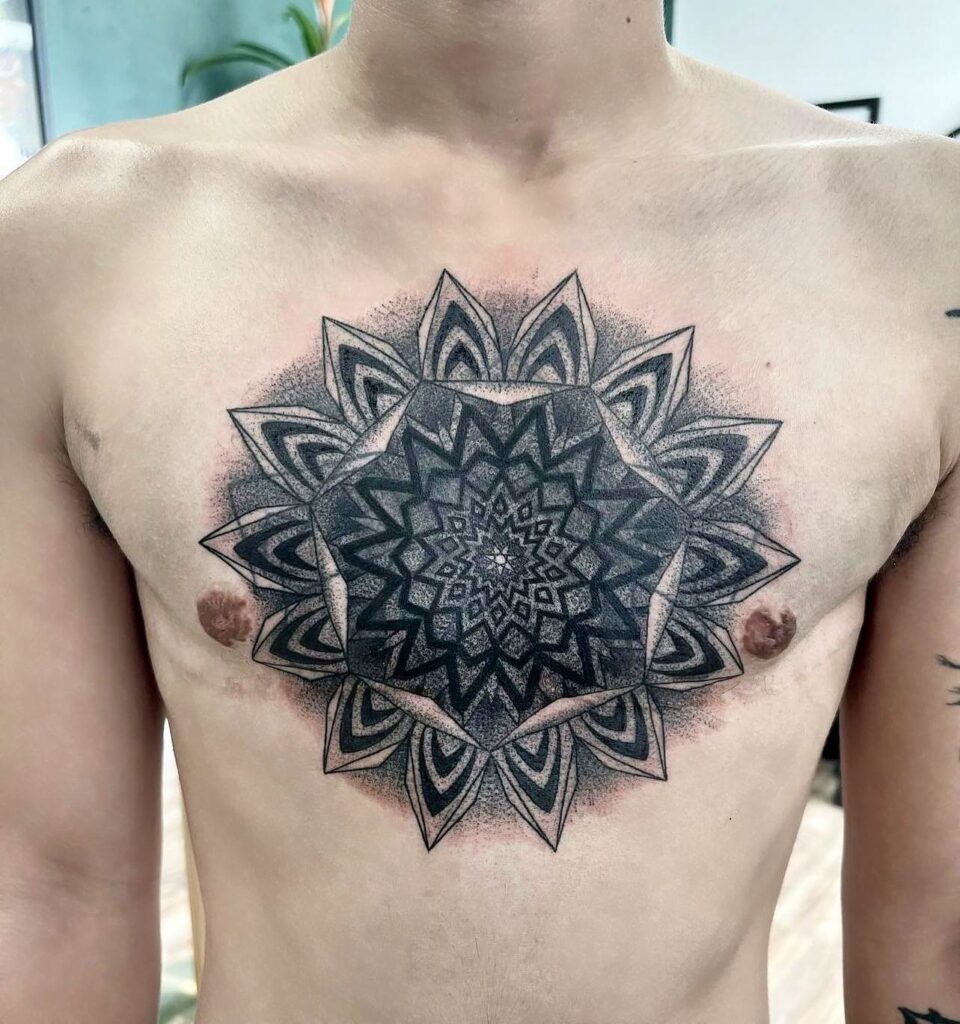
Before you fall in love with a design, understand the fundamental rule of cover-ups: dark, dense, or heavily saturated old ink will always show through unless you go bigger and darker. A cover-up is not a magic eraser. It is a transformation that respects the existence of the original piece. In Ho Chi Minh City, experienced artists at verified studios will tell you the same thing: the larger the cover-up, the more successful the result. If you are unwilling to scale up your design significantly, you may be setting yourself up for disappointment.
Assessing the Old Ink
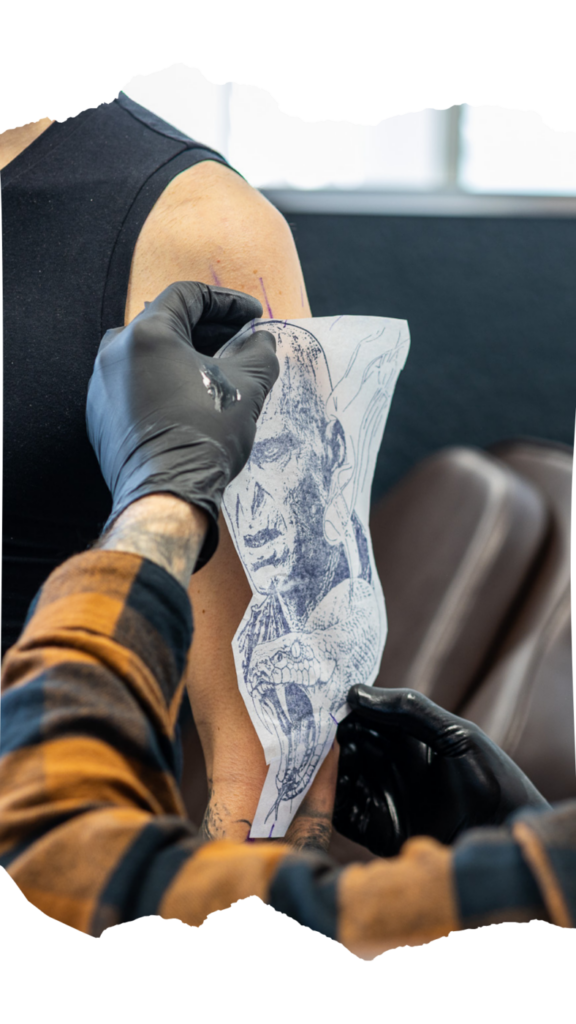
The first step in any cover-up journey is a thorough assessment of the existing tattoo. This evaluation determines what is technically possible and guides the entire design process.
Visual and Tactile Assessment
You need to look at your old tattoo critically. Here is a checklist of what matters:
- Ink density: Is the black work solid or did it fade unevenly? Solid, dark black is the hardest to cover.
- Line weight: Thick, bold outlines demand a more robust cover-up strategy.
- Color saturation: Bright blues, greens, and purples are notorious for showing through lighter cover-ups.
- Scar tissue: If the tattoo is scarred, the surface is no longer smooth. This affects how ink will settle and may require a specialist who has experience with textured skin.
- Age and fading: Older tattoos often soften, making them easier to cover, but they can also blur and spread.
- Placement: Skin elasticity varies across the body. Areas like elbows or knees are more challenging for cover-up work due to constant movement and thin skin.
- Overall composition: A chaotic or dense composition will need a completely different approach than a simple, small piece.
Take photos in different lighting conditions. Natural daylight will show you the true intensity of the old ink. If you are in Ho Chi Minh City, schedule a consultation first. Many studios offer detailed tattoo consultations where they can physically assess your skin and provide honest feedback.
Key Questions to Ask Yourself
- Am I willing to get a larger design?
- Can I accept that the final piece will be darker and more saturated?
- Am I open to multiple sessions for more complex cover-ups?
- Do I have enough patience for the healing process?
Design Planning for Cover-Ups
Once you know the reality of your old ink, it is time to talk design. The right design is not just aesthetically pleasing—it is strategically constructed to take over the old lines and colors.
Style Selection
Certain tattoo styles lend themselves better to cover-ups. As a senior editor, I recommend exploring these approaches:
- Blackwork and Ornamental: Blackwork uses dense black shapes that can easily absorb any old ink. Ornamental patterns can integrate the old tattoo into a larger, flowing structure.
- Neo-traditional: With its bold lines, rich colors, and layered textures, neo-traditional is a powerful cover-up style. It allows for intricate details while maintaining a strong focal point.
- Japanese traditional: Classic Japanese motifs like koi, dragons, and waves often feature heavy shading and negative space that naturally conceal old lines. The aesthetic is time-tested and works well on most skin tones.
- Abstract and Graphic: These styles can use geometric shapes, splashes of color, or contrasting black areas to trick the eye. They are flexible but require an artist with a strong sense of composition.
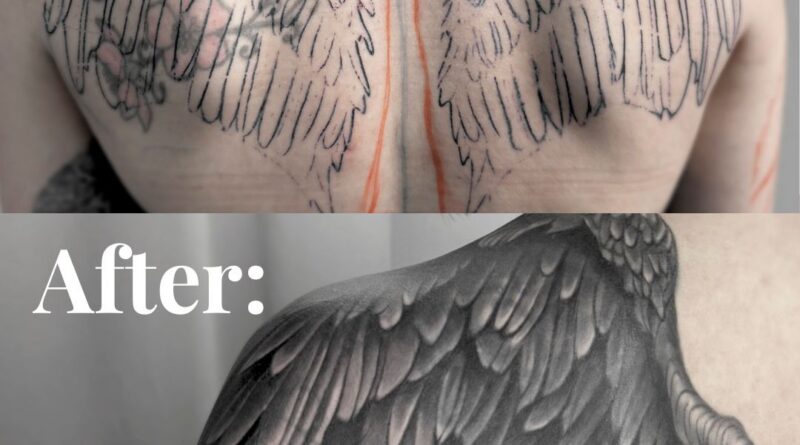
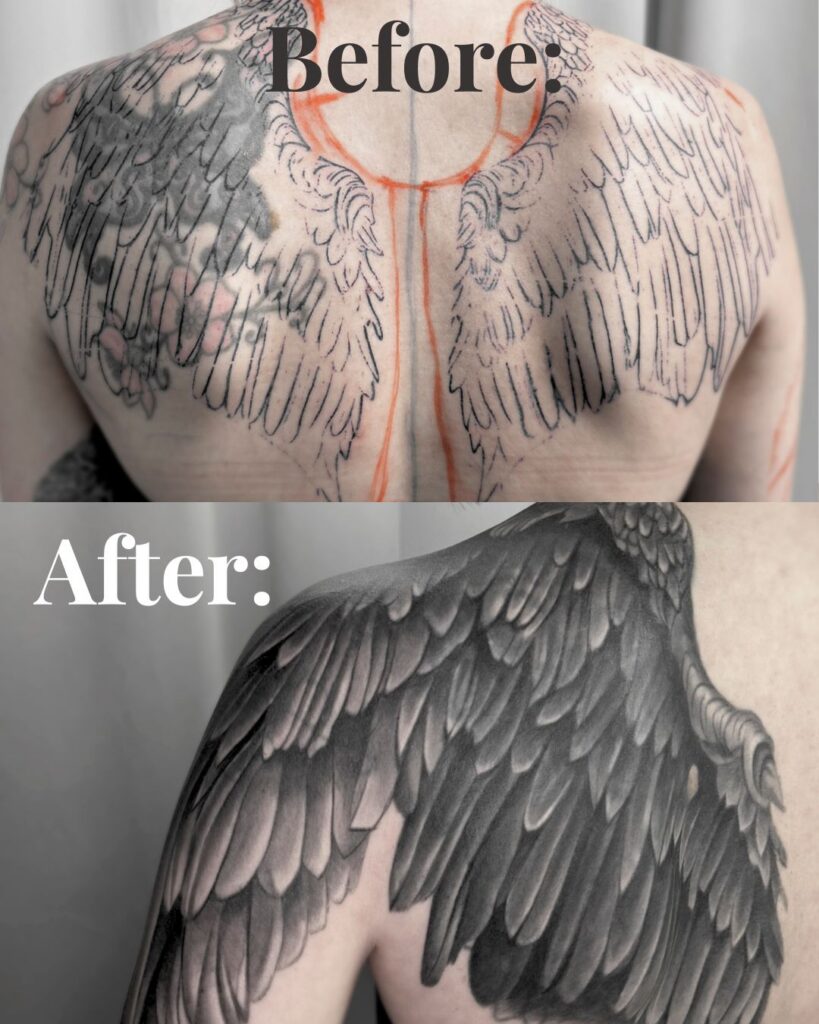
- Realism and Micro realism: Surprisingly, realism can be an excellent cover-up choice if the tattoo is not too dense. The artist can incorporate shadows and textures that obscure the original. However, it needs an experienced artist to balance the values.
- Geometric and Dotwork: Geometric designs with repetitive patterns and dotwork shading can be used to break up the old ink. Dotwork is especially effective for softening the edges of a solid block.
Avoid fine line and watercolor for cover-ups unless you are covering a very light, small tattoo. They are too transparent and will not hide the old ink. If you are unsure what style suits your situation, browsing the portfolios on our studio rankings can help you identify artists who specialize in cover-ups.
Size and Placement Considerations
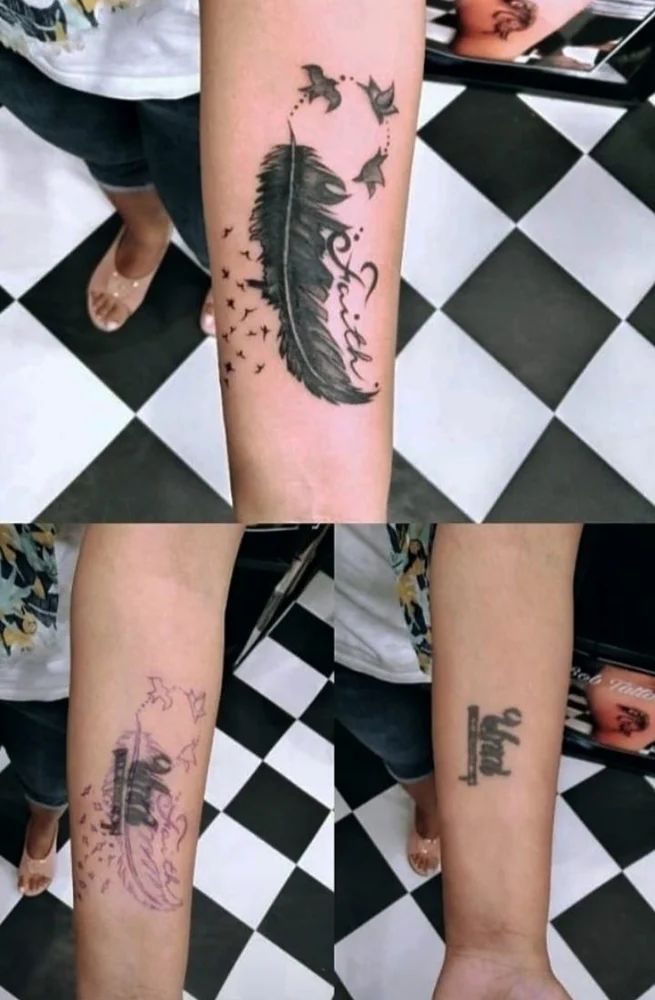
Expect your new tattoo to be at least 2-3 times the size of the original. This extra space gives the artist room to work with darker areas, transitions, and negative space. For example, a small lettering tattoo on the forearm might become a larger neo-traditional lock with plenty of leaves and shading.
Also, consider how the new design flows with your body. A cover-up should work with your natural anatomy, not against it. Rotating the design slightly can help it hug a muscle contour or hide awkward lines. Your artist will guide you on optimal placement, and you should always trust their eye—they see countless cover-ups in Ho Chi Minh City.
Technical Execution: How a Professional Covers Old Ink
Laser vs. Cover-Up? The Professional’s Take
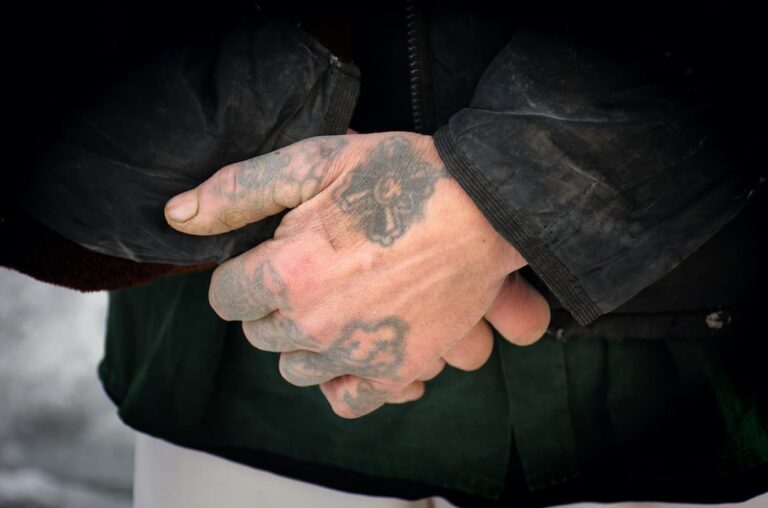
There is a common misconception that laser tattoo removal is the only way to get rid of unwanted ink. In reality, laser can be a complementary tool, but it is not necessary for every cover-up. Professional tattoo artists are not medical doctors, and we do not provide medical advice regarding laser procedures. However, from a tattoo technique perspective, a few sessions of laser can lighten extremely dense black or problematic colors, making the cover-up easier and allowing for a wider range of design options. Many studios in Ho Chi Minh City partner with laser clinics and can recommend a dermatologist if you are serious about this route. Always have a professional consultation before deciding.
Color Theory and Ink Saturation
To cover old ink, the artist must pack new pigment densely enough to obscure it completely. This requires a delicate balance of needle depth, saturation, and color choice. For example, to cover a blue-toned tattoo, an artist might use a warm base layer of orange or red before applying the final design. This is a common trick in tattoo magazine tutorials. However, you must trust the artist to make the right call; attempting this at home is dangerous.
The Workflow at a Professional Studio
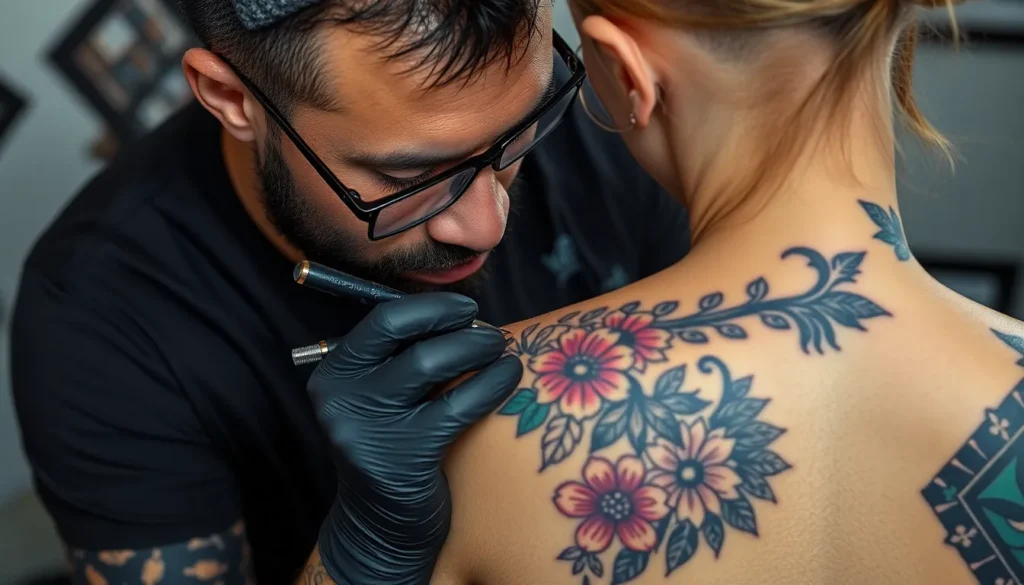
When you book a cover-up session at a professional studio in Ho Chi Minh City, the process typically looks like this:
- Consultation: The artist examines your tattoo, discusses your vision, and sketches a preliminary design.
- Design revisions: You may go back and forth a few times. Do not rush this step.
- Stencil and placement: The artist applies the stencil and positions it over the old tattoo to ensure complete coverage.
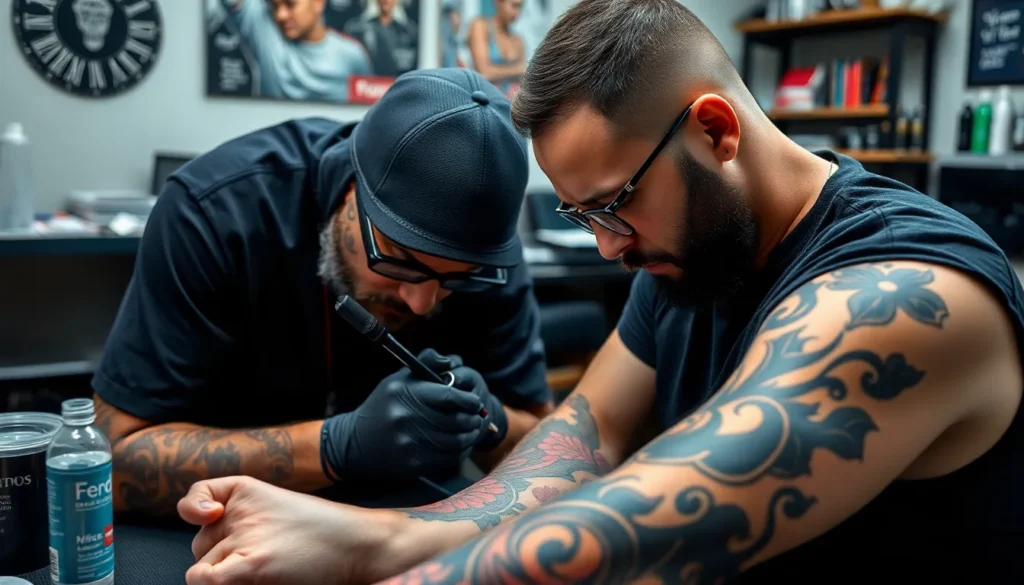
- The session: Cover-ups often take longer than regular tattoos due to the extra passes required. Bring something to read or listen to.
- Healing and follow-up: A cover-up may need a touch-up session after healing to address any areas where the old ink peeks through.
Do not be tempted by cheap “flash” cover-ups. Trust me, you will pay more in the long run. Check verified studios for businesses with proven portfolios and hygiene standards.
Realistic Expectations and Aftercare
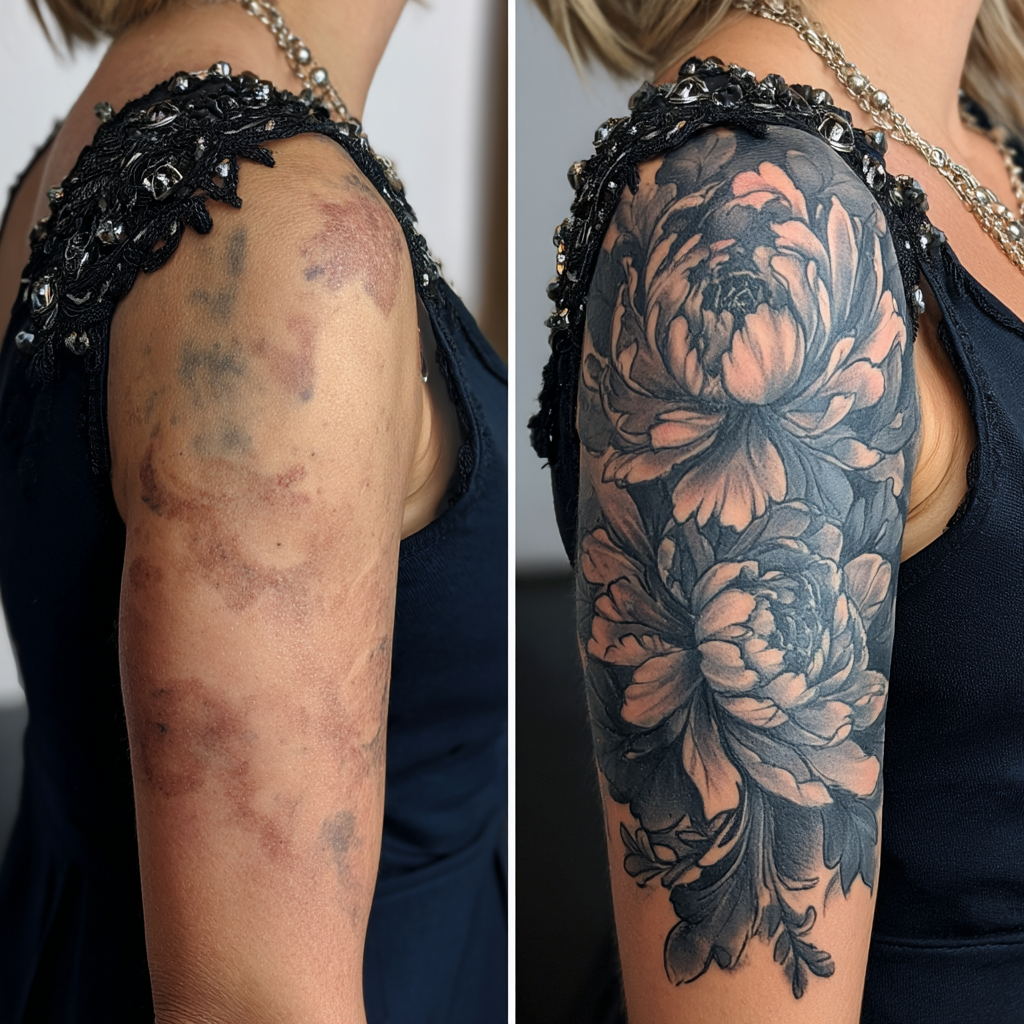
Even the best cover-up will not be perfect on day one. You may still see faint outlines of the old tattoo for the first few weeks until the new ink settles into your skin. The final result reveals itself after one to two months of healing. It is crucial to follow aftercare instructions meticulously. For cover-ups, that means keeping the area moisturized but not too wet, avoiding direct sun exposure, and not picking at scabs.
When it comes to pricing, cover-ups are almost always more expensive than a similar-sized new tattoo. The price reflects the extra skill, design time, and effort required. Before you agree to a price, ask for a detailed quote. If you want an estimate, you can use our tattoo price calculator to get a ballpark figure for your city and size.
Frequently Asked Questions
1. Can any tattoo be covered up?
No, not every tattoo can be fully covered. Extremely dense, dark, or heavily scarred tattoos may resist even the most skilled cover-up efforts. In these cases, laser removal or removal followed by a new tattoo may be the only realistic route. A professional assessment is essential.
2. How many sessions will a cover-up take?
Most cover-ups are done in one session, but complex cases may require two or three sessions. For instance, a large Japanese traditional cover-up on a heavily saturated sleeve may be staged over several appointments. The healing gap between sessions is typically 4-8 weeks.
3. Will the old tattoo still be visible after healing?
In well-executed cover-ups, the old tattoo should be completely hidden. However, if the old ink was extremely dark, you might see a subtle shadow in certain lighting. Your artist will do their best to prevent this, but you should be prepared for a small risk.
4. How much does a cover-up tattoo cost in Ho Chi Minh City?
Pricing varies widely based on studio reputation, artist experience, size, and complexity. In Ho Chi Minh City, a professional cover-up can start from $150 USD per hour, and large pieces can cost several thousand dollars. Always ask for a flat quote during the consultation to avoid surprises.
Conclusion
Covering old ink in Ho Chi Minh City is an art form in itself. It requires honesty, patience, and a skilled artist who understands the science of ink and skin. This article gives you the framework to assess your own tattoo and plan your cover-up with realistic expectations. The next step is finding the right professional for the job. Start with a consultation, ask the tough questions, and trust the recommendations from our studio rankings. Your old ink can become a foundation for a new masterpiece—if you plan it right.
Content hub
Trusted studio pillar
This article belongs to the studio cluster. Open the pillar page for hygiene standards, healed portfolio checks, Verified signals and how to choose a studio.
Related reading
Continue reading
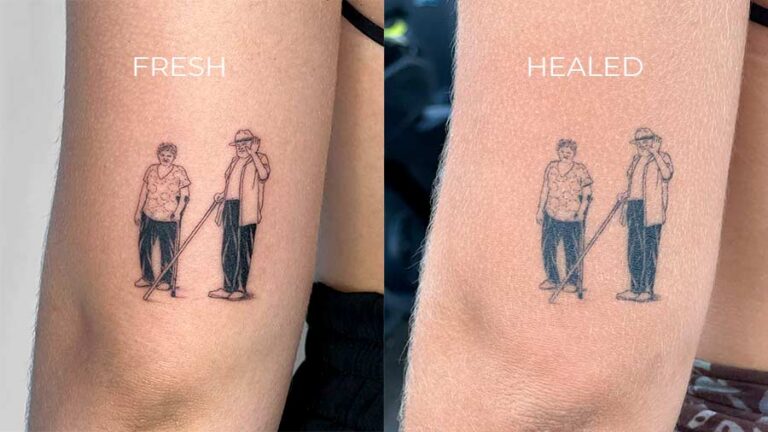
Fine Line Tattoo Ho Chi Minh City: The Real Story of Line Weight and Healed Clarity
Fine line tattoos in Ho Chi Minh City: how line weight determines healed clarity, what to ask in…
Walk-In Tattoo Saigon: Safety, Pricing & Design Limits – A Local’s Guide
Your complete guide to walk-in tattoos in Saigon: safety checks, real prices, design limits, and step-by-step advice. Get…
First Tattoo Consultation in Ho Chi Minh City: 10 Essential Questions to Ask
Essential questions to ask during your first tattoo consultation in Ho Chi Minh City. Includes safety checks, cost…