Tattoo Machine Stroke Length: Lining, Shading, and Color Packing Decisions – A Pro Guide
Introduction
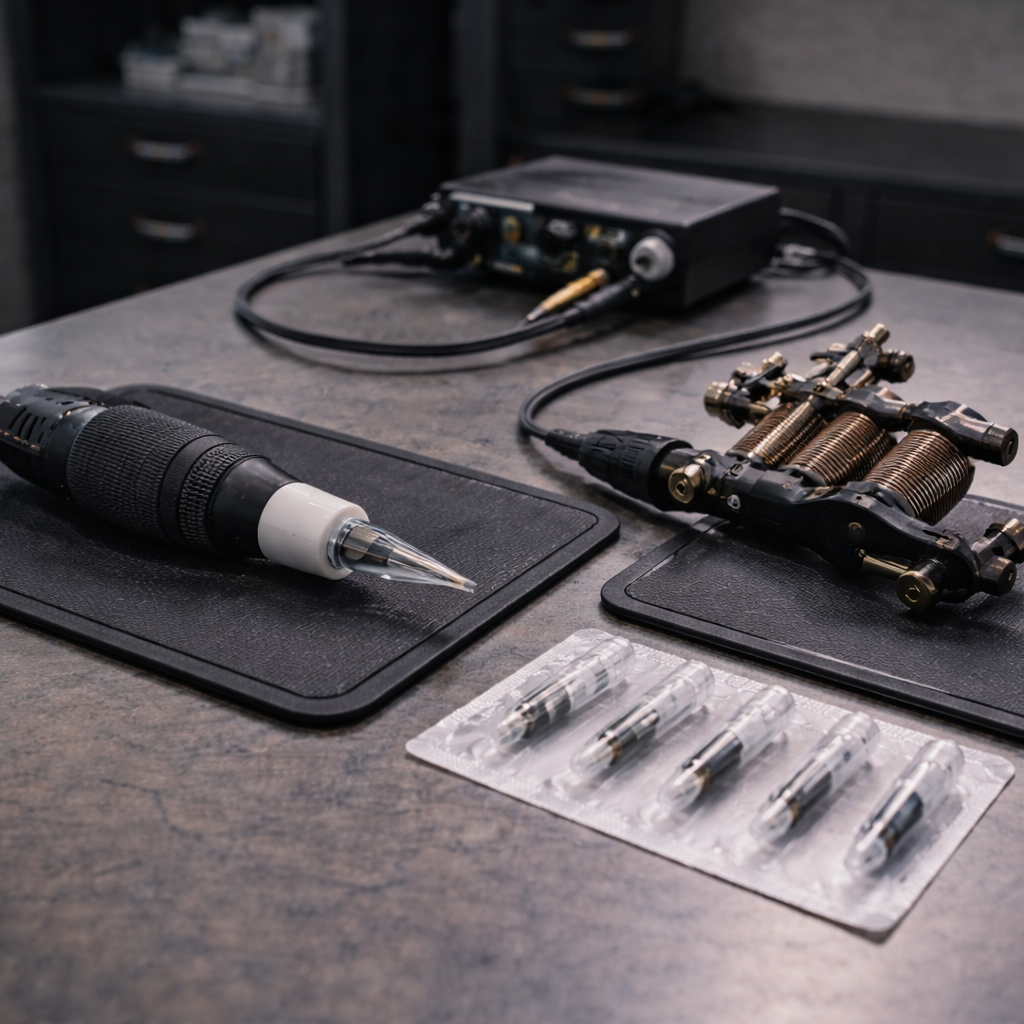
Every tattoo artist knows that the machine is the backbone of the craft, but the real secret to precision lies in one overlooked variable: stroke length. Whether you’re laying down a crisp line, building a smooth gradient, or packing solid color, the distance the needle travels per cycle dictates the result. In this technical deep dive, we break down how to choose the right stroke length for lining, shading, and color packing, and how to match it to your machine type and personal style.
Understanding Stroke Length
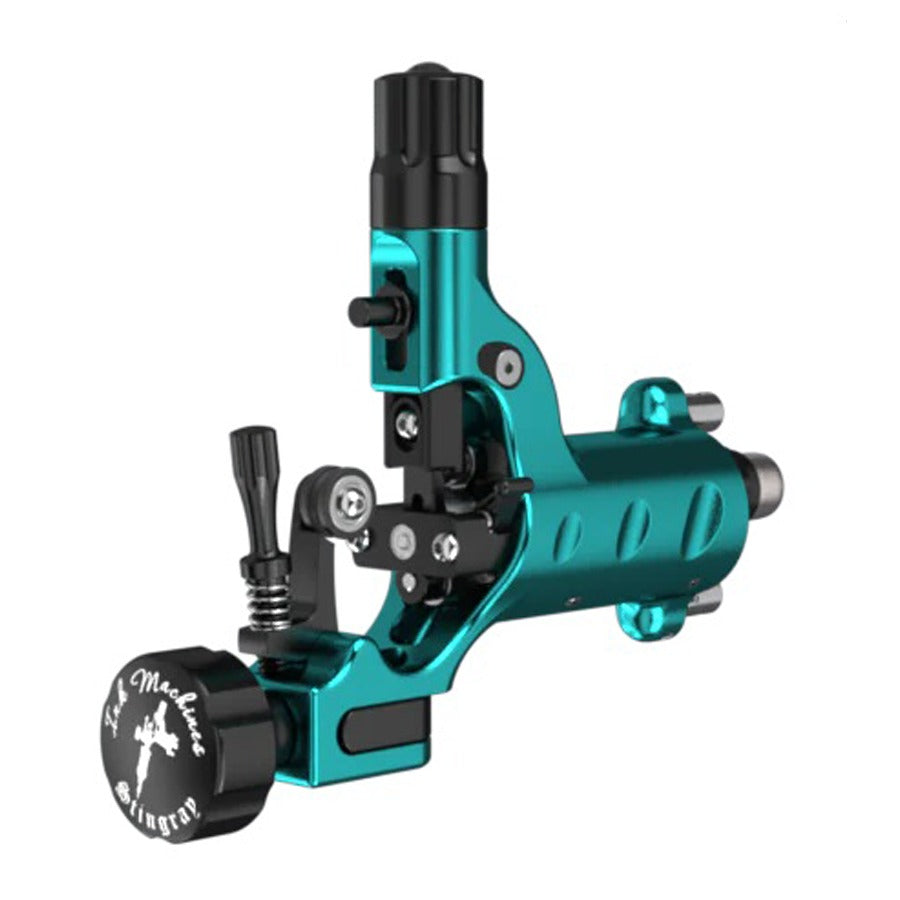
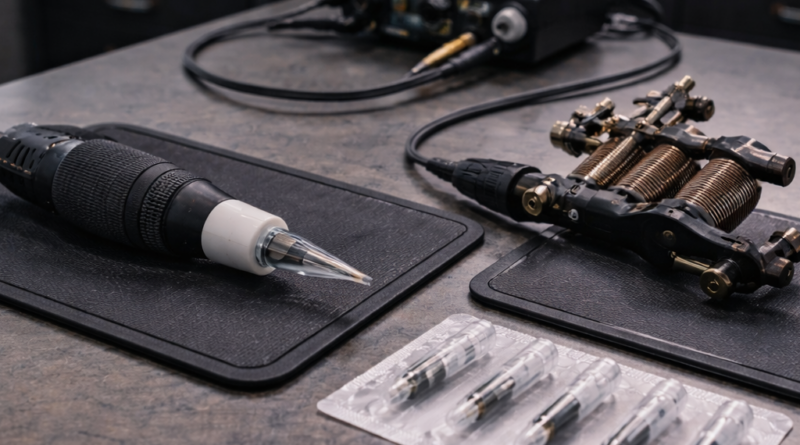
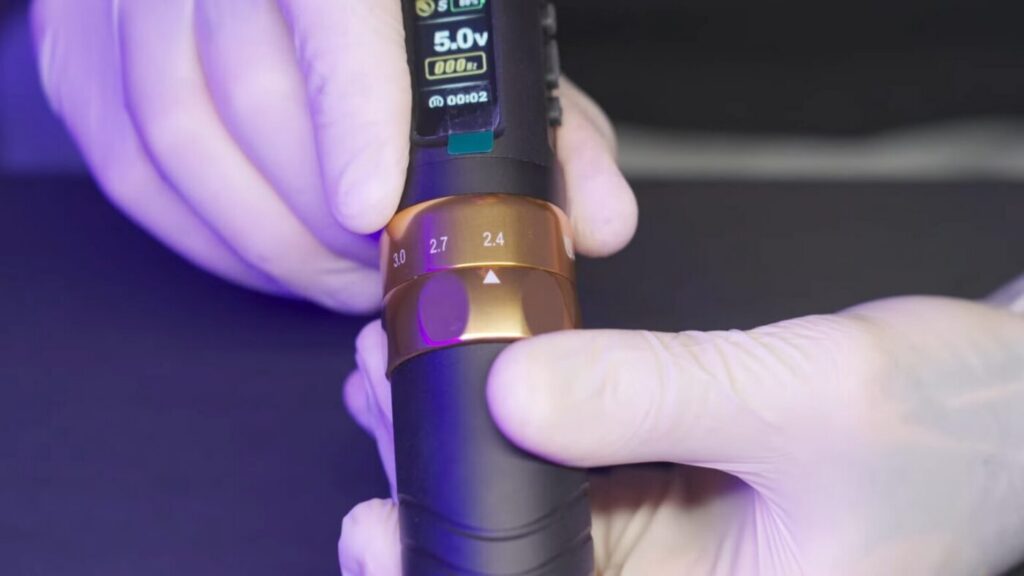
Stroke length is the distance the needle bar moves forward and backward in one complete cycle. Measured in millimeters (mm), it directly affects needle projection, impact force, and ink deposit. Most coil machines offer adjustable stroke via eccentric cams or spring tension, while rotary machines often have fixed strokes or interchangeable cams. Typical ranges: 2.5–3.5mm for lining, 3.5–4.5mm for shading, and 4.5–5.5mm for color packing.
Pro tip: Shorter strokes create tighter, more controlled movement ideal for fine lines; longer strokes deliver more ink in a single pass for shading and packing. But stroke alone doesn’t tell the whole story – voltage, needle configuration, and hand speed are equally critical.
Lining Decisions
Short Stroke Lining (2.5–3.2mm)
Best for: Fine line, micro realism, Geometric tattoo, Lettering. Short strokes reduce needle vibration and allow precise, confident lines. Use a higher voltage (9–11V) to compensate for the reduced needle projection. Caveat: Too short a stroke can cause the needle to bounce, especially on thicker skin or curved areas.
Medium Stroke Lining (3.2–4.0mm)
Best for: Japanese traditional, Neo-traditional, Blackwork with thick outlines. Offers a balance of control and ink flow. Many artists run these at 8–10V. Checklist: Match needle count to stroke – use 5–7rl or 9rl for medium strokes. Avoid running too fast to prevent blowouts.
Comparison: Short stroke gives crisp hairline lines but requires a steady hand; medium stroke delivers bolder lines with less effort but risks oversaturating if hand speed is too slow.
Shading Decisions
Standard Shading Stroke (3.5–4.5mm)
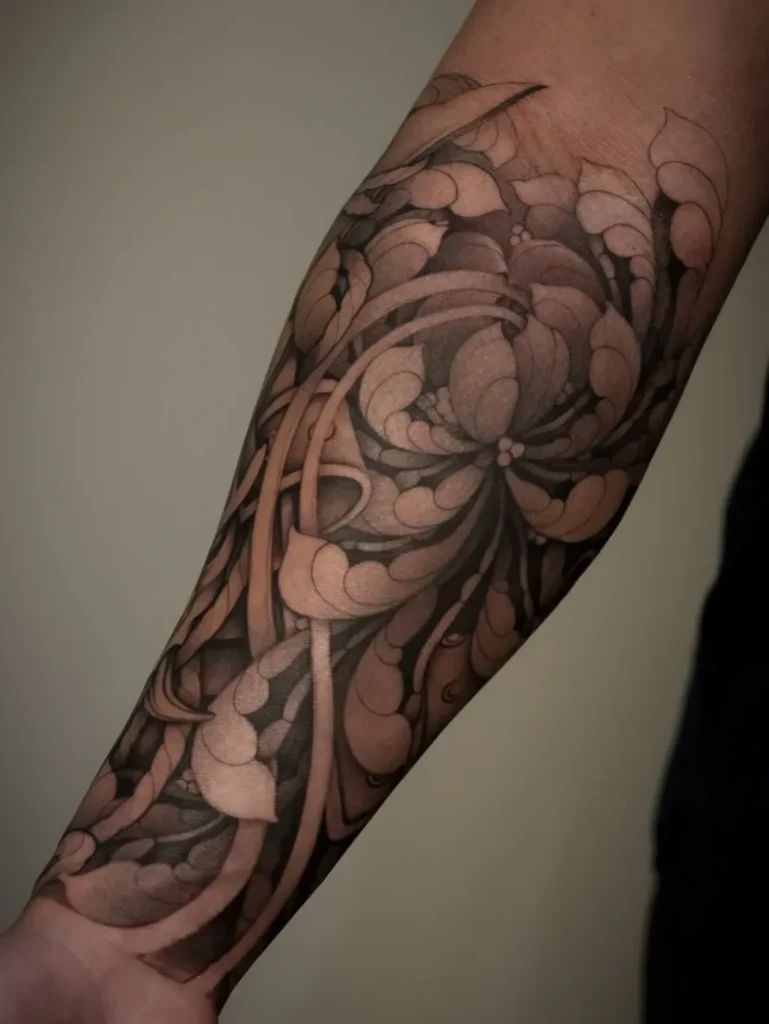
Ideal for smooth transitions in Realism, Dotwork, and Watercolor tattoo. The longer stroke allows the needle to deposit ink deeper into the dermis, creating softer gradients when paired with a low voltage (6–8V) and a round shader or mag needle. Example: For a smooth greywash, use a 4mm stroke at 7V with a 7RM needle.
Long Stroke Shading (4.5–5.5mm)
Used for heavy black shading or blending large areas. More aggressive ink delivery can cause overworking if not careful. Caveat: On sensitive clients or thin skin, a long stroke can lead to trauma and excessive scabbing. Always test on a practice pad first.
Color Packing Decisions
Short to Medium (4.0–5.0mm)
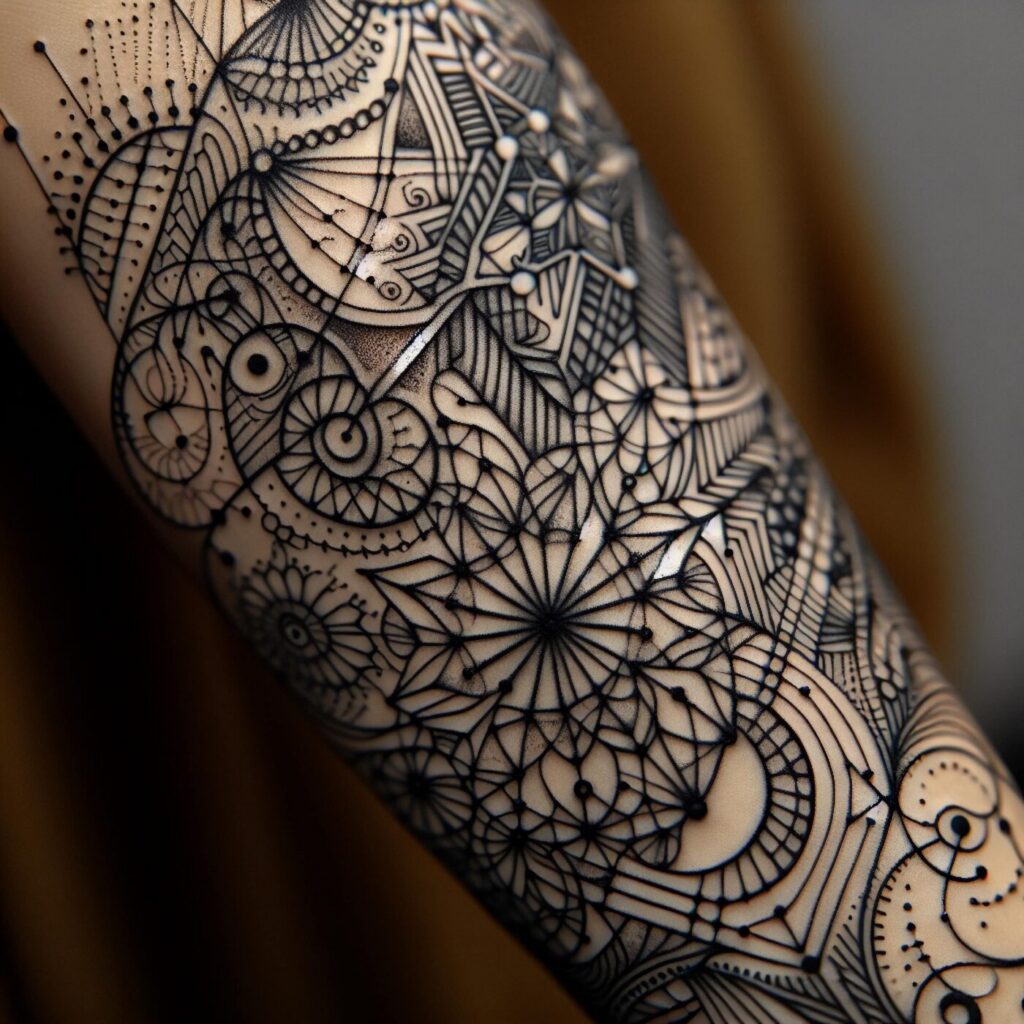
For solid color fill in styles like Neo-traditional or Ornamental. The stroke must be long enough to lay down a thick deposit without tearing the skin. Use a lower voltage (6–8V) and a round shader or magnum needle. Pro tip: Angled insertion helps pack color evenly.
Long Stroke Packing (5.0–6.0mm)
Rarely needed except for extremely large patches of dense ink (e.g., solid black tribal work). Can cause severe skin damage and should only be used by experienced artists. Decision table: For covering small areas, choose shorter; for large areas, gradually extend stroke but never exceed 5.5mm with standard needles.
Matching Machine to Task
Coil machines offer adjustable stroke via cam changes – common cams are 4mm (general), 3mm (lining), and 5mm (color packing). Rotary machines often have fixed strokes; research models that offer interchangeable cams or adjustable footpegs. Example: The Cheyenne Sol Terra has a fixed 3.5mm stroke, excellent for lining and shading but not for heavy color packing. For versatility, consider a hybrid like the Bishop Wand with user‑replaceable cams.
Internal links: For studio setups, check verified studio profiles or explore tattoo consultation tips.
Choosing the Right Stroke for Your Style
- Fine line, Minimal, Micro realism: 2.5–3.2mm stroke, high voltage, single-needle or small round liner
- Blackwork, Dotwork, Geometric: 3.0–4.0mm stroke, medium voltage, multiple needles for dot density
- Japanese traditional, Neo-traditional: 3.5–4.5mm stroke, varied voltage, use mags for shading
- Realism, Watercolor: 4.0–5.0mm stroke, low voltage, round shaders and soft magnums
- Color packing, Solid fill: 4.5–5.5mm stroke, low voltage, tight magnums or round shaders
Tips & Caveats
Always tune your machine before a session – the same stroke can behave differently with different needle matrices. Mistakes to avoid: using a long stroke for fine line (causes wobbly lines), using a short stroke for packing (incomplete fill), ignoring hand speed adjustments. Warning signs: If you see skin tearing, excessive ink spread, or the machine sounds labored, stop and re-evaluate your stroke length.
For more on machine tuning, visit our magazine or top gear rankings. If you’re looking for gear, check the tattoo marketplace for parts and machines.
FAQ
1. What stroke length is best for fine line tattoos?
2.5–3.2mm stroke paired with a single needle or small liner (e.g., 3rl). Use higher voltage (9–11V) to maintain needle penetration. Keep hand speed steady to avoid scratching.
2. Can I use a long stroke for lining?
Not recommended. Long strokes (over 4mm) cause excessive needle vibration and can lead to inconsistent lines and blowouts. Stick to short strokes for precision.
3. How do I adjust stroke length on a coil machine?
Most coil machines have adjustable cams – loosen the set screw, rotate the cam to the desired setting (typically marked), and retighten. Alternatively, adjust spring tension and contact screw. Test on a practice pad before use.
4. What stroke length works for micro realism?
Short stroke (2.5–3.0mm) with a single or double needle. Low hand speed and low voltage (7–8V) allow for fine detail and soft shading. Use a high‑quality rotary machine for best results.
Keep exploring Vietnam Tattoo
- Browse Ranking for notable studios by city, style, and intent.
- Search studios by city, verification level, and contact channel.
- View verified profiles to check approved and verified entries.
- Request a consultation if you need help choosing style, placement, or a suitable studio.
Content hub
Pro corner hub
Read more about needles, inks, machines, cartridges and safer professional practice.
Related reading
Continue reading
Tattoo Stencil Troubleshooting: Smudging, Transfer Gel, and Skin Prep – A Studio Workflow Guide
Master stencil application with this practical guide covering smudging causes, transfer gel selection, and a step-by-step skin prep…
The Pro’s Guide to Tattoo Ink Mixing: Greywash, Color Dilution & Safety Workflow
Master ink mixing for pros: greywash ratios, color dilution techniques, and a step-by-step safety workflow to prevent contamination…
Mastering Tattoo Needle Depth: Skin Layers, Blowout Prevention, and Clean Line Control – A Pro Guide for Apprentices
Master tattoo needle depth with this pro guide: understand skin layers, prevent blowout, and achieve clean lines. Essential…