
Tattoo Swelling by Body Placement: What’s Normal and When to Seek Help
Understanding Tattoo Swelling

Swelling after getting a tattoo is a normal inflammatory response. Your body’s immune system reacts to the trauma of needle punctures and the foreign pigments, leading to redness, warmth, and edema. However, the degree and duration of swelling can vary significantly depending on the body placement, the style of tattoo (e.g., fine line, blackwork, realism), and your individual healing capacity. This guide provides an evidence-aware look at what to expect and when to escalate care.
Why Swelling Occurs
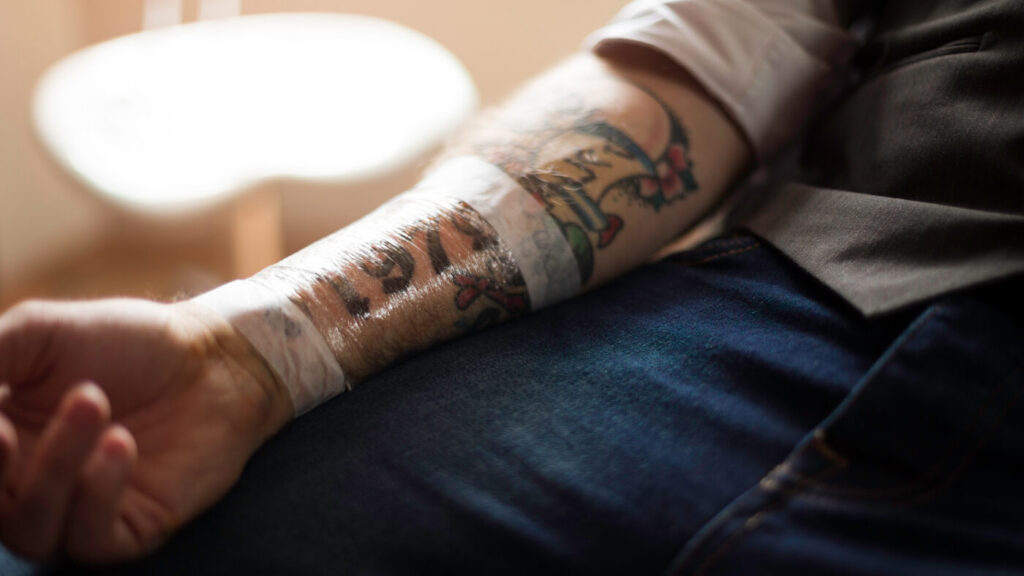
When the skin is tattooed, the dermis is repeatedly punctured, causing localized tissue damage. This triggers the release of histamines and other inflammatory mediators, which increase blood flow and capillary permeability. Fluid accumulates in the interstitial spaces, resulting in swelling. The inflammatory phase typically peaks within 24-72 hours and subsides gradually over the next week. Factors such as tattoo size, needle passes, and ink volume influence the extent of swelling.
Normal Swelling by Body Placement
Swelling is not uniform across the body. Areas with looser skin, more blood vessels, or proximity to lymph nodes may swell more. Below is a breakdown of common placements and expected swelling patterns.
Arms and Forearms
Forearms and upper arms generally experience mild to moderate swelling. The skin is relatively thin and mobile, allowing fluid to disperse. Fine line and lettering tattoos here may cause minimal swelling, while blackwork or Japanese traditional pieces with heavy saturation can lead to noticeable puffiness. Swelling usually resolves within 3-5 days.
Legs and Calves
Legs, especially calves and thighs, are prone to more swelling due to gravity and dependency. Blood and lymph fluid pool in the lower extremities, so expect swelling to be more pronounced and last longer—up to 7-10 days. Elevation and compression can help. Realism and micro realism tattoos on the calf may appear distorted while swollen, but this is temporary.
Back and Spine
The back has a rich vascular network and large surface area. Swelling after a full-back piece can be significant, often spreading beyond the tattoo borders. It may feel firm and warm. This is normal, but monitor for asymmetry or excessive pain. Geometric and ornamental designs with fine lines may cause less swelling than solid blackwork.
Ribs and Sternum
Rib and sternum tattoos are notorious for pain and swelling. The skin is thin, close to bone, and moves with breathing. Swelling can be moderate to severe and may cause a sensation of tightness. Dotwork and abstract tattoos here may have delayed swelling due to the delicate technique. Expect 5-7 days of discomfort.
Hands, Feet, and Ankles
These areas have poor circulation and thin skin. Swelling can be pronounced and last up to 2 weeks. Hands and feet are also more prone to infection due to frequent exposure. Watercolor and graphic tattoos may blur if swelling is severe. Keep the area clean and avoid tight footwear or gloves.
Neck and Face
Neck and face tattoos are highly visible and sensitive. Swelling can be dramatic, especially around the eyes and jawline. Lymph nodes may enlarge. This is usually normal but requires careful monitoring. Neo-traditional and tribal designs on the neck may cause significant edema. Seek advice if swelling compromises breathing or vision.
Torso and Stomach
Stomach and torso tattoos often swell moderately. The skin is elastic but sensitive. Swelling may fluctuate with meals and posture. Ornamental and lettering tattoos here may have less swelling than large realism pieces. Watch for increasing redness or pain.
Normal vs. Danger Signs
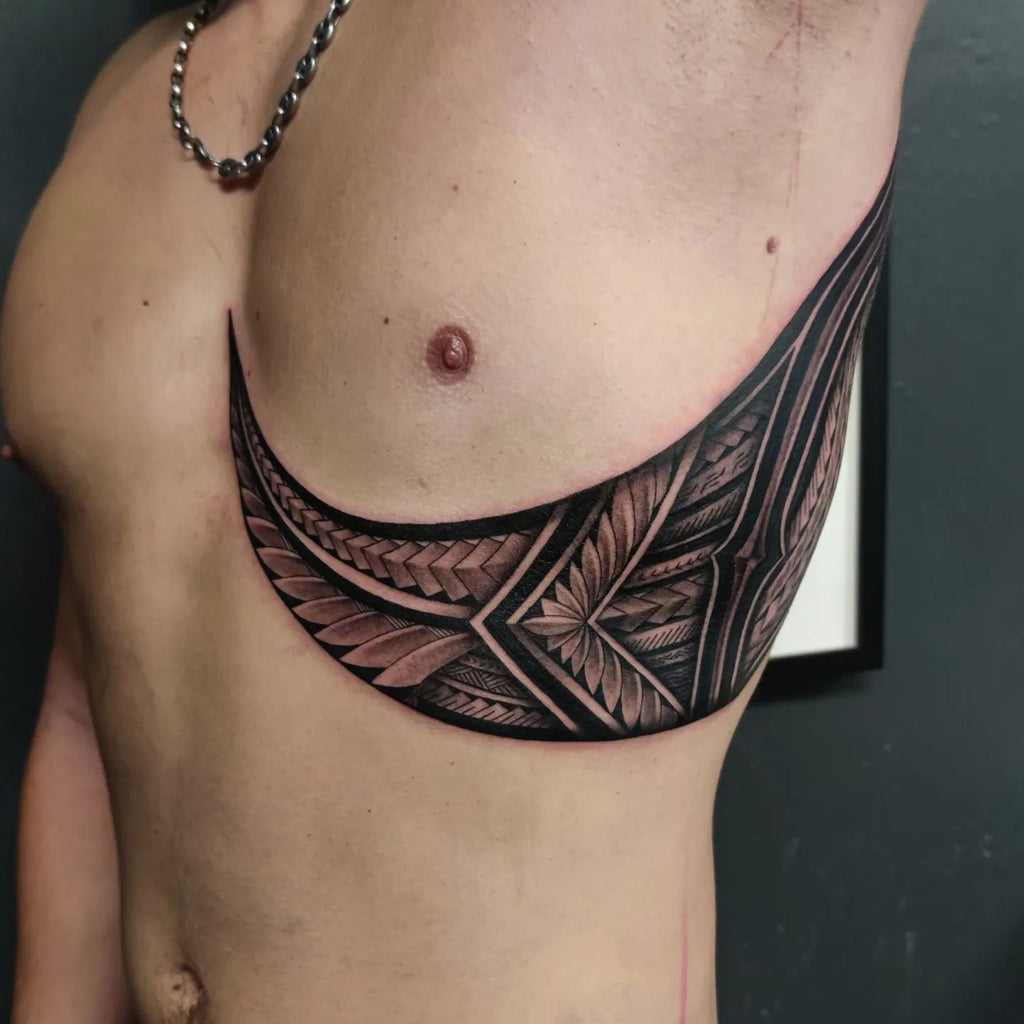
Distinguishing normal inflammation from infection or allergic reaction is crucial. Use the following checklist.
Normal Signs
- Mild to moderate swelling peaking at 48-72 hours.
- Redness and warmth confined to the tattoo area.
- Clear or slightly tinted plasma weeping for 1-3 days.
- Swelling gradually decreases after day 3.
- Mild itching and flaking during healing.
Danger Signs
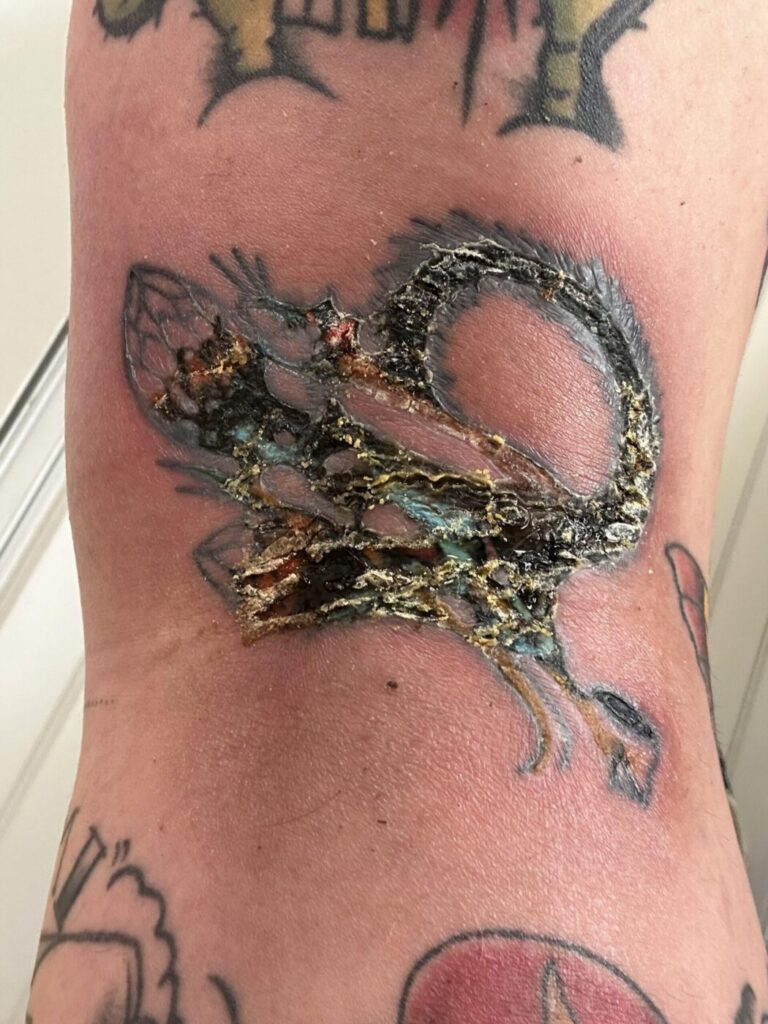
- Swelling that worsens after day 3 or spreads beyond the tattoo.
- Severe pain that increases rather than subsides.
- Pus, foul odor, or yellow/green discharge.
- Fever, chills, or swollen lymph nodes.
- Red streaks radiating from the tattoo (lymphangitis).
- Difficulty breathing, chest pain, or swelling of lips/tongue (anaphylaxis).
- Blistering or peeling skin beyond normal flaking.
If you notice any danger signs, contact a healthcare professional immediately. Do not apply additional ointments or attempt to drain fluid.
Placement-Specific Escalation Advice
Some placements warrant earlier intervention due to proximity to vital structures or higher infection risk.
Hands and Feet
Because of high bacterial exposure, any increase in redness or pain after day 3 should be evaluated. If swelling prevents finger movement or you see pus, seek medical care.
Neck and Face
Swelling that affects breathing, swallowing, or vision is an emergency. Go to the nearest emergency department. Even without these, if swelling is asymmetric or accompanied by fever, see a doctor.
Ribs and Sternum
If swelling causes severe pain with breathing or you develop a fever, rule out pleurisy or infection. Consult a physician.
Legs and Calves
Unilateral swelling with pain, warmth, and redness could indicate deep vein thrombosis (DVT). This is a medical emergency. Seek immediate care.
Aftercare Practices to Manage Swelling
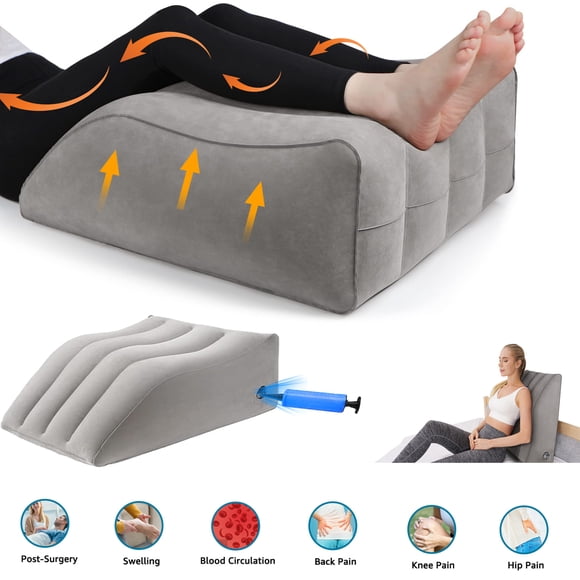
Proper aftercare can reduce swelling and promote healing. Always follow your artist’s instructions and consult a healthcare provider for personalized advice.
- Elevate the tattooed area above heart level when possible.
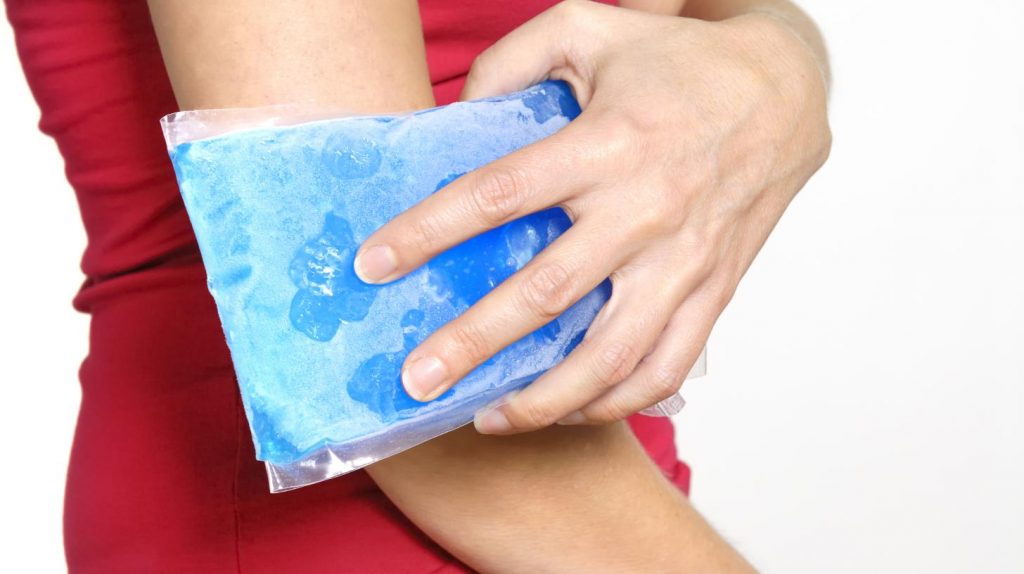
- Apply cold compresses (wrapped in a clean cloth) for 15-20 minutes every few hours during the first 48 hours.
- Avoid alcohol, caffeine, and salty foods which can exacerbate swelling.
- Stay hydrated and eat anti-inflammatory foods.
- Do not soak the tattoo in water (no baths, pools, or saunas).
- Keep the area clean with mild, fragrance-free soap.
- Use a thin layer of recommended ointment or lotion.
- Wear loose clothing to avoid friction.
For more detailed aftercare, see our magazine articles and consultation services.
Booking and Safety Questions
Before getting a tattoo, especially in high-risk placements, ask your artist these questions:
- What is your experience with this placement and style (e.g., fine line, blackwork, realism)?
- What aftercare protocol do you recommend for swelling?
- What signs should prompt me to seek medical help?
- Do you have a portfolio of healed tattoos in this placement?
- Are you licensed and trained in bloodborne pathogen safety?
Choosing a reputable studio is paramount. Check our verified studios and rankings for trusted artists. For cost estimates, use our tattoo price estimator.
When to Seek Help: A Quick Guide
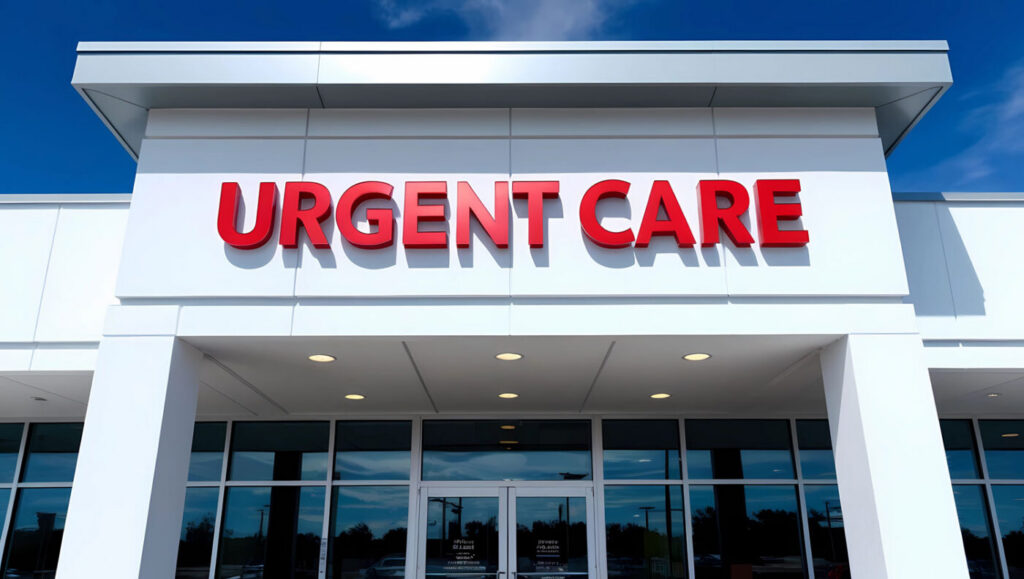
Use this flow to decide:
- Swelling peaks by day 3 and improves: normal, continue aftercare.
- Swelling worsens after day 3 or spreads: contact a doctor.
- Fever, chills, or pus: urgent care.
- Breathing difficulty, chest pain, or facial swelling: emergency.
Remember, this article is for informational purposes only and does not replace professional medical advice. Always consult a qualified healthcare provider for any concerns.
FAQ
How long does swelling last after a tattoo?
Swelling typically peaks at 48-72 hours and subsides within 5-7 days, though placements like hands, feet, and legs may take up to 2 weeks.
Can I take anti-inflammatory medication for tattoo swelling?
Some artists advise against NSAIDs as they may affect ink retention, but this is debated. Consult your doctor before taking any medication.
Is it normal for swelling to spread beyond the tattoo?
Mild spreading is common, but significant spreading with redness, warmth, or pain may indicate infection and should be evaluated.
What should I do if I think my tattoo is infected?
Contact a healthcare professional immediately. Do not try to treat it yourself with antibiotics or home remedies.
Read more
- Magazine for more tattoo knowledge, style guides and aftercare notes.
- Request a consultation if you need help with style, placement or preparation.
- Marketplace for equipment, supplies and learning resources.
Content hub
Tattoo aftercare pillar
This article belongs to the aftercare cluster. Open the pillar page for the healing timeline, cleaning routine, moisturizing basics and warning signs.
Related reading
Continue reading
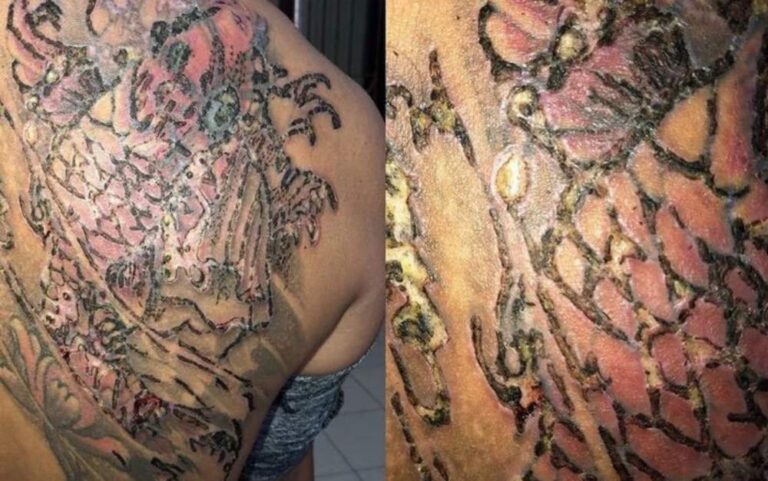
Tattoo Touch-Up Guide: When Color Settles, When to Wait, and When to Ask
Learn when to wait, when to ask, and what to expect from a tattoo touch-up. A practical guide…

The Complete Tattoo Consultation Checklist: What You Must Know Before Booking a Custom Design
A complete guide to your first tattoo consultation: from idea brief and references to skin check, placement, pain,…
How to Choose a Safe Tattoo Studio in Vietnam
A practical guide for first-time clients comparing hygiene, portfolio quality, consultation and pricing before booking a tattoo studio…