Dotwork Tattoo & Stippling: Mastering Shading Density and Texture Control
Dotwork tattooing, also known as stippling, is a technique that creates shading and texture using thousands of tiny dots. Unlike traditional shading with smooth gradients, dotwork builds tone through the density and size of individual dots. This guide covers the essentials: how density controls darkness, how dot size affects texture, how the healed result softens, and where placement matters. Whether you’re considering a geometric, abstract, or blackwork piece, understanding these principles ensures a premium outcome.
What Is Dotwork and Stippling?
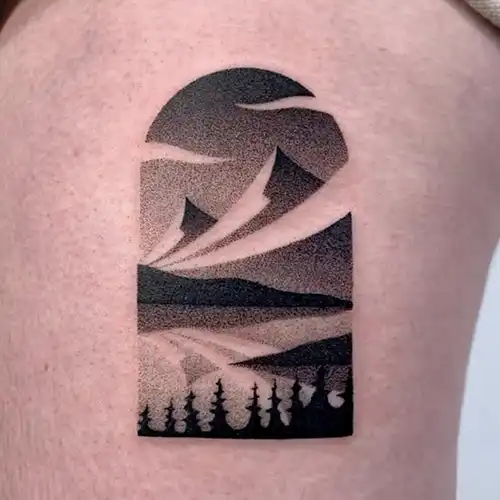
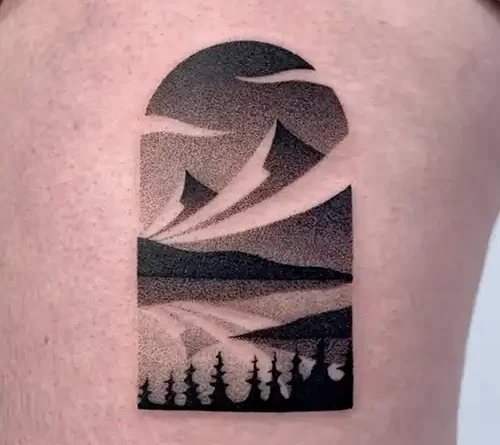
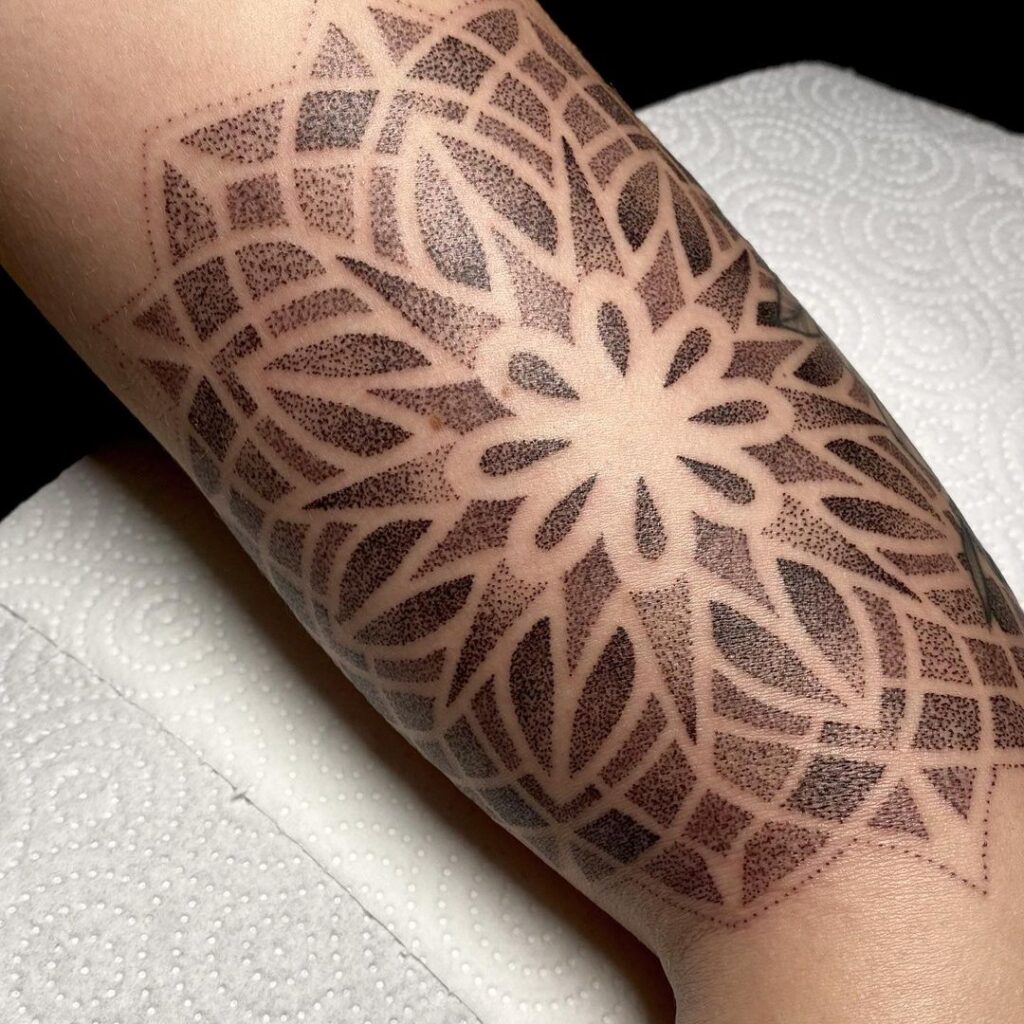
Dotwork is a tattoo style where the artist deposits pigment in a series of dots rather than pulling continuous lines or shading with a solid fill. Stippling is the process of creating these dots. The technique originates from fine art drawing, where artists use pen and ink to build tone. In tattooing, dotwork allows for subtle gradients, ethereal textures, and a unique ‘soft’ look that heals differently from solid blackwork.
Key terms explained simply:
- Dot density: The number of dots per square centimeter. Higher density = darker tone.
- Dot size: The diameter of each dot, controlled by needle configuration and depth.
- Texture: The visual and tactile surface quality created by dot spacing and size variation.
Shading Density: How Many Dots Make a Tone?
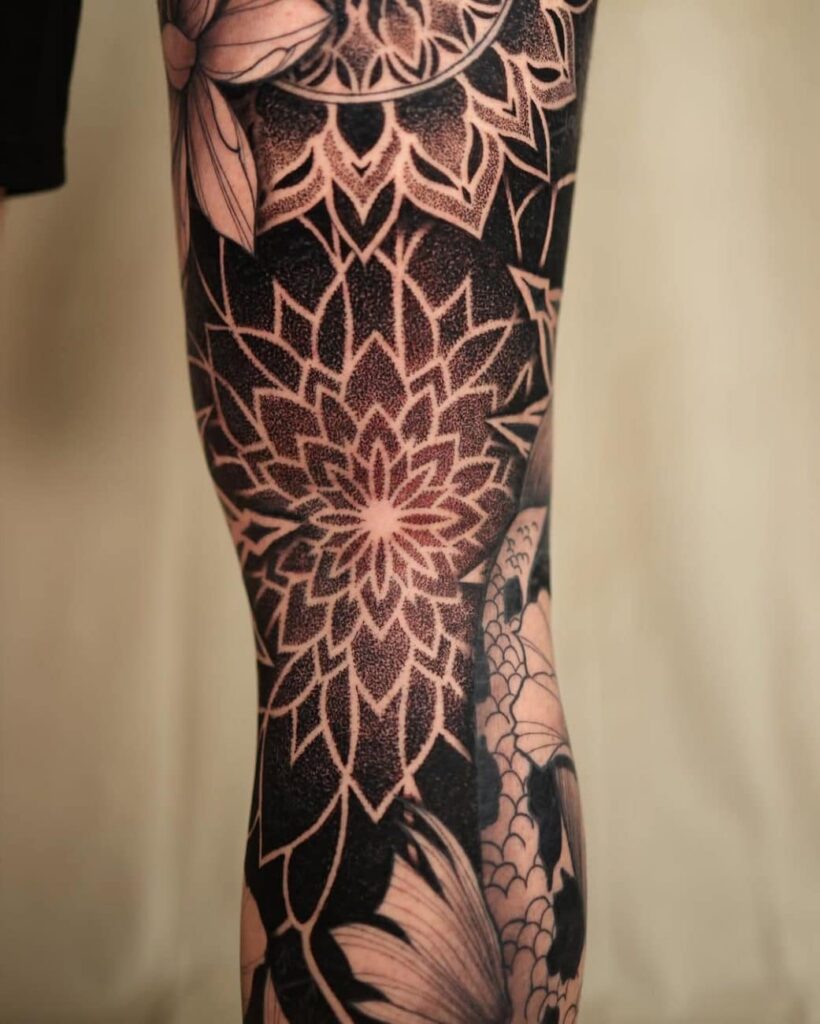
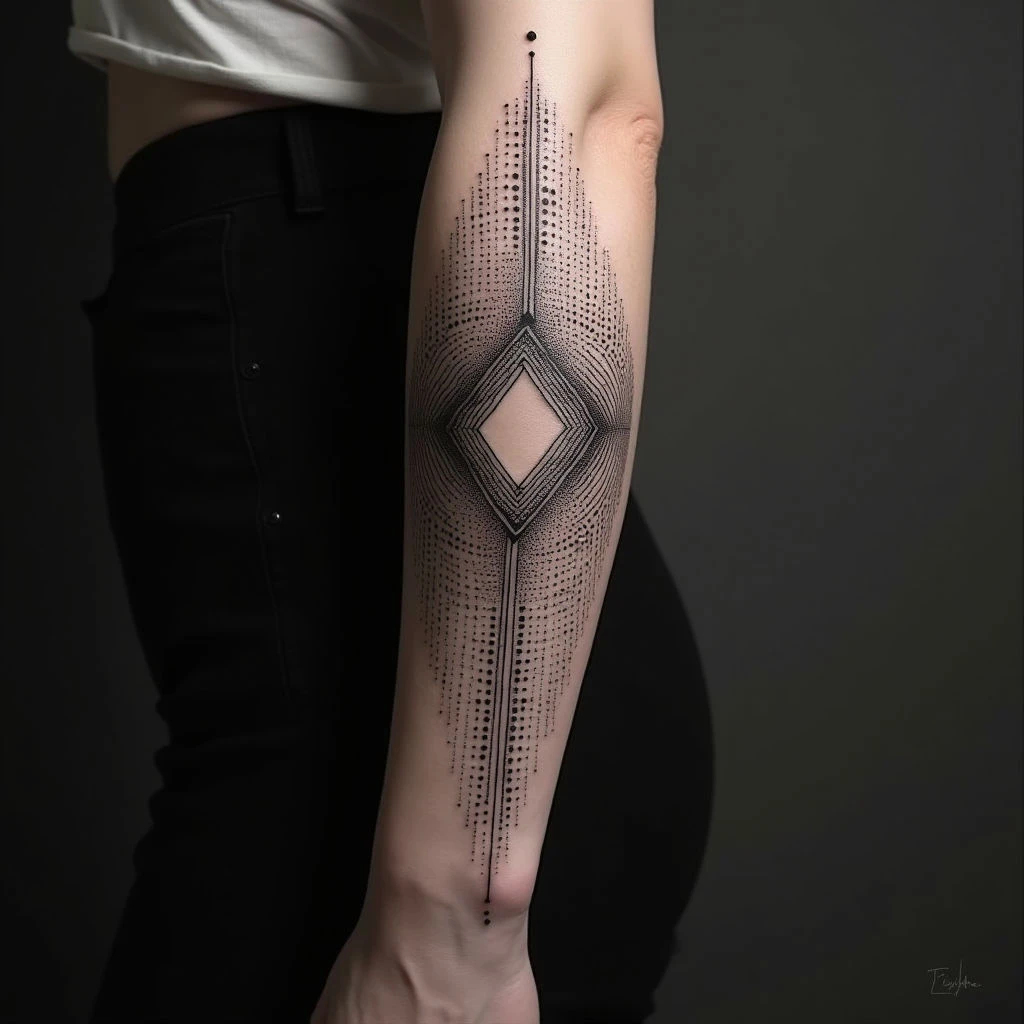
Density is the primary control for value in dotwork. A low density of widely spaced dots creates a light gray, while tightly packed dots approach black. Artists use a ‘dot map’ or layering passes to build density gradually.
Practical Steps to Check Density
- Ask to see the artist’s healed dotwork portfolio. Look for smooth gradients without harsh lines.
- During the session, watch the artist’s technique: they should use consistent needle depth and angle.
- After healing, examine the tattoo in natural light. Even density means no patchy areas.
Caveat: Too much density too quickly can cause blowouts or scarring. A skilled artist will layer passes over multiple sessions for large dark areas.
Dot Size and Texture Control
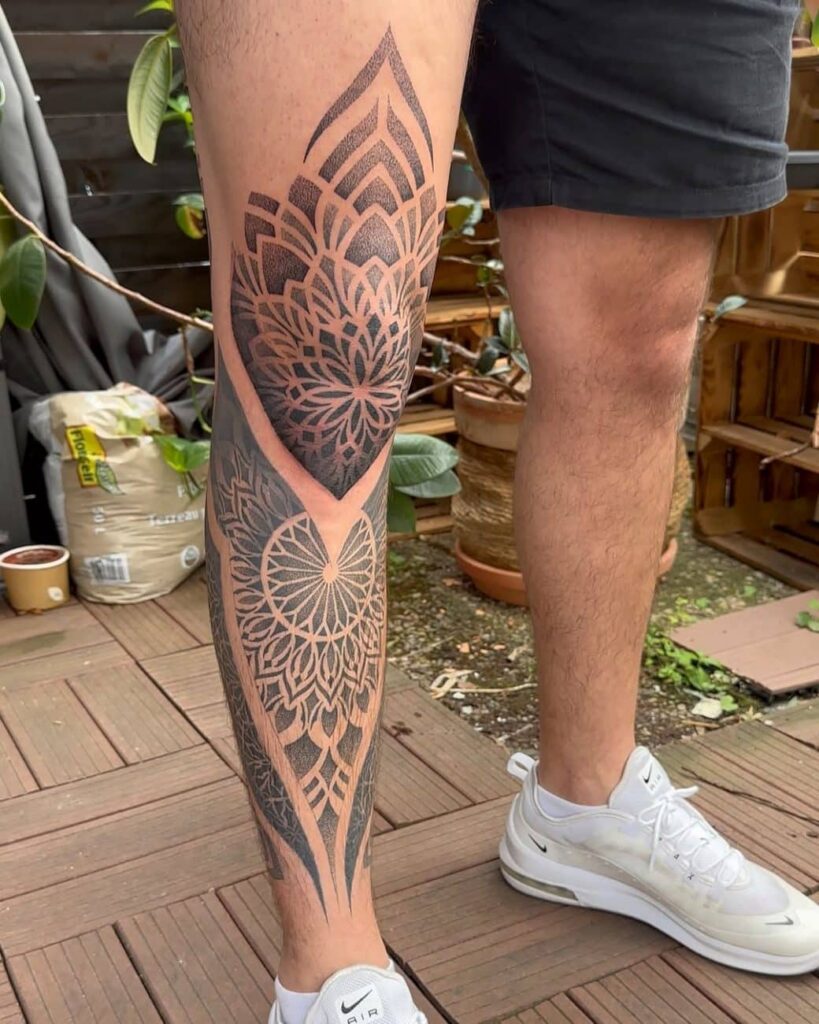
Dot size influences texture. Small dots (e.g., single needle) produce fine, smooth shading ideal for realism or soft transitions. Larger dots (e.g., 3RL or 5RL) create a more pronounced, gritty texture suitable for bold geometric or tribal designs.
Texture checklist:
- Desired texture: smooth (small dots) vs. rough (large dots)
- Design style: realism prefers small dots; ornamental benefits from larger dots
- Skin area: thin skin (inner arm) can take smaller dots; thick skin (outer arm) can handle larger dots
Healed Softness: How Dotwork Ages
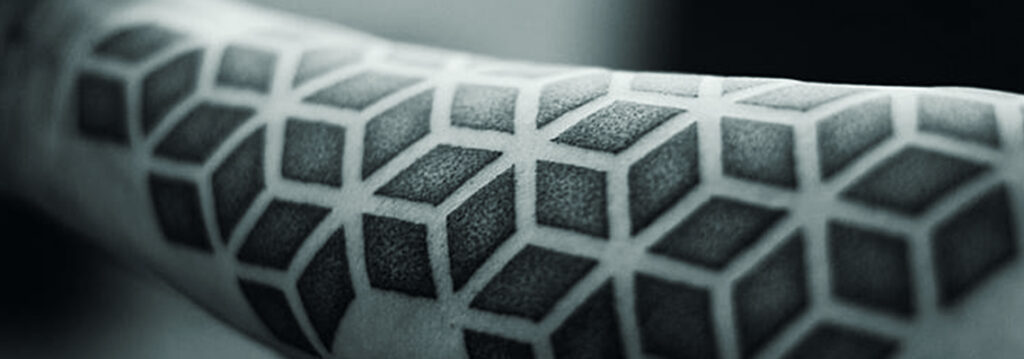
One of the biggest appeals of dotwork is how it heals. Over time, dots spread slightly under the skin, creating a softer, more blended appearance. This is different from solid black, which can become muddy. The ‘bloom’ effect gives dotwork a living quality.
What to expect:
- Immediately after: dots appear sharp and dark.
- After 2-4 weeks: scabbing and peeling may lighten the dots temporarily.
- After 3-6 months: dots settle and soften, achieving final tone.
- Years later: dotwork often holds better than solid black because the ink is deposited in small pockets, reducing migration.
Caveat: Overexposure to sun can blur dots faster. Use SPF 50+ on healed tattoos.
Placement Considerations for Dotwork
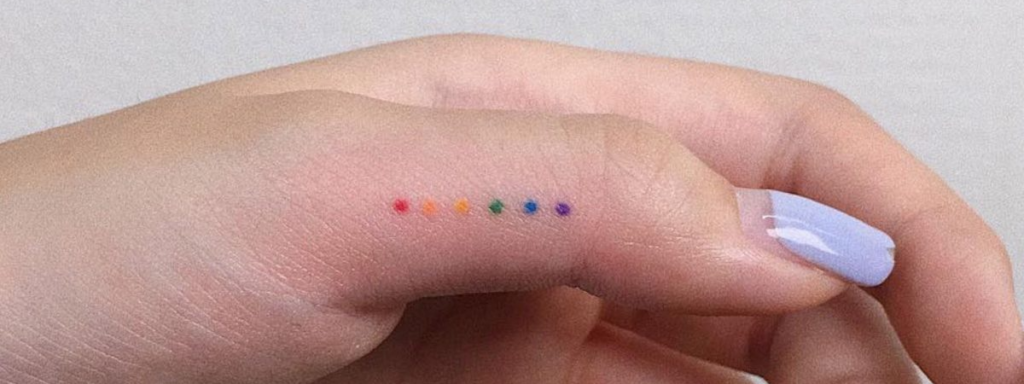
Placement affects how dotwork is perceived and how it ages. High-movement areas (hands, feet, joints) may cause dots to spread more. Flat, stable areas (shoulder, back, thigh) are ideal for precise dotwork.
Best placements for dotwork:
- Forearm: good for geometric patterns
- Ribs: challenging due to thin skin, but stunning for abstract designs
- Upper back: large canvas for dense dotwork
- Ankle: delicate, but requires small dots
Comparison: Dotwork vs. Traditional Shading
| Aspect | Dotwork/Stippling | Traditional Shading |
|---|---|---|
| Texture | Grainy, organic | Smooth, solid |
| Healing | Softens over time | Can become muddy |
| Detail | Excellent for gradients | Better for bold contrasts |
| Pain | Less intense per dot | More intense for fills |
| Time | Longer (many passes) | Shorter (fewer passes) |
Decision Guide: Is Dotwork Right for You?
Consider dotwork if you want a tattoo that ages gracefully, has a unique texture, and allows for subtle shading. Avoid dotwork if you need very dark, solid blacks or if you have sensitive skin prone to keloids.
Checklist Before Booking
- ☐ Artist specializes in dotwork (check healed photos)
- ☐ Design uses dot density for shading, not just outlines
- ☐ You understand the longer session time
- ☐ Placement is on a stable body area
FAQ – Dotwork Tattoo and Stippling
1. Does dotwork hurt more than regular tattooing?
Dotwork can feel less painful because each dot is a brief sting rather than a continuous scratch. However, multiple passes over the same area increase discomfort.
2. How long does a dotwork tattoo take?
It takes longer because the artist builds tone dot by dot. A small palm-sized piece may take 2-4 hours; larger pieces can require multiple sessions.
3. Can dotwork be combined with other styles?
Yes. Dotwork complements Geometric, Abstract, Blackwork, and even Watercolor (as a textural base). Many artists blend dotwork with fine line for contrast.
4. Will my dotwork tattoo fade faster?
No. Dotwork often lasts longer than solid black because the ink is deposited in small pockets, reducing migration. Proper aftercare and sun protection are still essential.
For more inspiration, browse our styles and inspiration section, or check tattoo consultation guides to prepare for your session. If you’re looking for a verified dotwork specialist, visit our verified studios directory.
Read more
- Magazine for more tattoo knowledge, style guides and aftercare notes.
- Request a consultation if you need help with style, placement or preparation.
- Marketplace for equipment, supplies and learning resources.
Content hub
Tattoo styles pillar
This article belongs to the styles cluster. Open the pillar page to compare Irezumi, Old School, Realistic, Blackwork, Fine line, Geometric and Watercolor.
Related reading
Continue reading
Lettering Tattoo Healed Portfolio Review: Kerning, Baseline & Placement Distortion
A specialist healed-portfolio review guide for Lettering tattoos, focused on kerning, baseline control and placement distortion. Includes concrete…
Lettering Tattoo Placement: A Specialist Guide to Kerning, Baseline Control, and Body-Flow Distortion
A specialist guide to lettering tattoos focusing on kerning, baseline control, and placement distortion. Learn how to plan…
Lettering Tattoo Design Consultation Checklist: Kerning, Baselines, and Placement Distortion
A specialist consultation checklist for lettering tattoos covering kerning, baseline control, and placement distortion. Includes practical tests, booking…