Realism Tattoo Hanoi: The Complete Guide to Reference Preparation and Healed Portfolio Review
Introduction: Why Reference and Healed Results Matter in Realism Tattoos
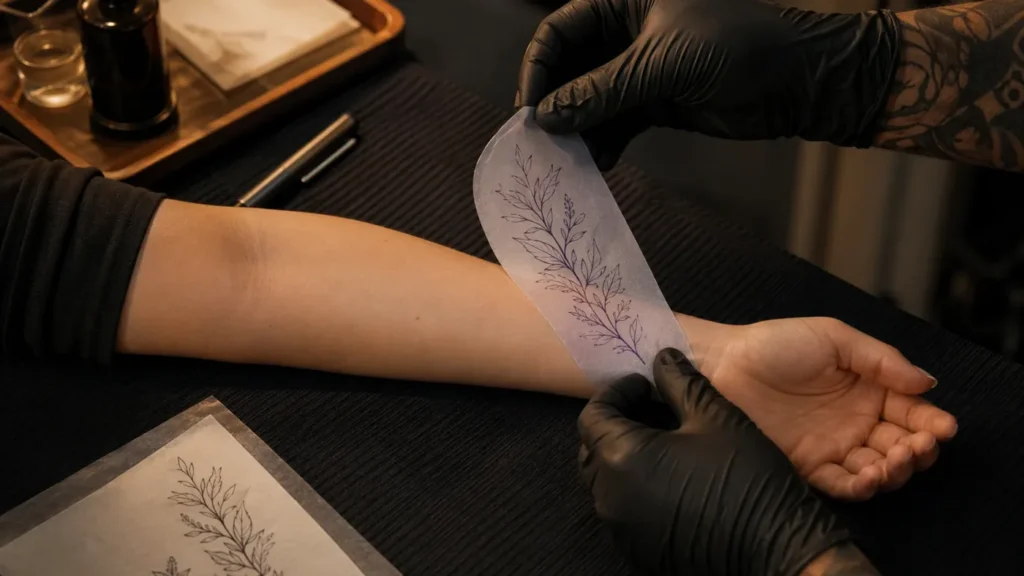
Getting a realism tattoo in Hanoi is an investment of time, money, and skin. Unlike other styles, realism relies on tonal depth, smooth shading, and precise proportions. The outcome depends heavily on two factors: the quality of your reference images and the artist’s proven ability to deliver healed results that match the fresh look.
In this guide, we walk you through how to prepare reference materials correctly and how to evaluate an artist’s healed portfolio—specifically for realism tattoo seekers in Hanoi. Whether you’re booking at a studio in the Old Quarter or a private shop in Tay Ho, these steps apply universally.
If you’re new to the scene, explore our consultation resources or check local studios to start your search.
Step 1: Reference Preparation for Realism Tattoos
Why the Right Reference Makes or Breaks a Realism Tattoo
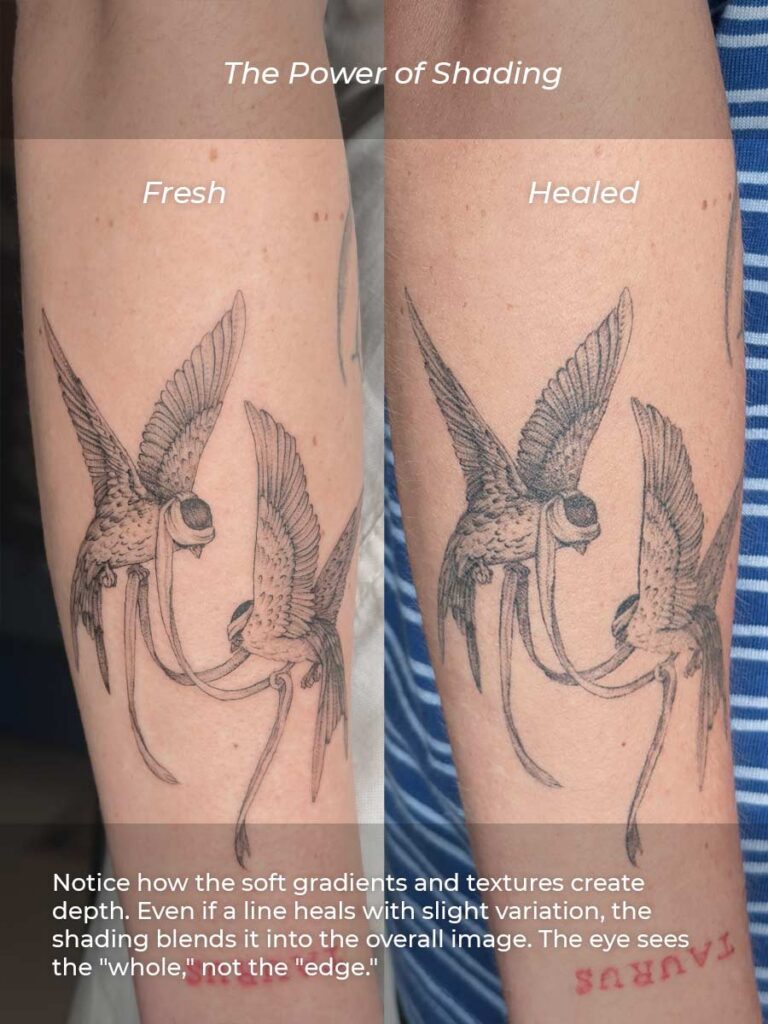
A realism tattoo is essentially a photograph rendered on skin. The artist transfers light, shadow, and texture from your reference. A blurry, low-contrast, or poorly lit image forces the artist to guess details, often leading to a muddy or flat result.
Checklist for a Good Reference Image
- High resolution – at least 300 DPI; avoid pixelated images.
- Good contrast – clear separation between highlights and shadows.
- Even lighting – no harsh flash or deep silhouettes unless intentional.
- Straight-on angle – perspective distortions complicate the stencil.
- Sharp subject – especially eyes, fur, or skin textures.
Types of References: Photo, Composite, or Original Art
Most realism tattoos use a single high-quality photo. Some artists work with composites (e.g., combining a lion’s face with a different background) or original illustrations. Always ask your artist what they prefer.
Caveat: Avoid images that are heavily filtered or saturated. The tattoo will age differently than the digital version. Also, respect copyright—use personal photos or royalty-free stock.
What to Bring to Your Consultation
- 2–3 printed copies of your reference (including one with crop marks).
- Your own healed tattoo photos (if you have previous work).
- A list of questions about placement, size, and color vs. black and grey.
Step 2: Evaluating Healed Portfolios – The Real Test of a Realism Artist
Fresh vs. Healed – Why You Must See Both
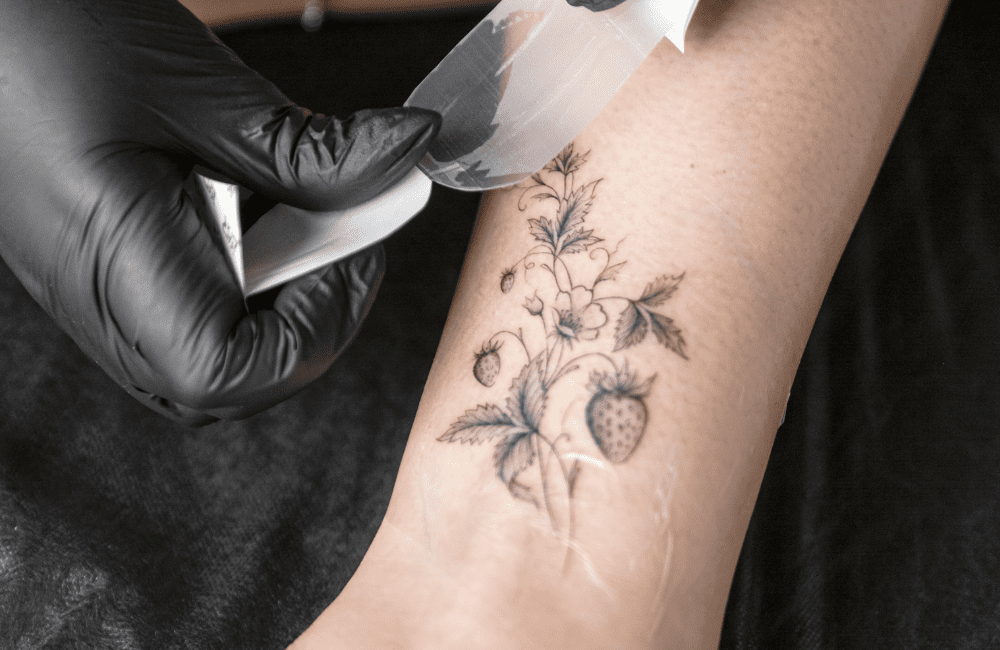
Many portfolios show only fresh tattoos. But realism tattoos often lose contrast and detail during healing. A skilled artist designs for longevity: proper depth, saturation, and contrast so that the tattoo remains recognizable years later.
What to Look for in Healed Portfolio Photos
- Consistent shading – no blowouts or patchy grey areas.
- Crisp edges – lines should not expand (skin spread) disproportionately.
- Retained highlights – skin tones should still show light areas (unless healed very dark).
- No distortion – the subject should not look warped on curved body parts.
How to Request Healed Photos
Politely ask the artist for healed photos of tattoos that are at least 6–12 months old. Many artists post them on Instagram or in a separate portfolio album. If they hesitate, that’s a red flag.
Also, visit verified studio profiles on our site to see client feedback and healed results.
Comparing Artists: A Decision Matrix
Create a mental scorecard: reference quality (1–5), healed contrast (1–5), healed cleanliness (1–5), client reviews (1–5). Prioritize the artist who scores highest on healed contrast and cleanliness, not just fresh Instagram likes.
Step 3: Common Mistakes and How to Avoid Them in Hanoi
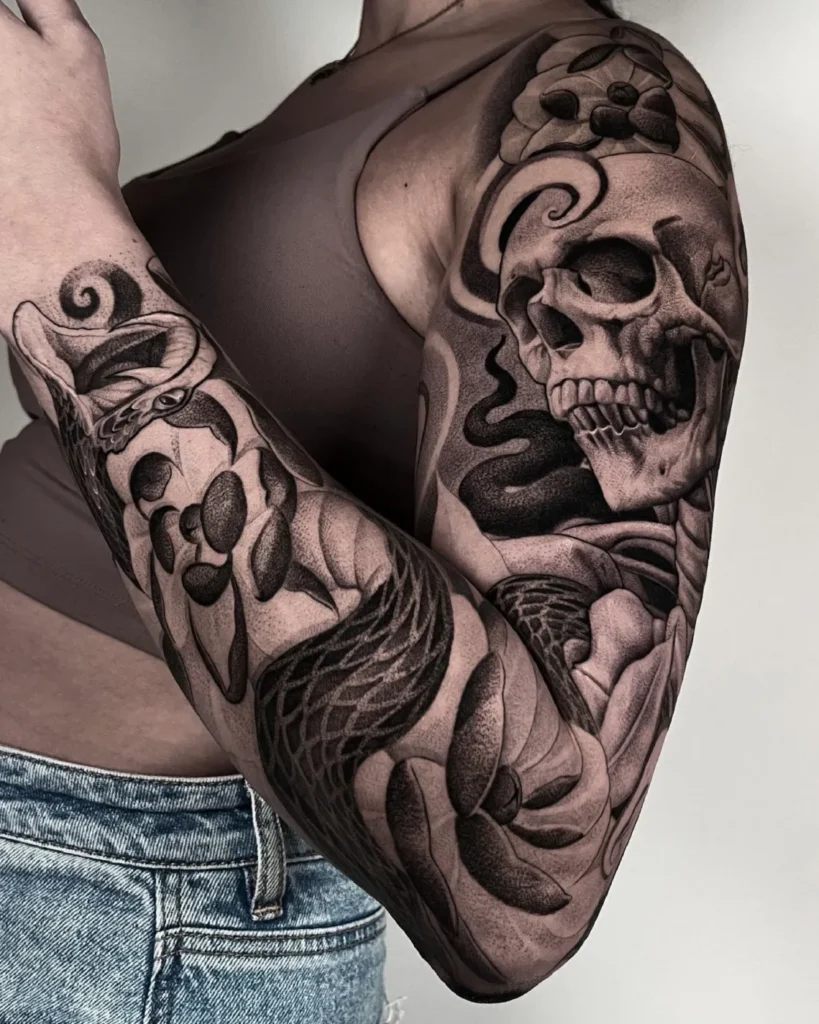
- Choosing a reference that doesn’t match the artist’s style. If an artist specializes in black and grey, don’t bring a color reference expecting similar results.
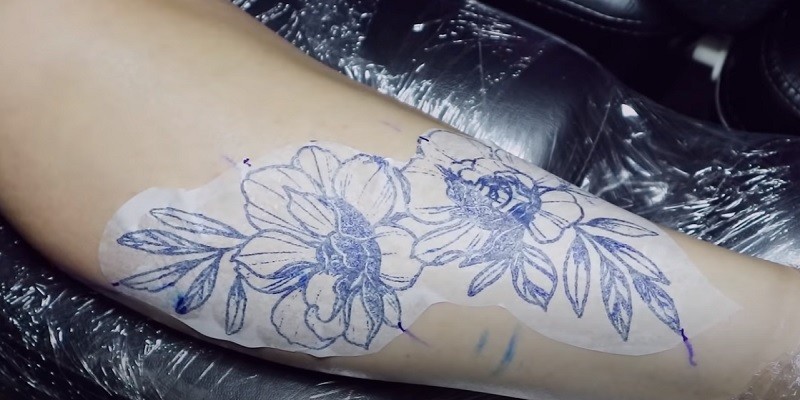
- Ignoring the body placement. A realism portrait might look perfect on a flat chest but distorted on a curved forearm. Ask for a stencil preview and live with it for a day.
- Skipping the healed portfolio review. A studio that shows only fresh work may not have confidence in their longevity.
- Relying on social media filters. Unfollow artists who heavily edit their tattoo photos. Real skin has texture and imperfections.
FAQ – Realism Tattoos in Hanoi
1. How can I find realism tattoo artists in Hanoi?
Start by searching our studio directory or social media hashtags like #realismtattoohanoi. Attend local tattoo conventions or visit our magazine for artist features.
2. What is the best size for a realism tattoo?
Realism needs space. For a detailed portrait, at least 10–15 cm is recommended. Smaller than that risks losing detail over time. Discuss with your artist during consultation.
3. Do realism tattoos cost more than other styles?
Generally, yes. Realism requires more time, skill, and expensive equipment. Prices vary; check marketplace listings for typical rates. Always ask for an itemized quote.
4. How long does a realism tattoo session take?
From 2 to 8+ hours depending on size and detail. Complex pieces may need multiple sessions. Beware of artists who rush; quality realism is slow.
Conclusion: Book with Confidence
Preparing a strong reference and reviewing healed portfolios are the two most critical steps before getting a realism tattoo in Hanoi. Don’t let flashy Instagram feeds fool you—demand proof of lasting quality. Use this guide as your checklist, and visit verified studios for trusted options.
Keep exploring Vietnam Tattoo
- Browse Ranking for notable studios by city, style, and intent.
- Search studios by city, verification level, and contact channel.
- View verified profiles to check approved and verified entries.
- Request a consultation if you need help choosing style, placement, or a suitable studio.
Content hub
Trusted studio pillar
This article belongs to the studio cluster. Open the pillar page for hygiene standards, healed portfolio checks, Verified signals and how to choose a studio.
Related reading
Continue reading
Black and Grey Tattoo Hanoi: Shading Quality & Consultation Checklist
Hanoi's black and grey tattoo scene rewards careful research. This article breaks down shading quality and a consultation…
Fine Line Tattoo in Hanoi: How to Check Portfolios & Evaluate Healed Results
Learn how to evaluate fine line tattoo portfolios in Hanoi, check healed results, and avoid common mistakes. Expert…
How to Choose a Fine Line Tattoo Studio in Hanoi: A Practical Guide for Clients
Learn how to choose a fine line tattoo studio in Hanoi: hygiene checks, portfolio evaluation, consultation tips, and…