Trash Polka vs. Sketchwork Tattoo: Controlled Chaos and Contrast
In the world of tattoo art, few styles embody raw energy and deliberate disorder like Trash Polka and Sketchwork. Both thrive on contrast—chaotic yet controlled, bold yet nuanced. For collectors seeking a statement piece that breaks traditional boundaries, understanding the nuances of these styles is essential. This guide dissects their origins, visual language, application, and what you need to prepare before committing to either.
What Is Trash Polka?
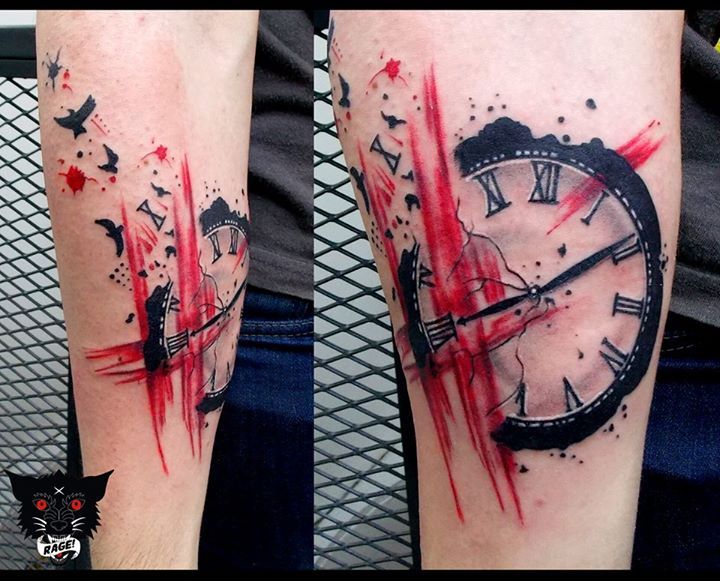
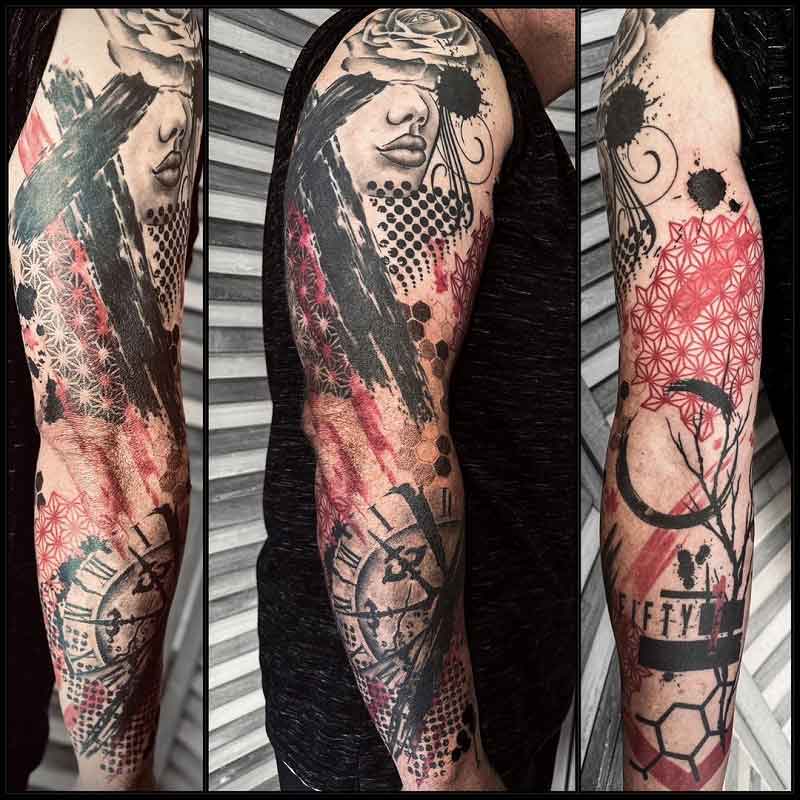
Trash Polka was born in Germany in the late 1990s, pioneered by artists Volker Merschky and Simone Pfaff. It combines realistic imagery with graphic, often chaotic elements: a bold red and black color palette, photorealistic portraits or objects, and abstract typography or brushstrokes. The style is intentionally messy—layered, collaged, and seemingly random—but every element serves a purpose. It’s a visual representation of controlled chaos.
Key Characteristics of Trash Polka
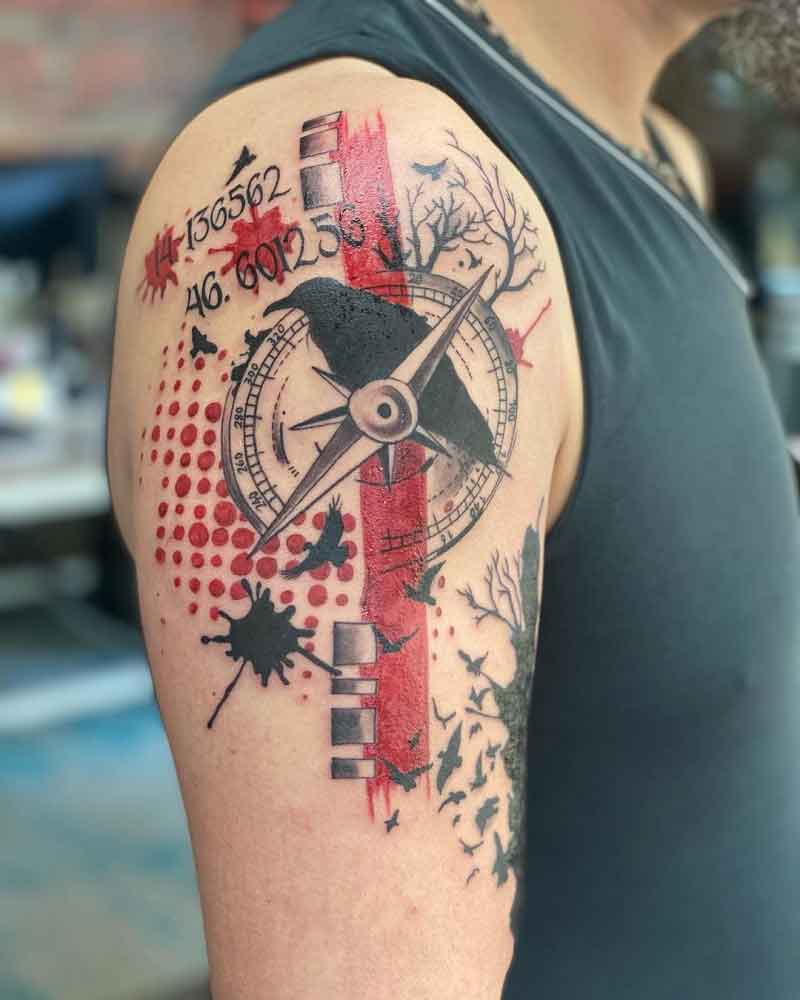
- Color palette: Almost exclusively red and black, sometimes with gray or white highlights. Rarely other colors.
- Imagery: Realistic subjects (faces, animals, machinery) combined with abstract strokes, dots, and text.
- Composition: Collage-like, with overlapping elements, negative space, and a sense of movement.
- Technique: Heavy use of stippling, linework, and brushstroke effects. Often large-scale.
When Does Trash Polka Work?
Trash Polka thrives on large canvas areas—thighs, backs, chests, full sleeves. The style demands space to let the chaos breathe. It works best for clients who want a bold, confrontational piece that sparks conversation. It’s not for subtlety. Ideal for those with a strong personal narrative, as the collage elements can incorporate meaningful symbols, dates, or phrases.
What Clients Should Prepare for Trash Polka
- Research artists: Not every artist can execute Trash Polka. Seek specialists with a portfolio of this exact style. Check for crisp linework, balanced composition, and consistent red/black application.
- Design consultation: Be ready to share reference images, personal symbols, and a clear idea of placement. The artist will create a unique collage—expect multiple revisions.
- Pain level: Large areas and heavy saturation mean longer sessions. Prepare for 4-8 hour sittings, especially for shading and color packing.
- Healing: Red ink can be prone to fading or reaction. Follow aftercare strictly: no sun exposure, gentle washing, and moisturizing. Touch-ups may be needed.
- Cost: Premium pricing due to complexity and artist specialization. Expect $200-$400 per hour or a flat project fee.
What Is Sketchwork Tattoo?
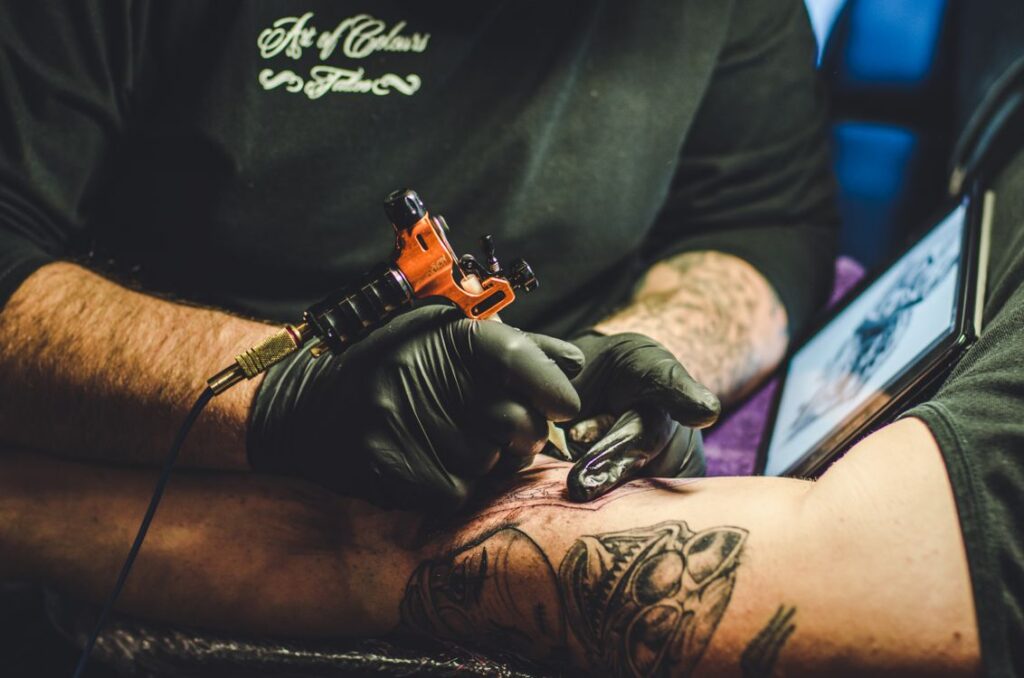
Sketchwork tattoo emulates the look of a hand-drawn sketch—loose, expressive lines, shading via hatching or crosshatching, and an unfinished aesthetic. It often uses black and gray, sometimes with subtle color accents. The style feels raw and artistic, like a page torn from an illustrator’s notebook.
Key Characteristics of Sketchwork
- Linework: Uneven, varying line weight; visible construction lines; intentionally messy.
- Shading: Hatching, crosshatching, stippling—no smooth gradients. Mimics pencil or pen.
- Imagery: Portraits, animals, objects, often with a dark or moody vibe. Can incorporate text or mechanical elements.
- Color: Mostly black and gray; occasional red, blue, or watercolor splashes for contrast.
When Does Sketchwork Work?
Sketchwork is versatile in size but shines on medium to large areas: forearms, calves, shoulders, ribs. It suits clients who appreciate an artistic, hand-drawn look and want a tattoo that feels personal and unique. The style can be adapted to many subjects, from portraits to surrealism.
What Clients Should Prepare for Sketchwork
- Artist portfolio: Look for consistent sketch-like quality, not just messy lines. Good sketchwork requires control to appear uncontrolled.
- Design process: The artist will likely draw the design by hand or digitally to mimic sketch strokes. Provide clear reference photos and discuss the mood you want.
- Healing nuances: Fine lines and hatching can blur over time. Ensure the artist uses a needle grouping that holds detail. Expect some spread after years—choose bold enough lines.
- Touch-ups: Hatching may require touch-ups as ink settles. Plan a follow-up appointment 6-8 weeks after healing.
- Cost: Varies by artist; typically $150-$300 per hour. Complex pieces may require multiple sessions.
Trash Polka vs. Sketchwork: Decision Framework
Both styles celebrate controlled chaos, but they diverge in execution and impact. Use this checklist to decide:
- Color preference: Love red and black? Trash Polka. Prefer monochrome with subtle accents? Sketchwork.
- Statement level: Want a bold, loud piece? Trash Polka. Prefer artistic subtlety? Sketchwork.
- Canvas size: Have a large area (thigh, back)? Both work, but Trash Polka demands space. Smaller area? Sketchwork adapts better.
- Longevity: Trash Polka’s heavy saturation holds well; sketchwork’s fine lines may fade faster. Plan for touch-ups.
- Artist availability: Trash Polka specialists are rare. Sketchwork artists are more common but still require vetting.
Combining Both Styles
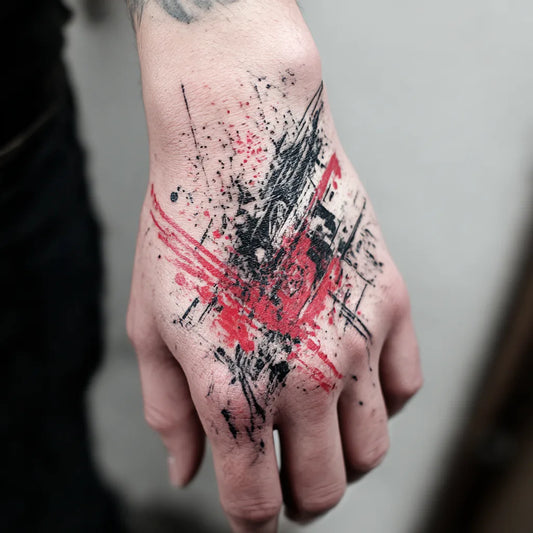
Some artists blend Trash Polka and Sketchwork, using sketch-like lines within a Trash Polka composition or adding Trash Polka elements (red, collage) to a sketchwork piece. This hybrid approach requires an artist skilled in both. Discuss your vision during consultation.
Aftercare for High-Contrast Tattoos
Both styles involve heavy saturation or fine lines. General aftercare applies, but pay special attention to:
- Red ink: Common in Trash Polka, red can be more reactive. Watch for raised lines or itching. If persistent, consult a dermatologist.
- Fine lines (Sketchwork): Avoid tight clothing that rubs. Use non-scented moisturizer to prevent scabbing that pulls ink.
- Sun protection: Both styles fade with UV exposure. Use SPF 50+ on healed tattoos.
FAQ
1. Can Trash Polka be done in color other than red and black?
Traditionally no, but contemporary artists sometimes introduce blue or yellow accents. Purists stick to red/black. Discuss with your artist if you want variation.
2. Does sketchwork tattoo age well?
Fine lines and hatching can blur over 5-10 years. Choose an artist who uses appropriate needle sizes and depth. Touch-ups every few years maintain clarity.
3. Which style is more painful?
Both involve similar pain levels depending on placement. Trash Polka’s color packing may cause more discomfort due to repeated passes. Sketchwork’s hatching can be prickly. Pain is subjective.
4. How do I find a specialist for these styles?
Search on social media using hashtags like #trashpolka #sketchworktattoo. Check studio websites and artist portfolios. Look for consistent quality in their specific style.
For more inspiration, explore our tattoo style rankings and verified studio profiles. If you’re planning your next piece, use our consultation guide to prepare. Browse the magazine for artist interviews and design tips. And don’t forget to check the tattoo marketplace for supplies if you’re an artist.
Keep exploring Vietnam Tattoo
- Browse Ranking for notable studios by city, style, and intent.
- Search studios by city, verification level, and contact channel.
- View verified profiles to check approved and verified entries.
- Request a consultation if you need help choosing style, placement, or a suitable studio.
Content hub
Tattoo styles pillar
This article belongs to the styles cluster. Open the pillar page to compare Irezumi, Old School, Realistic, Blackwork, Fine line, Geometric and Watercolor.
Related reading
Continue reading
Lettering Tattoo Healed Portfolio Review: Kerning, Baseline & Placement Distortion
A specialist healed-portfolio review guide for Lettering tattoos, focused on kerning, baseline control and placement distortion. Includes concrete…
Lettering Tattoo Placement: A Specialist Guide to Kerning, Baseline Control, and Body-Flow Distortion
A specialist guide to lettering tattoos focusing on kerning, baseline control, and placement distortion. Learn how to plan…
Lettering Tattoo Design Consultation Checklist: Kerning, Baselines, and Placement Distortion
A specialist consultation checklist for lettering tattoos covering kerning, baseline control, and placement distortion. Includes practical tests, booking…