Cover-Up Tattoo Da Nang: Consultation Checklist & Safety Notes
Cover-Up Tattoo Da Nang: A Practical Guide
Da Nang’s tattoo scene has matured quickly. Walk along An Thuong or near the Han River and you’ll find studios offering everything from fine line to Japanese traditional. But when it comes to cover-up tattoos, the stakes are higher. A cover-up isn’t just a new design; it’s a re-engineering of your skin’s canvas. In this guide, we break down the consultation process and safety notes specific to Da Nang, so you walk in prepared and walk out with a piece you’re proud of.
Why Cover-Ups Are Different
Covering an old tattoo is not like getting a fresh one. The existing ink sits in the dermis, and its density, color, and age dictate what’s possible. A skilled artist in Da Nang will assess the old tattoo’s line weight, saturation, and scar tissue. You can’t simply slap a darker design on top—it takes strategic planning, often using blackwork or neo-traditional elements to absorb the old ink. Be realistic: some tattoos are too dark for a full cover-up, and laser removal might be a better first step. A trustworthy artist will tell you that upfront.
The Consultation Checklist
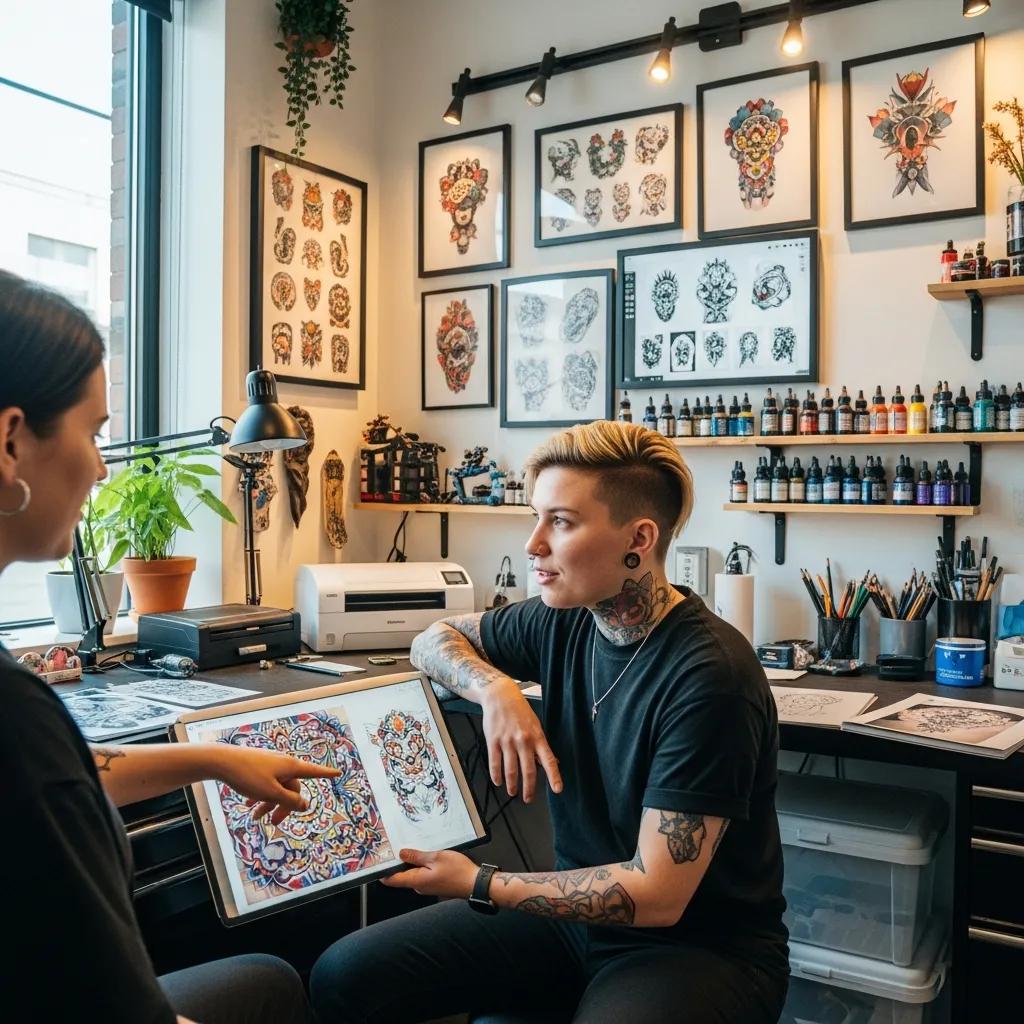
Your consultation in Da Nang should feel like a collaborative design session, not a sales pitch. Here’s what to check off:
- Bring clear photos: Show the artist the tattoo in natural light, from multiple angles. If it’s on a curved area like a rib or bicep, note how it moves.
- Assess the artist’s portfolio: Look for previous cover-ups, not just fresh tattoos. Ask to see healed photos—ideally 6 months old.
- Discuss design options: Good artists will suggest styles that work with your skin tone and the old ink. For example, geometric tattoo patterns can break up organic shapes, while ornamental work flows around existing lines.
- Understand the size increase: A cover-up is almost always larger than the original. If you’re not willing to go bigger, the cover-up may fail.
- Ask about color theory: Dark blues and greens are harder to cover than reds. The artist might use complementary colors or heavy black to neutralize.
- Check the aftercare plan: Cover-ups need extra care to ensure the new ink settles evenly over the old.
Styles That Work Best
Some styles are naturally suited for cover-ups. Japanese traditional uses bold blacks and heavy shading—ideal for burying old ink. Neo-traditional offers more color flexibility. Blackwork and dotwork can create texture that masks imperfections. Realism and micro realism require a steady hand and high contrast; they work if the old tattoo isn’t too dark. Abstract and graphic tattoo designs can also cleverly incorporate old lines into new shapes. Avoid watercolor tattoo for cover-ups—the lack of solid outline and saturation often fails to hide the old ink.
Safety Notes for Da Nang
Safety is non-negotiable. In Da Nang, hygiene standards vary, so do your due diligence:
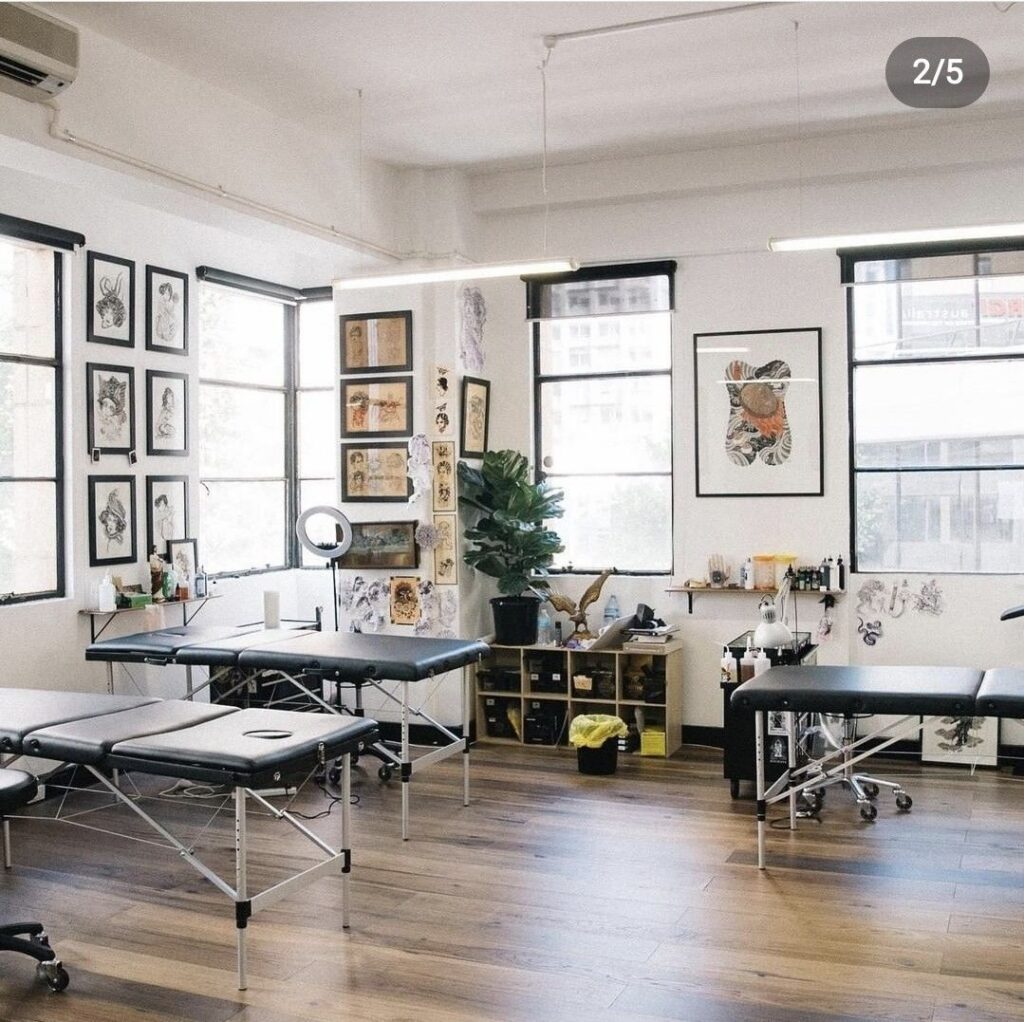
- Check autoclave and sterilization: Ask to see the autoclave spore test results. A reputable studio will have them on hand.
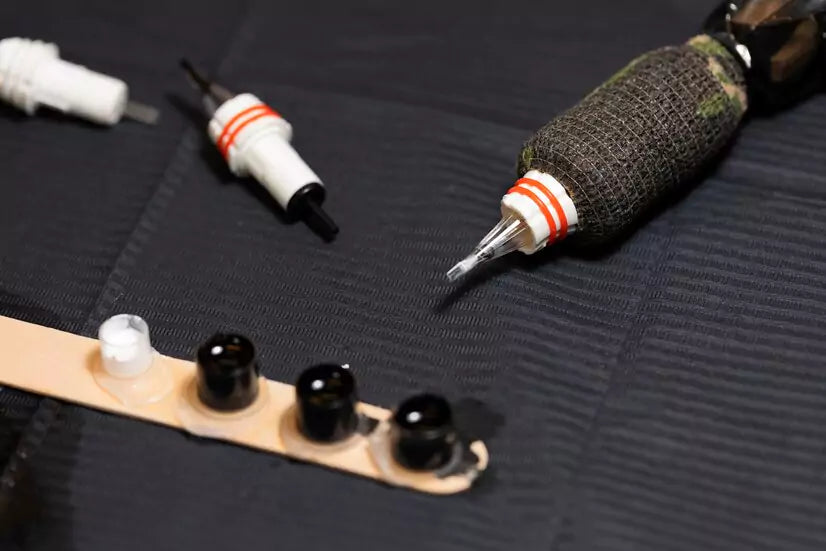
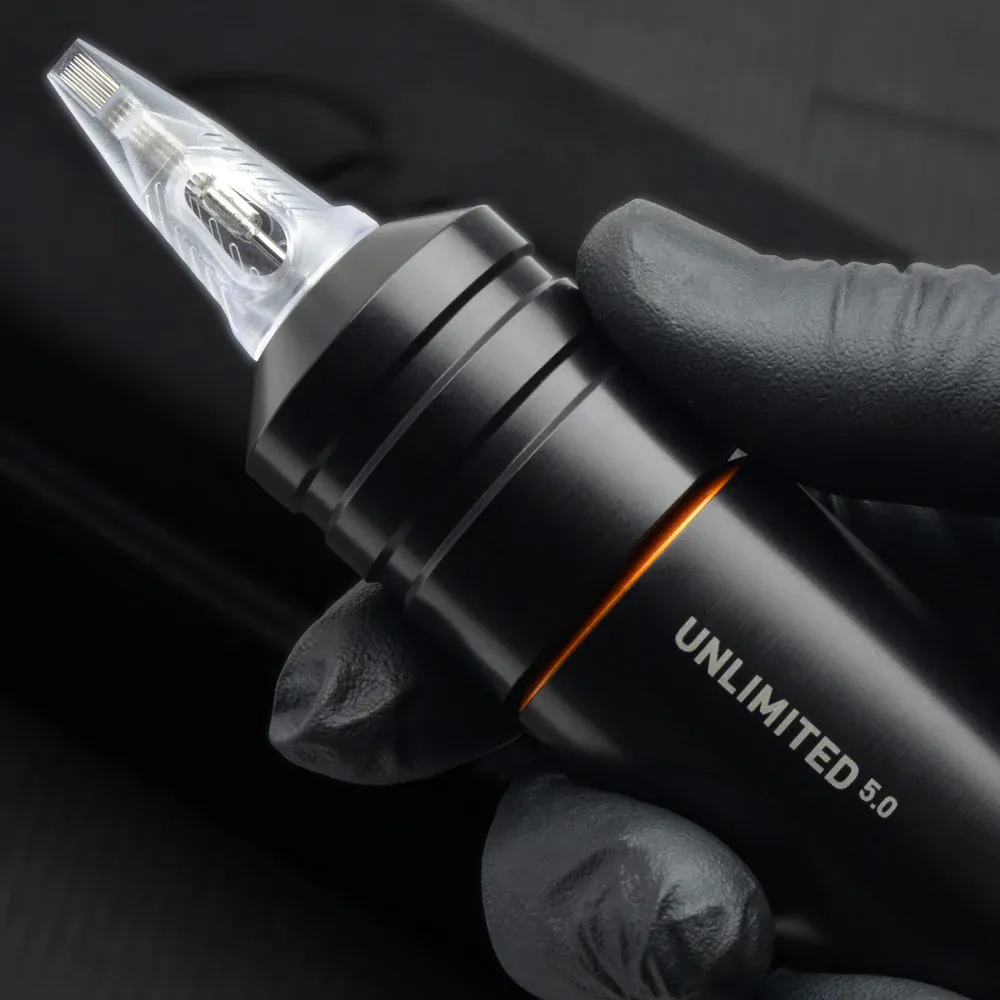
- Observe the setup: Needles and tubes should be single-use, and ink caps should be fresh. Gloves should be changed in front of you.
- Verify the artist’s credentials: Look for bloodborne pathogen training or membership in professional organizations.
- Skin health: If you have a history of keloids or poor healing, mention it. A cover-up on scar tissue requires special technique.
- Aftercare products: Use the studio’s recommended ointment, but also consider a fragrance-free moisturizer. In Da Nang’s humidity, keep the tattoo dry and clean.
Booking and Consultation Questions
Before you book, ask these questions:
- How many sessions will this cover-up need? (Often 2–3, with a heal time between.)
- Can I see a digital mock-up or drawing before we start?
- What if the old tattoo shows through after healing? Do you offer touch-ups?
- Do you have experience with my skin type and the specific area?
Also, ask about pricing transparency. In Da Nang, cover-ups are usually quoted per session, not per hour. Get a written estimate.
Realistic Caveats
No cover-up is 100% perfect. You might still see faint outlines, especially in bright light. The artist’s goal is to make the old tattoo unrecognizable, not invisible. If you’re covering a name or a face, consider a lettering redesign that incorporates the old text into a new phrase. For example, an old name can become a decorative ornamental piece with the letters hidden in the pattern. But if the old tattoo is massive and dense, laser removal might be the only option. A good artist in Da Nang will refer you to a reputable clinic for that.
Preparing for Your Appointment
Once you’ve chosen your artist and design, prepare your body:
- Hydrate well for 48 hours before.
- Avoid alcohol and caffeine for 24 hours—they thin your blood.
- Eat a solid meal before the session.
- Shower and wear loose clothing that exposes the area.
- Bring a snack and water for long sessions.
Aftercare for Cover-Ups
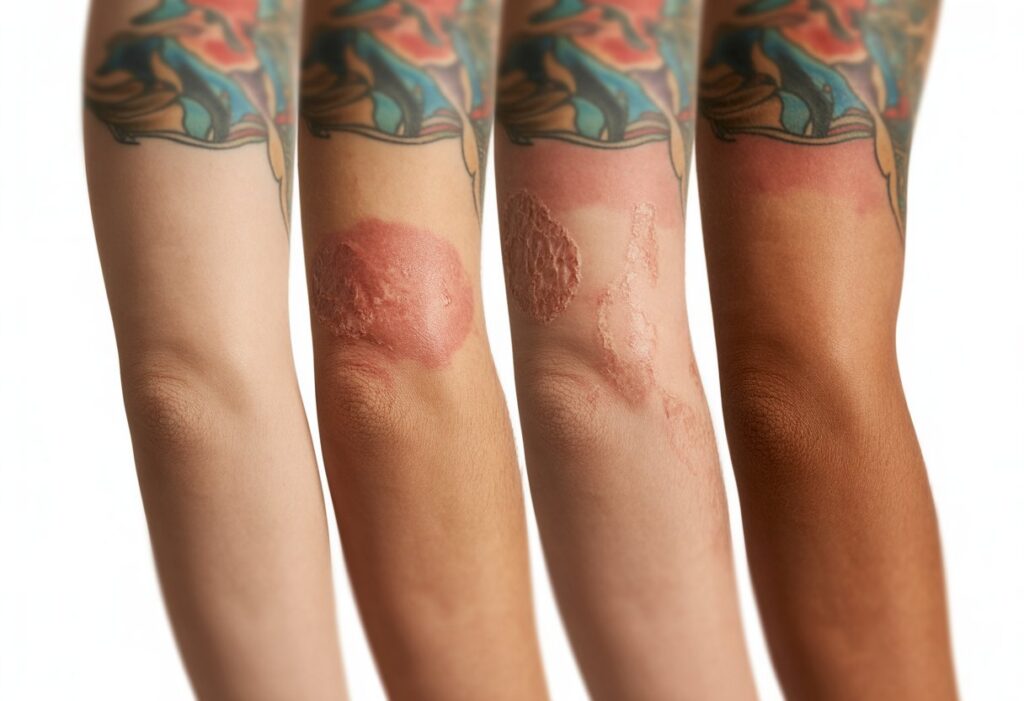
Aftercare is critical. Keep the tattoo covered for the first few hours, then wash gently with antibacterial soap. Apply a thin layer of ointment. Avoid sun exposure—Da Nang’s sun is intense. If you’re swimming, wait at least 2 weeks and use a waterproof sunscreen after healing. Watch for signs of infection: excessive redness, pus, or fever. If that happens, see a doctor immediately.
FAQ
1. Can any tattoo be covered?
Not all. Very dark, dense tattoos—especially with heavy black or scar tissue—may not be coverable. A consultation will determine if laser removal is a better first step.
2. How many sessions do I need?
Most cover-ups require 2–3 sessions, with 4–6 weeks of healing between each. The first session lays the foundation; subsequent sessions build depth and color.
3. Will the cover-up be more painful?
Possibly, because the artist needs to work over scar tissue and dense ink. The sensation is similar to tattooing over a bruise. Numbing creams are available, but discuss with your artist.
4. How much does a cover-up cost in Da Nang?
Prices vary, but expect to pay 30–50% more than a fresh tattoo of the same size. Some studios charge per session, while others quote a flat rate. Always get a written quote.
Ready to start? Browse our verified studios in Da Nang, or check our ranking for top-rated cover-up artists. For more tips, read our magazine or get a consultation and price estimate.
Keep exploring Vietnam Tattoo
- Browse Ranking for notable studios by city, style, and intent.
- Search studios by city, verification level, and contact channel.
- View verified profiles to check approved and verified entries.
- Request a consultation if you need help choosing style, placement, or a suitable studio.
Content hub
Trusted studio pillar
This article belongs to the studio cluster. Open the pillar page for hygiene standards, healed portfolio checks, Verified signals and how to choose a studio.
Related reading
Continue reading
Realism Tattoo in Da Nang: How to Check Reference, Skin Tone, and Portfolio Before You Book
Before you book a realism tattoo in Da Nang, learn the essential checks: reference quality, skin tone compatibility,…
Da Nang Tattoo Studio Guide: Hygiene, Portfolio & Booking Checklist
Your complete checklist for choosing a tattoo studio in Da Nang: hygiene inspection, portfolio evaluation, and step-by-step booking…
Tattoo Pain and Placement in Da Nang: A Practical Guide for Your First or Next Tattoo
Honest guide to tattoo pain and placement in Da Nang. Learn pain levels, best spots for local climate,…