The Ultimate Tattoo Placement Guide: Forearm, Chest, Back, Ribs & Leg Flow – Pain, Aging & Visibility Insights
Introduction: Why Placement Matters Beyond Aesthetics
Choosing where to place your tattoo is as critical as the design itself. Placement affects pain, healing, aging, and how your ink integrates with your body’s natural flow. This guide dives deep into five popular placements—forearm, chest, back, ribs, and leg flow—drawing on professional insights to help you make an informed decision. Whether you’re after a bold statement or a discreet piece, understanding body mechanics, skin elasticity, and sun exposure patterns will ensure your tattoo looks exceptional for decades.
Forearm Tattoos: The Versatile Canvas
Body Flow and Design Suitability
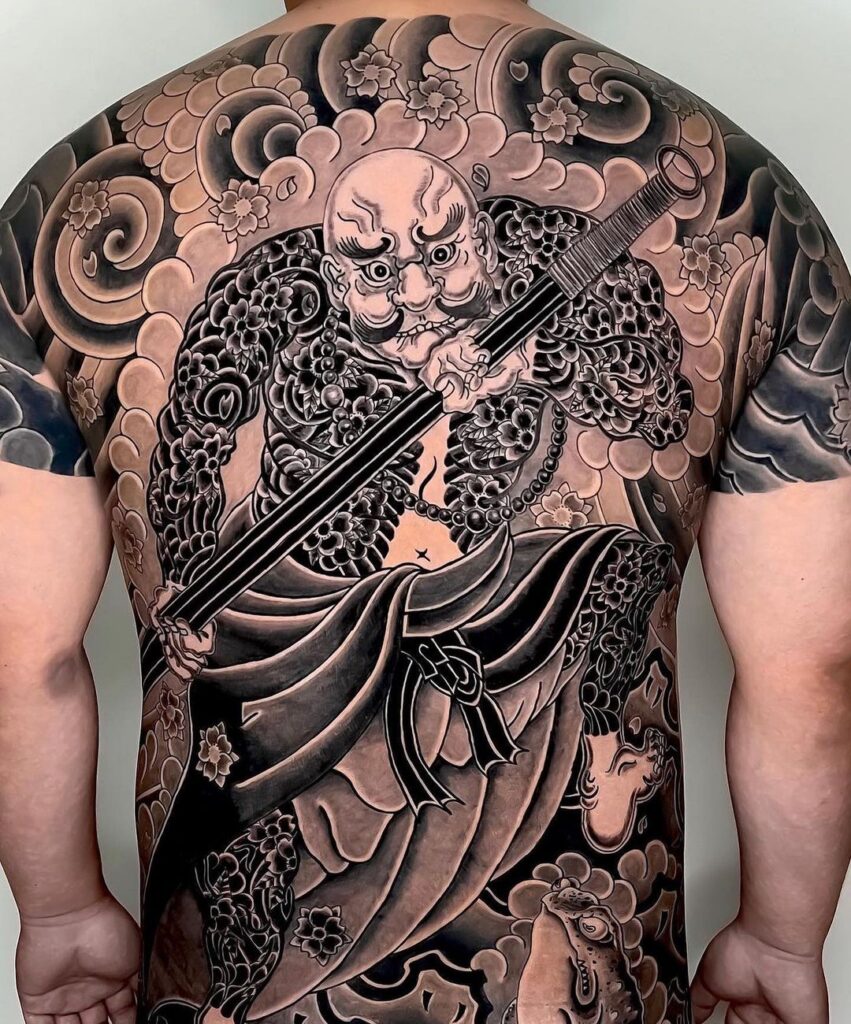
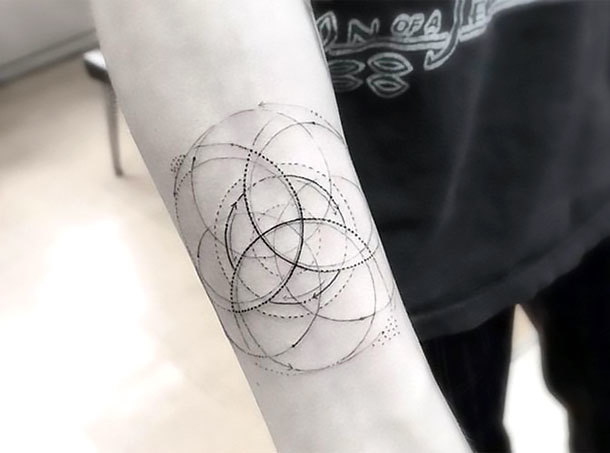
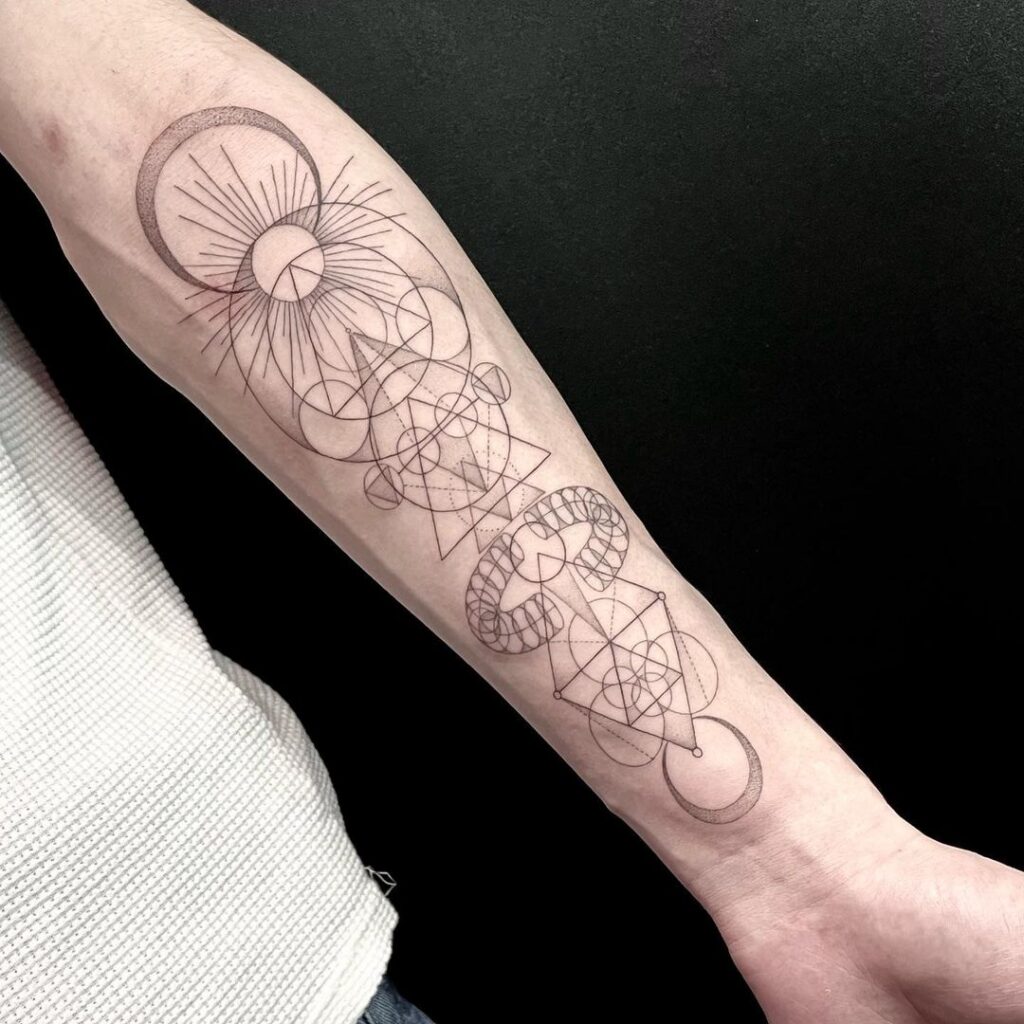
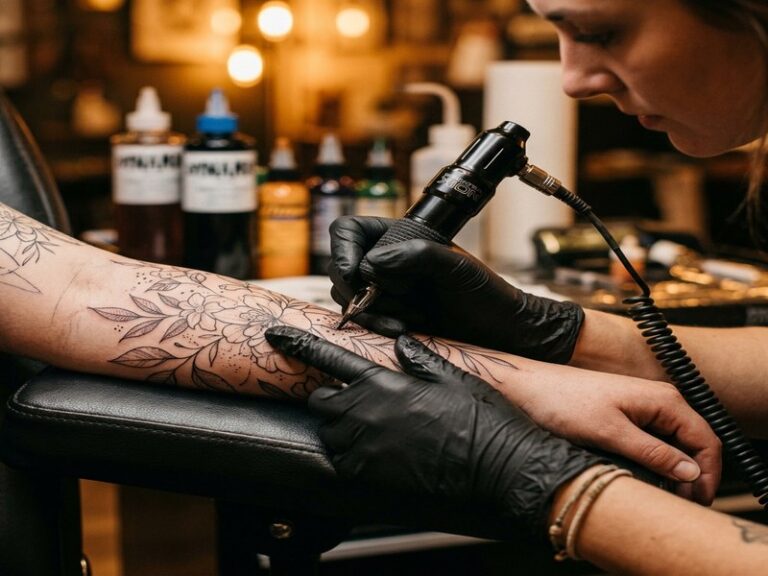
The forearm offers a flat, relatively stable surface that allows linework to stay crisp. Geometric tattoo, Fine line, and Lettering thrive here because the skin doesn’t stretch excessively. For flow, wrap designs around the radius and ulna to highlight muscle movement—consider a sleeve extension from wrist to elbow.
Pain and Healing
Pain is moderate (3–5/10), with the inner forearm being more sensitive. Healing is straightforward but watch for rubbing from sleeves. Use breathable bandages and avoid tight clothing. Aftercare tip: moisturize sparingly to prevent ink bleed in fine details.
Aging and Visibility
Forearms see sun exposure, so SPF 50 is non‑negotiable. Blackwork and Dotwork hold up well; Watercolor may fade faster. Tattoos here are highly visible—ideal for showcasing but less discreet. For office settings, consider a half‑sleeve that rolls up easily.
Chest Tattoos: High Impact, High Commitment
Body Flow and Anatomical Considerations
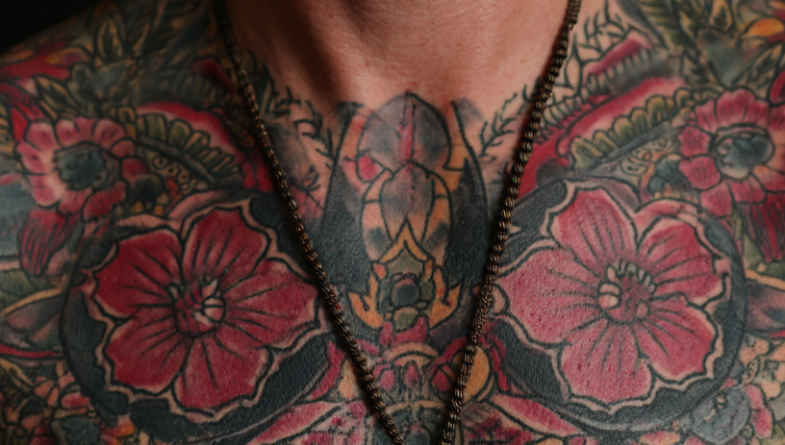
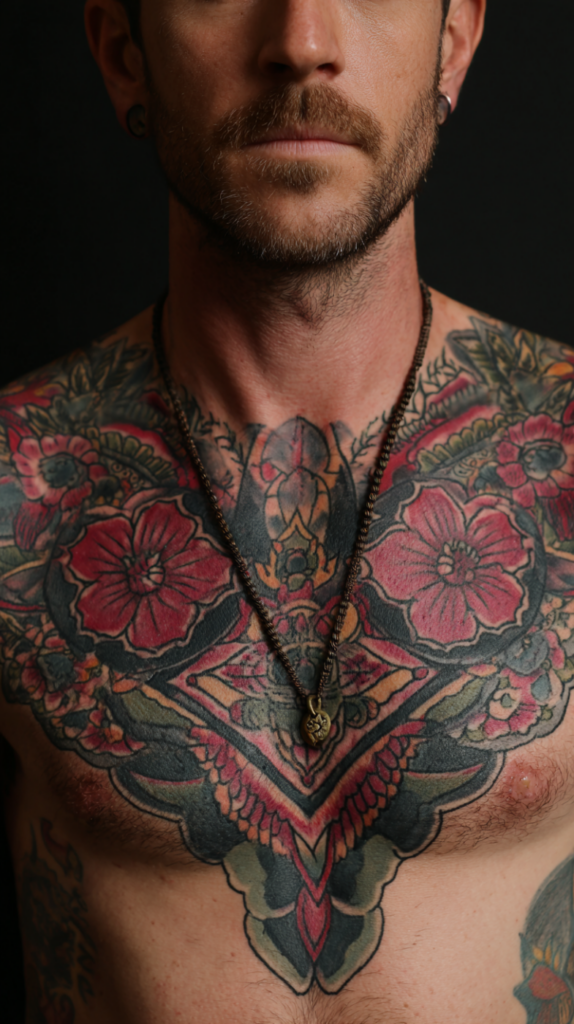
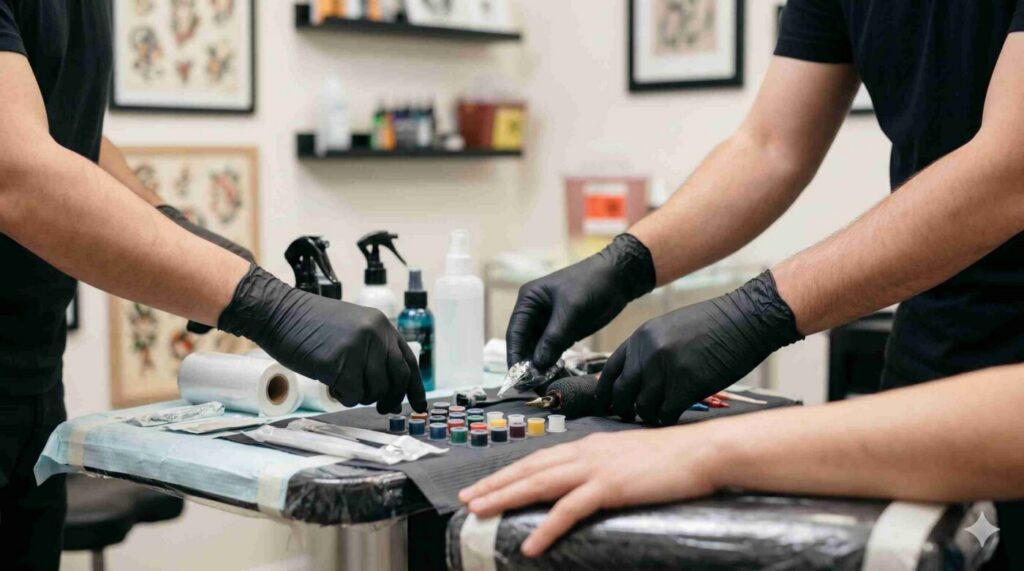
The chest follows the pectoral muscles and sternum. Neo-traditional and Realism designs can emphasize muscle contours. Avoid placing heavy black areas directly over the sternum (bone) to reduce pain and poor healing.
Pain and Aftercare
Pain is high (6–8/10) on the sternum and collarbone, moderate on the pectoral mass. Healing requires no tight bras or gym workouts for 2–3 weeks. Sweat and friction can cause irritation; use a thin, non‑stick pad if needed.
Aging and Visibility
Chest skin moves less than ribs, so Minimal and Japanese traditional designs age well. However, weight fluctuations can distort images. Visibility is partial—easy to show off but coverable with a crew neck.
Back Tattoos: The Largest Canvas
Flow and Design Scale
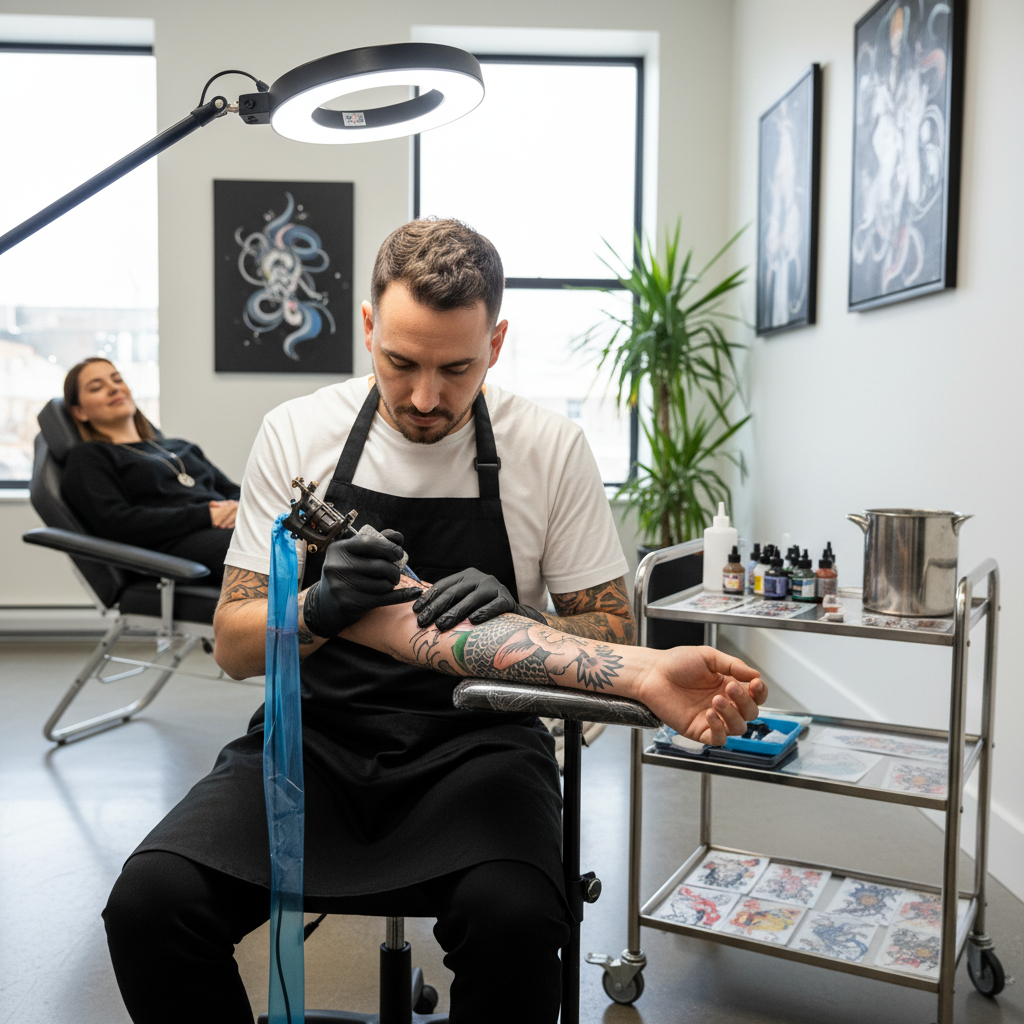
The back offers a continuous surface for sprawling designs. Japanese traditional and Ornamental tattoos benefit from the spine’s symmetry. For leg flow, consider extending into the lower back or glutes.
Pain and Recovery
Pain varies: 4–5/10 on the shoulder blades, 7–8/10 over the spine. Healing is tricky because you can’t see or reach the area—enlist a helper for cleaning. Sleep on your side to avoid pressure.
Aging and Visibility
Back skin is thicker and ages slower, but sun damage can fade large colored areas. Realism and Micro realism may lose detail over decades. Visibility is low—great for personal meaning, but remember you can’t see it easily yourself.
Rib Tattoos: Beauty with a Pain Price
Flow and Design Boundaries
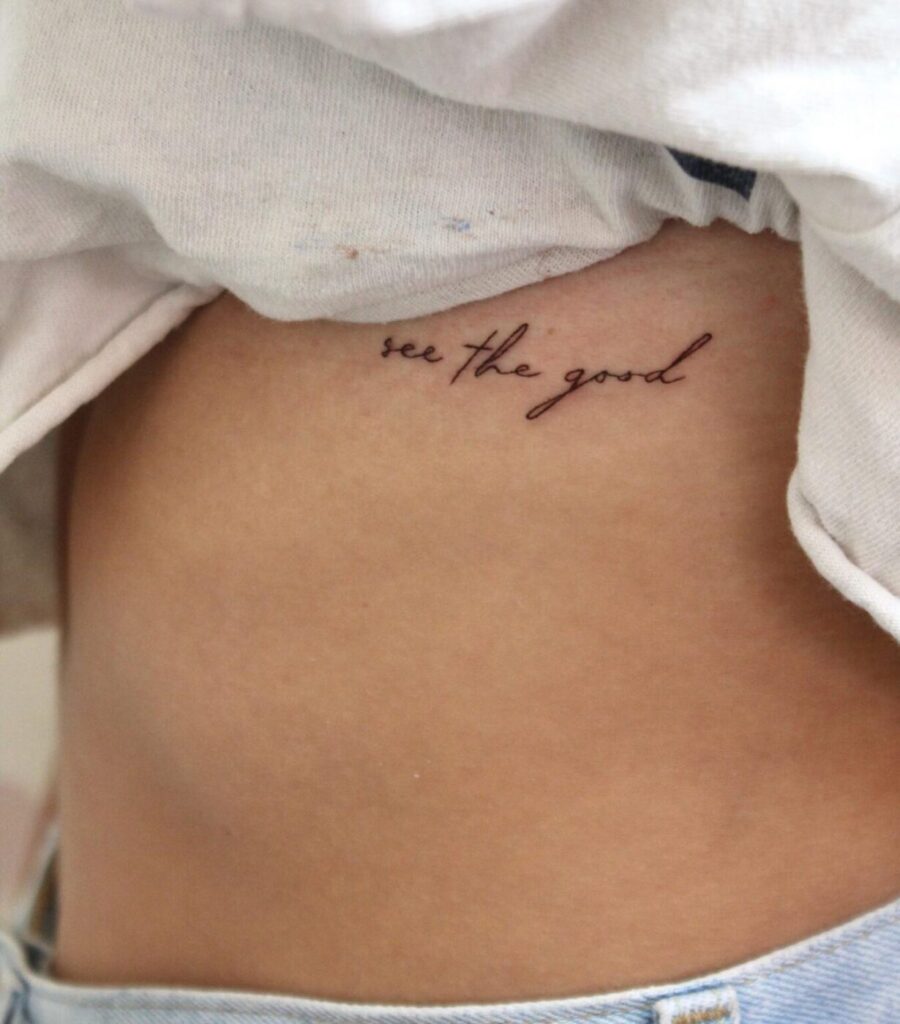
The ribs curve strongly, making Fine line and Minimal designs ideal. Follow the ribcage direction for natural flow. Avoid large solid fills; they can warp during breathing and stretching.
Pain and Healing Challenges
Pain is 8–10/10—among the most intense. Healing involves constant movement (breathing, twisting). Use a flexible, breathable bandage and avoid sleeping on that side. Infections are higher risk due to friction.
Aging and Visibility
Skin here stretches significantly with weight changes, potentially distorting Lettering or Geometric tattoo. Sun exposure is low if covered, but aging wrinkles can soften edges. Consider revisiting after major body changes.
Leg Flow Tattoos: From Thigh to Ankle
Flow and Composition
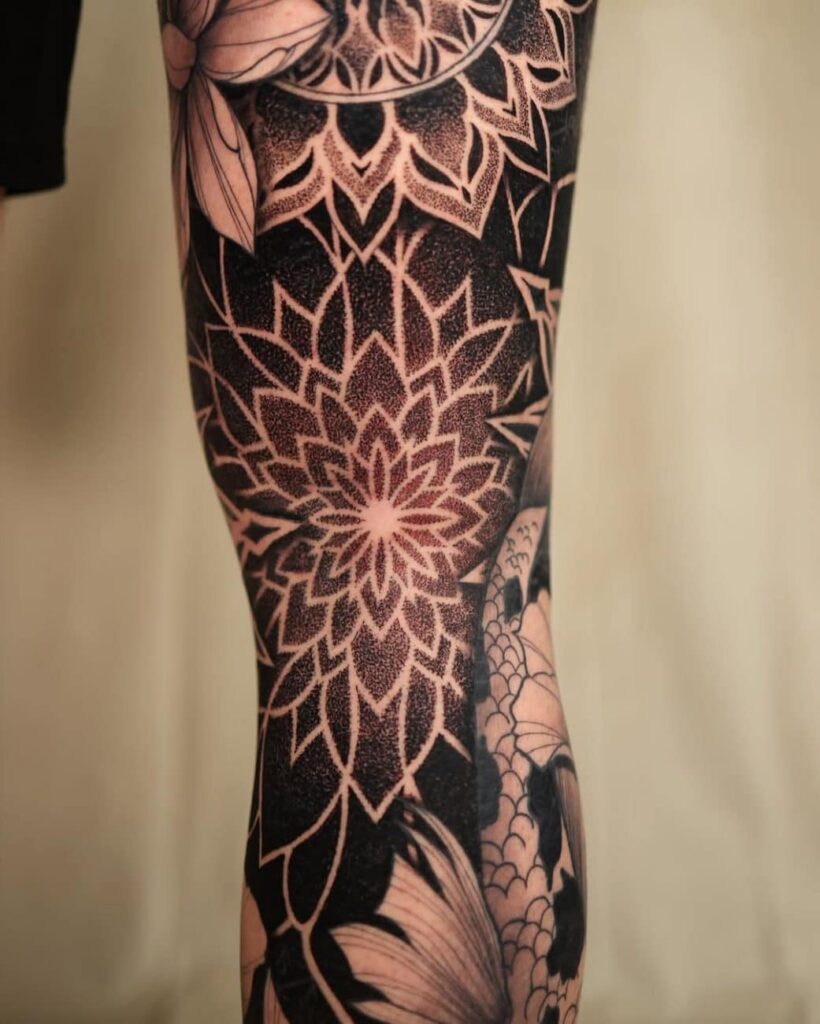
Leg flow takes advantage of the leg’s long lines. Blackwork and Dotwork create stunning gradients along the thigh, calf, and shin. For a cohesive look, design from knee to ankle or thigh to knee, respecting muscle groups.
Pain Differences by Zone
Thigh: 3–4/10. Knee and shin: 7–8/10 (bone). Calf: 5–6/10. Healing on the lower leg can be slow due to blood flow—elevate and avoid standing long periods. Aftercare must include sun protection if wearing shorts.
Aging and Visibility
Leg tattoos age well if on thick skin (calf), but the knee and ankle area wrinkle sooner. Visibility is flexible—pants cover, shorts reveal. Watercolor and Abstract tattoo may require touch‑ups faster.
Comparison: Which Placement Should You Choose?
- Low pain + high visibility: Forearm
- Hidden + large canvas: Back
- High pain + personal meaning: Ribs
- Statement piece + moderate pain: Chest
- Flexible coverage + flow: Leg
Use our consultation tool to match your pain tolerance and lifestyle with the best spot. For style inspiration, browse our magazine.
FAQ
1. Which placement hurts the most?
Ribs and sternum are top of the pain scale (8–10/10). The back spine also ranks high. Forearm and thigh are least painful.
2. How does aging affect rib tattoos?
Rib skin stretches with weight fluctuations and loses elasticity, which can distort thin lines. Choose bold motifs like Neo-traditional to stay legible.
3. Can I hide a forearm tattoo easily?
Not fully—long sleeves cover, but short sleeves expose. For optional visibility, consider inner forearm or bicep.
4. What aftercare mistakes are common for leg tattoos?
Not moisturizing ankles (dryness), wearing tight socks, and skipping sunscreen on the shin. Avoid swimming and gym for two weeks.
Before you ink, discuss your placement with a professional. Search our verified studios for trusted artists who can advise on body flow and aftercare. Check tattoo marketplace for high-quality supplies to support healing.
Read more
- Magazine for more tattoo knowledge, style guides and aftercare notes.
- Request a consultation if you need help with style, placement or preparation.
- Marketplace for equipment, supplies and learning resources.
Content hub
Tattoo aftercare pillar
This article belongs to the aftercare cluster. Open the pillar page for the healing timeline, cleaning routine, moisturizing basics and warning signs.
Related reading
Continue reading

Tattoo Pain and Placement in Da Nang: A Practical Guide for Your First or Next Tattoo
Honest guide to tattoo pain and placement in Da Nang. Learn pain levels, best spots for local climate,…
First Tattoo Consultation in Ho Chi Minh City: 10 Essential Questions to Ask
Essential questions to ask during your first tattoo consultation in Ho Chi Minh City. Includes safety checks, cost…
How to Choose a Safe Tattoo Studio in Vietnam
A practical guide for first-time clients comparing hygiene, portfolio quality, consultation and pricing before booking a tattoo studio…
