The Chicano Tattoo Guide: Script, Portraits, Roses, and Black & Grey Flow
Introduction to Chicano Tattoo Art
Chicano tattooing emerged from the Mexican-American barrio culture of the 1940s and 50s, evolving into a distinct style defined by fine-line script, soft black-and-grey shading, and iconography like portraits, roses, and religious imagery. Today, it’s celebrated worldwide for its emotional depth and technical precision. This guide explores the core elements—script, portraits, roses, and that signature smooth black-and-grey flow—while emphasizing cultural respect and careful design planning.
Whether you’re a collector or an artist, understanding the nuances of Chicano style ensures your piece is both authentic and beautifully executed.
The Core Elements of Chicano Tattoos
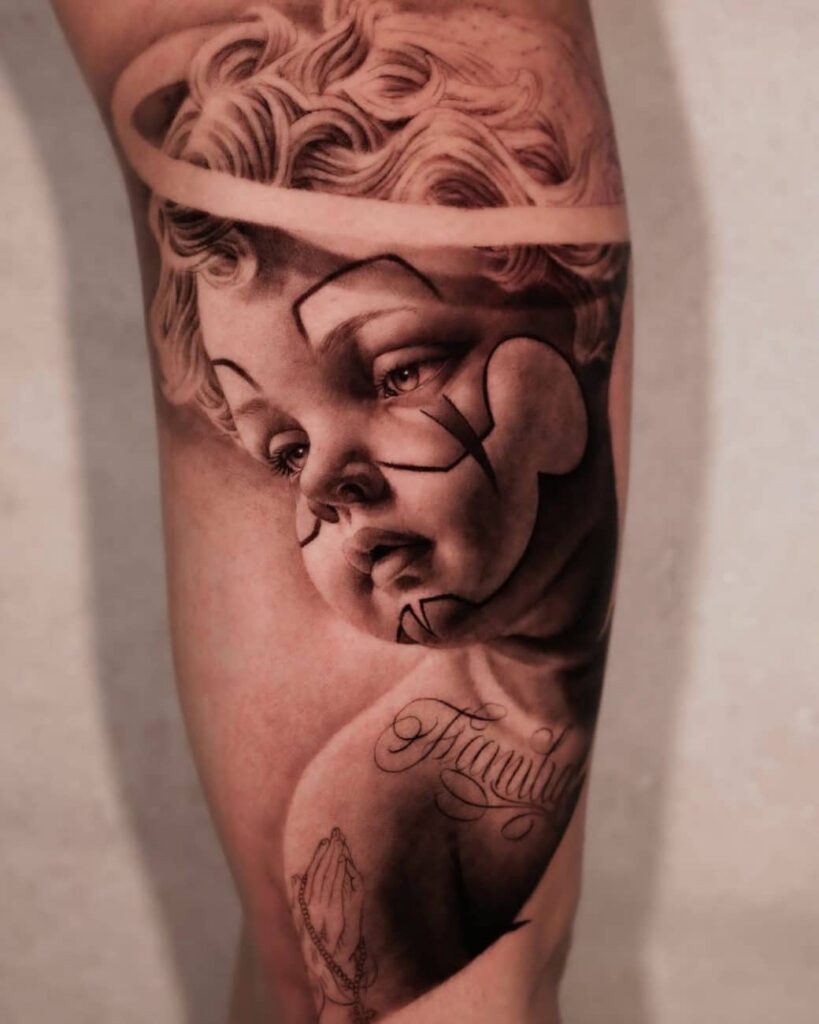
Script and Lettering
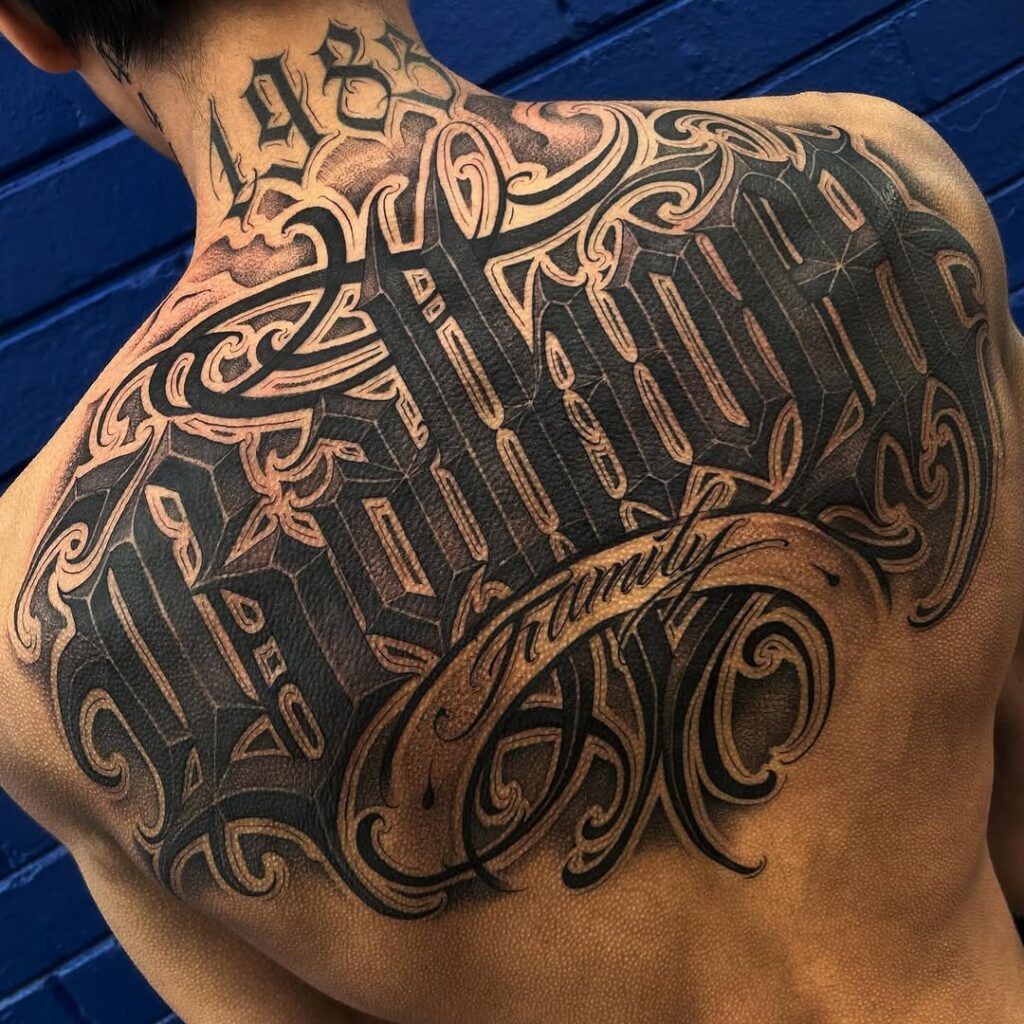
Chicano script is instantly recognizable: ornate, flowing letters often inspired by calligraphy or gangster fonts. Common choices include Old English, cursive, or custom hand-drawn lettering. The lettering can be used for names, dates, quotes, or dedications.
- Font Selection: Stick to styles that have a vintage or hand-lettered feel. Avoid generic digital fonts.
- Placement: Script works best on arms, ribs, or chest—areas where the natural curves complement the flow of letters.
Portraits
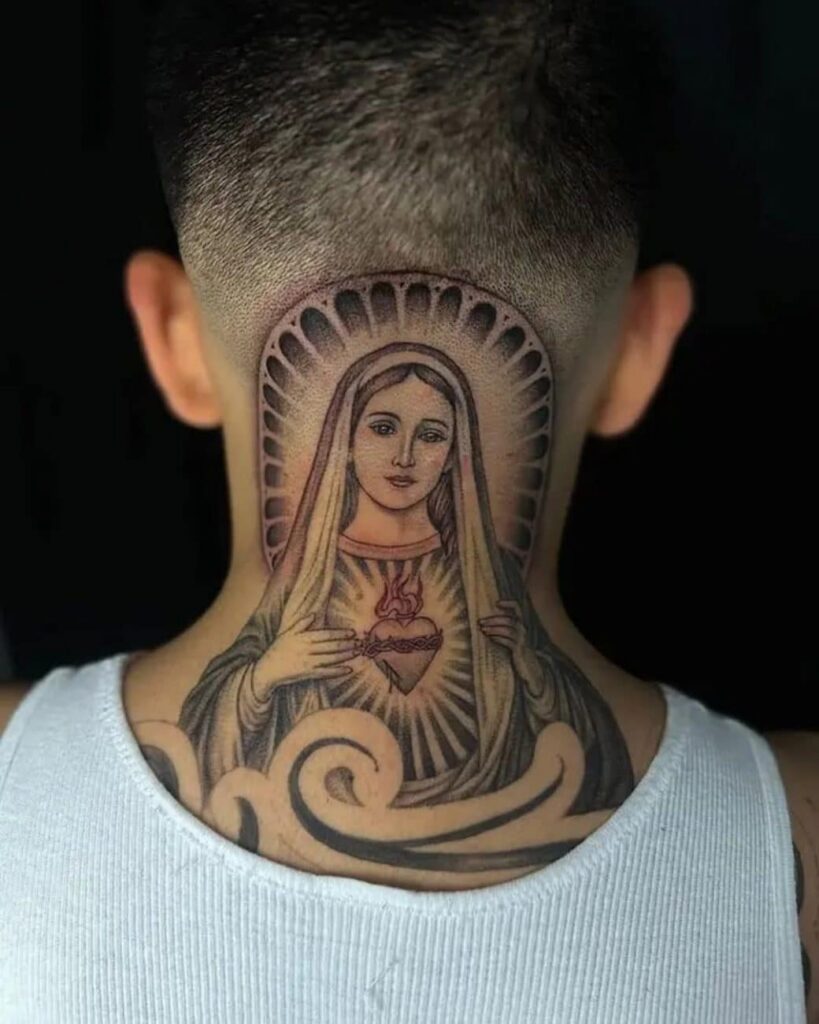
Chicano portraits are often of loved ones, cultural icons, or religious figures like the Virgin Mary. They rely on smooth gradients and soft transitions to create a painterly effect.
- Reference Photos: Use high-contrast, well-lit images. The artist will convert them to black and grey with a specific tonal range.
- Realism vs. Stylization: True Chicano style leans toward realistic shading but with a dreamy, soft focus.
Roses and Florals
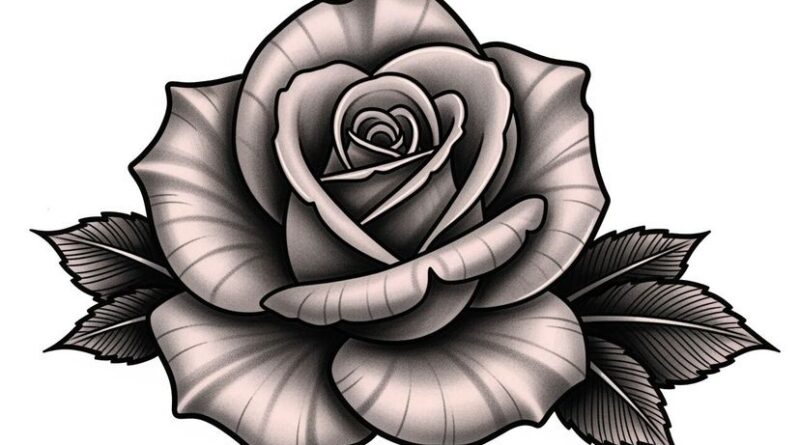
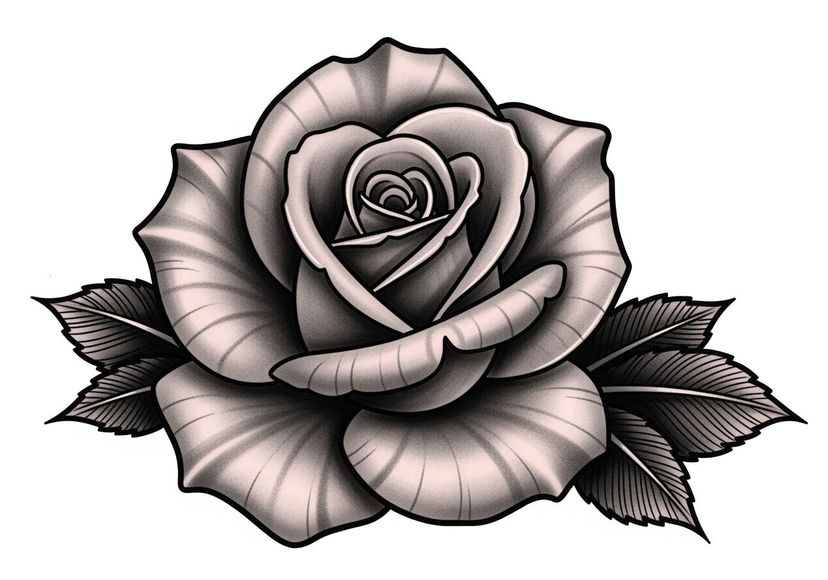
Roses are a staple, often intertwined with script or framing a portrait. They symbolize love, loss, or beauty. The petals are shaded in layers, creating depth without harsh lines.
- Composition: Roses can wrap around lettering or act as a border. Their curves guide the eye.
- Shading Technique: Use a whip shading or pendulum motion for smooth transitions.
The Smooth Black-and-Grey Flow
The hallmark of Chicano tattooing is the seamless blend from black to grey, often without solid black outlines. This requires mastery of dilution and pressure.
- Ink Saturation: Build up tones gradually. Start with a light wash and darken as needed.
- Needle Choice: Magnum shaders or soft-edge needles help achieve that airbrush-like gradient.
Planning Your Chicano Tattoo: Design and Composition
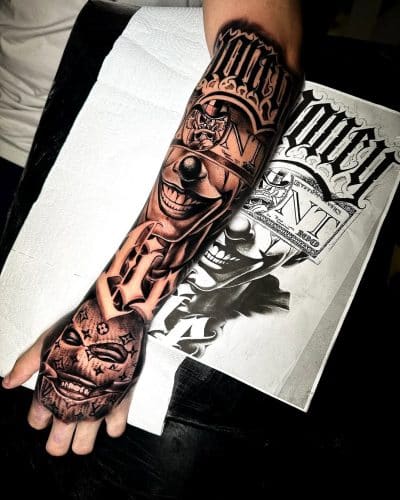
A well-planned Chicano piece balances all elements. Here’s a step-by-step approach:
- Define the Subject: Is it a portrait? A memorial script? A religious icon? The central theme determines the layout.
- Sketch the Layout: Work with your artist to arrange script, roses, and imagery. Use the natural curves of your body.
- Choose Tonal Range: Decide on the overall brightness. Traditional Chicano is often low-contrast but legible.
- Consider Flow: The design should move naturally with muscle groups and bone structure.
Caveat: Avoid overcrowding. Chicano style relies on negative space to let the shading breathe.
Script and Lettering: Choosing Fonts and Messages
Script is often the most personal part of a Chicano tattoo. Examples of popular messages: family names, anniversaries, or short phrases like “La Vida Loca.”
What to avoid: Extremely long texts—they lose readability. Also, avoid mixing fonts unless the artist custom-designs them to harmonize.
Always ask your artist to hand-draw the lettering. It ensures uniqueness and proper fit.
Portraits in Chicano Style: Techniques and Tips
Chicano portraits require a delicate touch. The artist must understand facial anatomy and light sources.
- Key technique: Use stippling and soft shading rather than hard lines.
- Common mistake: Over-darkening the eyes—they should be deep but not solid black.
- Cultural note: If using a religious figure, treat it with reverence. Avoid placing it near intimate areas.
Roses and Floral Elements: Symbolism and Shading
Roses are more than decoration—they carry meaning. A rose with a name often represents a loved one; a rose with a cross signifies faith.
Shading secrets: Use a 9-magnum shader for petals and a 3-round liner for fine details. Build layers from light to dark.
Decision section: Should you add leaves? Yes, if they enhance the composition. But keep them simple to avoid distraction.
The Smooth Black-and-Grey Flow: Achieving Consistency
The magic of Chicano is the gradient. Practice on fake skin: start with a 10% grey and step up to 100% in small increments.
Critical check: The transition from skin to ink should be imperceptible. That means precise aftercare—avoid scabbing that ruins the blend.
For more inspiration, browse the top tattoo styles or find a specialist on our studio directory.
Cultural Respect and Authenticity
Chicano tattoo culture is deeply tied to Chicano identity. As a collector, educate yourself on its origins. Avoid appropriating symbols you don’t understand (e.g., gang affiliation markers). Work with an artist who respects the tradition and can guide you.
Checklist before booking:
- Research the artist’s portfolio—do they specialize in black and grey?
- Ask about their understanding of Chicano history.
- Ensure the design isn’t a cheap copy of a famous piece.
If you’re an artist, consider reading articles on tattoo culture and ethics.
Frequently Asked Questions
Can Chicano tattoos be done in color?
Traditional Chicano is black and grey, but some artists add subtle color to roses or backgrounds. However, purists prefer the monochromatic look.
How long does a large Chicano piece take?
Depending on complexity, a full sleeve can take 20–40 hours spread over multiple sessions. The shading requires patience for proper healing between visits.
What skin tones work best for Chicano tattooing?
The style looks stunning on fair to medium skin because the grey tones contrast well. On darker skin, the artist must adjust contrast—still achievable with experience.
How do I find a skilled Chicano tattoo artist?
Look for portfolios with smooth gradients and clean script. Check verified studios or read reviews on our consultation page.
Conclusion
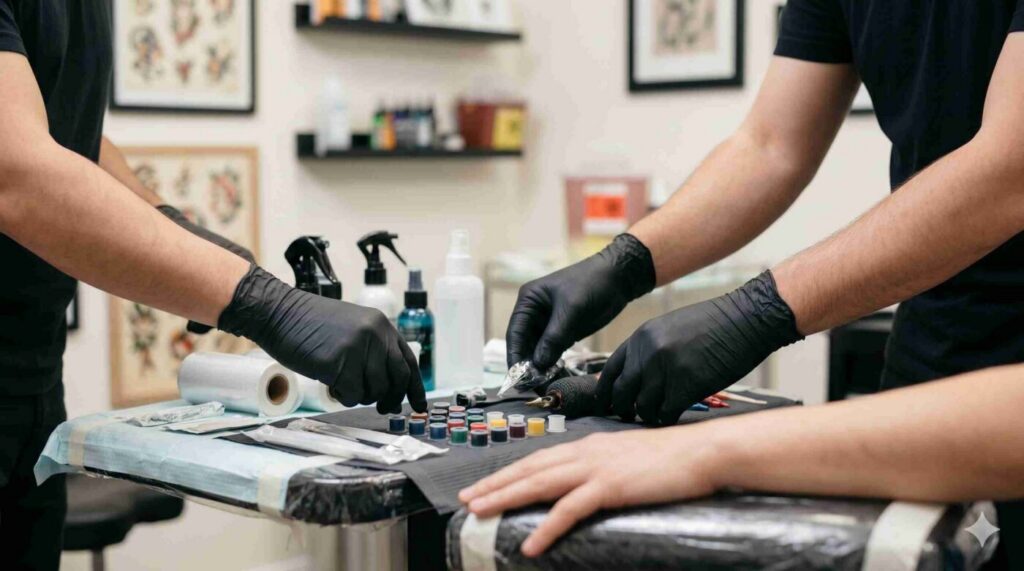
Chicano tattooing is an art form that demands technical skill and cultural awareness. By focusing on script, portraits, roses, and that flawless black-and-grey flow, you can create a piece that is both personal and respectful. Plan carefully, choose your artist wisely, and cherish the process.
Explore more design ideas on our tattoo marketplace.
Content hub
Tattoo styles pillar
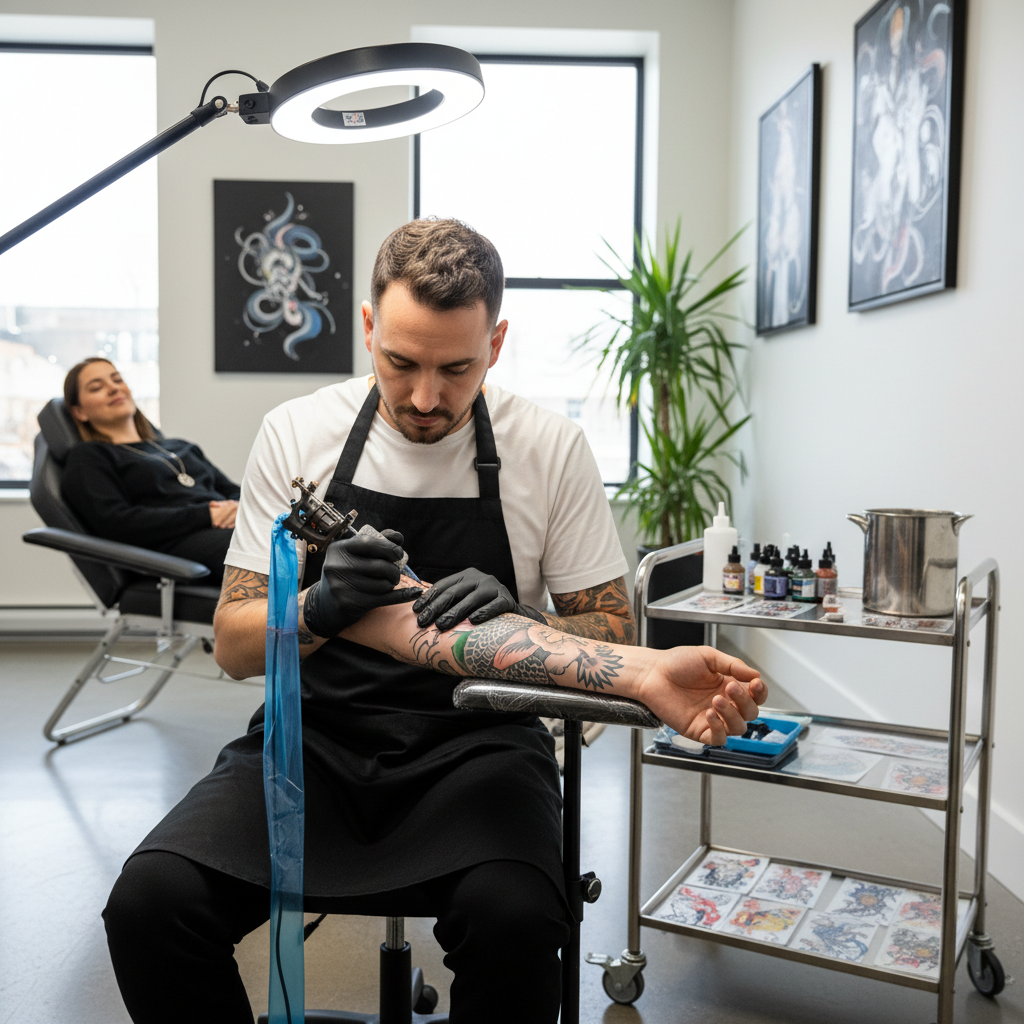
This article belongs to the styles cluster. Open the pillar page to compare Irezumi, Old School, Realistic, Blackwork, Fine line, Geometric and Watercolor.
Related reading
Continue reading
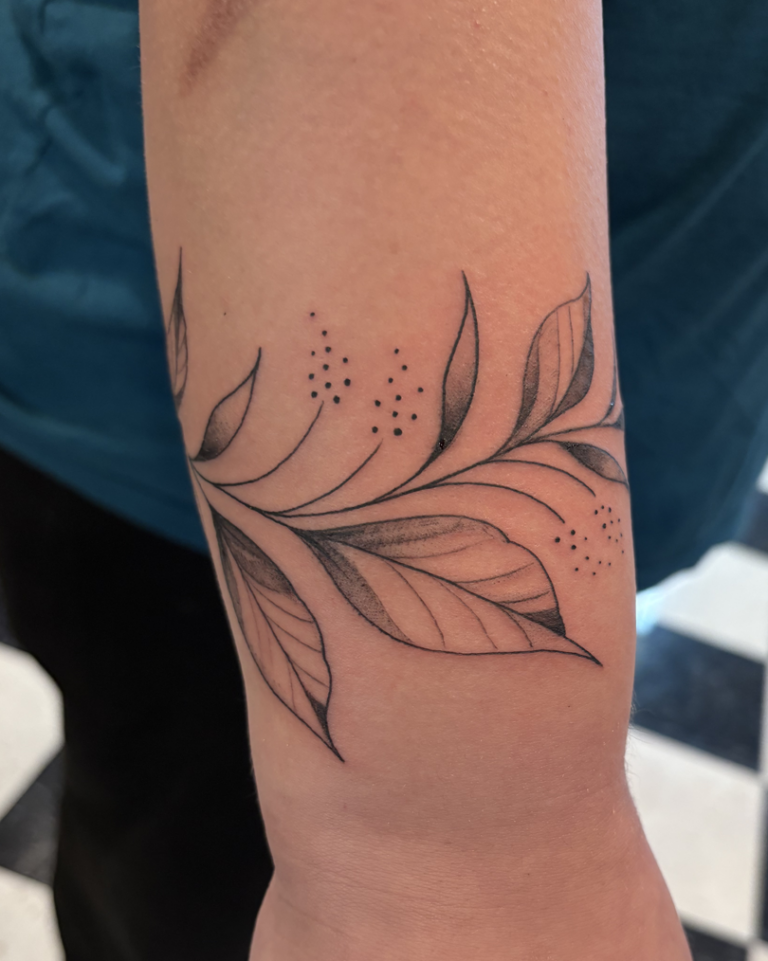
The Complete Guide to Fine Line Botanical Tattoos: Stems, Leaves, Spacing, and Aging
A premium expert guide to fine line botanical tattoos: stem anatomy, leaf spacing, aging risks, and design tips…
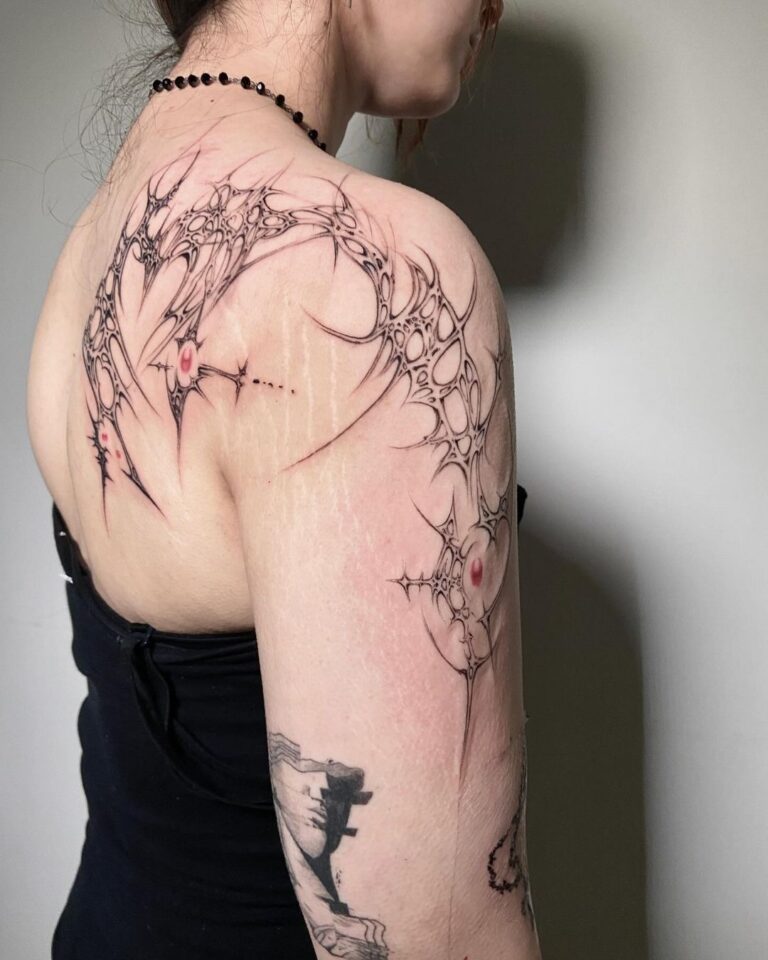
Cyber Sigilism Tattoo: Sharp Shapes, Symmetry, and Placement Limits
Discover the sharp shapes and symmetry of Cyber Sigilism tattoos. Learn about placement limits, design process, and aftercare…
Traditional vs Neo-Traditional Tattoo: Line, Color, and Healed Readability – A Professional Guide
Compare Traditional vs Neo-Traditional tattoo: line weight, color saturation, healed readability, and aging. Expert guide for choosing your…
