
Tattoo Course Ho Chi Minh City: Curriculum, Hygiene & Mentor Checks
Why Choose a Tattoo Course in Ho Chi Minh City?
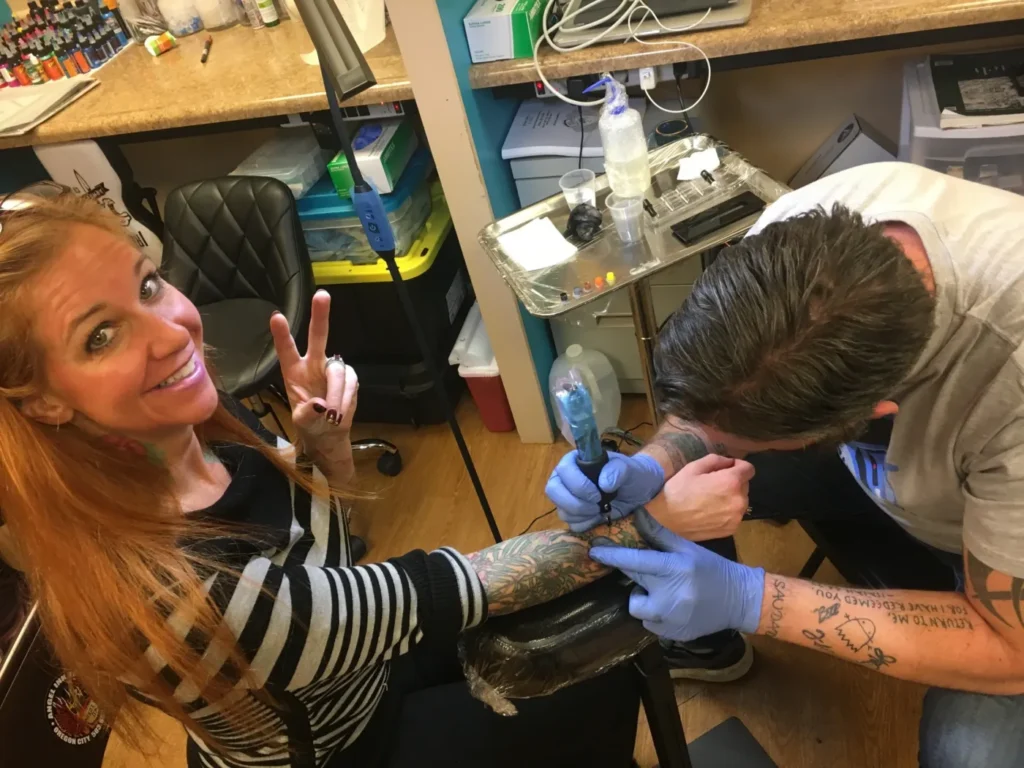
Ho Chi Minh City (HCMC) has emerged as a leading hub for tattoo education in Southeast Asia. With a growing number of studios offering structured apprenticeships and formal courses, selecting the right program is critical to your career. This guide provides a detailed framework for evaluating curriculum, hygiene protocols, and mentor credentials, ensuring you make an informed decision.
What a Comprehensive Tattoo Curriculum Must Include
1. Theory Foundations
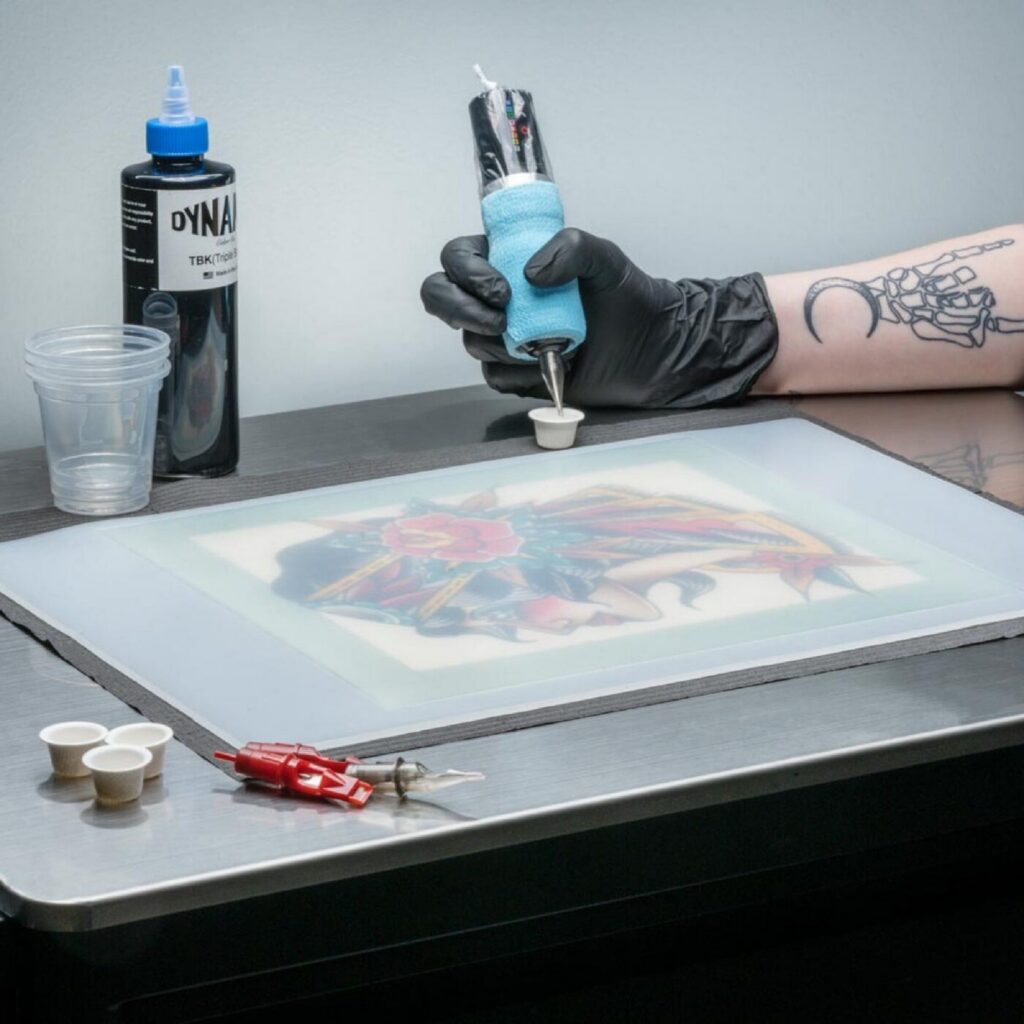
A robust course covers skin anatomy, needle configurations, machine types (coil vs. rotary), and color theory. You should learn about ink composition, pigment safety, and how different skin tones react to various pigments. Understanding these fundamentals is essential for safe and effective tattooing.
2. Practical Skills
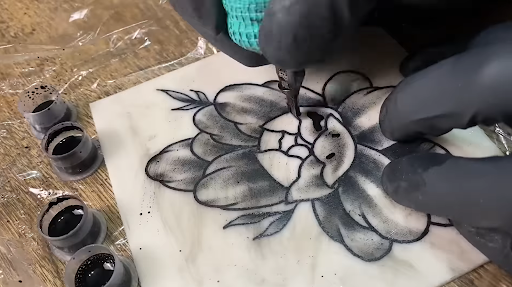
Look for hands-on training that begins with practice on synthetic skin before progressing to live models. Key techniques include lining, shading, color packing, and blending. Styles such as Geometric, Fine line, Blackwork, Dotwork, Realism, and Japanese traditional should be taught individually, with dedicated practice time for each.
3. Business and Portfolio Building
Top courses teach client communication, pricing strategies, social media marketing, and tattoo photography. You should graduate with a professional portfolio that showcases your best work across multiple styles, ready to present to potential clients or employers.
Hygiene Standards: Non-Negotiable Checks
Autoclave and Sterilization
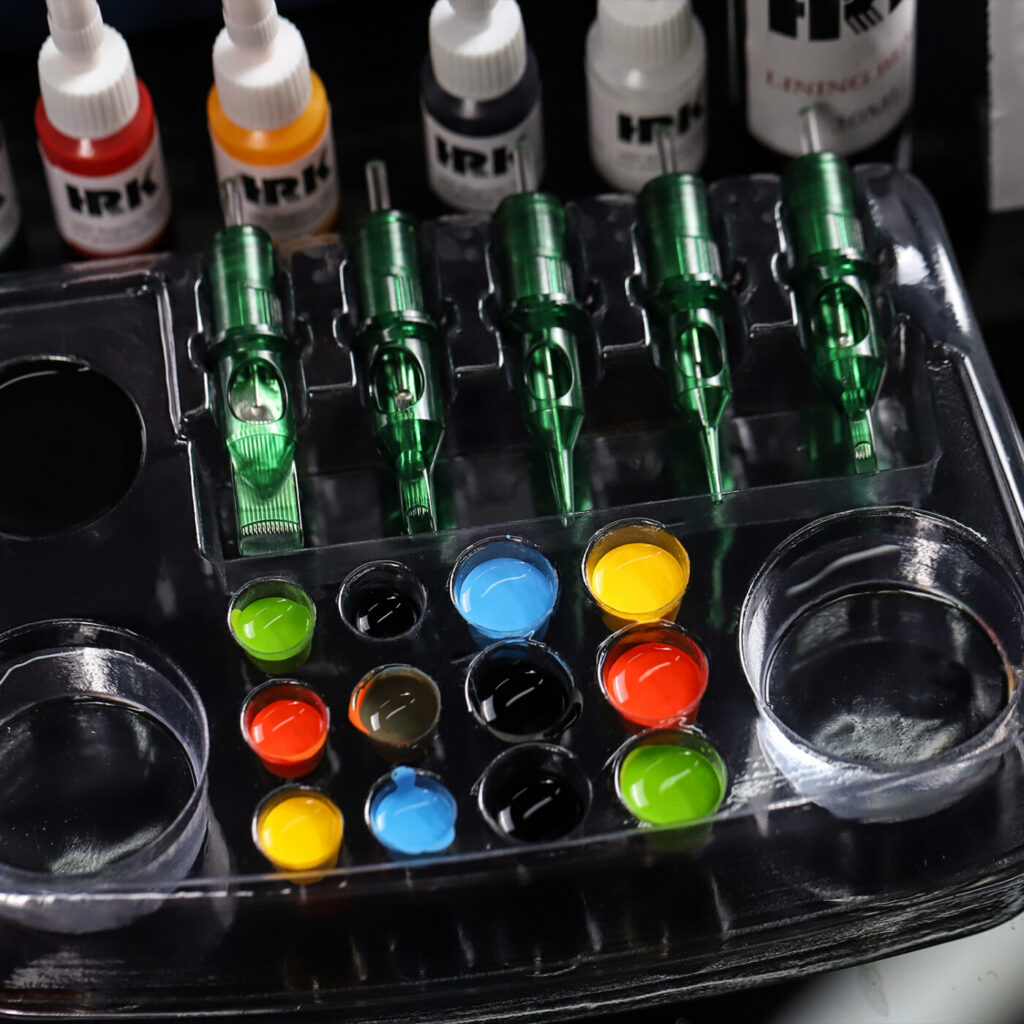
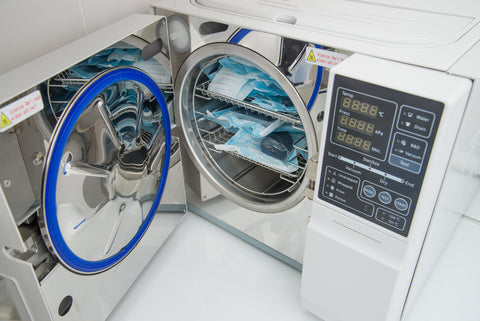
Every reputable school uses an autoclave (steam sterilizer) and conducts regular spore testing to verify sterilization efficacy. Ask to see the latest test results and ensure the autoclave is maintained according to manufacturer guidelines.
Single-Use Items
Needles, tubes, ink caps, and gloves must be single-use and disposed of properly after each session. Observe whether sterile packages are opened in front of you, and verify that all disposable items are discarded in biohazard containers.
Workstation Setup
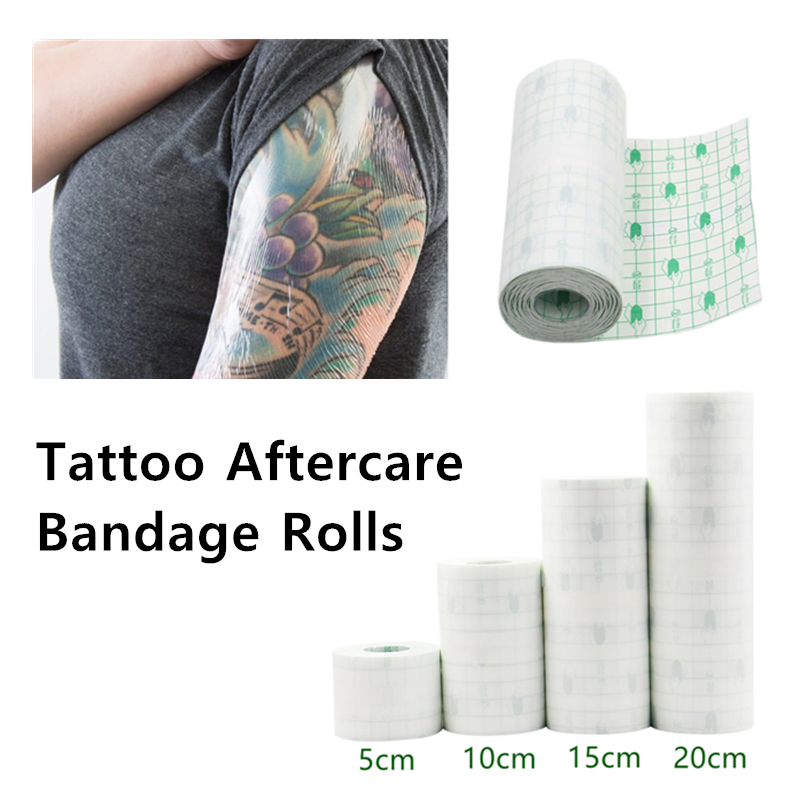
The station should have barrier film covering all surfaces, a sharps container, a separate hand-wash sink, and clearly defined clean and dirty zones. Cross-contamination between stations must be prevented through proper spacing and workflow.
Mentor Checks: Evaluating Your Teacher
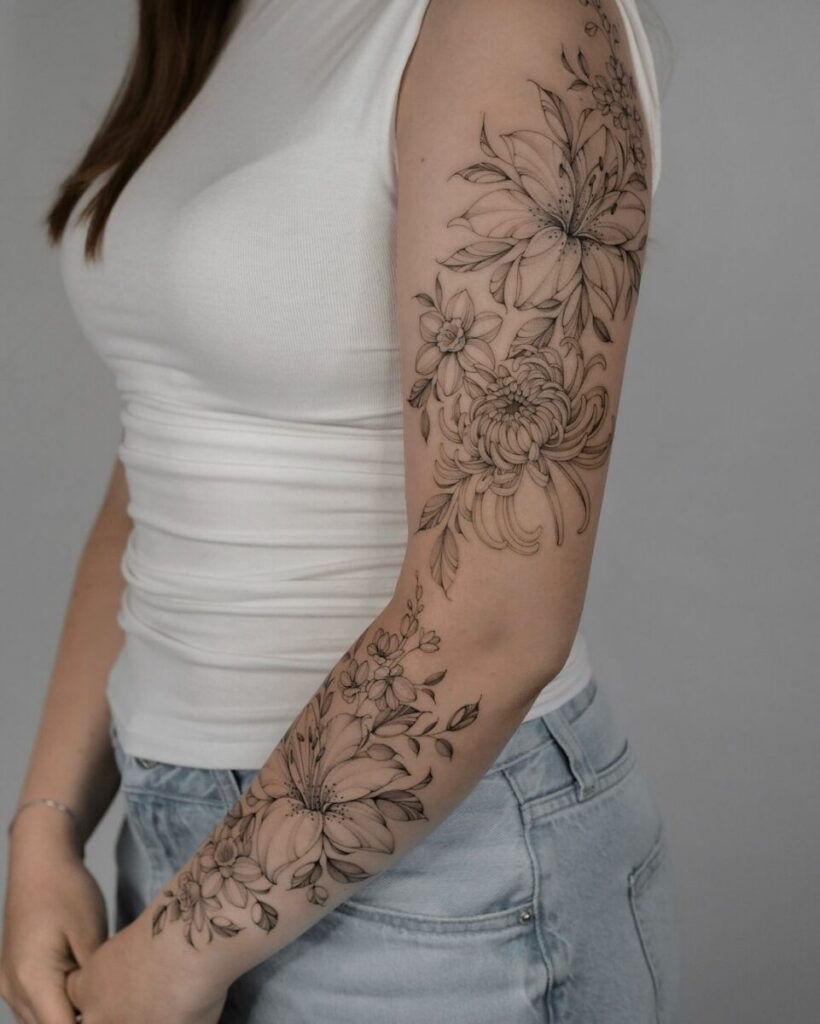
- Experience: Minimum 5 years of active tattooing, with a portfolio demonstrating consistent quality across multiple styles. Ask about their specialization and whether they have experience teaching beginners.
- Teaching Ability: Inquire about structured lesson plans, feedback sessions, and progress tracking. A good mentor provides clear learning objectives and regular assessments.
- Reputation: Look for reviews on ranking sites or studio directories. Check if they have won awards, been featured in industry magazines, or have a strong social media presence with positive student testimonials.
- Mentorship Style: Some mentors are hands-off, allowing self-directed learning; others guide step-by-step. Choose a style that matches your learning preferences. Schedule a trial session if possible.
Comparison: Studio Apprenticeship vs. Tattoo School
| Factor | Apprenticeship | School |
|---|---|---|
| Cost | Often free or low cost but requires longer commitment (6–24 months) | Tuition fee, shorter duration (3–12 months) |
| Curriculum | Varies by mentor; may lack structure | Structured syllabus covering theory, practice, and business |
| Hygiene Training | Depends on studio standards | Standardized protocols with certification |
| Networking | Direct studio connections; potential job offer | Broader peer network and alumni support |
FAQ
1. How long does a tattoo course in HCMC typically last?
Most courses range from 3 to 12 months, depending on intensity (full-time vs. part-time). Part-time options are available for working students, but expect a longer overall duration.
2. Do I need prior art experience?
While not mandatory, strong drawing skills significantly accelerate learning. Many courses offer a foundation drawing module to help you build essential skills before handling a tattoo machine.
3. Are there any hidden costs?
Some schools charge extra for materials (inks, needles, practice skin), machines, or sterilization certification. Request a full breakdown of fees before enrolling, and ask about payment plans.
4. Can I get a job after completing the course?
Reputable schools often have job placement assistance or connections with verified studios. Your portfolio is the key factor; focus on building a strong body of work during the course.
Final Advice
Visit the school in person, ask to sit in on a class, and talk to former students. Observe the hygiene practices firsthand and review the mentor’s portfolio. Your safety and education are worth the due diligence. A well-chosen course will set the foundation for a successful tattooing career.
Content hub
Pro corner hub
Read more about needles, inks, machines, cartridges and safer professional practice.
Related reading
Continue reading
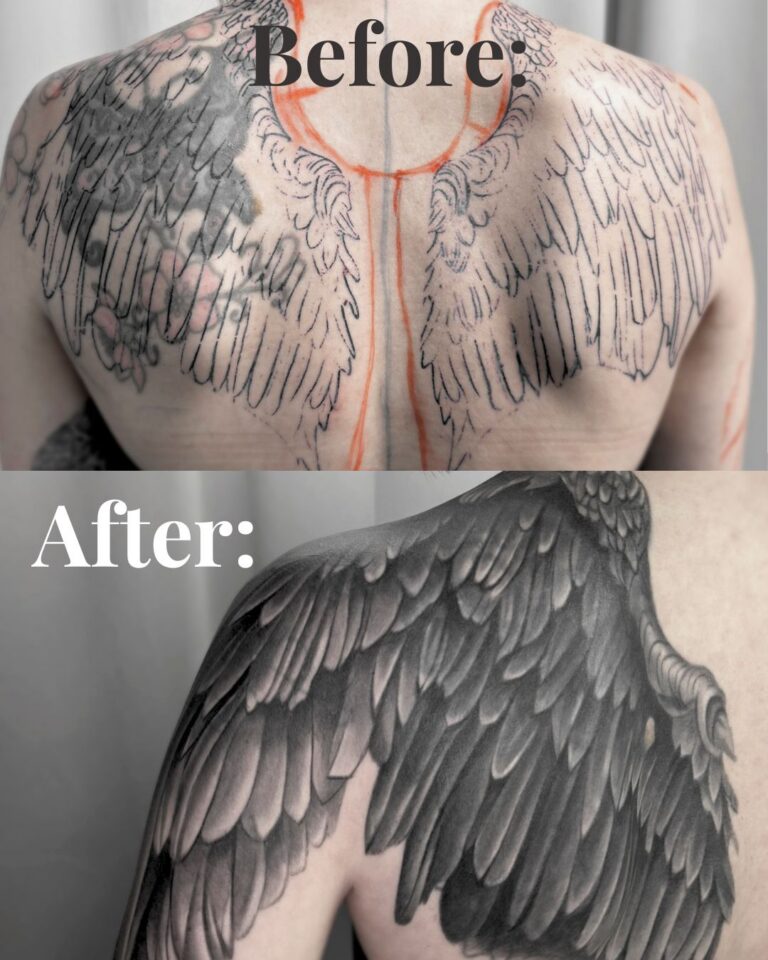
Cover-Up Tattoo in Saigon: Assessing Old Ink and Realistic Planning
Covering old ink in Ho Chi Minh City is more than a change of mind—it's a technical challenge.…
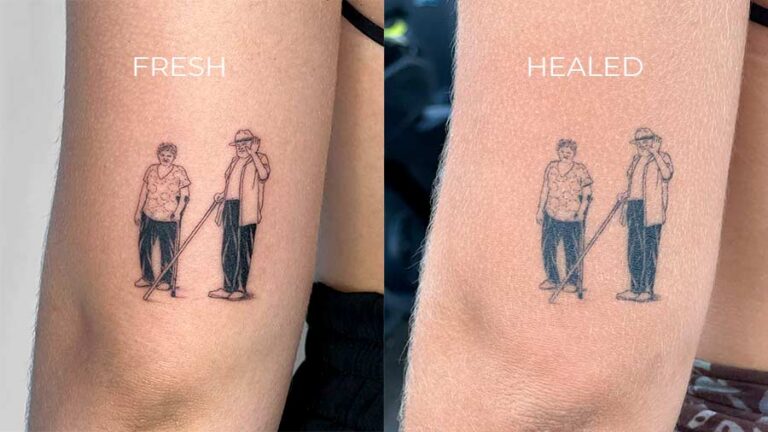
Fine Line Tattoo Ho Chi Minh City: The Real Story of Line Weight and Healed Clarity
Fine line tattoos in Ho Chi Minh City: how line weight determines healed clarity, what to ask in…
Walk-In Tattoo Saigon: Safety, Pricing & Design Limits – A Local’s Guide
Your complete guide to walk-in tattoos in Saigon: safety checks, real prices, design limits, and step-by-step advice. Get…