Fine Line Tattoo Ho Chi Minh City: The Real Story of Line Weight and Healed Clarity
Fine line tattoos in Ho Chi Minh City are everywhere. From tiny geometric wrist pieces to micro realism portraits, the style fits the city’s fast, design-forward energy. But behind the delicate look is something most clients don’t consider: line weight control. It’s the difference between an elegant tattoo and one that turns into a slow-moving blur after the first year. Let’s talk about how fine line behaves once it heals, and how to choose a studio in Saigon that understands line weight as both an aesthetic and a technical discipline.
Line Weight: The Foundation
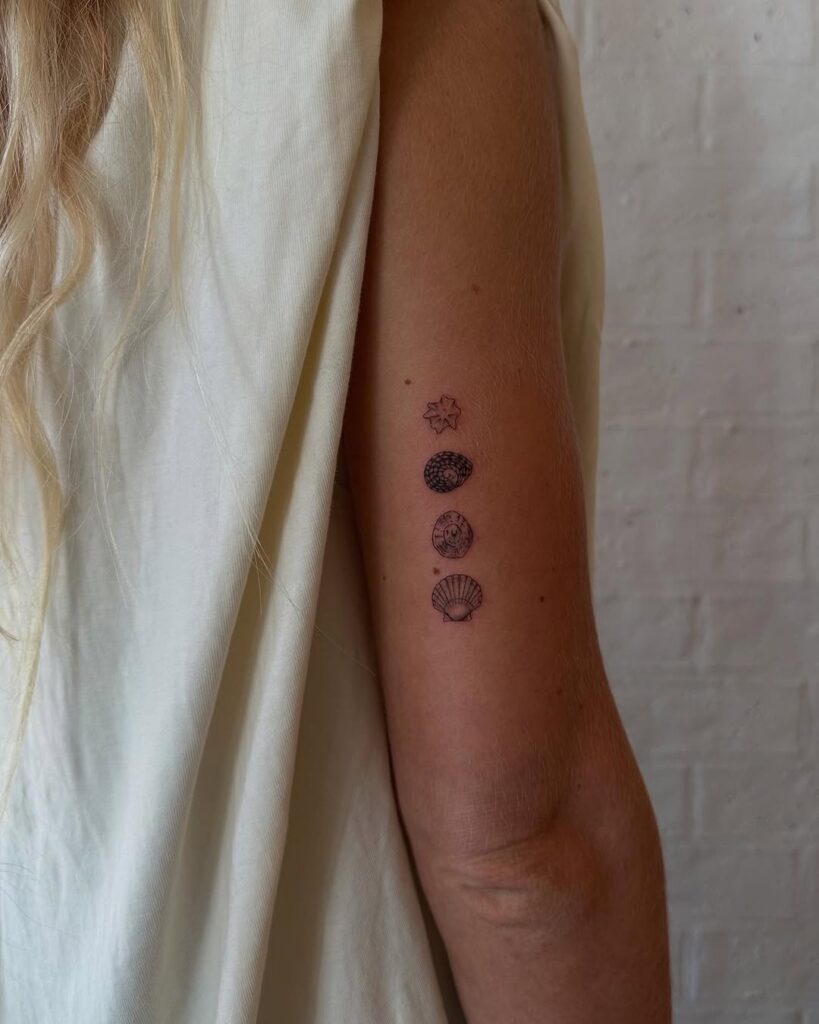
Fine line usually means outlines drawn with a single needle or a 3RL (three-needle round liner). The visual effect works only if every stroke sits in the correct depth of the dermis, with consistent tension and speed. If the artist pushes too shallow, the line may drop out during healing. Too deep, and you risk a blowout—ink drifting into the fat layer, creating a grey halo that spreads further over time. In HCMC’s humid climate, clients often assume anything that looks soft will soften more. The real issue is that fine line tattoos demand a more precise needle-insertion depth than bolder traditional work. A 1RL needs nearly perfect handling. A 3RL gives a little more safety, but also a slightly thicker line. That’s the kind of trade-off you should discuss in a consultation.
Needle Grouping and Taper
Needle configuration changes how ink saturates the skin. A standard 3RL in a short taper deposits ink quickly, making it easier to control but less forgiving if the artist hesitates. A longer taper gives you a softer line, but it requires more passes. For blackwork and dotwork, many HCMC artists prefer a 5RL for subtle shading. For graphic tattoo or abstract tattoo styles, a mix of 1RL and 3RL can create the signature “pencil sketch” effect. Always ask your artist what needle sizes they plan to use and why. If they cannot explain the choice clearly, that is a warning sign.
Voltage, Hand Speed, and Stretching
Line weight is also determined by machine settings and skin work. The same 3RL can produce a wobbly 0.3mm line or a crisp 0.5mm line depending on voltage, hand speed, and how the artist stretches the skin. In Ho Chi Minh City’s hot weather, client skin tends to be more hydrated, which affects the feedback the artist feels. A senior artist will adjust their method based on the specific area and skin type—not just memorise a single setting. This is why you should ask to see a healed piece from the same body part, not just a fresh photo.
Healed Clarity: What Fine Line Looks Like After a Year

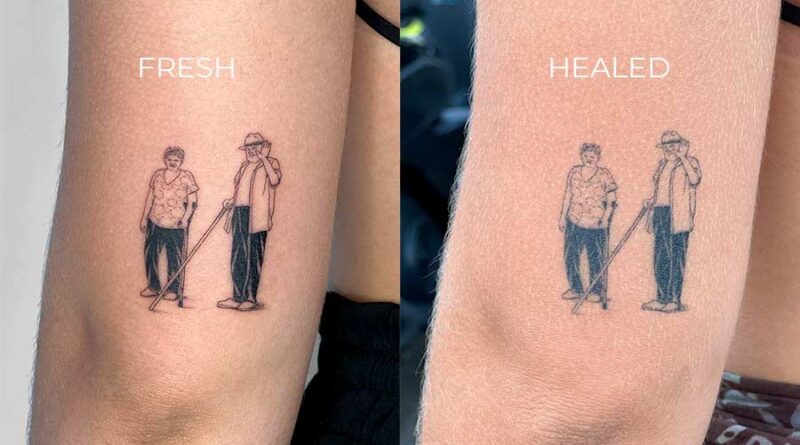
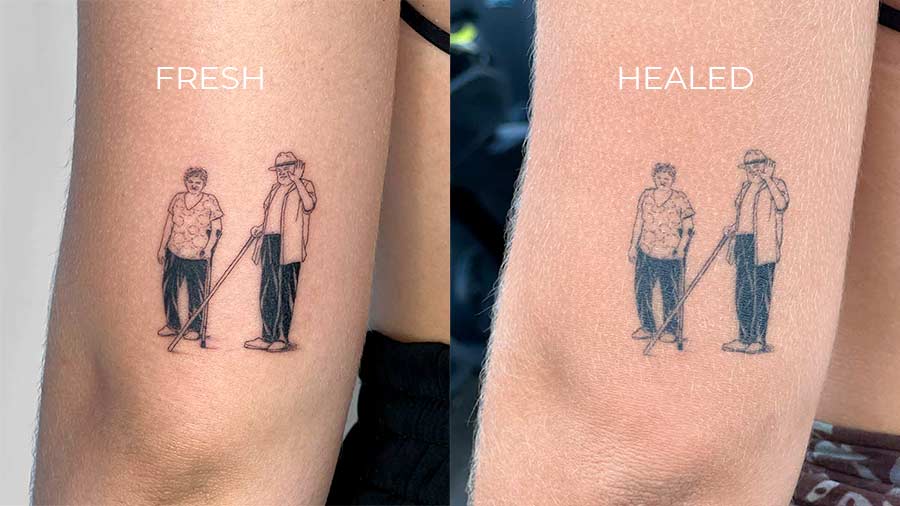
Clarity after healing is the true test. A fine line tattoo that looks perfect on the day might become a grey smudge in twelve months. The causes are usually avoidable: improper depth, overworking the skin, or aftercare that lets the scab dry and crack. In a tropical city like Saigon, sweat and friction can interfere with healing. Following the artist’s aftercare plan is non-negotiable.
Blowouts and Migration
A blowout happens when ink goes into the subcutaneous layer. It looks like a blurry shadow around the line, and it doesn’t improve with time. Some migration is normal as the tattoo ages, but a proper line will spread only slightly. If you see thick, dark halos in a studio’s healed photos, avoid that artist. Blowouts are more common with ultra-fine lines because the margin for error is tiny.
Fading, Spreading, and the Right Depth
All tattoos fade and spread, but fine line does so faster if the ink is placed too superficially. The ideal depth is in the papillary dermis, just below the epidermis. A skilled artist will test the depth by feeling the needle against the skin, not by guessing. When you evaluate a portfolio, look at fine line pieces that are 3–5 years old. Do the lines still have crisp edges? Is the contrast still there? If yes, the artist understands depth.
Choosing a Fine Line Tattoo Studio in Ho Chi Minh City
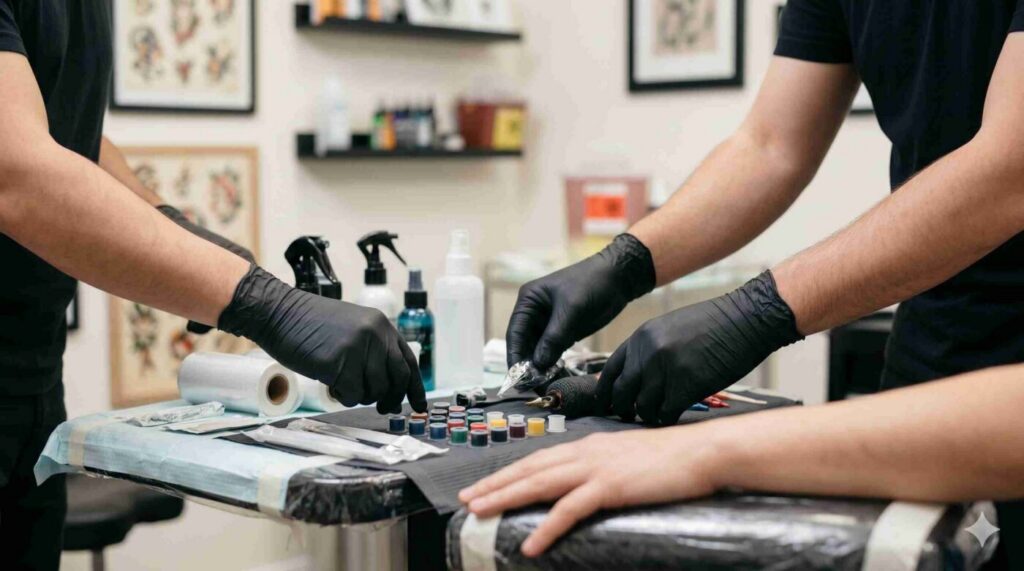
Saigon has a thriving tattoo community, with styles ranging from Japanese traditional to watercolor tattoo. But fine line is a specialty. You want an artist who lives in that lane, not someone who does it occasionally. A reliable way to start your search is to browse tattoo ranking lists and verified studios that focus on fine line and blackwork. Do not rely on Instagram filters—ask for healed photos.
What to Look for in Healed Portfolios
When reviewing a healed portfolio, zoom in on the details. Check the edges of the lines. Are they sharp, or do they look like a feather? Look at small text—lettering is notoriously difficult because letters can close up if the line weight is too heavy. Also, look for photos taken in natural light, not edited studio lighting. Micro realism and geometric tattoo work is often combined with fine line, so ask to see examples of those specific styles if you’re interested.
The Local Environment: Humidity and Aftercare
Ho Chi Minh City’s humidity affects how tattoo wounds heal. Sweat can pool under the bandage, and high humidity can keep the skin damp longer than in drier climates. A good artist will give you specific aftercare instructions for the tropics. If they just say “keep it dry” without explaining how to manage Saigon weather, consider that a red flag. Trusting a studio that understands local conditions matters just as much as equipment quality.
The Booking Consultation: Questions to Ask
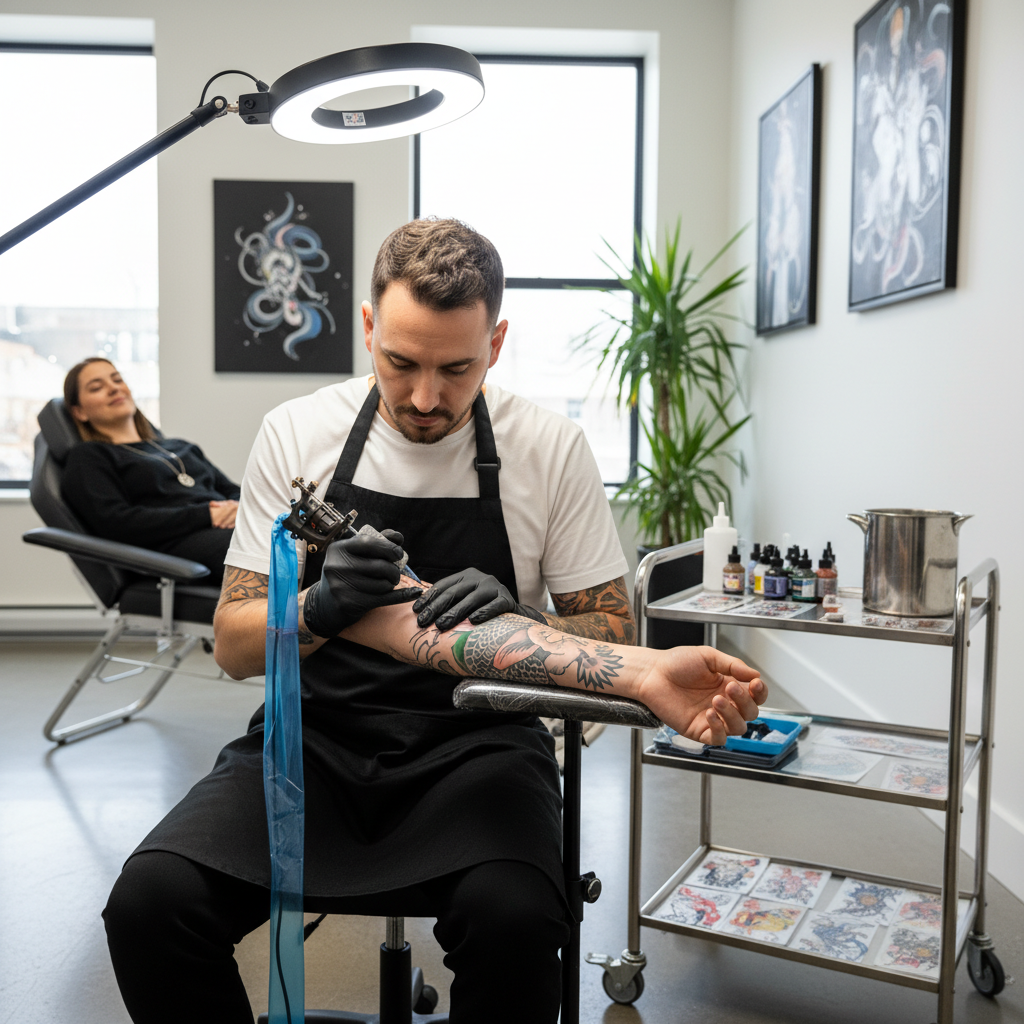
Before you book, schedule a face-to-face consultation. Many HCMC studios offer this free, and it’s worth the time. Use it to evaluate the artist’s technical knowledge and personality. Here is a checklist to take with you:
- What needle grouping do you plan to use for the outline?
- Do you have healed photos of similar fine line pieces taken after at least 6 months?
- How do you manage aftercare in Ho Chi Minh City’s hot, humid climate?
- What is your policy on touch-ups if some lines fall out during healing?
- Can we adjust the design to avoid areas that spread more, like fingers and palms?
- Do you practice a particular style—do you specialise in fine line, or do you also do Japanese traditional and neo-traditional?
Take your time. A professional artist will welcome these questions. If they get defensive, move on. You can also use our consultation guide for more tips on what to discuss.
Realistic Caveats: What Fine Line Can’t Do
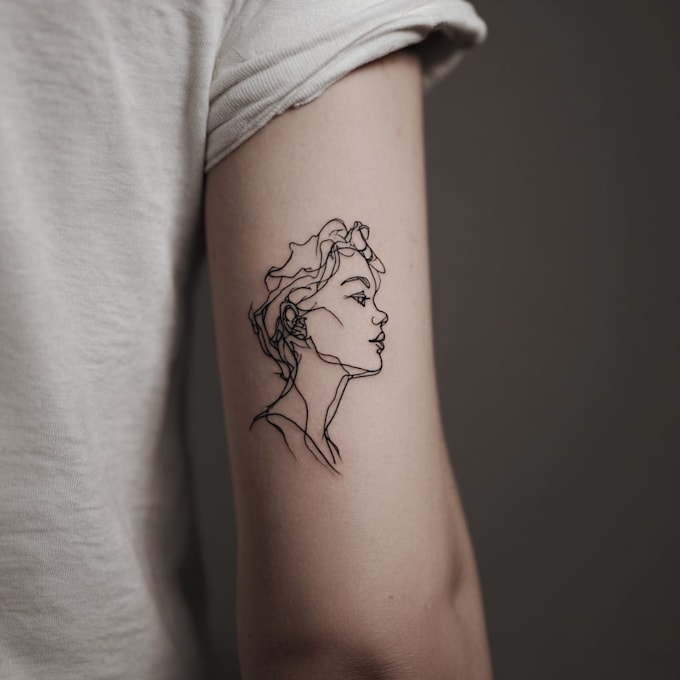
Fine line has limits. Very thick, saturated colour is not its strength; that’s better for Japanese traditional or neo-traditional. If you want a watercolor tattoo, fine line can be part of the design, but the colour will fade faster than linework. Also, tiny details may become unreadable over time. A small bird with 0.2mm wings will eventually blur. A good artist will warn you and suggest a larger version or a simpler composition. This is not a lack of confidence—it’s professionalism. Read our tattoo journal for more on style-specific longevity.
Aftercare That Protects Your Line Work
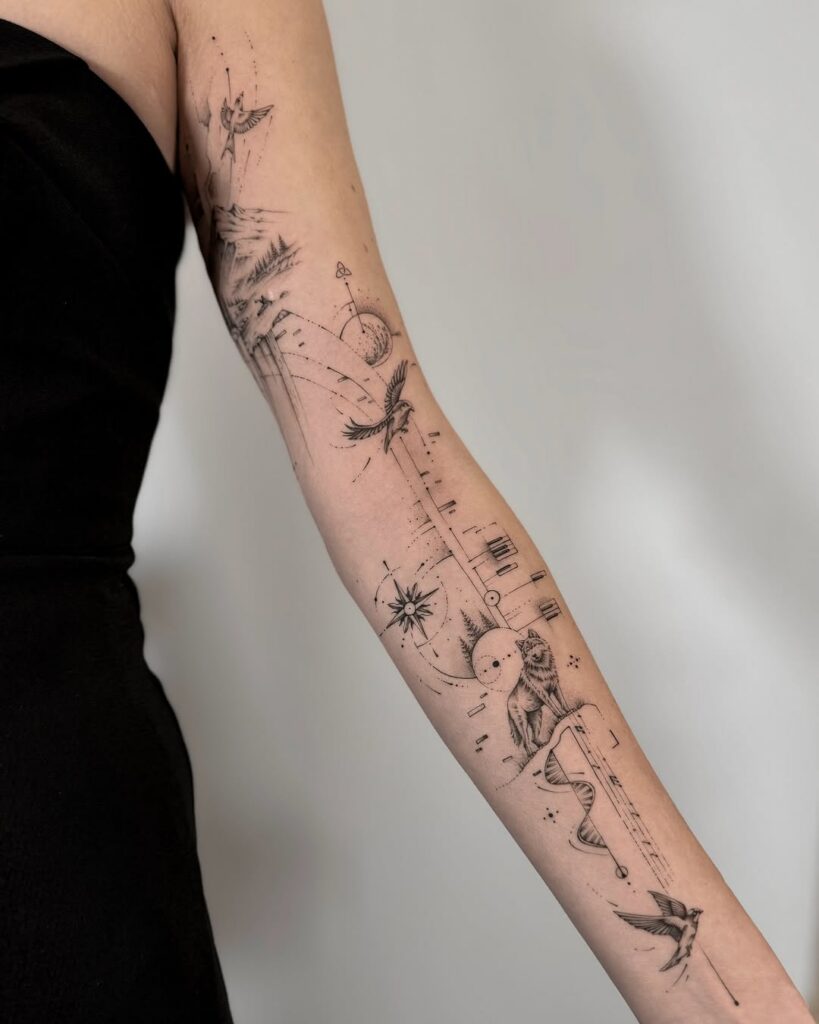
Proper aftercare is your half of the deal. The goal is to keep the tattoo clean, moist enough to avoid cracking scabs, and protected from the sun. In Saigon, that means avoiding direct sunlight on the fresh tattoo for at least two weeks. When you shower, do not let the water pressure hit the tattoo. Pat it dry with a clean towel. Use a mild, unscented moisturizer as your artist advises. You should also avoid swimming pools and the beach during the first week—chlorine and salt are terrible for unhealed lines.
If a line looks a little dull after peeling, do not book a touch-up too soon. Wait at least three months. The ink needs time to settle. In our experience, many “broken” fine line tattoos are actually fine once the skin fully regenerates. For pricing guidance, check our tattoo cost estimator to understand how touch-ups are usually billed, so you are not surprised.
FAQ
How long do fine line tattoos last?
With proper aftercare and moderate sun protection, a fine line tattoo can last a lifetime. However, it will fade and spread more than a bold traditional tattoo. Expect small lines to blur slightly after 5–10 years. The key is correct depth and good aftercare.
Do fine line tattoos hurt less?
Pain depends on the area and your personal tolerance, not just the needle size. A 1RL can be sharper because it’s a single point, but it also makes a smaller mark. The sensation is often described as a scratch rather than a heavy line. Still, any tattoo involves breaking the skin.
Can you fix a blown-out fine line tattoo?
Sometimes a minor blowout can be covered with a slightly thicker boundary or additional shading. Severe blowouts are difficult to remove without laser, and preventative measures are always better. That’s why choosing an experienced fine line artist is critical.
How can I find the right fine line artist in Ho Chi Minh City?
Start with tattoo studio rankings and verified studio lists. Look for artists who regularly post healed work and discuss aftercare. Then schedule a consultation to evaluate their equipment knowledge and style. Trust your instinct—if they focus on your design rather than just upselling, you’re in good hands.
Fine line tattoos in Ho Chi Minh City can be stunning and long-lasting if the fundamentals are right. Remember that line weight is not an artistic choice only; it’s a technical one. Do your research, ask the right questions, and choose a studio that treats healed clarity as seriously as they treat the initial sketch. The best ink is the kind that still looks intentional years later.
Keep exploring Vietnam Tattoo
- Browse Ranking for notable studios by city, style, and intent.
- Search studios by city, verification level, and contact channel.
- View verified profiles to check approved and verified entries.
- Request a consultation if you need help choosing style, placement, or a suitable studio.
Content hub
Trusted studio pillar
This article belongs to the studio cluster. Open the pillar page for hygiene standards, healed portfolio checks, Verified signals and how to choose a studio.
Related reading
Continue reading
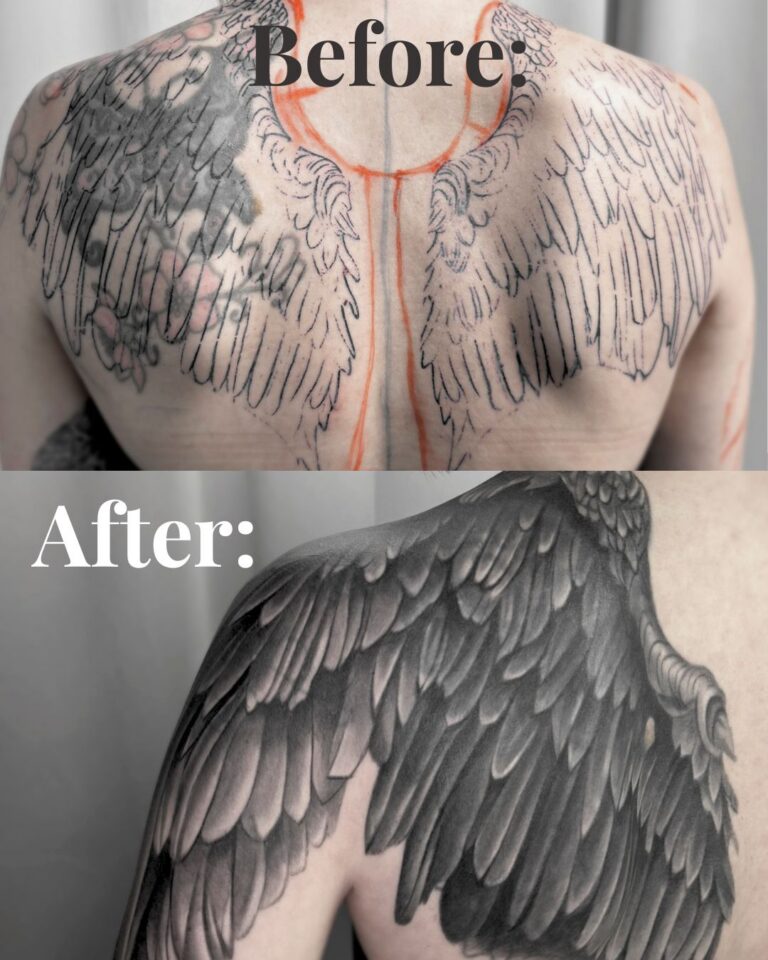
Cover-Up Tattoo in Saigon: Assessing Old Ink and Realistic Planning
Covering old ink in Ho Chi Minh City is more than a change of mind—it's a technical challenge.…

Walk-In Tattoo Saigon: Safety, Pricing & Design Limits – A Local’s Guide
Your complete guide to walk-in tattoos in Saigon: safety checks, real prices, design limits, and step-by-step advice. Get…
First Tattoo Consultation in Ho Chi Minh City: 10 Essential Questions to Ask
Essential questions to ask during your first tattoo consultation in Ho Chi Minh City. Includes safety checks, cost…