
Blackwork Tattoo Design Consultation: The Saturation & Negative Space Checklist
Blackwork Tattoo Design Consultation: The Saturation & Negative Space Checklist

Blackwork is not a single style—it’s a discipline of ink. Whether you’re drawn to bold graphic shapes, intricate dotwork, or the stark contrast of negative space, a successful blackwork piece lives or dies by decisions made before the needle touches skin. This guide is a specialist checklist for your design consultation, focusing on the three pillars that separate average blackwork from exceptional: solid saturation, deliberate negative space, and clean skin breaks. Use it to communicate clearly with your artist and ensure your tattoo ages as well as it looks on day one.
1. Solid Saturation: The Foundation of Blackwork
Solid saturation means the black ink is packed evenly and densely, with no patchy or gray areas. It’s the difference between a tattoo that looks like a sticker and one that looks like a scar. During your consultation, discuss the following:
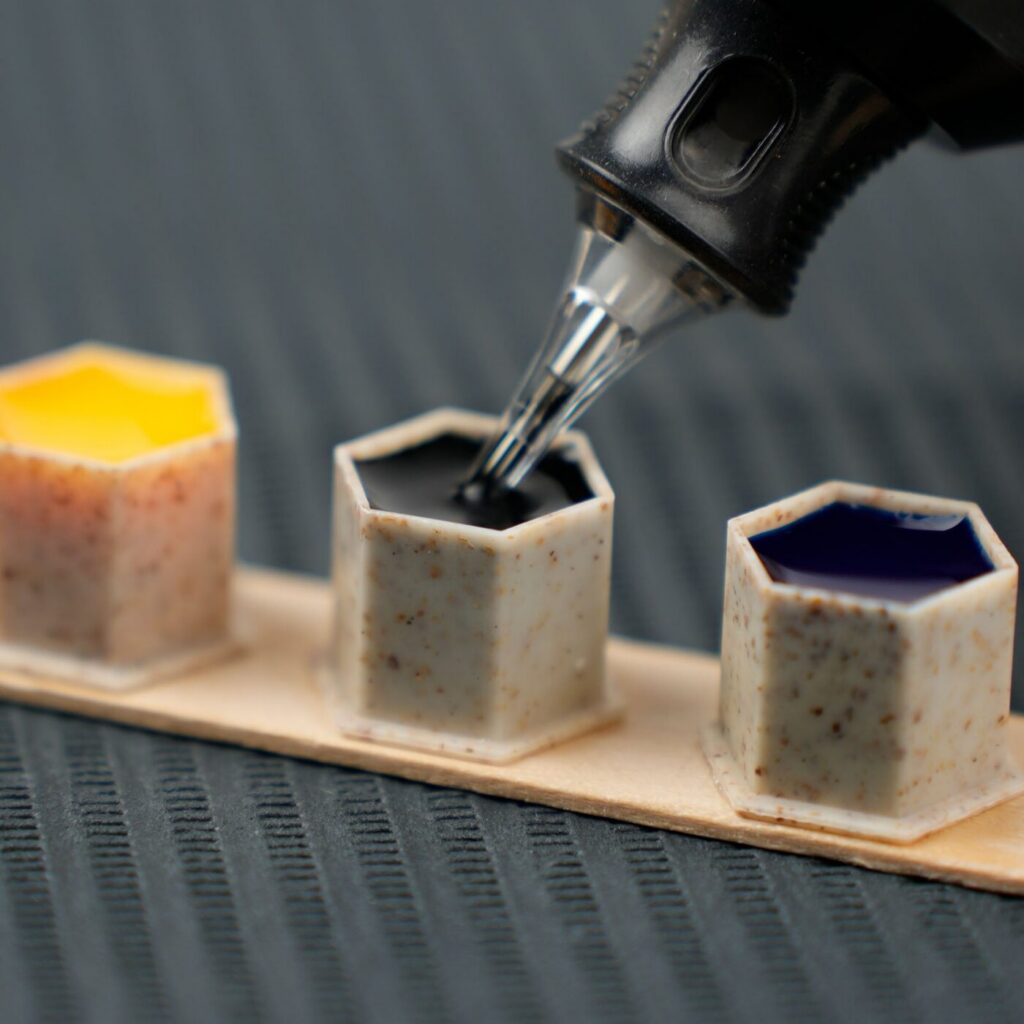
- Black ink density: Ask your artist about the brand of ink they use and how many passes they typically do to achieve full saturation. Some artists prefer a single heavy pass, while others layer for depth.
- Skin texture: Areas with thicker skin (like the back or shoulders) hold saturation differently than thin skin (like the inner arm or ribs). Your artist should explain how they’ll adapt their technique to your specific placement.
- Healing and touch-ups: Even the best blackwork can heal patchy in spots. Clarify your artist’s touch-up policy and what you can do during aftercare to preserve saturation (e.g., avoiding sun exposure).
Checklist for Saturation
- [] Discuss ink brand and layering technique.
- [] Ask how many passes are typical for your design.
- [] Identify areas of your body that may require extra attention.
- [] Confirm touch-up policy and cost.
2. Negative Space: The Art of Letting Skin Breathe
Negative space is the uninked skin that shapes the design as much as the black itself. In blackwork, it’s a powerful tool for contrast and movement. But it requires careful planning to avoid looking unfinished or accidental.
- Purposeful placement: Negative space should be designed, not left over. Ask your artist how they plan to use it—whether to create highlights, suggest form, or add a graphic break.
- Scale and distance: Small negative space details can blur or close up over time. Ensure that any skin breaks are large enough to remain distinct as the tattoo ages.
- Contrast with black: The relationship between black and skin tone is key. Discuss how your skin’s undertone (warm, cool, olive) might affect the visual pop of negative space.
Checklist for Negative Space
- [] Ask for a visual mock-up that clearly shows negative space.
- [] Confirm that skin breaks are proportionate to the design’s size.
- [] Discuss how negative space will interact with body contours.
- [] Ensure that negative space serves a purpose (e.g., light source, focal point).
3. Skin Breaks: The Longevity Factor
Skin breaks are the un-inked gaps that allow the skin to breathe and the tattoo to settle. They are not the same as negative space—they are often smaller, strategic gaps that prevent the tattoo from becoming a solid black blob. Proper skin breaks are crucial for readability and healing.
- Breaks in solid areas: Large black areas can be visually heavy and may heal with a ‘stamped’ look. Skin breaks, like small dots or thin lines, can break up the mass and add texture.
- Placement on moving parts: On joints or areas that stretch, skin breaks prevent distortion. Your artist should plan breaks that align with natural skin folds.
- Style-specific breaks: Dotwork and geometric tattoos often use skin breaks as part of the pattern. Discuss how these breaks contribute to the overall style—whether it’s a tattoo magazine style or a custom piece.
Checklist for Skin Breaks
- [] Identify where skin breaks will be placed and why.
- [] Ask how breaks will affect the tattoo’s aging process.
- [] For dotwork, discuss dot size and spacing.
- [] Ensure that breaks are not just afterthoughts but integral to the design.
4. Style-Specific Considerations
Blackwork encompasses many styles, each with its own rules. Use this section to narrow down your consultation based on your chosen aesthetic.
Fine Line & Dotwork
Fine line blackwork relies on delicate lines and stippling. Here, saturation is lighter, but precision is paramount. Ask about line weight and how dotwork gradients are achieved. Negative space is often used to create depth without heavy black.
Geometric & Abstract
Geometric tattoos demand perfect symmetry and sharp lines. Saturation must be consistent to make shapes pop. Skin breaks are often used as optical illusions. Discuss how the design will wrap around your body’s curves.
Realism & Micro Realism
Realism uses blackwork for shading and contrast. Saturation is varied to create tonal ranges. Negative space becomes highlights. Ask about the artist’s experience with realistic skin texture and how they plan to avoid muddy results.
Ornamental & Tribal
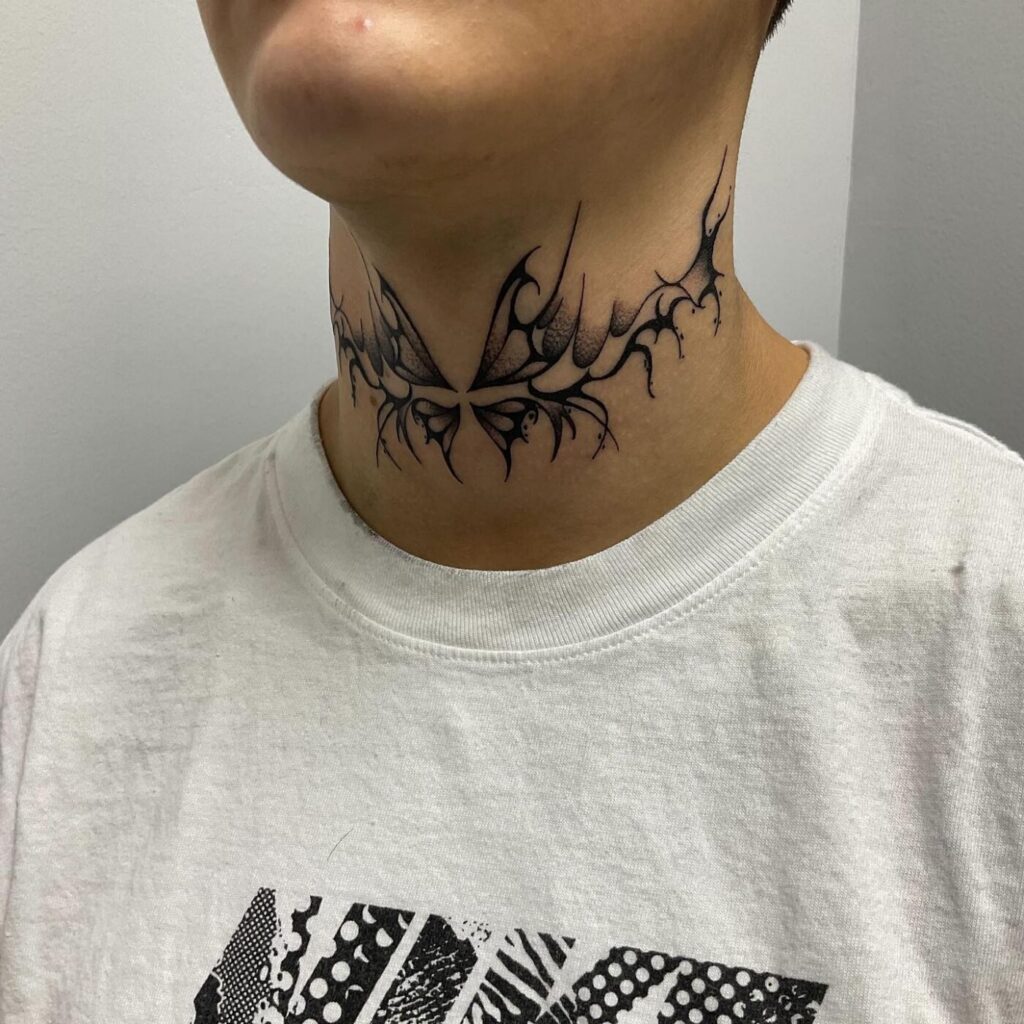
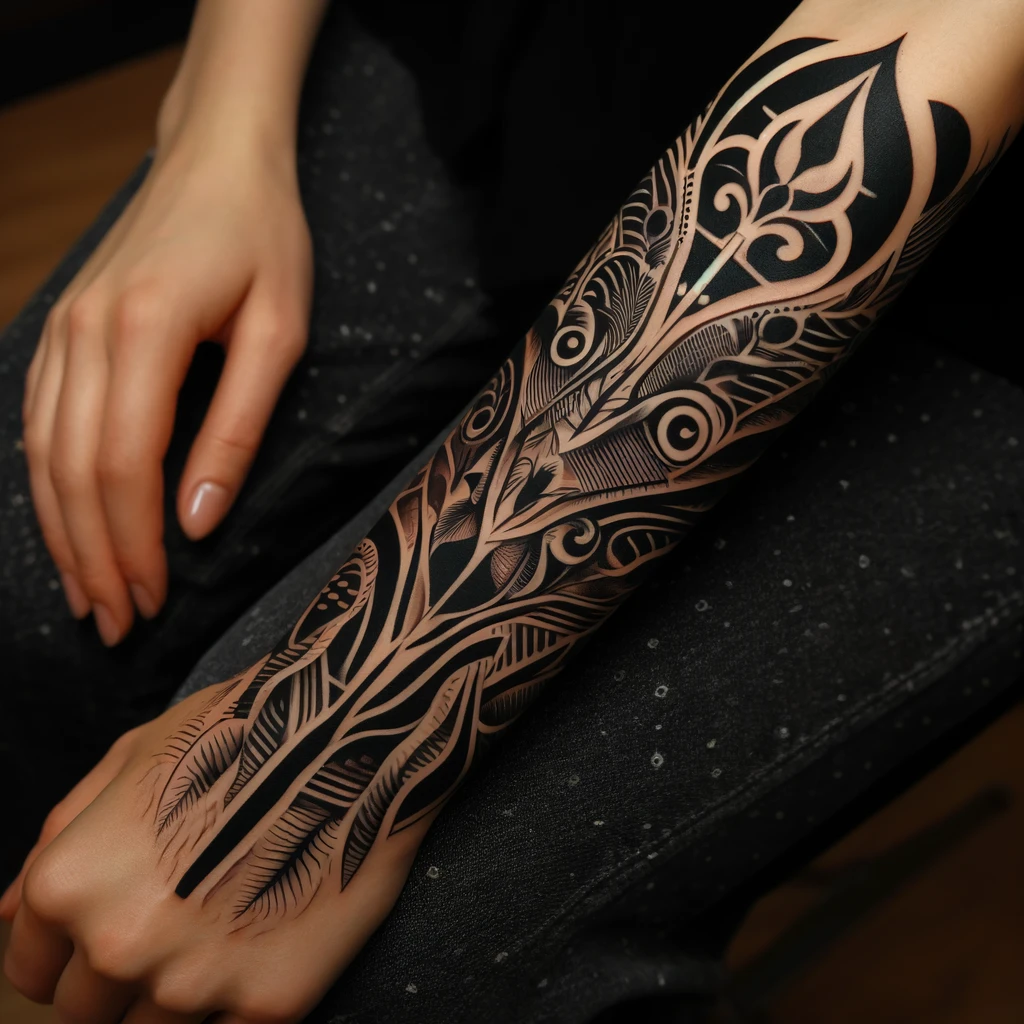
Ornamental and tribal styles rely on bold black shapes. Saturation is non-negotiable. Skin breaks are used to create flow and rhythm. Discuss how the design will complement your anatomy.
5. Booking & Safety Questions
Before you commit, ask these essential questions to ensure a smooth experience.
- Portfolio review: Ask to see healed blackwork pieces, not just fresh ones. This shows how saturation and breaks hold up over time.
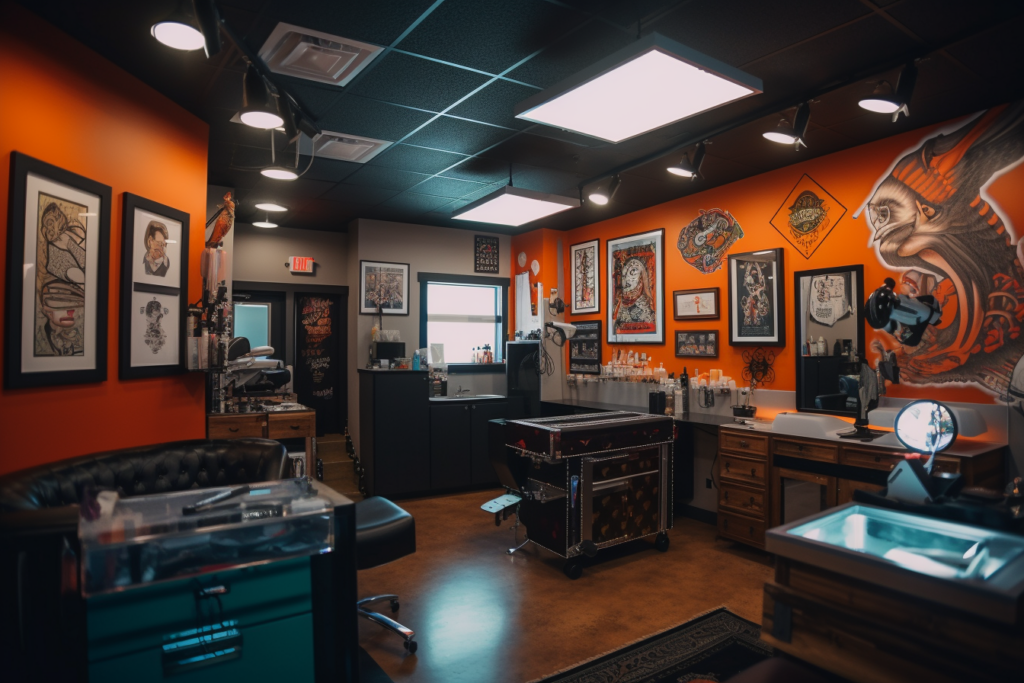
- Hygiene standards: Confirm that the studio follows strict sterilization protocols. You can check verified studios for peace of mind.
- Consultation fee: Some artists charge for consultations, which may be applied to your tattoo cost. Clarify this upfront.
- Deposit and scheduling: Understand the deposit policy and how far in advance you need to book. This helps you plan.
6. Aftercare for Blackwork
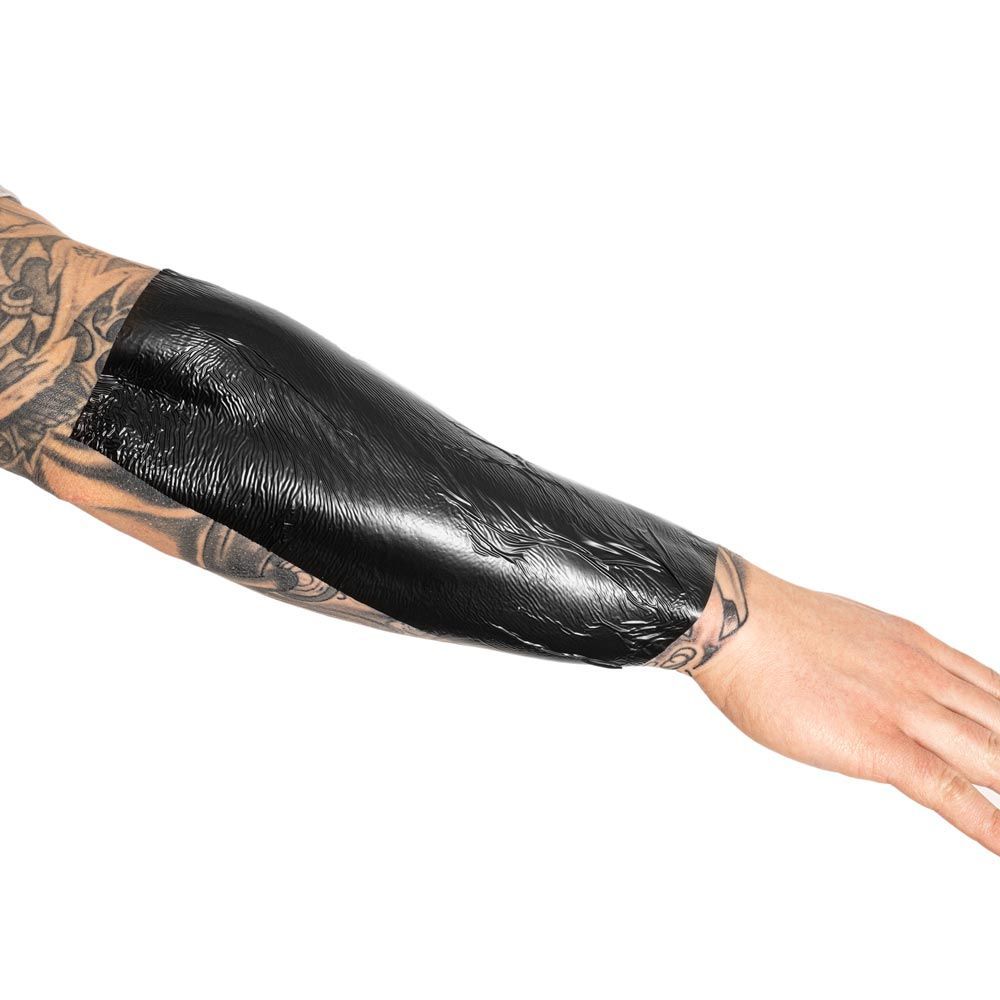
Aftercare directly affects saturation and healing. Your artist will give you specific instructions, but here are general tips:
- Keep the tattoo moisturized but not overly wet.
- Avoid direct sunlight on the fresh tattoo.
- Do not pick at scabs—let them fall off naturally.
- Follow up with your artist if you notice any issues.
FAQ
1. How do I know if my artist is good at blackwork?
Look for a portfolio that shows healed blackwork with consistent saturation and clear skin breaks. Ask to see close-ups of solid black areas to check for patchiness.
2. Can blackwork be done in color?
Blackwork by definition uses black ink, but some artists incorporate gray wash or white highlights. Discuss your preferences during the consultation.
3. How long does a blackwork tattoo take to heal?
Initial healing takes 2-3 weeks, but full settling can take up to 2 months. During this time, the black may appear lighter before darkening again.
4. Is blackwork more painful than other styles?
Pain depends on placement and your tolerance, not the style. However, solid saturation may require more passes, which can extend the session.
Ready to start your blackwork journey? Use our tattoo cost estimator to budget for your piece, or browse artist rankings to find a specialist. For more advice, check our tattoo consultation tips.
Read more
- Magazine for more tattoo knowledge, style guides and aftercare notes.
- Request a consultation if you need help with style, placement or preparation.
- Marketplace for equipment, supplies and learning resources.
Content hub
Tattoo styles pillar
This article belongs to the styles cluster. Open the pillar page to compare Irezumi, Old School, Realistic, Blackwork, Fine line, Geometric and Watercolor.
Related reading
Continue reading
Lettering Tattoo Healed Portfolio Review: Kerning, Baseline & Placement Distortion
A specialist healed-portfolio review guide for Lettering tattoos, focused on kerning, baseline control and placement distortion. Includes concrete…
Lettering Tattoo Placement: A Specialist Guide to Kerning, Baseline Control, and Body-Flow Distortion
A specialist guide to lettering tattoos focusing on kerning, baseline control, and placement distortion. Learn how to plan…
Lettering Tattoo Design Consultation Checklist: Kerning, Baselines, and Placement Distortion
A specialist consultation checklist for lettering tattoos covering kerning, baseline control, and placement distortion. Includes practical tests, booking…