
Black and Grey Tattoo: A Healed Portfolio Review Guide
Why a Healed Portfolio Review Matters
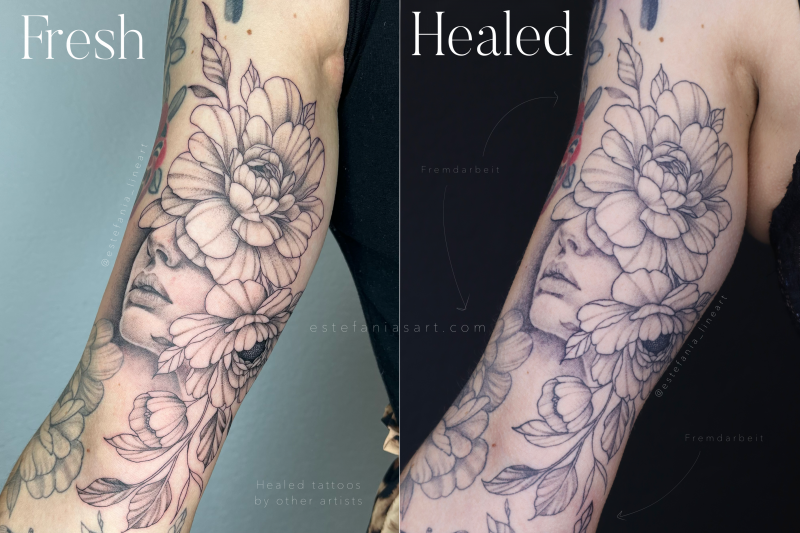
When you’re considering a black and grey tattoo, the artist’s healed work is the only reliable evidence of their skill. Fresh tattoos look vibrant and crisp, but the true test is how they settle over months and years. This guide is a specialist walkthrough for evaluating healed black and grey portfolios—focusing on value range, smooth gradients, and long-term contrast. You’ll learn what to look for, what to avoid, and how to make an informed decision before booking.
Core Principles of Black and Grey Tattooing
Black and grey is not simply a color choice; it’s a discipline of light and shadow. Mastery lies in three pillars:
- Value Range: The spectrum from pale grey to deep black. A wide range creates depth, while a narrow range looks flat.
- Smooth Gradients: Transitions between values should be seamless, without harsh lines or patchy spots.
- Long-Term Contrast: The design must remain readable as the ink spreads and fades over time. High contrast ensures key elements stay distinct.
These principles apply across styles—from Fine line and Realism to Geometric tattoo and Abstract tattoo. Even in Japanese traditional, where bold black dominates, gradient control is essential for smooth transitions.
How to Evaluate a Healed Portfolio
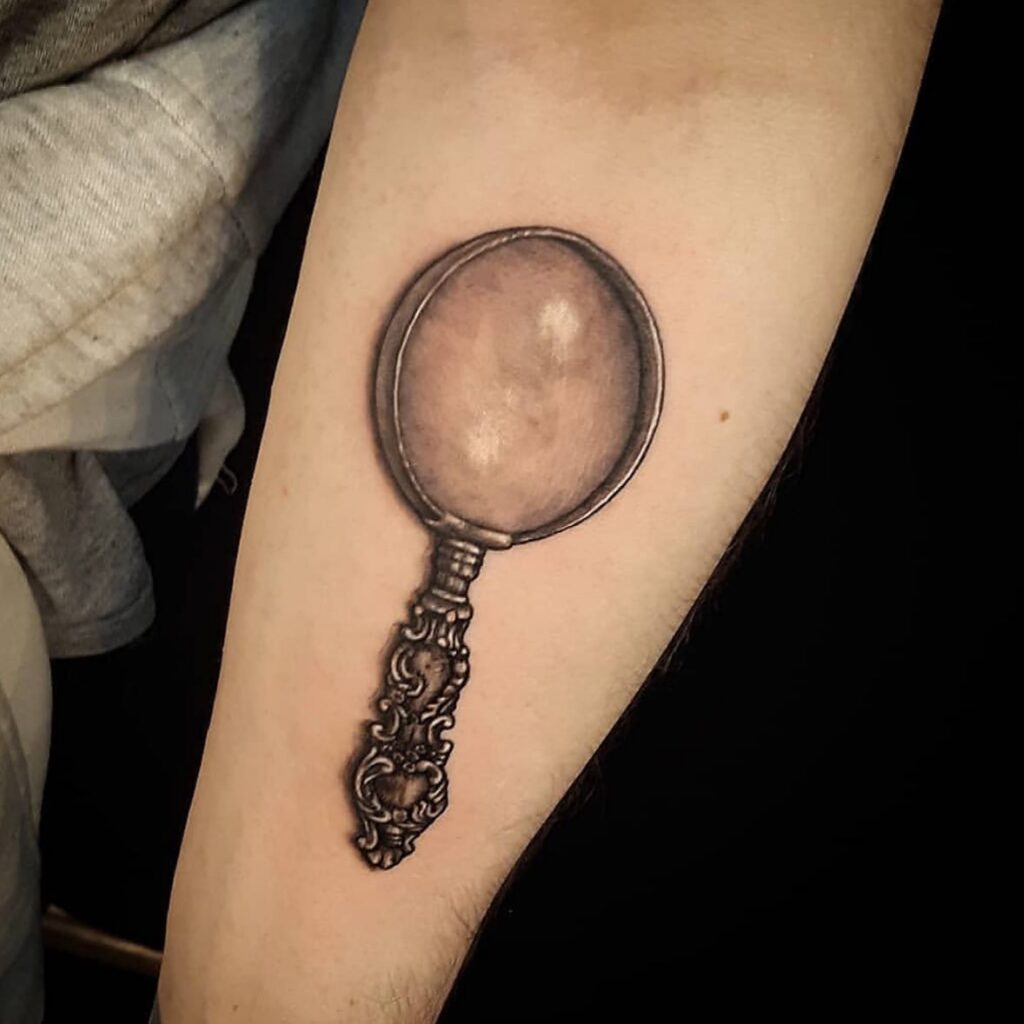
When reviewing a portfolio, don’t just look at fresh photos. Ask for healed images, ideally at 6 months and 1 year post-session. Here’s a systematic approach:
1. Check Value Range in Different Lighting
Look for photos taken in natural light, not just studio lighting. Does the tattoo show a full range from light grey to black? In a Realism piece, the darkest shadows should be near-black, while highlights should be barely-there grey. If everything looks mid-tone, the artist may be playing it safe.
2. Examine Gradient Smoothness
Zoom in on areas where shading transitions, like a portrait’s cheekbone or a Geometric tattoo‘s fade. Are there visible lines, dots, or blotches? Smooth gradients are achieved through techniques like Dotwork or careful whip shading. Patchy gradients indicate rushed work or improper needle depth.
3. Assess Contrast After Healing
Black ink inevitably fades and spreads. A good healed tattoo retains contrast—the dark areas remain dark, and the light areas stay light. If the tattoo looks muddy or blurred, the artist likely didn’t plan for ink spread. For example, in Micro realism, fine details can close up over time; check if the artist left enough negative space.
4. Look for Consistent Style Execution
An artist should have a signature style, but also versatility. Compare their Blackwork pieces to their Ornamental or Tribal work. Consistency in line weight, shading, and contrast across styles is a sign of deep understanding.
Common Red Flags in Healed Work
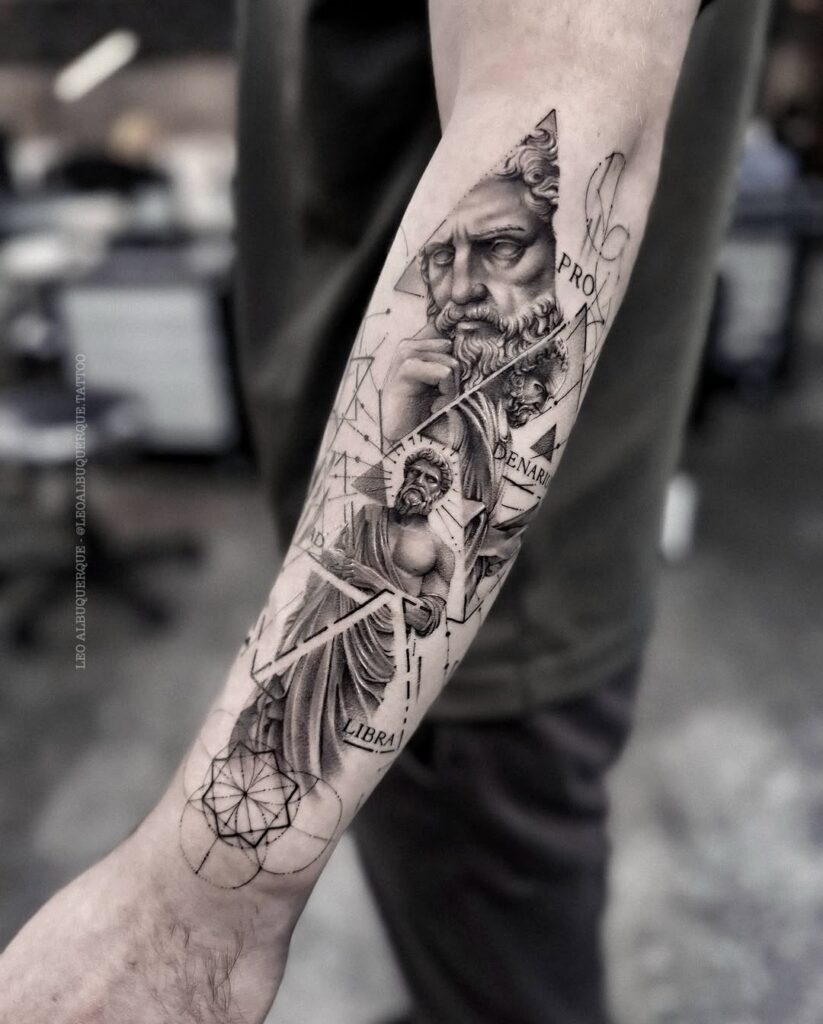
- Muddy Transitions: Areas where grey meets black without a clear boundary.
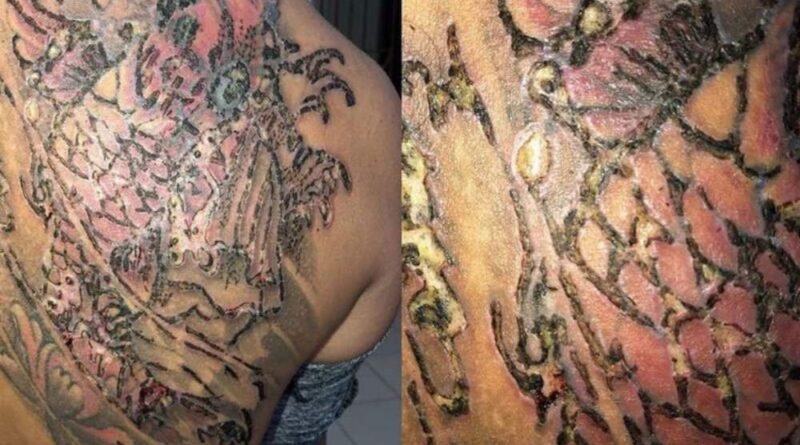
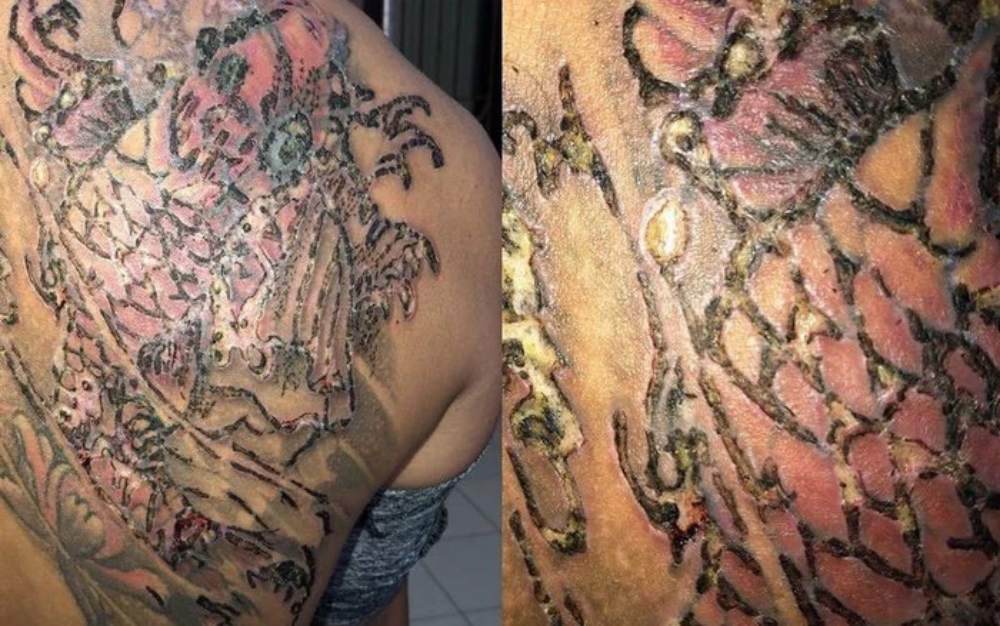
- Blowouts: Ink that has spread under the skin, creating dark halos around lines.
- Patchy Fades: Uneven fading that leaves some spots darker than others.
- Loss of Detail: In Fine line or Micro realism, fine details that become unreadable after a year.
- Contrast Collapse: The tattoo becomes a uniform grey blob, losing its visual hierarchy.
These issues often stem from poor ink saturation, incorrect needle depth, or lack of aftercare. A reputable artist will have a portfolio that stands up to scrutiny.
Healed Portfolio Checklist

Use this checklist when reviewing an artist’s healed work:
- Are there healed photos at 6+ months?
- Do the photos show natural lighting?
- Is there a full value range from light grey to black?
- Are gradients smooth without visible transitions?
- Does the tattoo retain contrast and readability?
- Are there close-ups of detailed areas?
- Does the artist explain how they plan for longevity?
If an artist can’t provide healed photos, that’s a red flag. They should be proud of how their work ages.
Booking and Safety Questions
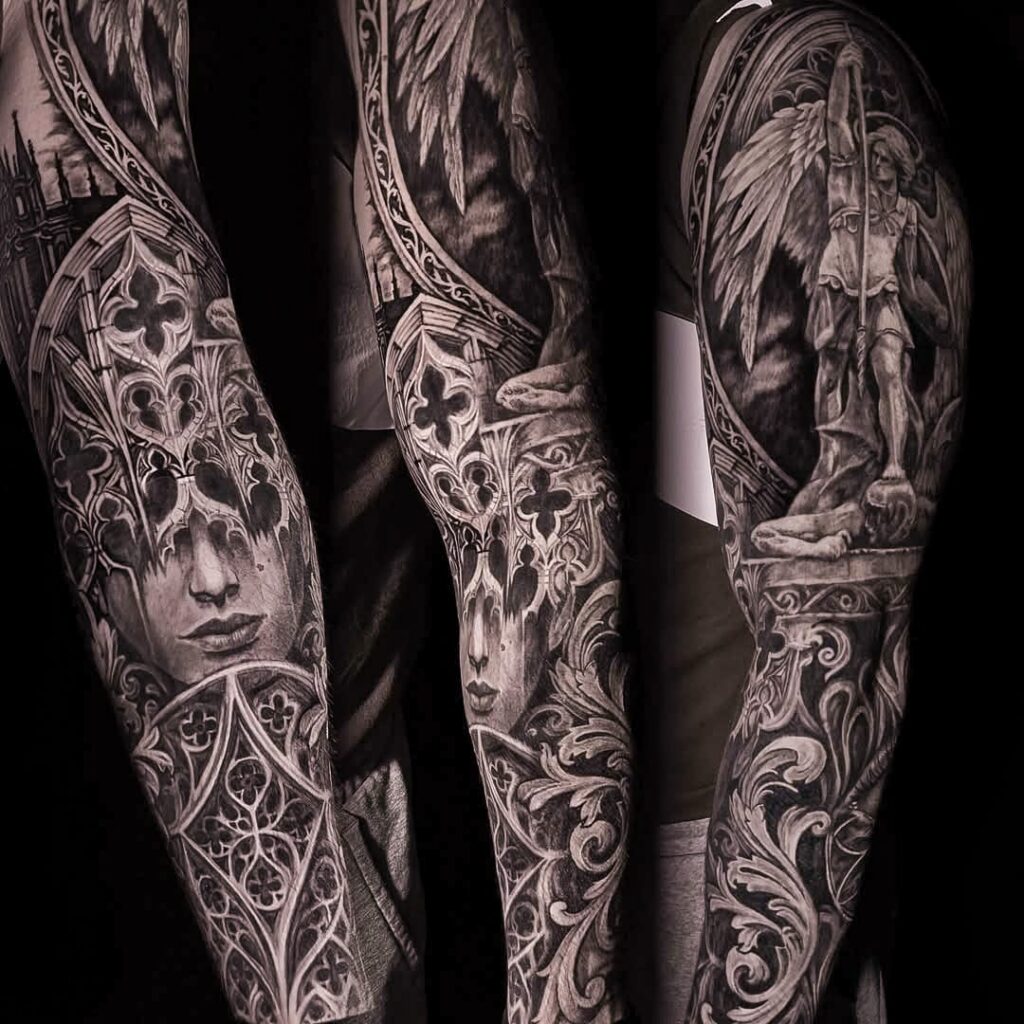
Once you’ve shortlisted an artist, ask these questions before booking:
- Can you show me healed photos of tattoos similar to my design?
- What techniques do you use to ensure smooth gradients?
- How do you adjust your approach for different skin types?
- What is your aftercare protocol to preserve contrast?
Also, ensure the studio follows strict hygiene standards. Check verified studios for vetted professionals. Your safety is non-negotiable.
Long-Term Care for Black and Grey Tattoos
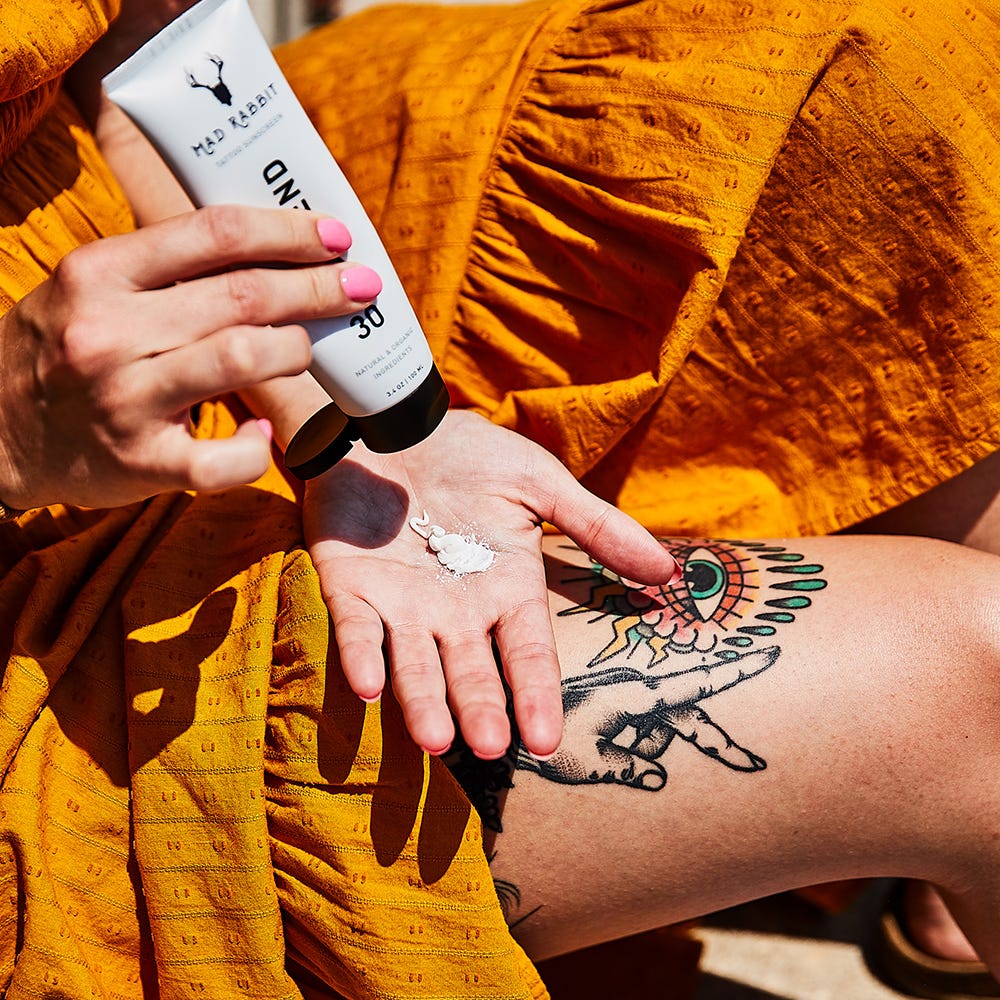
Even the best tattoo will fade over time. Protect your investment:
- Always use sunscreen on healed tattoos to prevent UV damage.
- Moisturize regularly to keep skin healthy.
- Avoid excessive sun exposure, which accelerates fading.
If you’re concerned about fading, consult your artist about touch-ups. They can refresh contrast and restore gradients.
FAQ
1. How long until a black and grey tattoo is fully healed?
Surface healing takes 2-4 weeks, but deeper layers can take up to 6 months. The final appearance stabilizes around the 6-month mark, so that’s the best time to evaluate healed results.
2. Can any style be done in black and grey?
Yes, but some styles adapt better. Realism, Geometric tattoo, Abstract tattoo, and Ornamental are popular. Even Japanese traditional can be done in black and grey, though it often relies on bold black contrast.
3. How do I know if an artist’s gradients will hold up?
Look for healed photos with smooth transitions. Ask about their technique—whether they use Dotwork, whip shading, or layered washes. A skilled artist will explain their process.
4. What should I do if my tattoo fades unevenly?
Uneven fading can be fixed with a touch-up. Consult your artist or a professional at a studio. They can re-saturate areas and smooth out gradients.
Final Thoughts
Evaluating a black and grey portfolio is about seeing beyond the fresh ink. Focus on value range, gradient smoothness, and long-term contrast. Use the checklist, ask the right questions, and trust your instincts. For more guidance, explore our artist rankings and consultation tips. If you’re curious about pricing, check our cost estimator. A well-researched decision leads to a tattoo you’ll love for decades.
Content hub
Tattoo styles pillar
This article belongs to the styles cluster. Open the pillar page to compare Irezumi, Old School, Realistic, Blackwork, Fine line, Geometric and Watercolor.
Related reading
Continue reading
Lettering Tattoo Healed Portfolio Review: Kerning, Baseline & Placement Distortion
A specialist healed-portfolio review guide for Lettering tattoos, focused on kerning, baseline control and placement distortion. Includes concrete…
Lettering Tattoo Placement: A Specialist Guide to Kerning, Baseline Control, and Body-Flow Distortion
A specialist guide to lettering tattoos focusing on kerning, baseline control, and placement distortion. Learn how to plan…

Lettering Tattoo Design Consultation Checklist: Kerning, Baselines, and Placement Distortion
A specialist consultation checklist for lettering tattoos covering kerning, baseline control, and placement distortion. Includes practical tests, booking…