Rotary vs Coil vs Pen Tattoo Machines: The Pro’s Guide to Torque, Stroke & Performance
Introduction: Choosing the Right Machine for Your Style
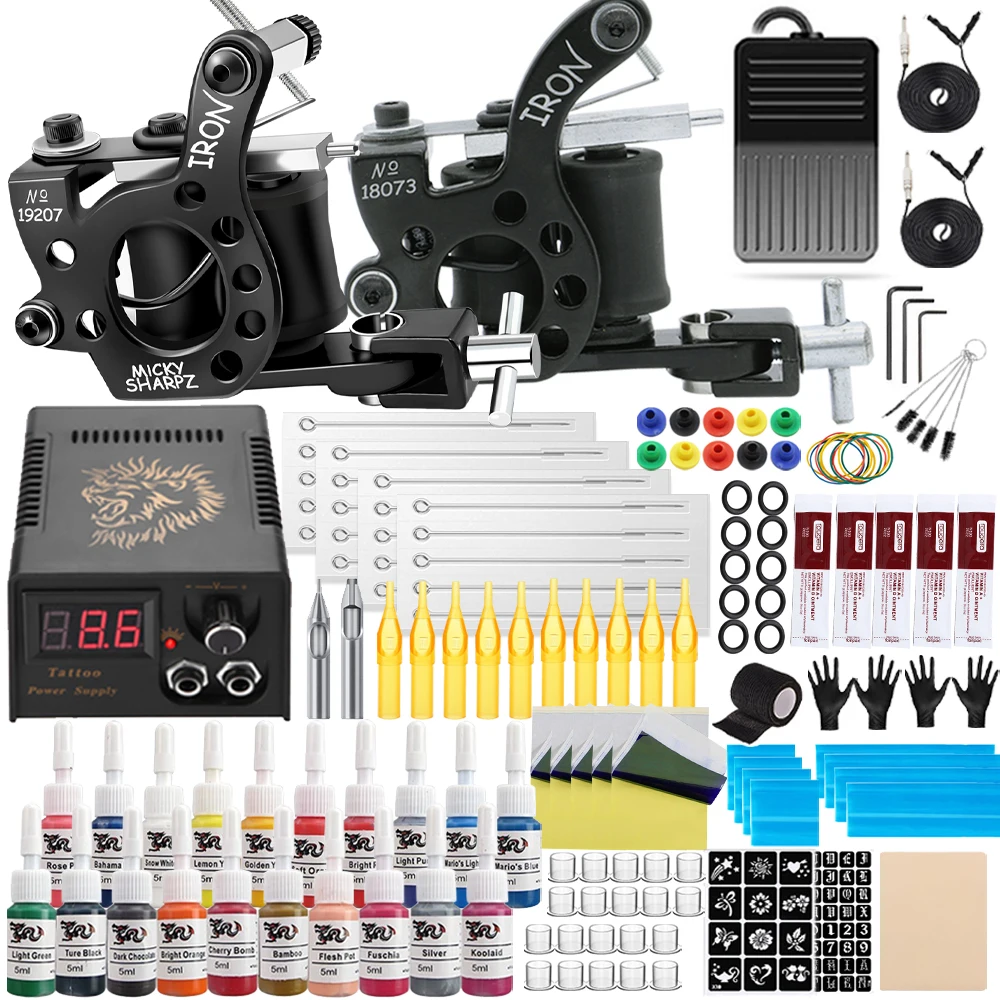
Every tattoo artist knows the machine is an extension of the hand. But with three dominant types—rotary, coil, and pen—the choice can be overwhelming. This guide breaks down the technical differences in torque, stroke, give, maintenance, noise, and use cases, so you can match the machine to your technique.
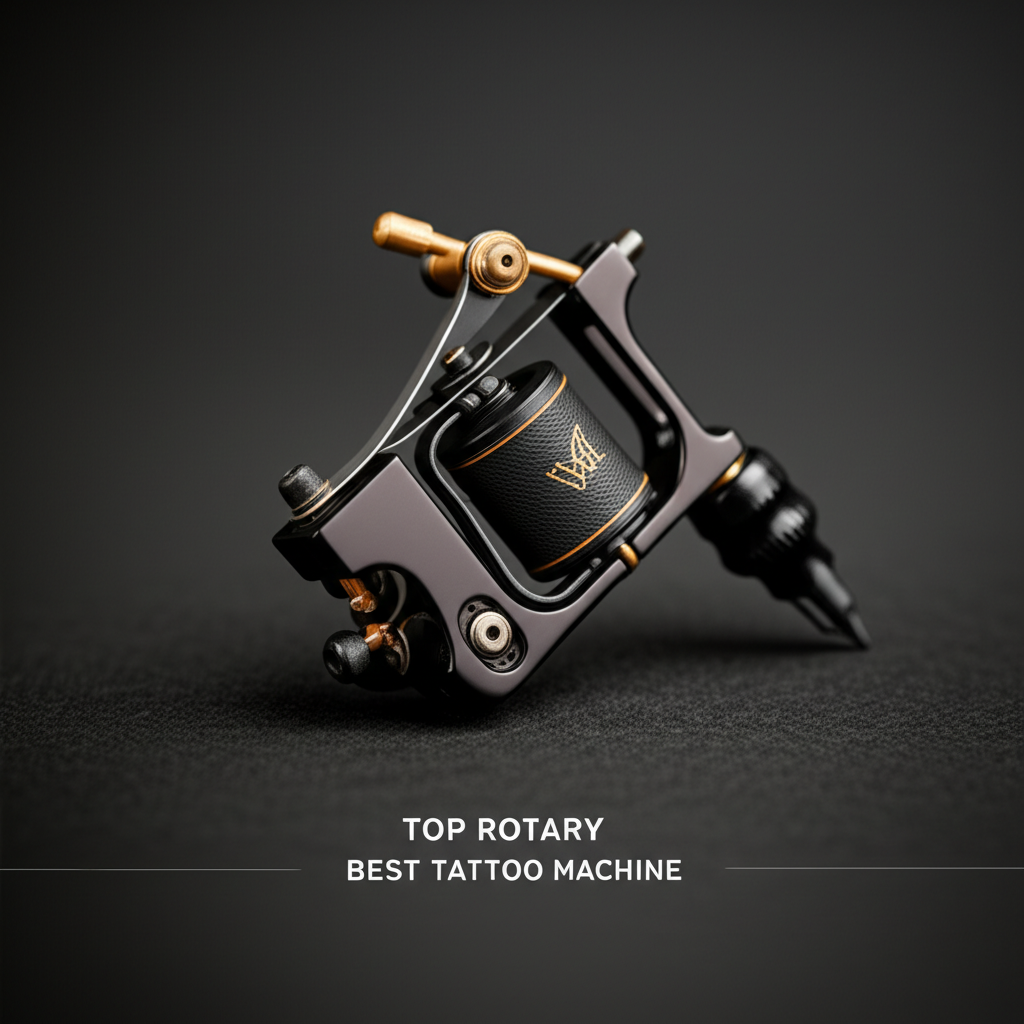
Rotary Tattoo Machines: Smooth & Versatile
How They Work
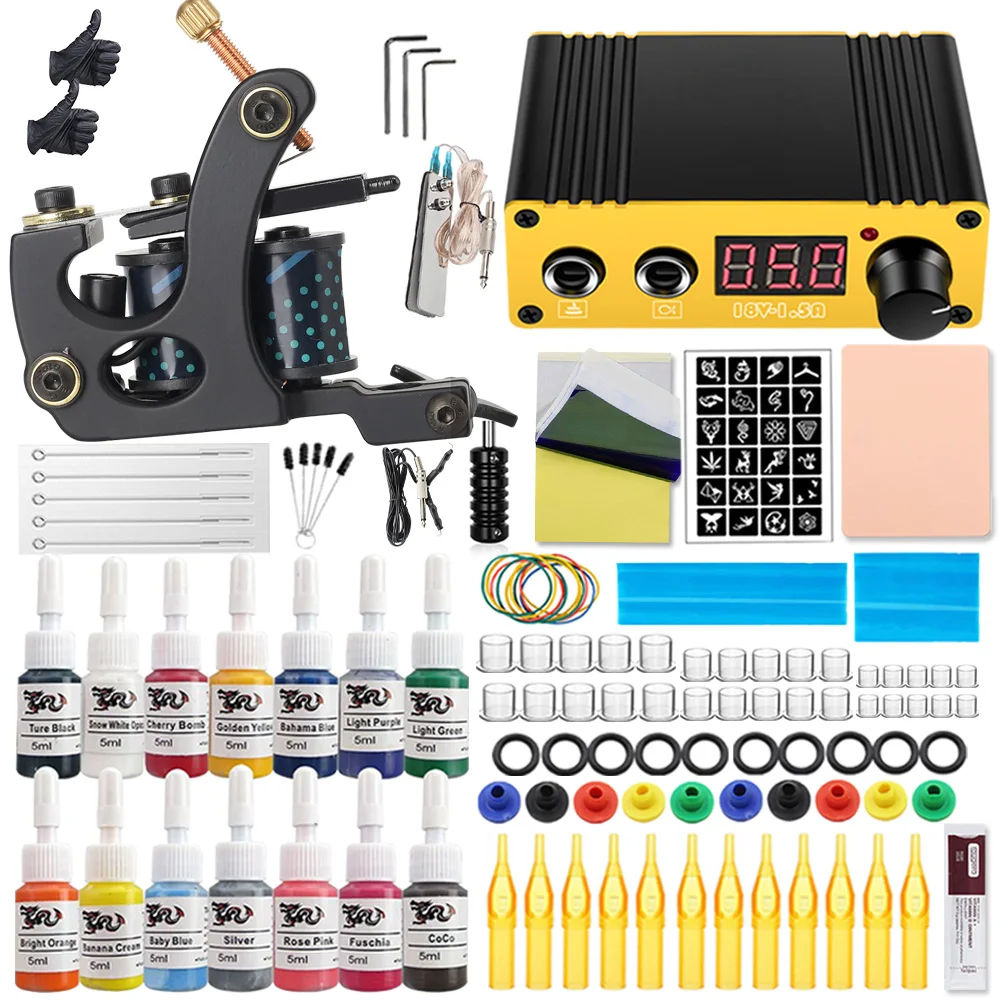
Rotary machines use an electric motor to rotate a cam or eccentric wheel, converting rotational motion into linear needle movement. This creates a smooth, consistent stroke with less vibration.
Torque & Stroke
Modern rotaries offer adjustable stroke lengths (typically 2.5–5mm) and high torque at low speeds. This makes them ideal for shading, color packing, and fine lines. The torque remains steady even when pushing against dense skin.
Give (Cushioning)
Rotaries have minimal mechanical give; the needle movement is direct. Some models include spring or silicone dampeners to soften the impact, reducing trauma.
Maintenance
Low maintenance: clean the motor housing, lubricate bearings occasionally, and replace O-rings. No complex tuning required.
Noise
Quiet operation—a low hum. Clients appreciate this, especially for longer sessions.
Best Use Cases
- Realism and micro realism (smooth gradients)
- Watercolor and abstract (soft transitions)
- Fine line and geometric (precise, consistent lines)
- Color packing (high torque at low speed)
Coil Tattoo Machines: Power & Tradition

How They Work
Coil machines use electromagnets to move an armature bar up and down, driving the needle. They are the classic workhorse, known for their distinct buzzing sound.
Torque & Stroke
Coils deliver high impact force (torque) but at a fixed stroke length (usually 2–4mm). The stroke is determined by the machine’s construction and cannot be adjusted. They excel at lining due to the percussive action.
Give
Coils have inherent give from the spring system, which absorbs some shock. This can be tuned by adjusting spring tension and contact gap.
Maintenance
High maintenance: frequent tuning of contact points, spring adjustments, and cleaning of magnetic gaps. Prone to overheating in long sessions.
Noise
Loud, characteristic buzz. Can be distracting in quiet studios.
Best Use Cases
- Bold lines and traditional styles (American traditional, Japanese traditional)
- Blackwork and tribal (solid saturation)
- Lettering (crisp, consistent lines)
- Heavy color packing (high impact)
Pen Tattoo Machines: Ergonomics & Precision
How They Work
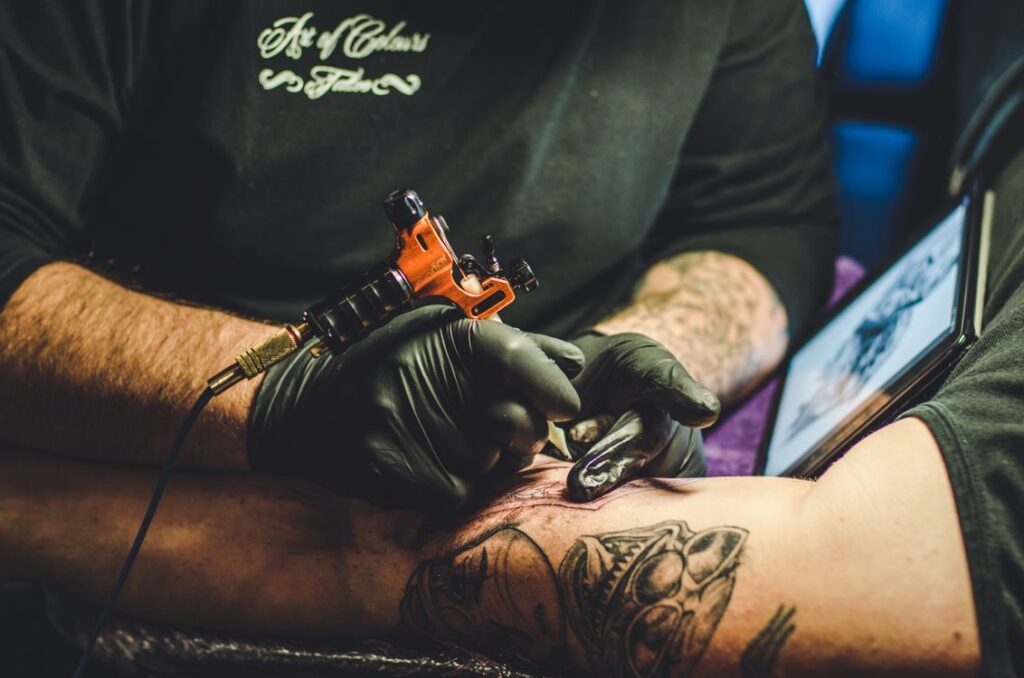
Pen machines are essentially rotary machines housed in a pen-like chassis. They use a motor and cam system, but the grip is designed like a writing instrument for better control.
Torque & Stroke
Similar to rotaries, with adjustable stroke (2.5–5mm). Many have digital controls for speed and stroke length. Torque is generally lower than coils but sufficient for most tasks.
Give
Minimal give, but some models include vibration dampening. The direct drive offers precise feedback.
Maintenance
Low to moderate: clean the grip and motor housing, replace cartridges easily. Some have rechargeable batteries.
Noise
Very quiet—often silent compared to coils. Ideal for nervous clients.
Best Use Cases
- All styles, especially fine line, dotwork, and ornamental
- Shading and blending (smooth transitions)
- Long sessions (lightweight, ergonomic)
- Travel and guest spots (portable)
Comparison Table: At a Glance
| Feature | Rotary | Coil | Pen |
|---|---|---|---|
| Torque | High at low speed | High impact | Moderate |
| Stroke | Adjustable 2.5–5mm | Fixed 2–4mm | Adjustable 2.5–5mm |
| Give | Low (some dampening) | High (spring system) | Low |
| Maintenance | Low | High | Low |
| Noise | Low hum | Loud buzz | Very quiet |
| Best for | Shading, color, fine line | Lining, bold work | All-around, precision |
How to Choose: Decision Framework
Step 1: Identify Your Primary Style
If you do mostly realism or watercolor, a rotary or pen is your best bet. For traditional bold lines, a coil machine is hard to beat.
Step 2: Consider Your Workflow
Do you travel often? Pen machines are lightweight and battery-powered. Do you work long hours? Rotaries and pens cause less fatigue.
Step 3: Test the Feel
Visit a local shop or convention to try different machines. Pay attention to vibration, weight, and how the machine responds to skin resistance.
Step 4: Budget and Maintenance
Coils are cheaper upfront but require more upkeep. Rotaries and pens have higher initial cost but lower long-term maintenance.
FAQ
Can I use a pen machine for lining?
Yes, many pen machines with adjustable stroke and high torque can line effectively. However, some artists still prefer coils for the percussive feel.
Are rotary machines good for color packing?
Absolutely. Modern rotaries with high torque at low speeds excel at packing color without overworking the skin.
How often should I service my coil machine?
After every 10–15 hours of use, check the contact points and springs. Clean the magnetic gap regularly.
What is the best machine for beginners?
A pen machine with adjustable stroke is often recommended due to its ergonomic design and ease of use. It allows beginners to experiment with different techniques.
Conclusion
There is no single best machine—only the best machine for your style and workflow. Rotaries offer smooth versatility, coils deliver raw power, and pens combine ergonomics with precision. Invest in quality, maintain your tools, and always prioritize client comfort. For more gear reviews and studio insights, check out our magazine and rankings.
Keep exploring Vietnam Tattoo
- Browse Ranking for notable studios by city, style, and intent.
- Search studios by city, verification level, and contact channel.
- View verified profiles to check approved and verified entries.
- Request a consultation if you need help choosing style, placement, or a suitable studio.
Content hub
Pro corner hub
Read more about needles, inks, machines, cartridges and safer professional practice.
Related reading
Continue reading
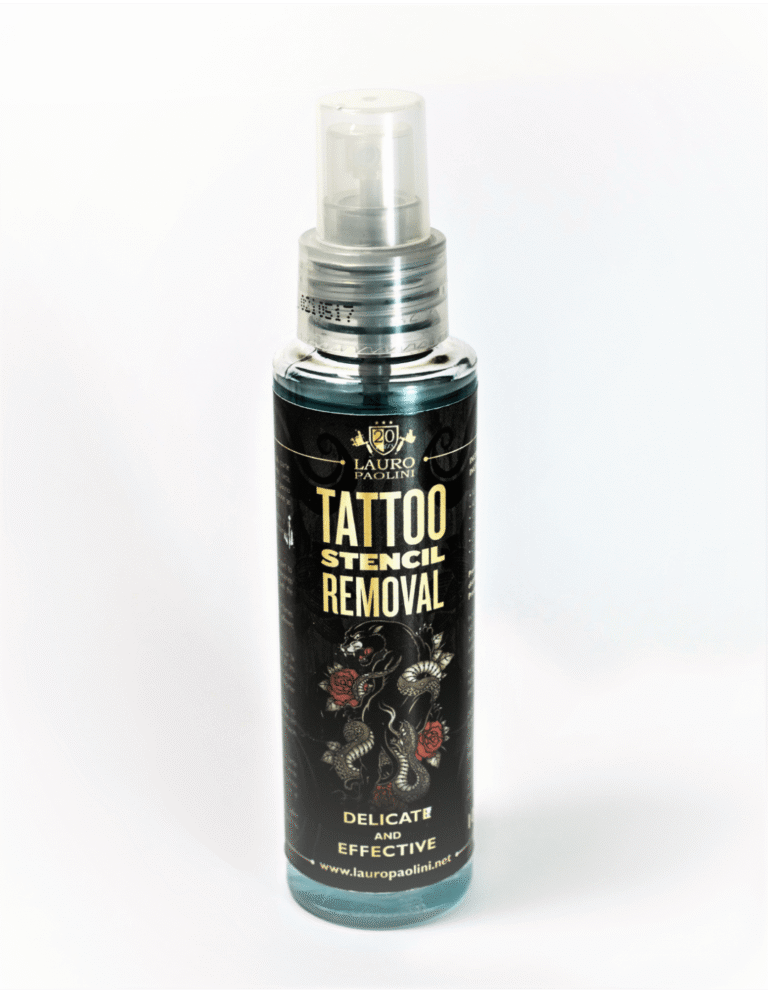
Tattoo Stencil Troubleshooting: Smudging, Transfer Gel, and Skin Prep – A Studio Workflow Guide
Master stencil application with this practical guide covering smudging causes, transfer gel selection, and a step-by-step skin prep…
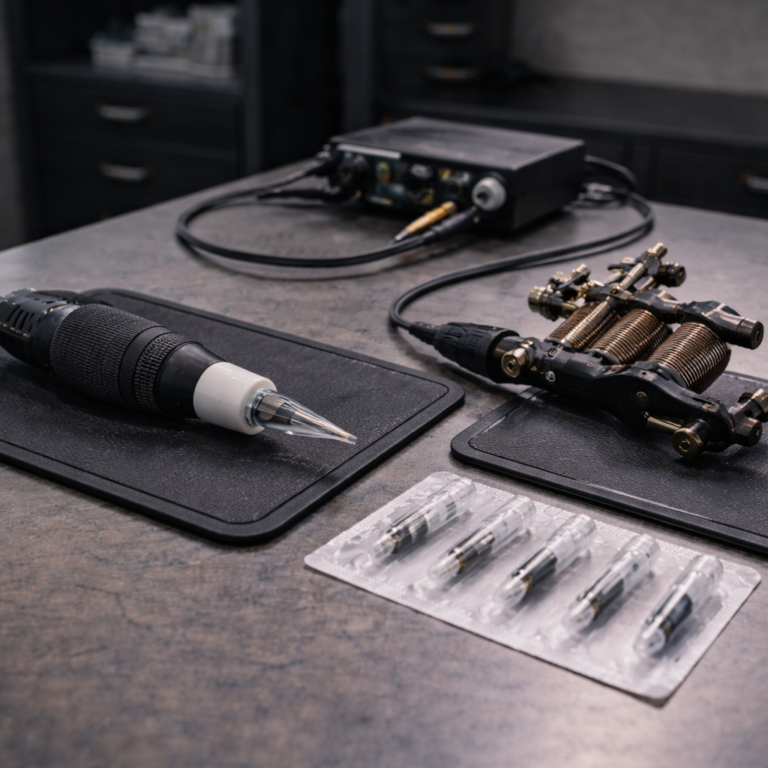
Tattoo Machine Stroke Length: Lining, Shading, and Color Packing Decisions – A Pro Guide
Master the relationship between stroke length and tattoo results. Expert guide on lining, shading, and color packing machine…
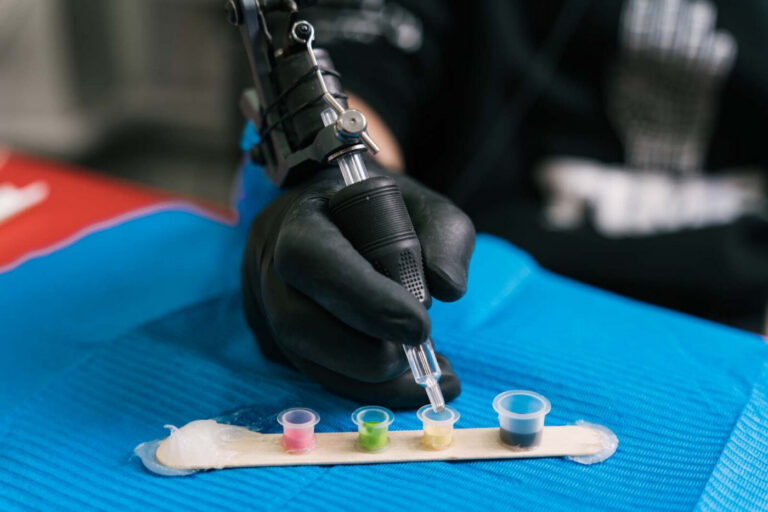
The Pro’s Guide to Tattoo Ink Mixing: Greywash, Color Dilution & Safety Workflow
Master ink mixing for pros: greywash ratios, color dilution techniques, and a step-by-step safety workflow to prevent contamination…