

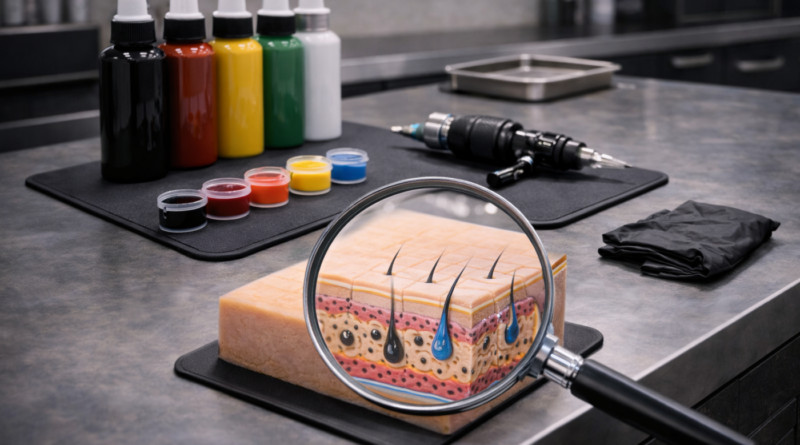
Pro Studio Checklist: Tattoo Ink Storage & Pigment Safety — The Complete Guide
Why Ink Storage and Pigment Safety Matter in a Professional Studio
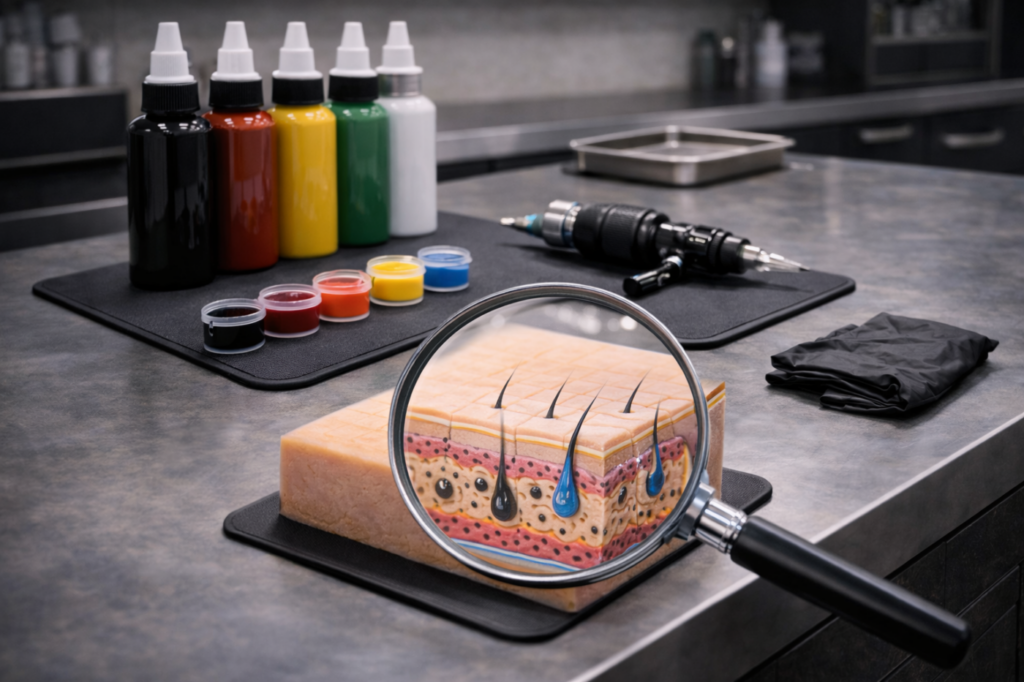
Ink is the lifeblood of tattooing. Yet many studios treat it casually — leaving bottles on sunny windowsills, using unlabeled containers, or ignoring expiry dates. This guide is a professional checklist covering every critical aspect of ink storage, pigment safety, contamination prevention, labeling, and standard operating procedures (SOP). Whether you run a busy street shop or a private appointment-based studio, these checks will protect your clients, your reputation, and your license.
1. The Chemistry of Tattoo Inks: Understanding Your Materials
Tattoo inks are complex mixtures of pigments (insoluble color particles), carriers (liquids that suspend the pigment), and sometimes additives. Common carriers include distilled water, witch hazel, ethanol, and glycerin. Understanding basic chemistry helps you predict how ink behaves under different storage conditions.
Pigment Types and Stability
Inorganic pigments (e.g., titanium dioxide, iron oxides) are generally more lightfast and stable than organic pigments (e.g., carbon black, azo dyes). Organic pigments may degrade faster when exposed to UV light or extreme temperatures. Always check the manufacturer’s Material Safety Data Sheet (MSDS) for each ink.
Carrier Composition and Storage Needs
Water-based carriers can evaporate or grow mold if stored improperly. Alcohol-based carriers are more volatile and may leak through caps. Glycerin-based inks are viscous but can separate if frozen. Know your carrier.
2. Ideal Storage Conditions: Temperature, Light, and Humidity
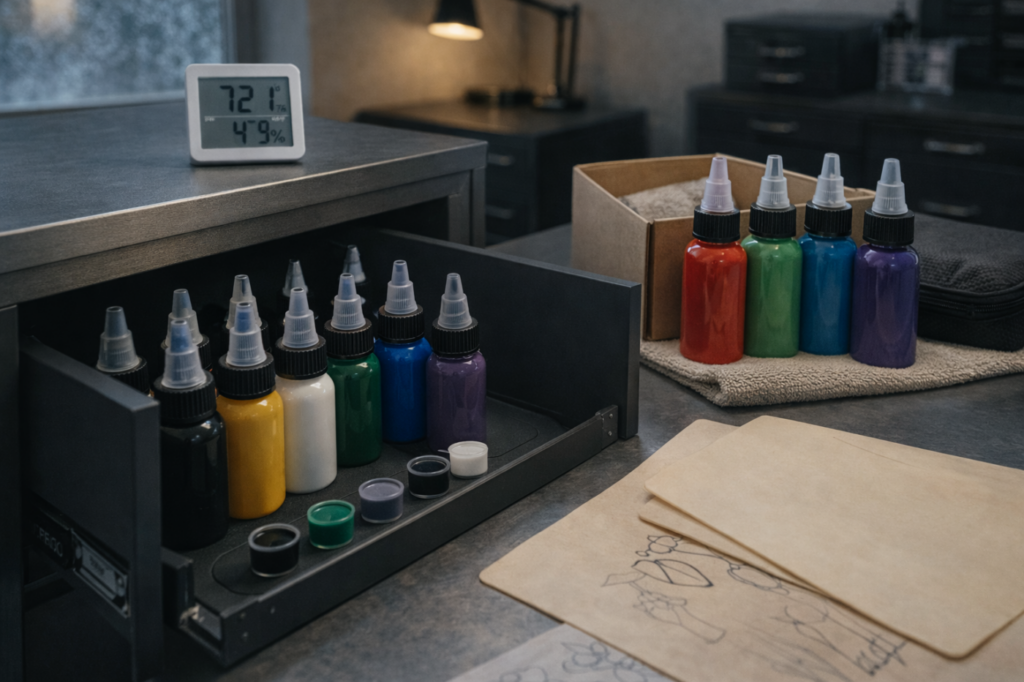
Ink should be stored in a cool, dark, dry place. The ideal temperature range is 15–25°C (59–77°F). Avoid temperature fluctuations — don’t store ink near heaters, air conditioners, or external walls. Direct sunlight degrades pigments and can cause chemical changes. Use opaque cabinets or UV-protective containers.
Humidity Control
High humidity (above 70%) can cause condensation inside bottles, leading to mold or bacterial growth. Use a dehumidifier if needed. Low humidity (below 30%) may cause evaporation of carriers. Aim for 40–60% relative humidity.
3. Expiry Dates and Batch Tracking: Never Use Old Ink
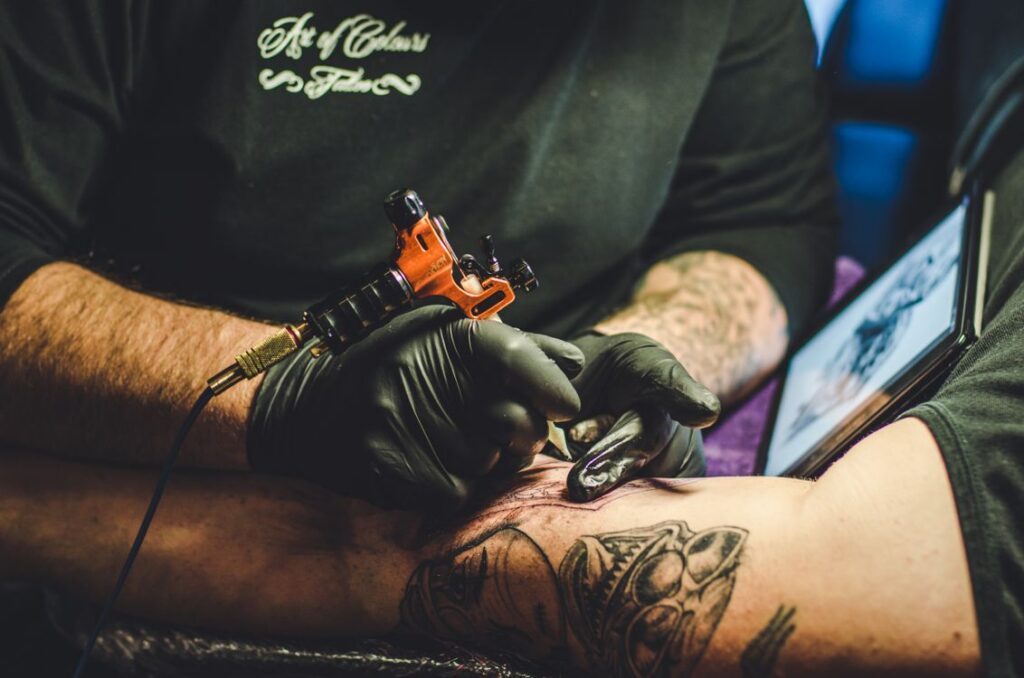
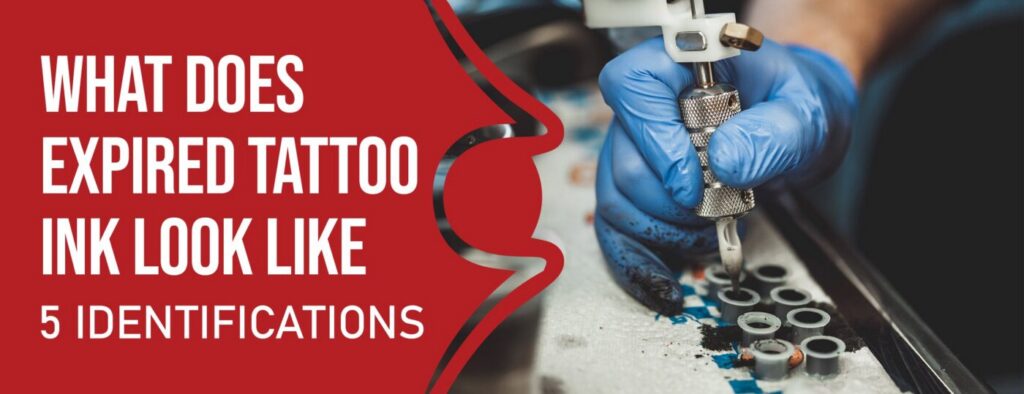
All reputable ink manufacturers print expiry dates on bottles. But many artists ignore them. Expired ink can cause allergic reactions, poor healing, and color fading. Implement a batch tracking system: record the batch number, date received, and date opened for every bottle.
How to Check Expiry
- Look for a printed date (e.g., EXP 2025-06).
- If unopened and stored correctly, ink may last 2–5 years.
- Once opened, use within 6–12 months depending on the manufacturer.
- Discard any ink that smells off, has visible particles, or has separated after shaking.
4. Contamination Prevention: From Bottle to Skin
Contaminated ink is a leading cause of tattoo infections. Follow these steps to keep your ink sterile:
Single-Use Cups and No Dipping
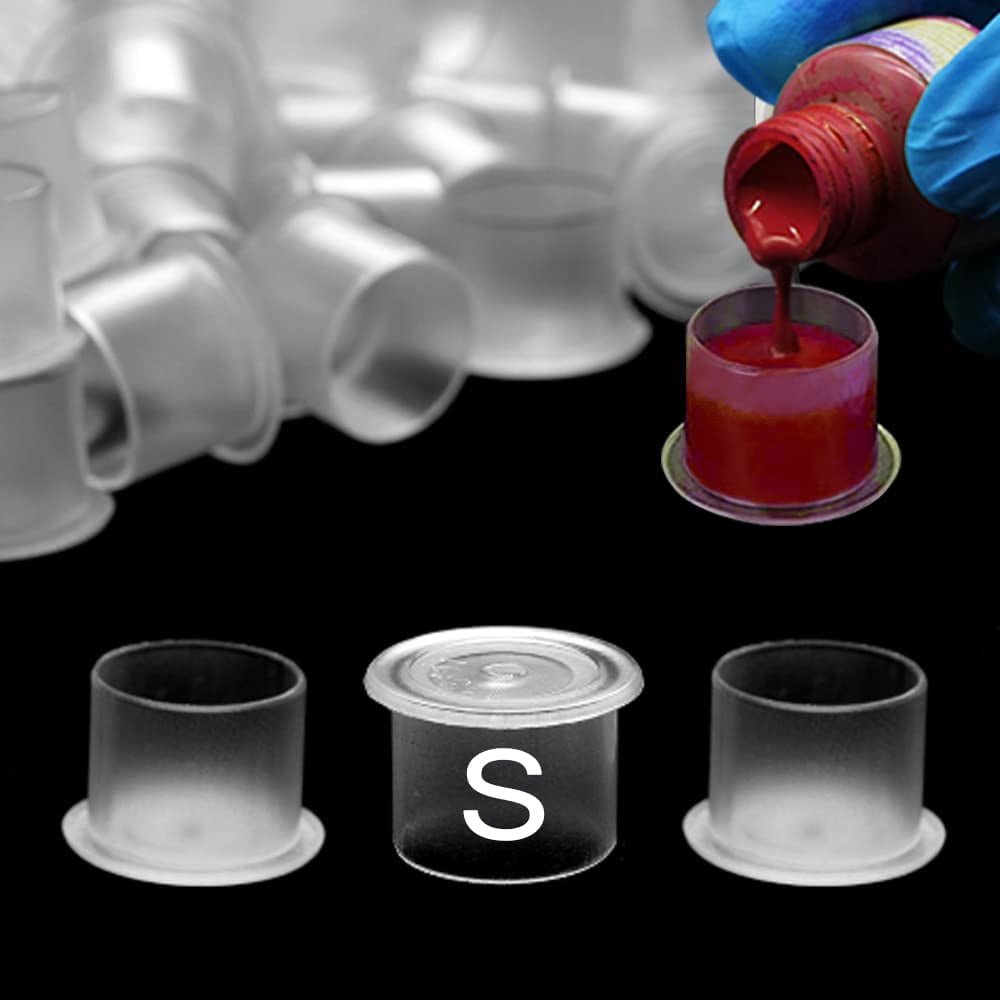
Use disposable ink caps for each client. Never dip a used needle or tube directly into the stock bottle. Use a sterile transfer pipette or a syringe to dispense ink into cups. Discard any leftover ink in cups after the session.
Cross-Contamination Traps
- Never pour ink back into the stock bottle.
- Don’t share ink cups between clients.
- Clean bottle threads and caps with alcohol wipes before closing.
- Store bottles upright to prevent cap contamination.
5. Labeling and Organization: A Place for Every Ink
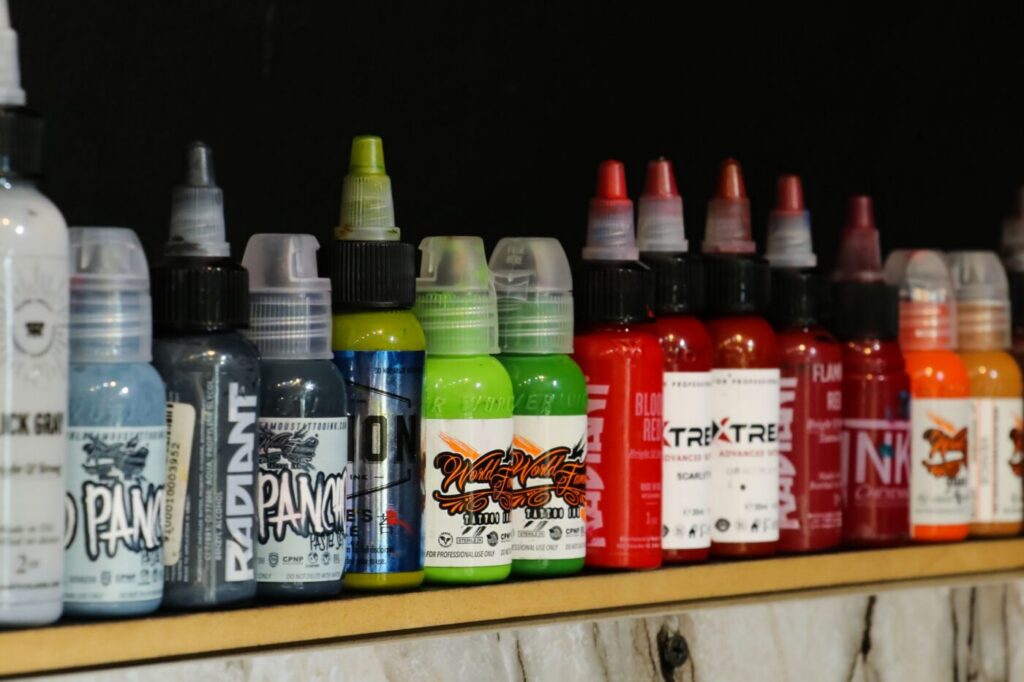
Proper labeling prevents mistakes and speeds up workflow. Every bottle should display: brand, color name, batch number, expiry date, and date opened. Use a consistent labeling system (e.g., color-coded dots for pigment families).
Organization Tips
- Group inks by type (e.g., blackwork, color, white, grey wash).
- Arrange by frequency of use — keep top sellers at eye level.
- Use a dedicated ink rack or drawer away from sunlight.
- Create an inventory spreadsheet or app to track stock levels and expiry.
6. Standard Operating Procedures (SOP) for Ink Handling
An SOP document ensures every artist in your studio follows the same safe practices. Include these sections:
Daily Checks
- Inspect all bottles for damage, leaks, or contamination.
- Check temperature and humidity logs.
- Restock ink caps and pipettes.
Weekly Checks
- Rotate stock: move older bottles to the front.
- Clean the storage area with disinfectant.
- Update inventory and flag soon-to-expire items.
Monthly Audits
- Review batch records and discard expired inks.
- Check MSDS updates from manufacturers.
- Train staff on any new protocols.
7. Comparison: Budget vs. Premium Inks — Is There a Safety Difference?
Price isn’t always an indicator of safety, but cheaper inks may contain unlisted fillers, heavy metals, or inconsistent particle sizes. Premium brands invest in rigorous testing and provide detailed MSDS. However, even premium inks can cause reactions. Always patch test new inks on yourself first, then on a small area of a consenting client.
Caveat: No ink is 100% risk-free. The safest approach is to buy from established brands that comply with EU REACH or US FDA regulations (where applicable).
8. FAQ: Tattoo Ink Storage and Pigment Safety
1. Can I refrigerate tattoo ink to extend its life?
No. Refrigeration can cause condensation inside the bottle, leading to contamination. Some inks may thicken or separate. Stick to cool room temperature.
2. How do I know if ink has gone bad?
Signs include: foul odor, mold growth, visible particles, separation that doesn’t mix after shaking, or a change in viscosity. If in doubt, throw it out.
3. Is it safe to use ink from different brands together?
Mixing inks from different brands can cause unpredictable chemical reactions, leading to skin issues or fading. Avoid mixing unless you’ve tested the combination.
4. What should I do if a client has an allergic reaction to ink?
Stop tattooing immediately. Clean the area with saline and refer the client to a doctor or dermatologist. Document the ink batch and brand used for future reference. Never offer medical advice yourself.
Final Checklist: Quick Daily Review
- ☐ Storage area temperature 15–25°C (59–77°F)
- ☐ No direct sunlight on ink bottles
- ☐ All bottles labeled with brand, color, batch, expiry, opened date
- ☐ Only use single-use ink cups for each client
- ☐ Pipettes or syringes used to transfer ink
- ☐ No ink returned to stock bottle
- ☐ Expired or suspicious inks discarded
- ☐ Inventory updated
For more pro-level studio management tips, check our consultation section and explore the tattoo marketplace for quality supplies. Read related articles in our magazine for ongoing education.
Keep exploring Vietnam Tattoo
- Browse Ranking for notable studios by city, style, and intent.
- Search studios by city, verification level, and contact channel.
- View verified profiles to check approved and verified entries.
- Request a consultation if you need help choosing style, placement, or a suitable studio.
Content hub
Pro corner hub
Read more about needles, inks, machines, cartridges and safer professional practice.
Related reading
Continue reading
Tattoo Stencil Troubleshooting: Smudging, Transfer Gel, and Skin Prep – A Studio Workflow Guide
Master stencil application with this practical guide covering smudging causes, transfer gel selection, and a step-by-step skin prep…
Tattoo Machine Stroke Length: Lining, Shading, and Color Packing Decisions – A Pro Guide
Master the relationship between stroke length and tattoo results. Expert guide on lining, shading, and color packing machine…
The Pro’s Guide to Tattoo Ink Mixing: Greywash, Color Dilution & Safety Workflow
Master ink mixing for pros: greywash ratios, color dilution techniques, and a step-by-step safety workflow to prevent contamination…