Polynesian Tattoo: Placement and Body-Flow Decisions
Polynesian Tattoo Placement Starts With the Body, Not the Flash
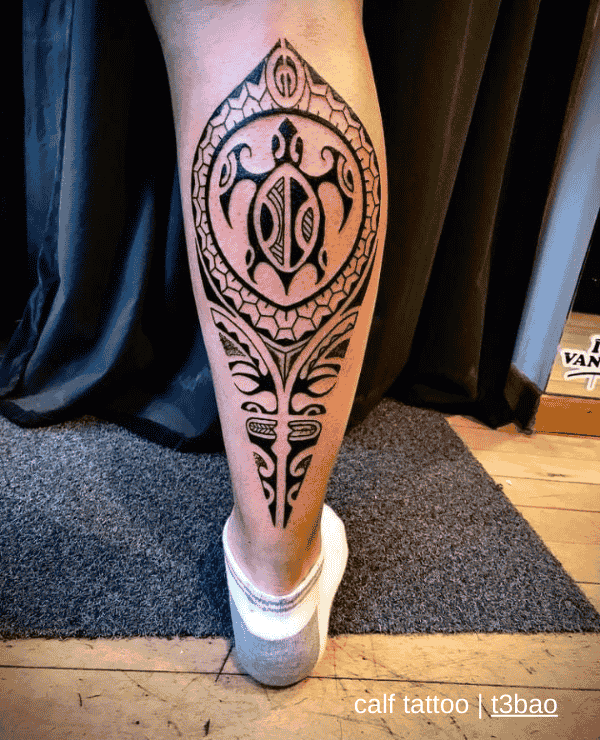
Polynesian tattoo is not a single style you pick from a wall. It is a family of regional traditions — Samoan, Māori, Tongan, Tahitian, Hawaiian, Marquesan and others — each with its own motifs, tools, protocols and restrictions. That is why placement and body-flow decisions matter more here than in almost any other genre. A motif that reads beautifully on a forearm can collapse on a calf. A band that wraps a bicep must account for muscle flexion, not just circumference. And a design that borrows a sacred motif without context is a research failure, not a style choice.
This guide is for clients who already know they want work in this field and need to make structural decisions: where it goes, how it flows, what to research, and how to run a respectful consultation. If you are still comparing genres, start with our editorial archive before booking anything.
Body Mapping: Reading the Canvas Before the Motif
Muscle direction and joint breaks
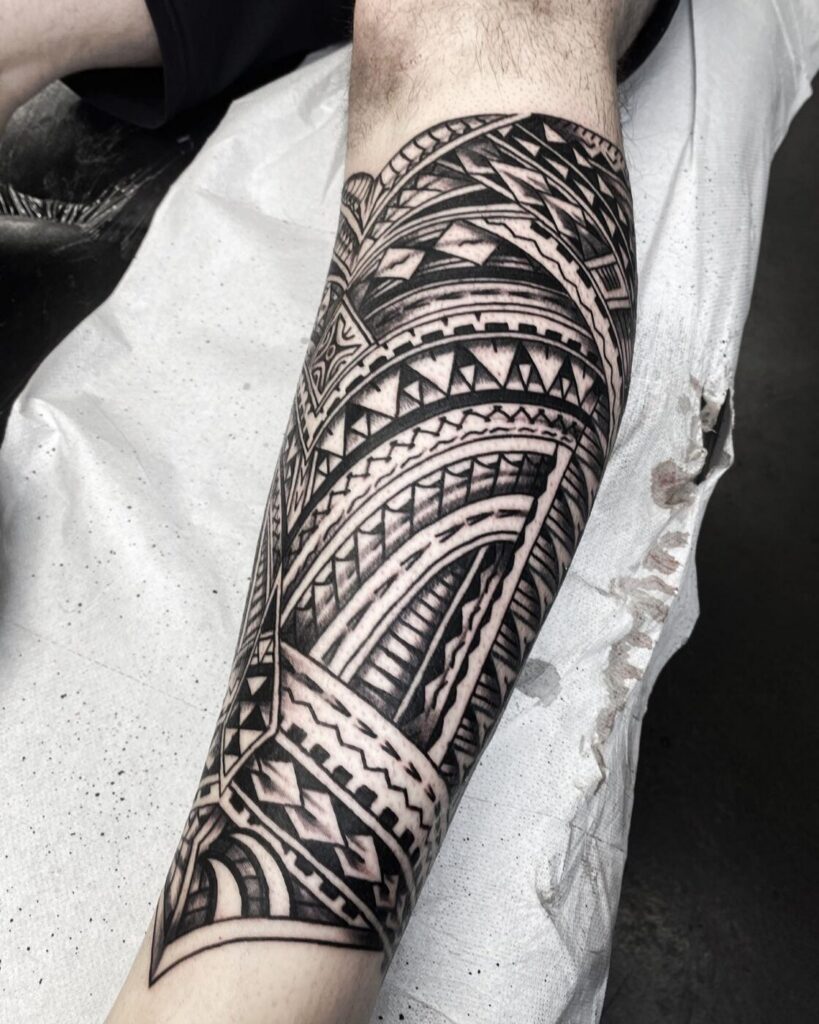
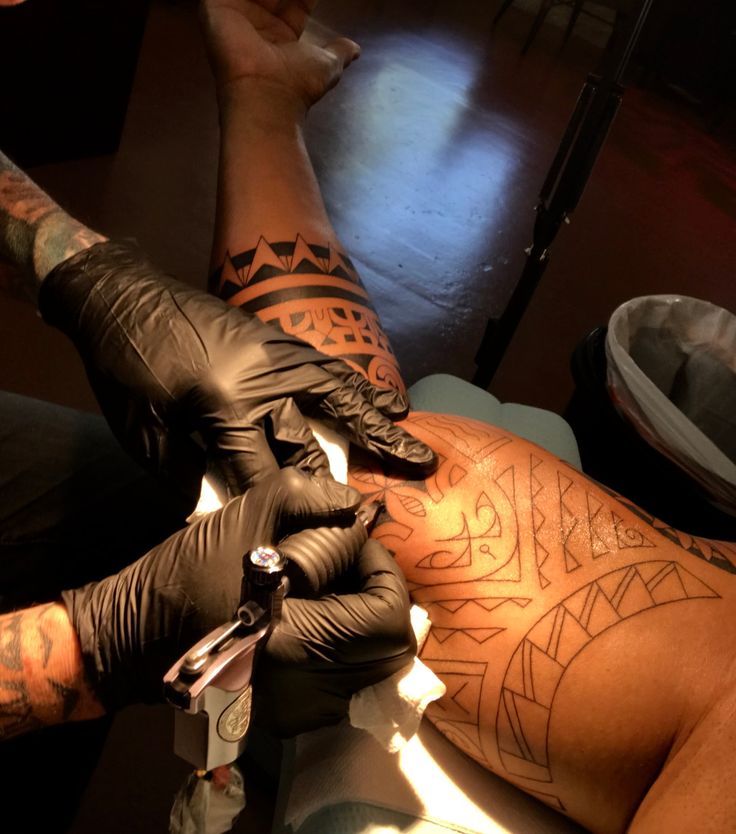
Polynesian composition is built on bands, panels, and repeating units. Those units need a stable axis. On the upper arm, the axis usually follows the deltoid into the tricep. On the forearm, it follows the radius and ulna toward the wrist. On the thigh, it follows the vastus lateralis line. If your artist draws the axis across the joint instead of through it, the design will distort every time you bend.
- Bicep and deltoid: strong wrap potential, but the inner arm is high-friction and ages faster.
- Forearm: best readability for fine line and dotwork detail; visible in daily life.
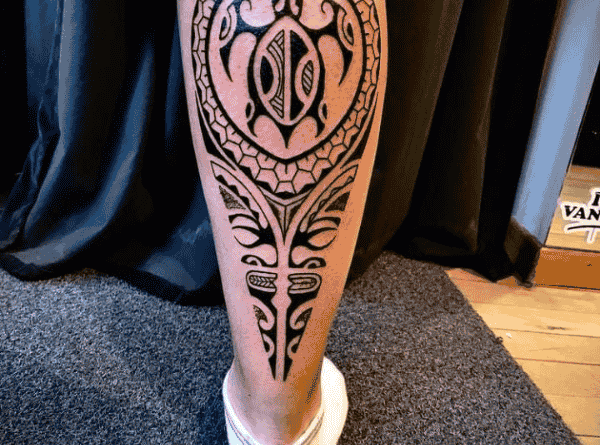
- Calf: good for vertical panels and blackwork, but the gastrocnemius changes shape dramatically when flexed.
- Back and shoulder blade: the classic canvas for large-scale composition and symmetry.
- Ribs and sternum: high pain, high distortion, poor for tight geometric repetition.
- Hands, neck, face: high visibility and high professional risk — confirm your workplace reality first.
Flow direction: distal, proximal, or spiral
Ask your artist which direction the design travels. Distal-to-proximal (wrist toward shoulder) reads as growth. Proximal-to-distal reads as anchoring. A spiral wrap around a limb needs a consistent pitch angle, or the bands will look drunk. This is a drawing decision made before the stencil, and it is the single most common failure point in tribal and ornamental work.
Matching Motif Density to Placement
Density is how much ink sits per square centimeter. High-density blackwork and solid tribal fills need flat, broad surfaces. Low-density dotwork and fine line need surfaces that stay taut and do not crease constantly.
- Blackwork and Tribal: back, shoulder, upper arm, thigh. Avoid inner elbow and knee ditch.
- Dotwork and Ornamental: forearm, calf, sternum, spine. Great for repeating geometric units.
- Fine line: forearm, upper back, ankle. Not ideal for hands or feet.
- Geometric tattoo: anywhere with a clear axis — but symmetry demands a symmetrical body part.
- Realism and Micro realism: generally a poor fit for Polynesian motif work; the cultural grammar is pattern-based, not photographic.
If your reference folder is mostly Japanese traditional, Neo-traditional, Lettering, Watercolor tattoo, or Abstract tattoo, you are probably looking at a different brief. Be honest with yourself before the consultation.
Symbol Research: The Part Most Clients Skip

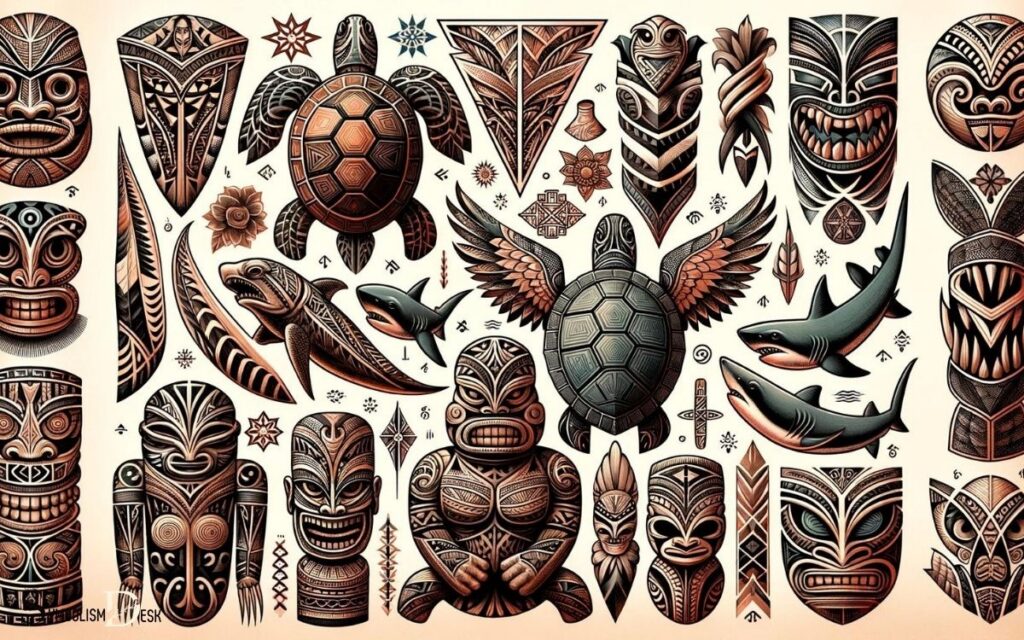
Polynesian motifs are not decorative clip art. Enata, koru, niho, spearheads, shark teeth, ocean waves and turtle forms carry specific meanings that vary by island group and by family. Some are restricted. Some are reserved for people with particular lineage, rank, or life stage.
Do this before you message an artist:
- Identify the specific tradition you are drawn to, not just “Polynesian.”
- Write down what each motif means to you and where you found that meaning.
- Check whether the motif is open, restricted, or requires permission.
- Decide whether you want a culturally grounded piece or a pattern-based piece inspired by the visual language — and say so clearly.
Artists who specialize in this field will ask you these questions anyway. Arriving prepared shortens the process and signals respect. If you want a second opinion on your research before committing, a consultation review can catch mismatched references early.
The Respectful Consultation: What to Ask
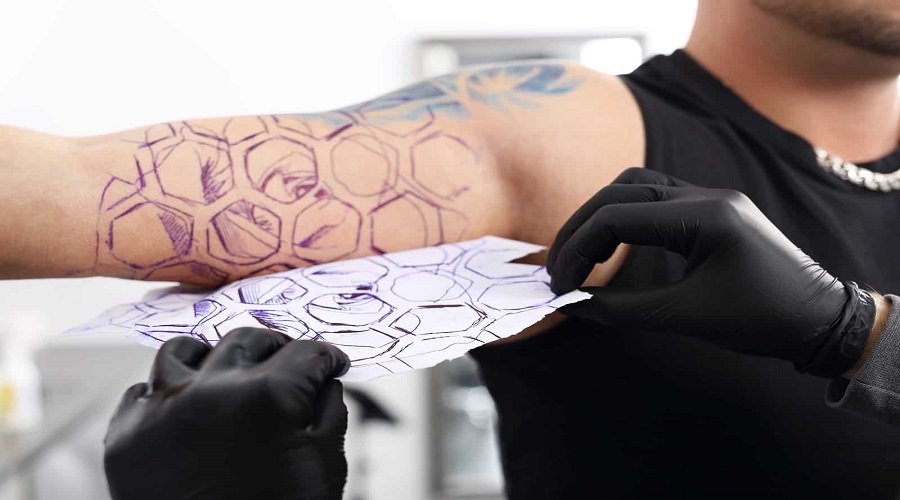
A good consultation is a working session, not a sales pitch. Expect the artist to redraw, not trace. Expect questions about meaning. Expect them to push back on placement if it will hurt the composition.
- Which specific tradition does your work draw from, and who taught you?
- Are there motifs you will not tattoo, and why?
- How do you handle symmetry across a body that is not symmetrical?
- What is your plan for the joint breaks and the wrap pitch?
- How will this age in 10 years at this density?
- What is the healing plan for this specific placement?
You can compare portfolios and specialist credentials through our rankings and verified studio directory. For a realistic budget range before you commit, use the price estimator as a starting point, then confirm with the artist directly.
Practical Checks Before You Book
- Ask to see healed photos, not just fresh ones. Fresh blackwork hides blowouts.
- Confirm the artist draws freehand or uses a stencil — both are valid, but the process differs.
- Ask how many sessions the full composition needs and whether the design is built to be paused.
- Confirm aftercare instructions in writing, including sun exposure and swimming restrictions.
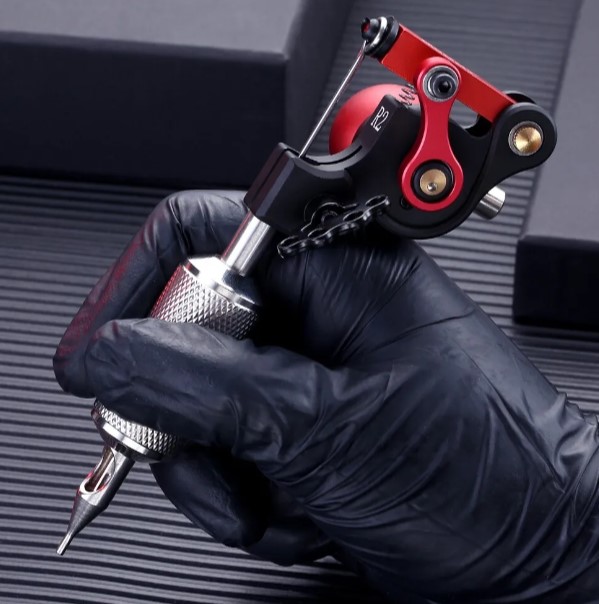
- Check that the studio meets basic hygiene standards: single-use needles, barrier film, sterile setup.
- Do not book a large-scale piece as your first tattoo in this style unless you have seen the artist’s healed large-scale work.
If you are still choosing a studio, the studio guide covers what to verify in person.
FAQ
Can I combine Polynesian motifs with fine line or geometric elements?
Yes, but it changes the cultural reading. Mixing traditions is a creative decision, not a neutral one. Tell your artist upfront and be ready to discuss which parts are grounded and which are purely visual.
Which placement is easiest for a first Polynesian piece?
Upper arm and forearm are the most forgiving for both pain and readability. Calf and shoulder are also strong. Ribs, hands, and neck are high-commitment choices.
How do I know if a motif is restricted?
Ask a specialist who works within that specific tradition. If they cannot explain the restriction, they may not be the right artist for a culturally grounded piece.
How long should I expect the full process to take?
Research and consultation can take weeks. A large-scale composition may span multiple sessions over months. Rushing the mapping stage is the fastest way to a piece you will want to cover later.
Content hub
Tattoo styles pillar
This article belongs to the styles cluster. Open the pillar page to compare Irezumi, Old School, Realistic, Blackwork, Fine line, Geometric and Watercolor.
Related reading
Continue reading

Polynesian Tattoo Design Consultation Checklist: Body Mapping, Symbol Research & Respectful Planning
A specialist Polynesian tattoo consultation checklist covering body mapping, symbol research, cultural permission, technique, booking questions, and respectful…
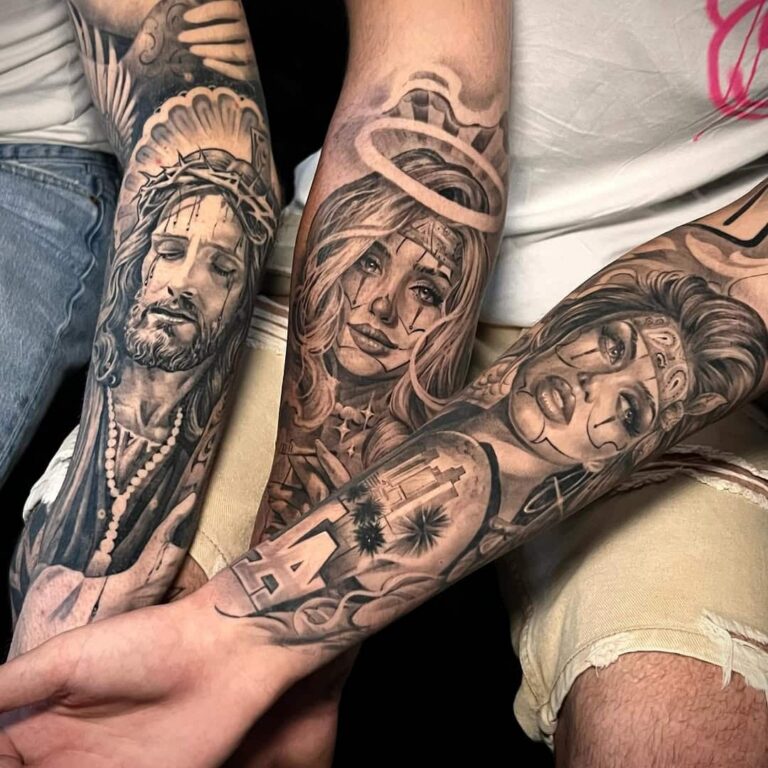
Chicano Tattoo Healed Portfolio Review: Lettering, Portrait Transitions & Black-and-Grey Flow
A specialist guide to reviewing a healed Chicano tattoo portfolio, focused on lettering legibility, portrait transitions, and black-and-grey…
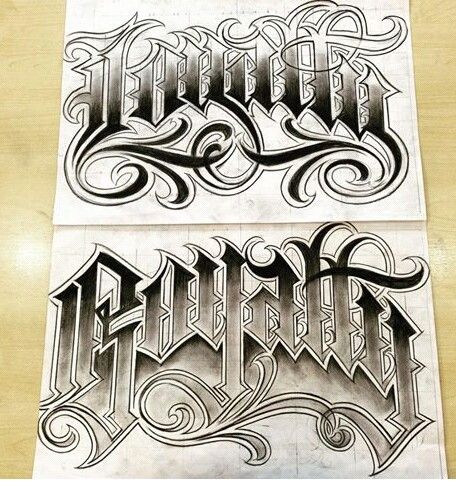
Chicano Tattoo Placement: Lettering, Portraits & Black-and-Grey Flow
A specialist guide to Chicano tattoo placement: how lettering, portrait transitions, and black-and-grey flow behave on different body…