Polynesian Tattoo Design Consultation Checklist: Body Mapping, Symbol Research & Respectful Planning
Why Polynesian Tattoo Consultation Is a Specialist Process
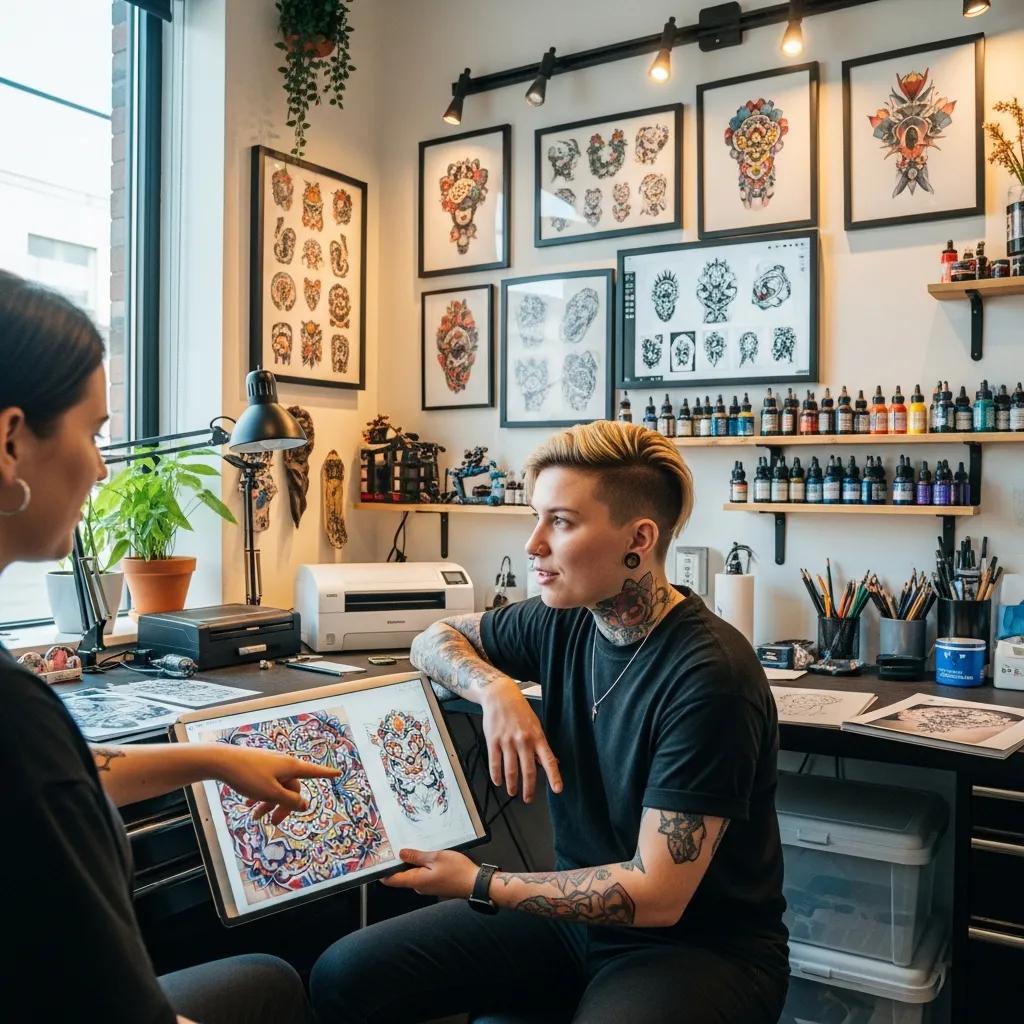
Polynesian tattoo is not a single style. It is a family of Pacific traditions with distinct regional protocols, motif vocabularies, and placement rules. A successful consultation does not begin with a flash sheet. It begins with body mapping, symbol research, and a respectful conversation about permission, meaning, and technique. This checklist is for collectors who want a Polynesian tattoo that is structurally sound, culturally considered, and technically executable. If you are still comparing artists, start with our studio ranking guide and verified studio directory.
Polynesian work often sits alongside Blackwork, Dotwork, Geometric tattoo, Ornamental, and Tribal approaches. That overlap is useful, but it is not a license to mix motifs without research. The consultation should separate three questions: what the pattern means, where it belongs on the body, and how it will age.
Pre-Consultation Research: Symbols, Lineage, and Permission
1. Identify the specific tradition
“Polynesian” is a broad term. Samoan, Māori, Tongan, Tahitian, Hawaiian, and Marquesan traditions have different motif systems and protocols. Ask the artist which tradition they have studied or been granted permission to work in. A specialist will name specific patterns, not just “tribal.”
2. Build a symbol research file
- Collect 5–10 reference images with source notes. Avoid Pinterest-only sourcing.
- Label each motif: alu, enata, koru, niho, spearhead, wave, shark tooth, ray, turtle, lizard.
- Write one sentence per motif explaining why it belongs to you or your family story.
- Flag any motif you cannot explain. Do not tattoo it yet.
3. Ask about cultural permission
Some motifs are restricted by lineage, gender, rank, or life stage. A respectful consultation includes asking whether the artist has permission to use specific patterns. If the answer is vague, treat that as a red flag. You can also book a research call through our consultation service before committing to a design.
Body Mapping: Placement, Flow, and Coverage
1. Map the body as a canvas
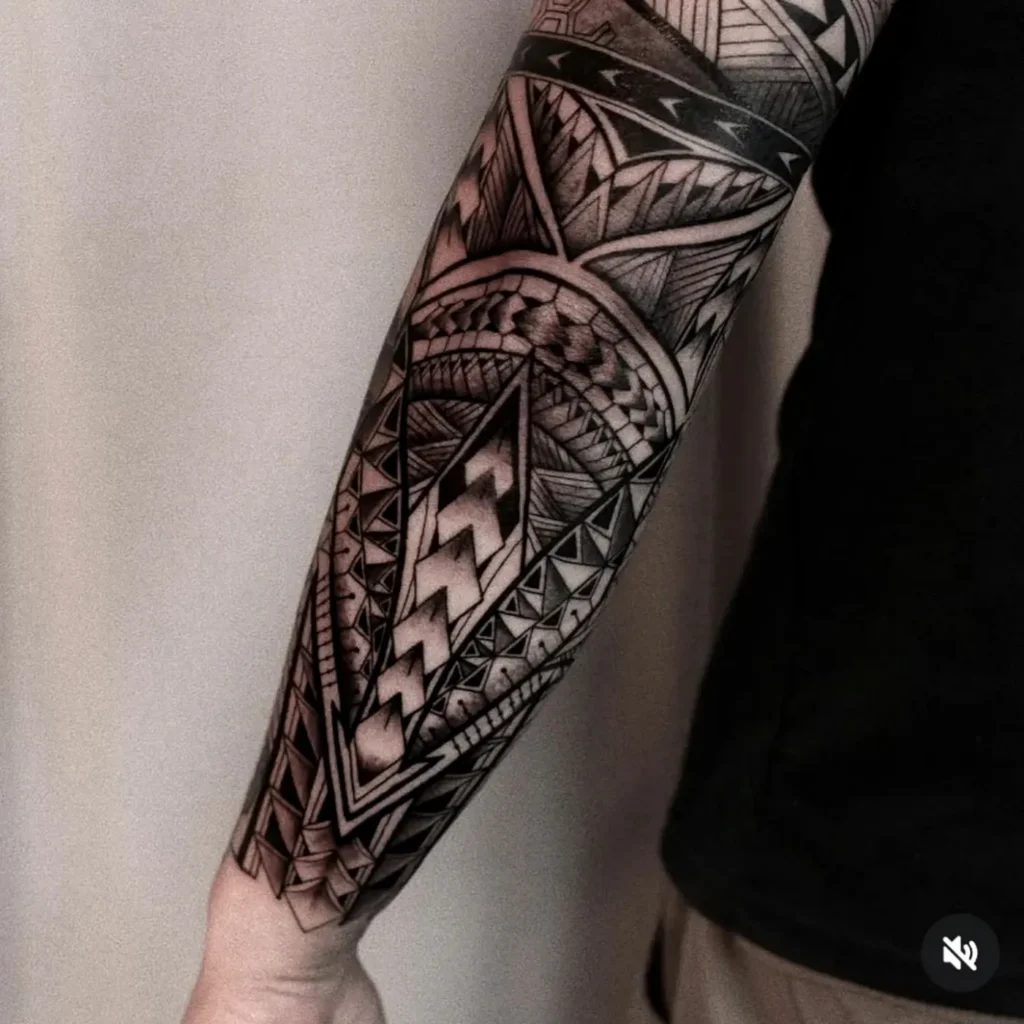
Polynesian design follows the body’s natural contours. Before drawing, the artist should photograph the area in neutral light and mark anatomical landmarks: deltoid, pectoral, lat, forearm flexor, calf, thigh, rib cage, spine, and shoulder blade. This is body mapping, not guesswork.
2. Define the coverage strategy
- Half-sleeve: shoulder to elbow, with a clear band transition.
- Full sleeve: shoulder to wrist, requiring a unified motif hierarchy.
- Pectoral plate: follows the collarbone and sternum, often symmetrical.
- Back piece: spine as axis, shoulder blades as wings, lower back as base.
- Leg sleeve: thigh to calf, with knee and ankle as natural breakpoints.
3. Check flow and negative space
Polynesian patterns are dense, but they are not flat. Good Blackwork and Tribal composition uses negative space to create rhythm. Ask the artist to show the stencil at 100% scale on the body. Walk, raise your arm, and turn your torso. If the pattern pinches or floats, the mapping is wrong.
4. Plan for aging and weight change
Heavy Blackwork and Dotwork can blur over time. Fine line Polynesian-inspired work may fade faster. Discuss line weight, dot density, and skin tone contrast. If you are planning major weight change, map the design to a stable area or build in expansion zones.
Design Consultation Checklist

Artist and studio checks
- Portfolio shows healed Polynesian work, not only fresh photos.
- Artist can name the tradition and explain motif choices.
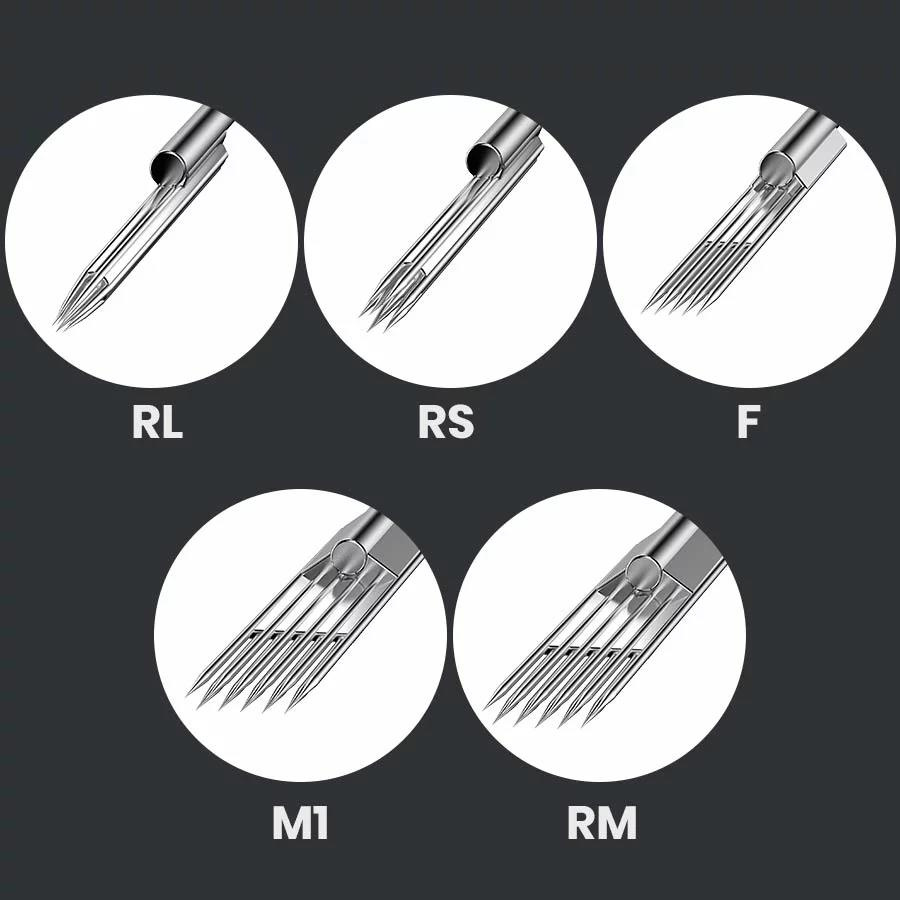
- Studio uses sterile, single-use needles and approved aftercare guidance.
- Artist discusses placement limits and refuses unsafe requests.
- Written estimate and session plan are provided. Use our price estimate tool for budgeting.
Design checks
- Motif hierarchy: primary, secondary, and filler patterns are distinct.
- Symmetry and asymmetry are intentional, not accidental.
- Line weight is consistent with the body area and skin type.
- Negative space is planned, not leftover.
- Stencil is tested at full scale in motion.
Cultural checks
- You can explain each motif’s meaning in one sentence.
- You have asked about permission and restrictions.
- You are not mixing closed motifs from different traditions without guidance.
- You are prepared to credit the tradition and the artist.
Technique and Style Considerations
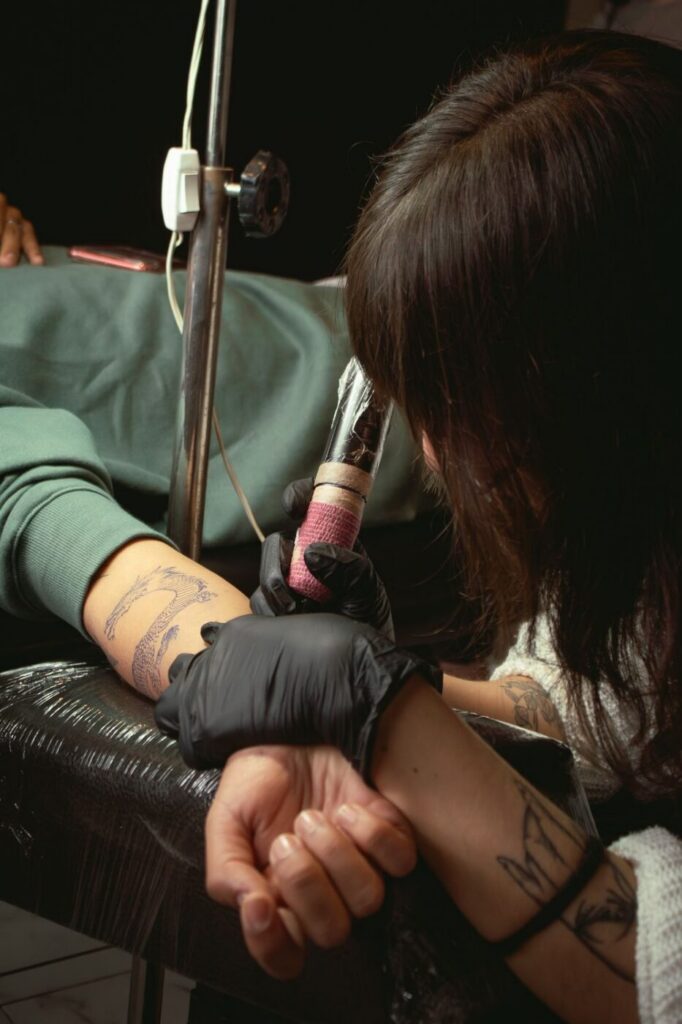
Polynesian tattoo can be executed in several technical modes. A specialist may combine Blackwork for solid masses, Dotwork for texture, and Geometric tattoo for structural grids. Fine line can define secondary motifs, while Ornamental approaches can frame the composition. Realism and Micro realism are rarely appropriate for traditional Polynesian motifs, but they may appear in modern fusion work. Japanese traditional and Neo-traditional are separate lineages; do not treat them as interchangeable with Polynesian.
Ask the artist how they will handle skin tone, sun exposure, and healing. Darker skin tones may need higher contrast and larger negative space. Lighter skin tones may show fine line detail more clearly but can also show blowouts. Watercolor tattoo and Abstract tattoo techniques are generally poor fits for Polynesian pattern work because they undermine structural clarity.
Booking Questions to Ask
- How many sessions will this take, and how long is each session?
- What is the deposit, and is it transferable?
- Can I see healed photos of similar placements?
- What is your policy on touch-ups and color or black packing?
- How do you handle pain management and breaks?
- What aftercare products do you recommend, and what should I avoid?
For a deeper editorial breakdown of style planning, see our magazine section. For studio vetting, use studio profiles and verified studios.
Safety and Respectful Practice
This guide is not medical advice. Follow your artist’s aftercare instructions and seek medical attention for signs of infection. Respectful practice means acknowledging that Polynesian tattoo is a living cultural tradition, not a decorative trend. If you are unsure about a motif, wait. A good artist will support that decision.
FAQ
Can I combine Polynesian motifs with Geometric or Blackwork?
Yes, but only with an artist who understands both systems. The geometric grid should support the Polynesian motif hierarchy, not compete with it. Keep the cultural motifs readable.
How do I know if a motif is appropriate for me?
Research the tradition, ask about permission, and be able to explain the meaning. If you cannot explain it, do not tattoo it yet. A consultation with a specialist can clarify restrictions.
What placement works best for a first Polynesian tattoo?
Shoulder, forearm, calf, and thigh are common because they offer stable canvas and manageable healing. Back and chest pieces are larger commitments. Map the design in motion before booking.
How should I budget for a Polynesian sleeve?
Budget depends on coverage, detail, and session count. Use an estimate tool and ask for a written plan. Do not choose an artist based on price alone; healed results and cultural knowledge matter more.
Content hub
Tattoo styles pillar
This article belongs to the styles cluster. Open the pillar page to compare Irezumi, Old School, Realistic, Blackwork, Fine line, Geometric and Watercolor.
Related reading
Continue reading
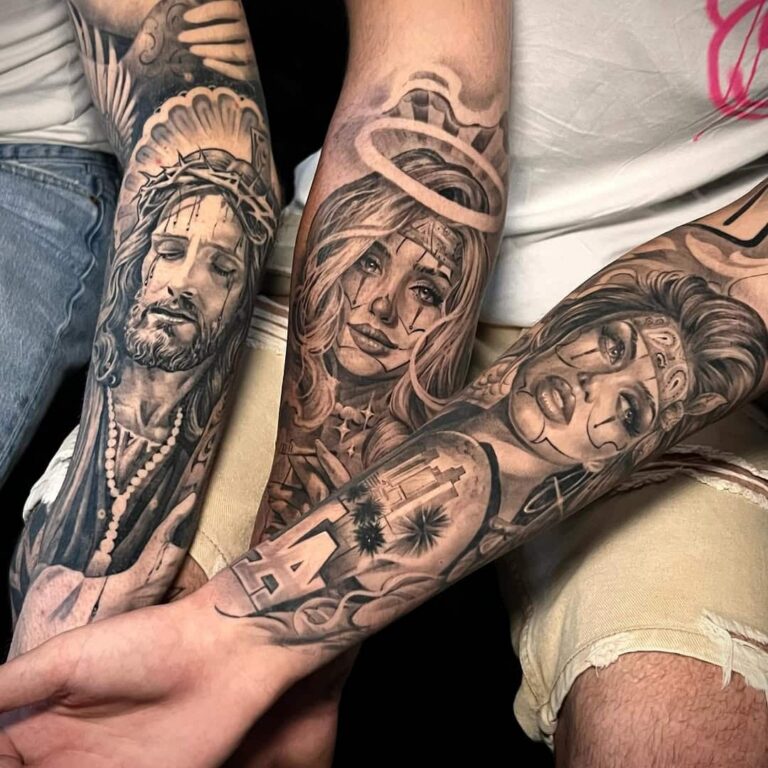
Chicano Tattoo Healed Portfolio Review: Lettering, Portrait Transitions & Black-and-Grey Flow
A specialist guide to reviewing a healed Chicano tattoo portfolio, focused on lettering legibility, portrait transitions, and black-and-grey…
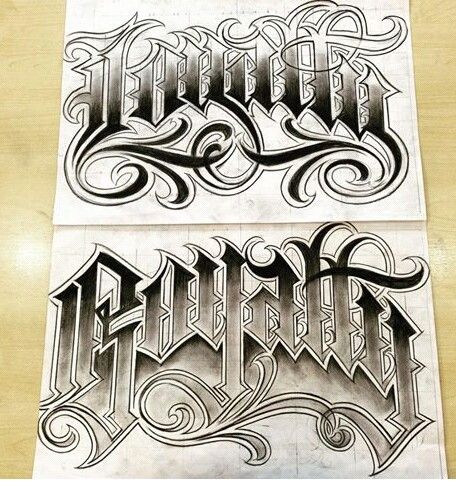
Chicano Tattoo Placement: Lettering, Portraits & Black-and-Grey Flow
A specialist guide to Chicano tattoo placement: how lettering, portrait transitions, and black-and-grey flow behave on different body…
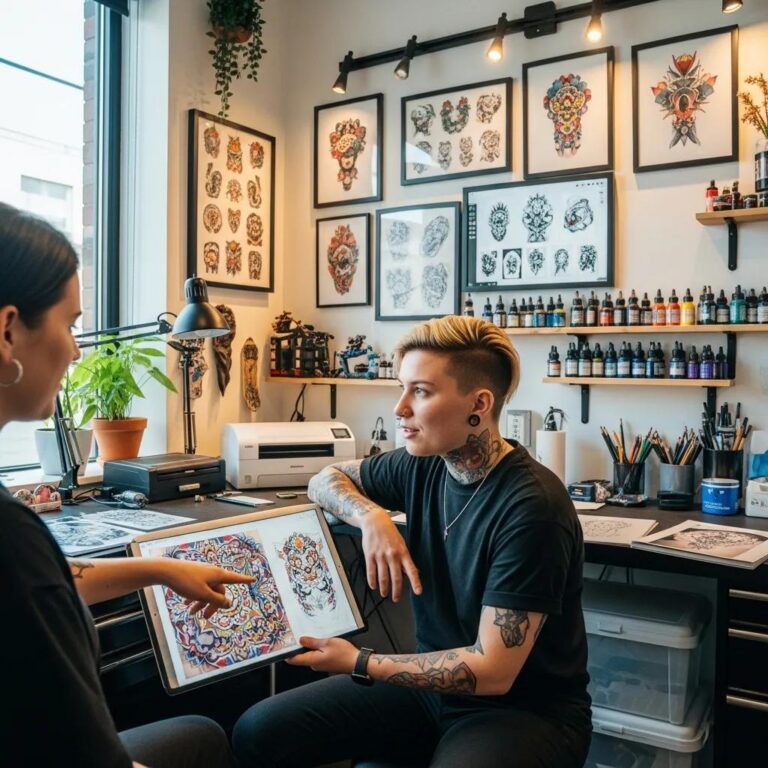
Chicano Tattoo Design Consultation Checklist: Lettering, Portrait Transitions, and Black-and-Grey Flow
A specialist consultation checklist for Chicano tattoos: lettering hierarchy, portrait transition zones, black-and-grey flow, and the booking questions…