Ornamental & Mandala Tattoos: Symmetry, Rhythm, and Placement – A Deep Guide
Introduction
Ornamental and mandala tattoos are among the most visually captivating styles in modern tattooing. Rooted in ancient geometry and spiritual symbolism, these designs rely on radial symmetry, precise rhythm, and thoughtful body placement. This guide will walk you through everything you need to know—from understanding radial symmetry to checking stencils and choosing the perfect placement.
Understanding Radial Symmetry in Ornamental Tattoos
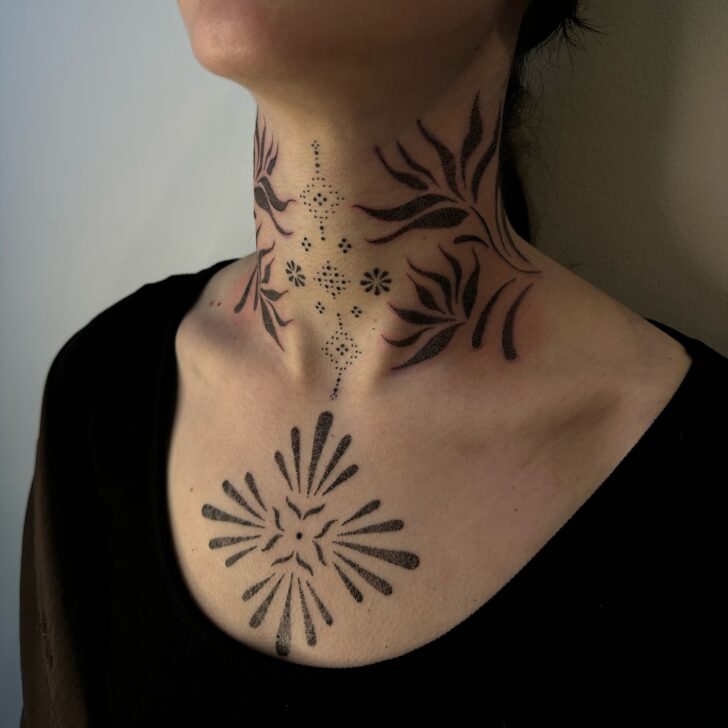
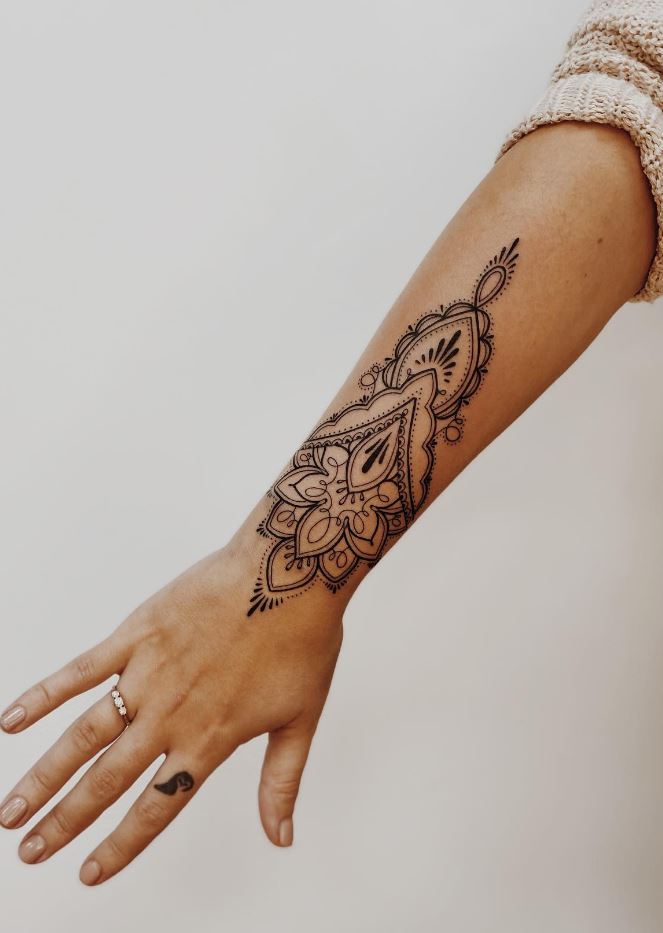
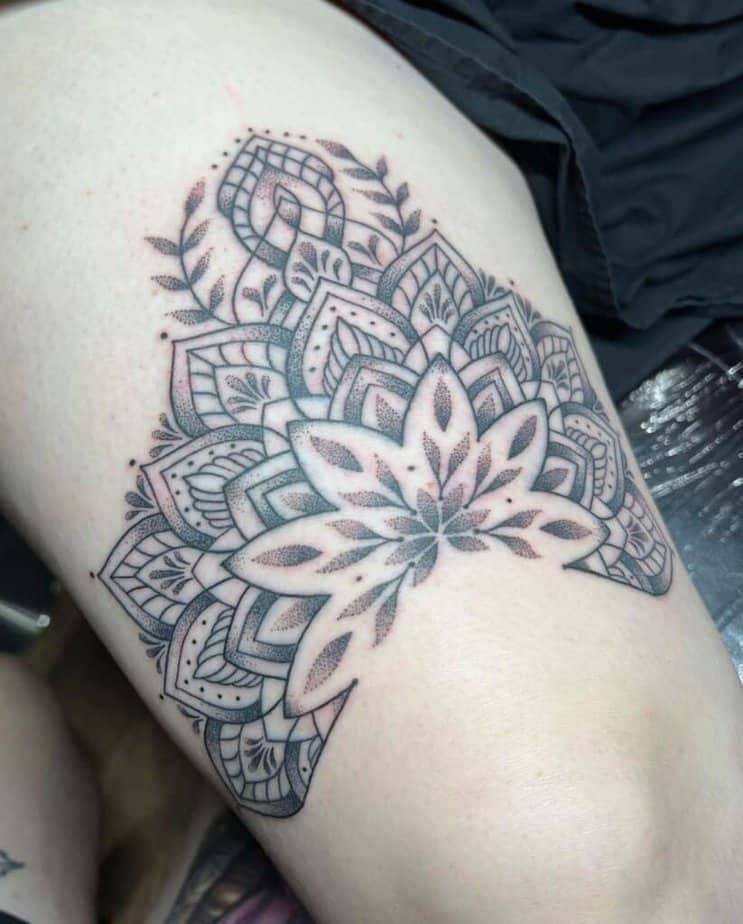
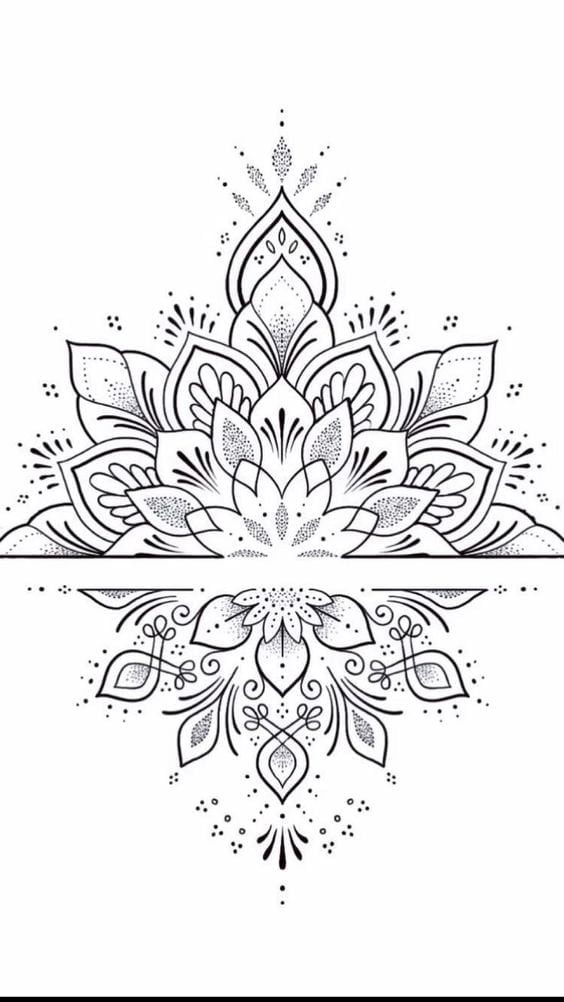
Radial symmetry means the design radiates from a central point, like a flower or a compass. In ornamental tattoos, this creates a balanced, harmonious look that draws the eye inward. Key elements include repeating patterns, concentric rings, and mirror-image details. The rhythm is achieved by varying line weights and spacing—thick lines for structure, thin lines for delicate filigree.
Checklist for symmetry:
- Is the center point precisely marked?
- Are all mirrored elements identical?
- Does the pattern flow naturally from center to edge?
Mandala vs. Ornamental: Key Differences
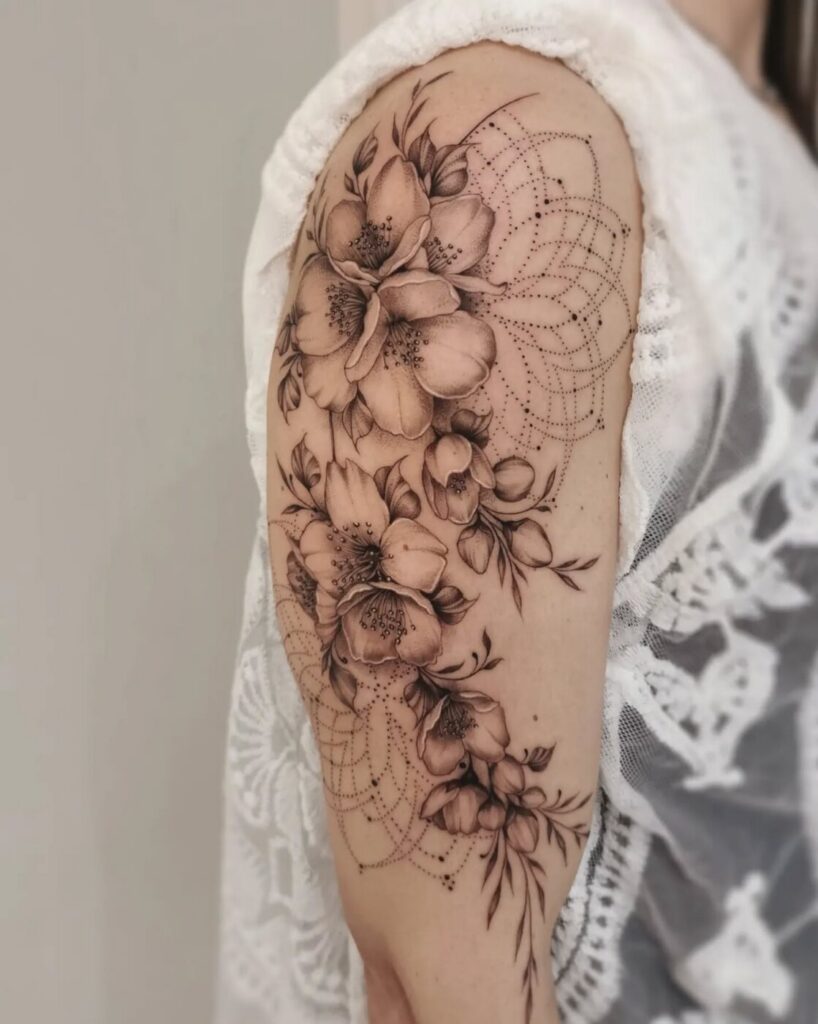
While often used interchangeably, mandala tattoos are a subset of ornamental style with spiritual roots in Hindu and Buddhist traditions. Ornamental tattoos draw from broader decorative arts—Art Nouveau, Celtic knots, Arabic geometry. Both rely on symmetry, but mandalas always have a central focal point, while ornamental designs may be asymmetrical or flow along curves.
Stencil Checks: The Make-or-Break Step
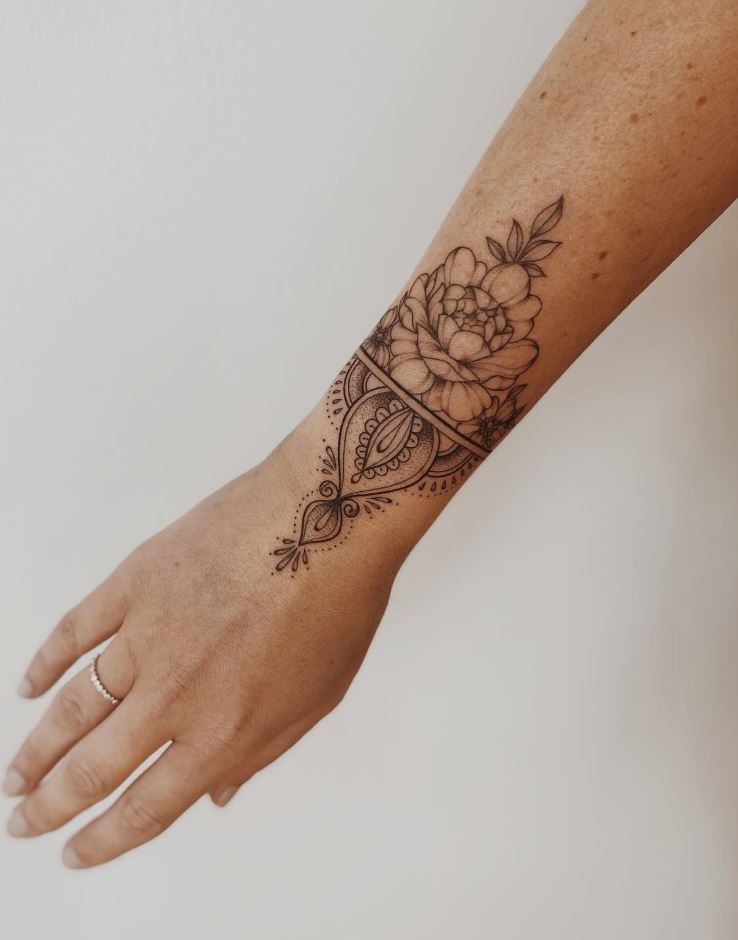
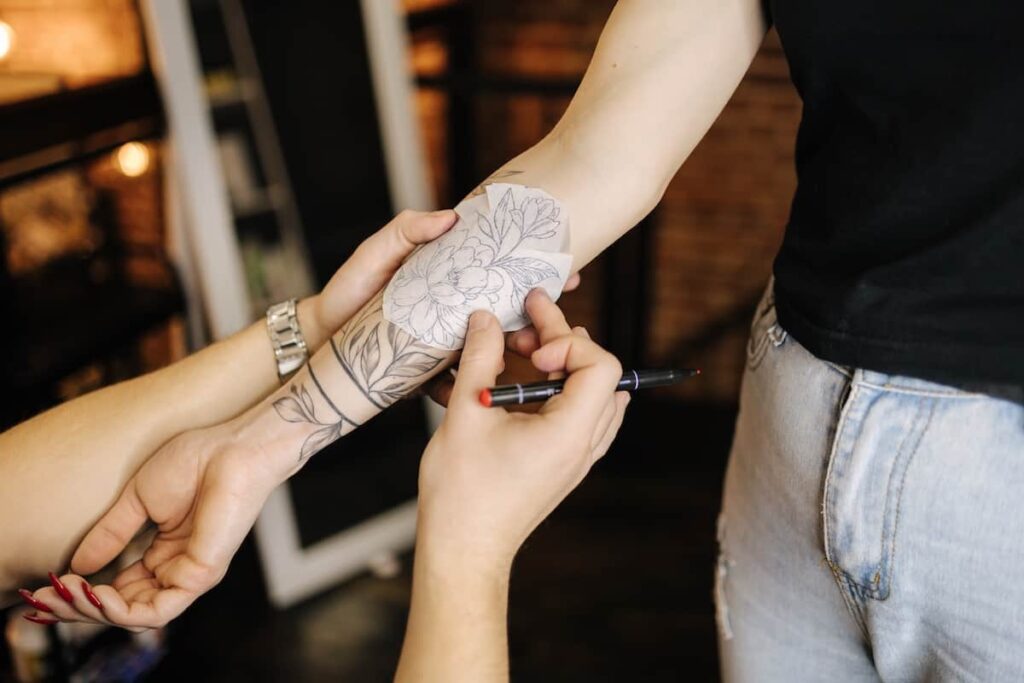
Before the needle touches your skin, the stencil must be perfect. Here’s what to check:
- Alignment: The stencil should follow your body’s natural contours.
- Centering: For symmetrical designs, measure from the spine or midline.
- Size and proportion: Does it fit the area without distortion?
- Detail clarity: Fine lines must be crisp, not blurry.
Ask your artist to use a mirror so you can see the placement from all angles. Don’t rush—this is your last chance to adjust.
Placement Guide for Symmetrical Designs
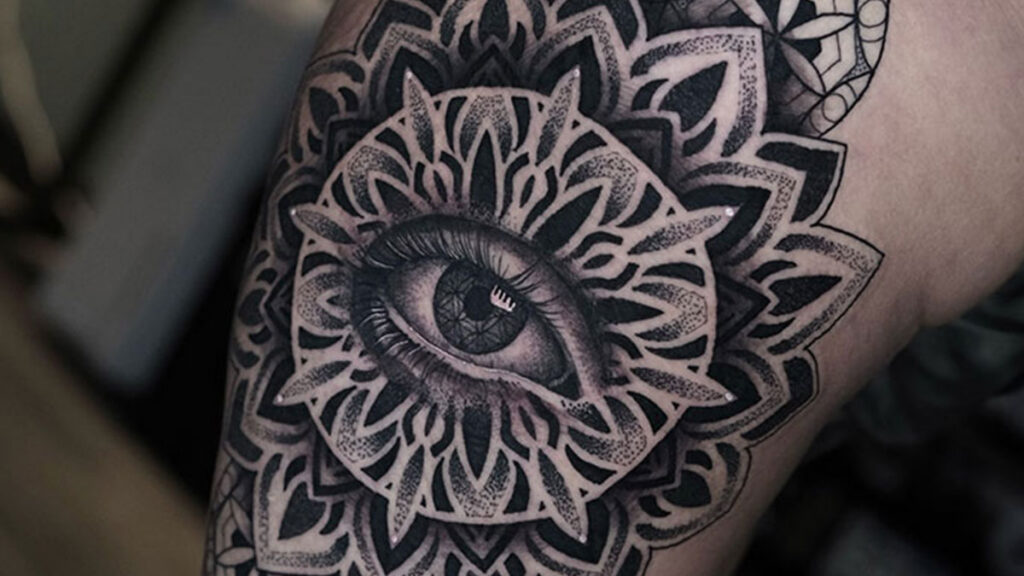
Ornamental and mandala tattoos look best on flat, symmetrical areas of the body. Top choices:
- Spine: Perfect for vertical mandalas; the spine’s natural line acts as the axis.
- Shoulder blades: Broad, flat surface ideal for radial designs.
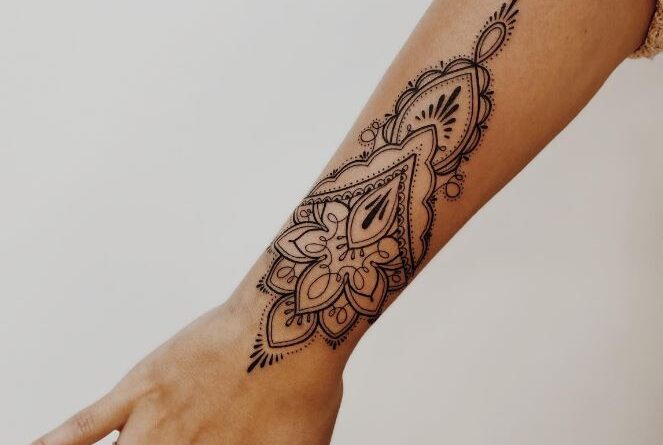
- Forearm: Works well for half-sleeve ornamental patterns.
- Ribcage: Challenging but stunning for large mandalas.
Avoid areas that stretch or twist excessively, like the inner elbow or knee, unless the design is adapted.
Rhythm and Flow: How Patterns Move with the Body
A great ornamental tattoo doesn’t just sit on the skin—it moves with it. The rhythm of lines and shapes should follow muscle contours. For example, a mandala on the shoulder blade can radiate outward as the arm moves. Discuss with your artist how the design will look in different poses.
Aftercare Tips for Fine Line Work
Fine lines and delicate details require extra care. Keep the tattoo moisturized but not wet, avoid direct sunlight, and don’t pick scabs. Use a fragrance-free lotion. For more detailed aftercare, check our magazine.
FAQ
1. How long does an ornamental tattoo take?
Depends on size and detail. A medium mandala (4-6 inches) can take 2-4 hours. Large back pieces may need multiple sessions.
2. Does it hurt more than other styles?
Pain depends on placement, not style. Fine line work is generally less painful than heavy shading, but areas like ribs are sensitive regardless.
3. Can I combine ornamental with other styles?
Yes—ornamental pairs well with geometric, dotwork, and even watercolor accents. But keep the symmetry intact.
4. How do I find a specialist artist?
Look for portfolios with clean, symmetrical lines. Use our verified studios directory to find trusted artists.
Conclusion
Ornamental and mandala tattoos are timeless investments. Prioritize symmetry, check your stencil, and choose placement wisely. For more inspiration, browse our marketplace or book a consultation.
Read more
- Magazine for more tattoo knowledge, style guides and aftercare notes.
- Request a consultation if you need help with style, placement or preparation.
- Marketplace for equipment, supplies and learning resources.
Content hub
Tattoo styles pillar
This article belongs to the styles cluster. Open the pillar page to compare Irezumi, Old School, Realistic, Blackwork, Fine line, Geometric and Watercolor.
Related reading
Continue reading
Lettering Tattoo Healed Portfolio Review: Kerning, Baseline & Placement Distortion
A specialist healed-portfolio review guide for Lettering tattoos, focused on kerning, baseline control and placement distortion. Includes concrete…
Lettering Tattoo Placement: A Specialist Guide to Kerning, Baseline Control, and Body-Flow Distortion
A specialist guide to lettering tattoos focusing on kerning, baseline control, and placement distortion. Learn how to plan…

Lettering Tattoo Design Consultation Checklist: Kerning, Baselines, and Placement Distortion
A specialist consultation checklist for lettering tattoos covering kerning, baseline control, and placement distortion. Includes practical tests, booking…