
Abstract Tattoo Mastery: Concept, Composition & Visual Balance
What Is an Abstract Tattoo? Defining the Style
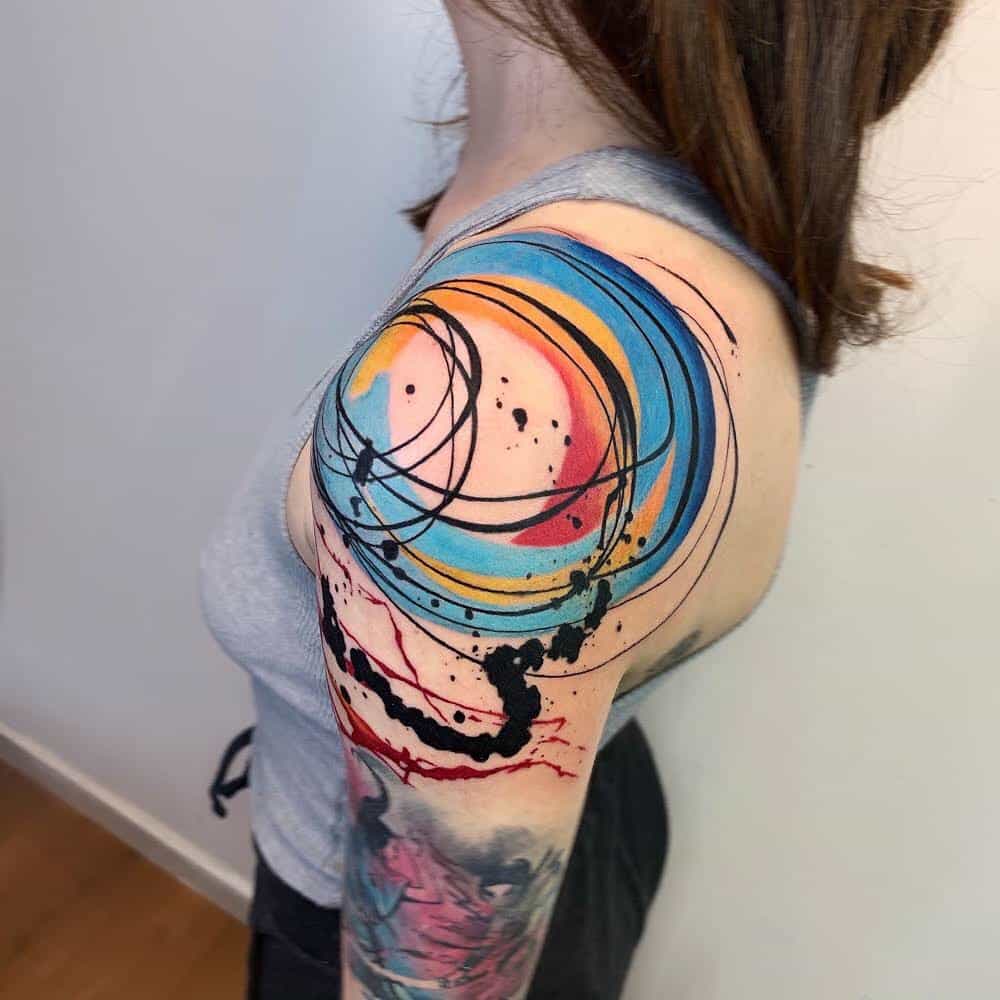
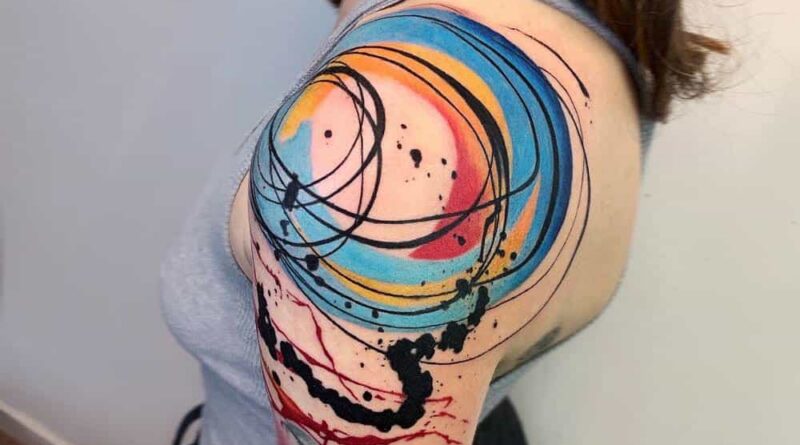
Abstract tattoos break free from literal representation. Instead of depicting a recognizable object, they use shapes, lines, colors, and textures to evoke emotion, movement, or an idea. Think of it as visual poetry on skin—where the meaning is felt rather than read.
Key characteristics:
- Non-representational forms (splashes, strokes, geometric fragments)
- Emphasis on composition and balance
- Often combines styles like Watercolor, Geometric, or Blackwork
- Open to personal interpretation
Abstract tattoos are not random; they require deliberate design decisions. Every mark has a purpose.
Concept Briefing: How to Start Your Abstract Tattoo
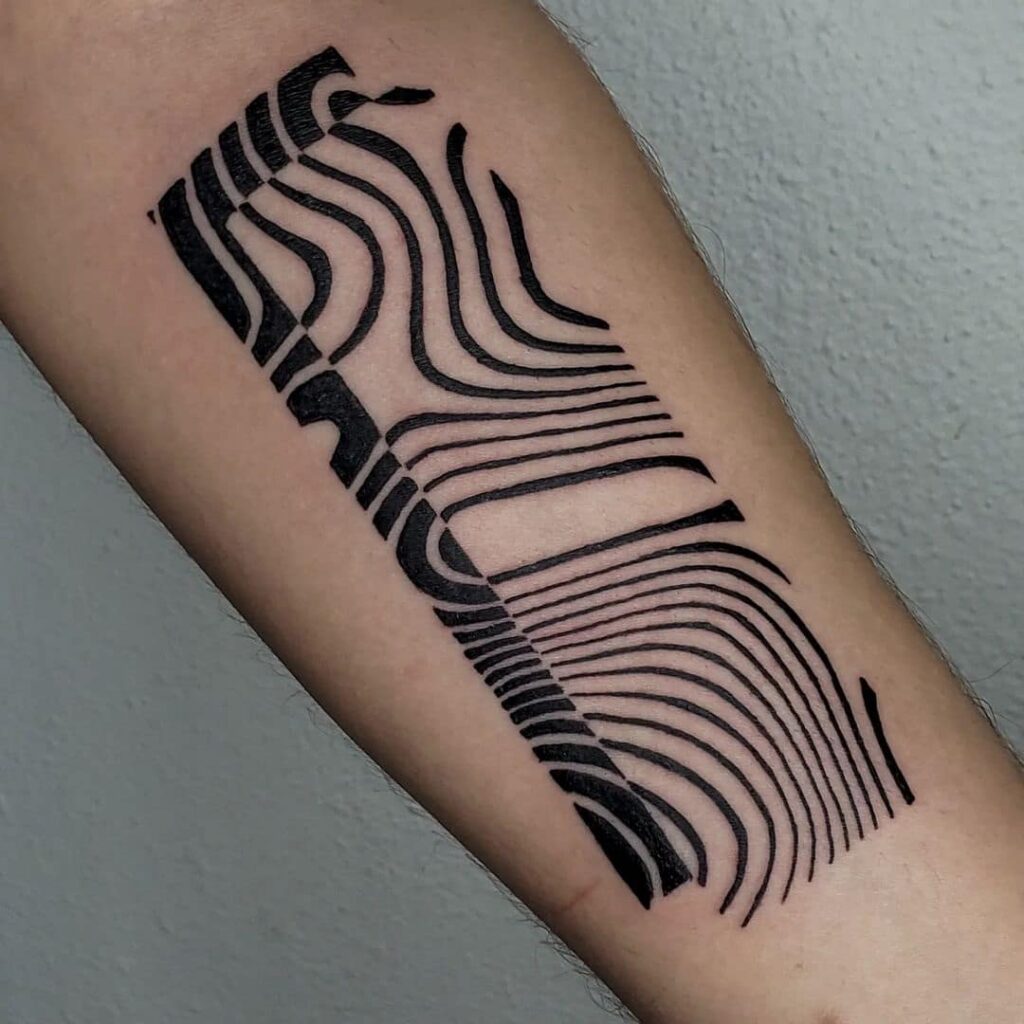
Before needles touch skin, you need a solid concept. Unlike realism, abstract tattoos don’t copy a photo—they translate an idea into visual language.
Step 1: Identify Your Core Theme
What do you want the tattoo to express? Common themes include:
- Transformation (e.g., growth, change)
- Energy (e.g., movement, flow)
- Emotion (e.g., calm, chaos)
Step 2: Gather Visual References
Collect images that capture the mood—not the exact design. Look at modern art, architecture, nature patterns, or even music visualizers.
Step 3: Collaborate with Your Artist
Share your theme and references. A skilled abstract tattoo artist will reinterpret them into a custom composition. Be open to their creative input—they understand how shapes age on skin.
Composition: Building Visual Harmony
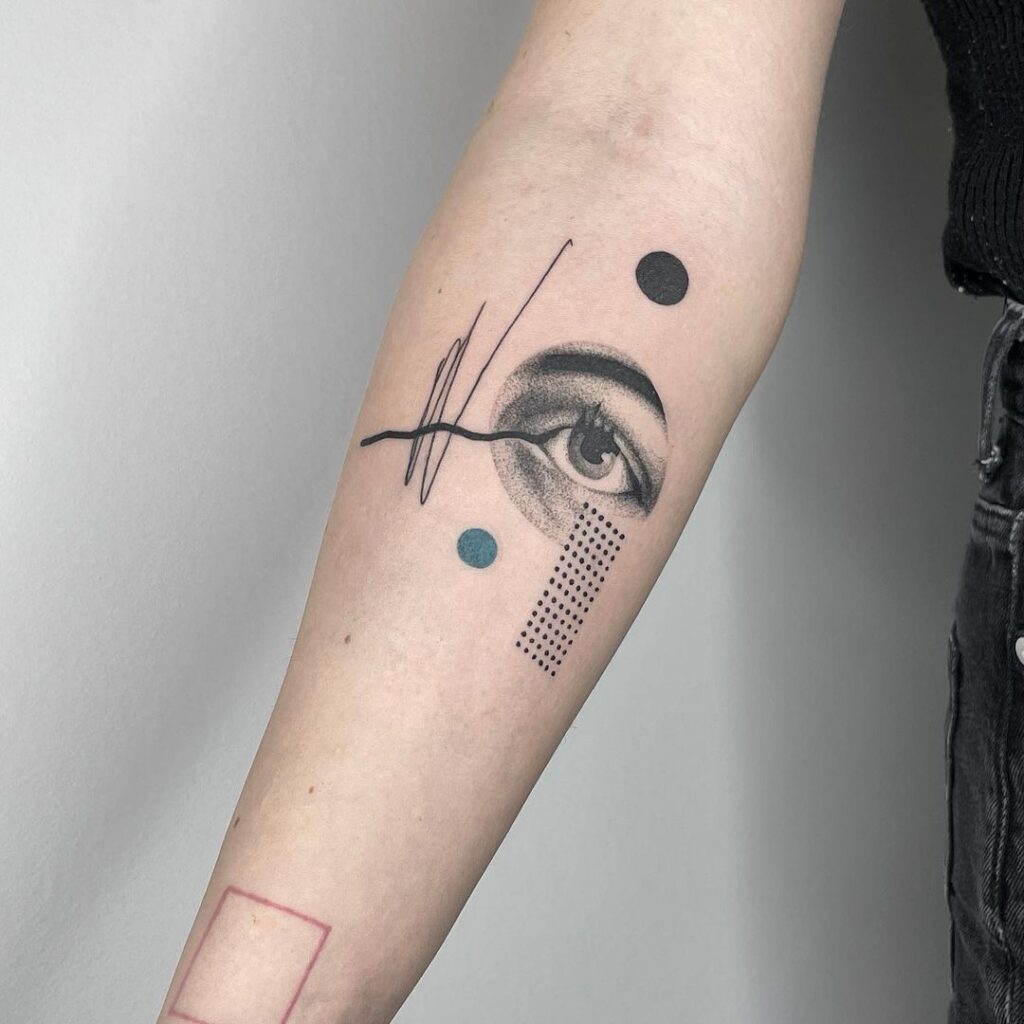
Composition is the arrangement of elements. In abstract tattoos, it’s everything. A poorly composed abstract piece looks chaotic; a well-composed one feels intentional.
Checklist for Strong Composition
- Focal point: Where does the eye land first? Create one clear anchor.
- Flow: Does the design follow the body’s natural curves? For example, a sweeping line on the arm should mirror the muscle shape.
- Balance: Even if asymmetrical, the visual weight should feel stable. Use color saturation, line thickness, or negative space to counterbalance.
- Scale: The design should fit its placement. A tiny abstract on the wrist needs different proportions than a full sleeve.
Caveat: Avoid Overcrowding
More elements don’t mean better. Abstract tattoos thrive on negative space. Let the skin breathe.
Contrast & Movement: Making the Design Pop
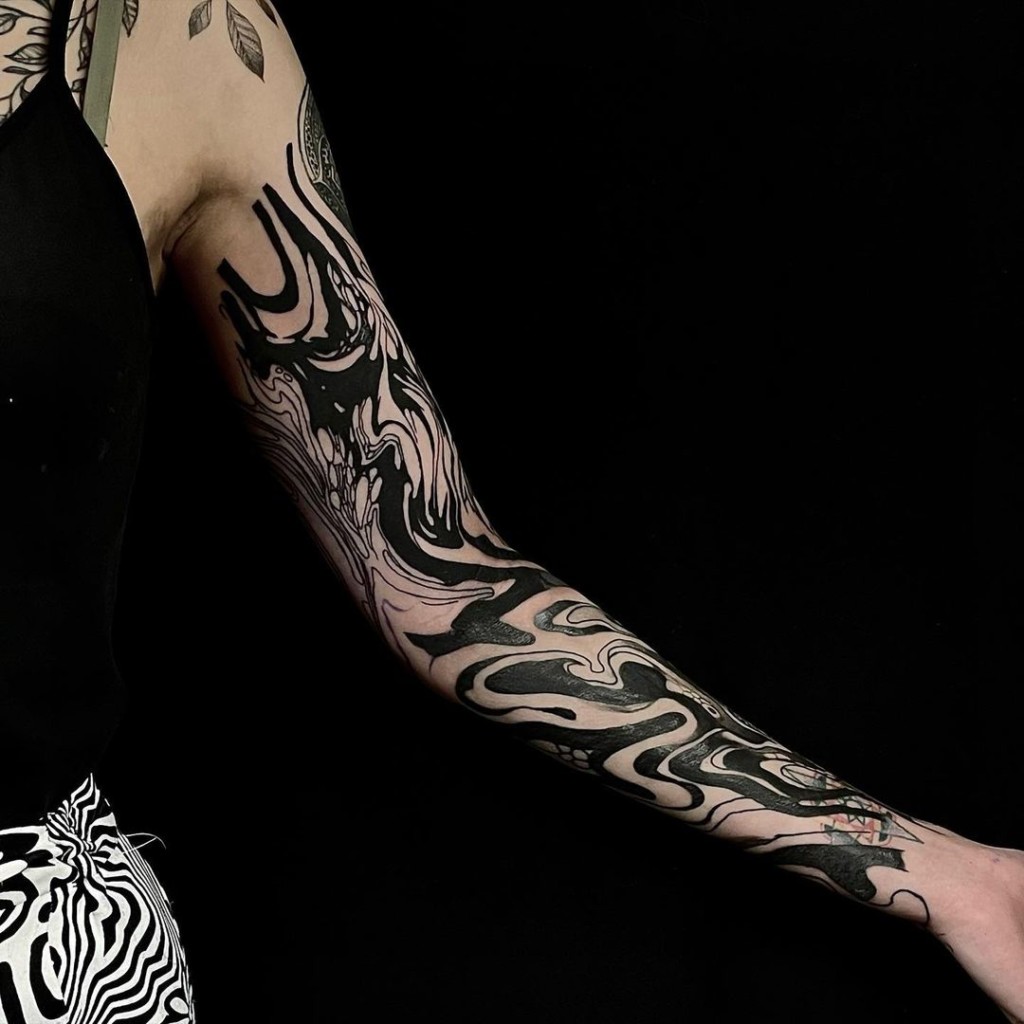
Contrast creates visual interest. Movement guides the eye across the design.
Types of Contrast
- Line weight: Thin lines vs. thick lines create depth.
- Color: High-contrast colors (e.g., black vs. neon) or subtle tonal shifts.
- Texture: Smooth areas next to rough shading (e.g., Dotwork vs. solid black).
Creating Movement
Use directional lines, gradients, or repetitive shapes that taper. For example, a series of expanding circles can suggest outward motion.
Negative Space: The Power of What’s Not There
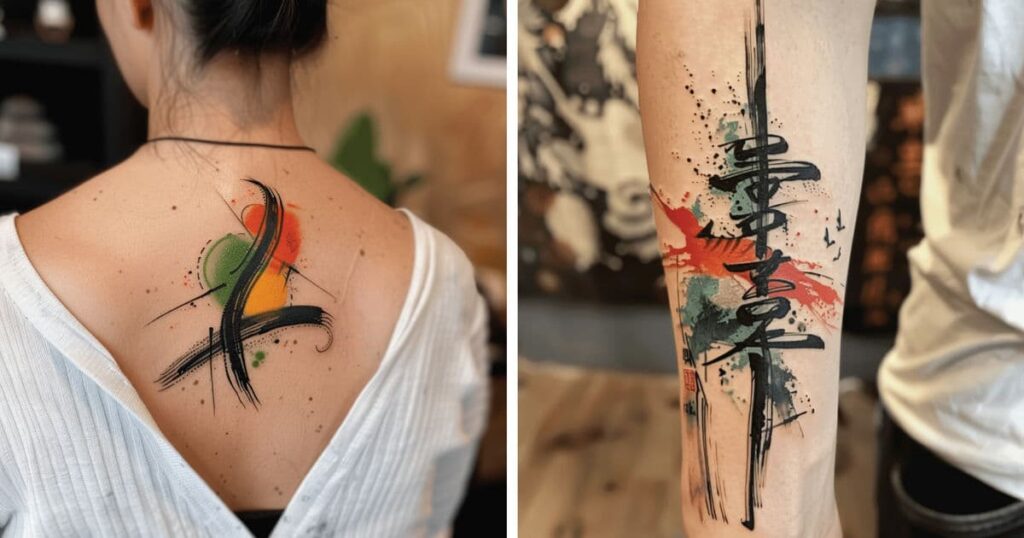
Negative space is the skin left uninked. In abstract tattoos, it’s as important as the ink.
- Defines shapes: A black stroke with a gap can form a hidden image.
- Adds lightness: Prevents the design from feeling heavy.
- Improves aging: Less ink means less blurring over time.
Check before booking: Ask your artist how they plan to use negative space. A good abstract artist will show you a mockup where the skin tone is part of the design.
Portfolio Checks: What to Look For
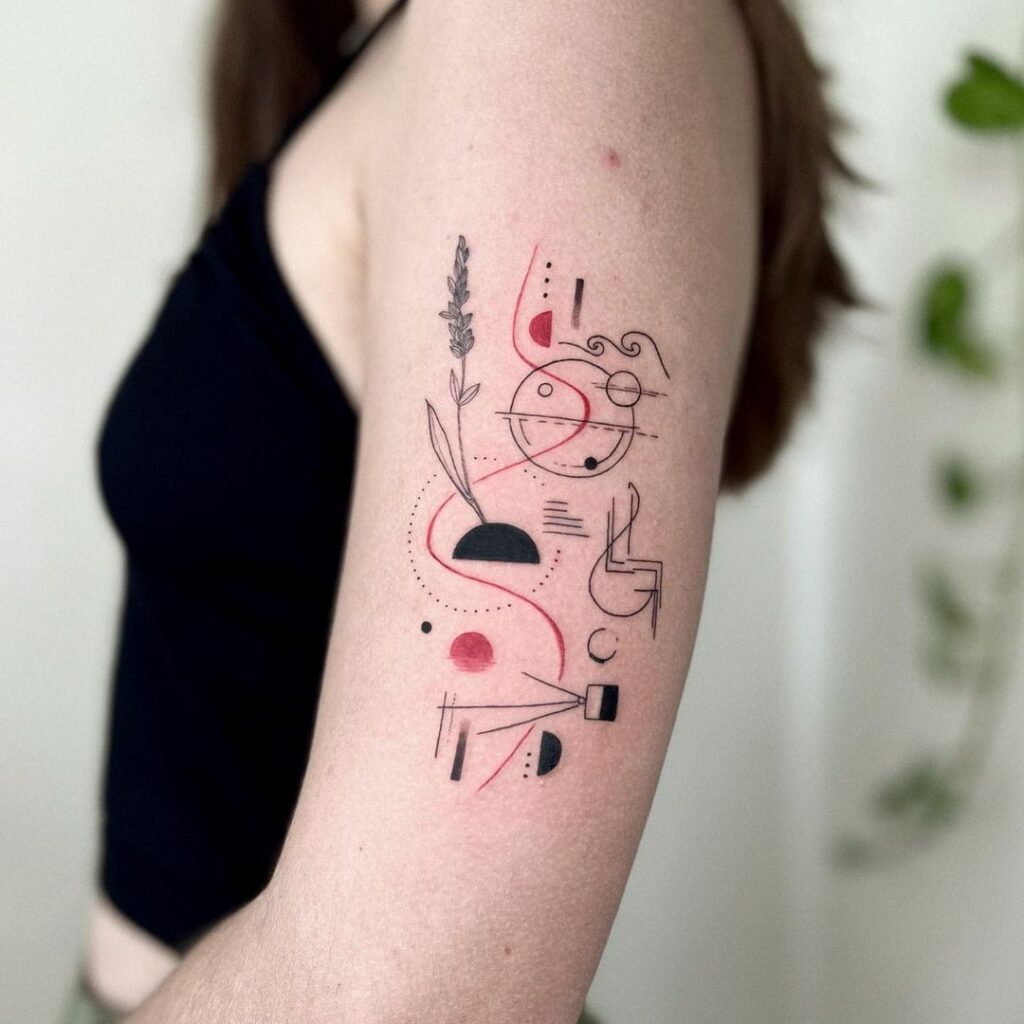
Not every artist can execute abstract well. Review their portfolio critically.
Red Flags
- Only realistic or traditional work—no abstract samples.
- Abstract pieces that look like random splatters without structure.
- Healed photos missing or poor.
Green Flags
- Consistent abstract style across multiple clients.
- Clean lines, smooth shading, intentional composition.
- Healed photos showing the design ages well.
Ask to see a design sketch before booking. The artist should be able to explain their choices.
Abstract vs. Other Styles: Making the Decision
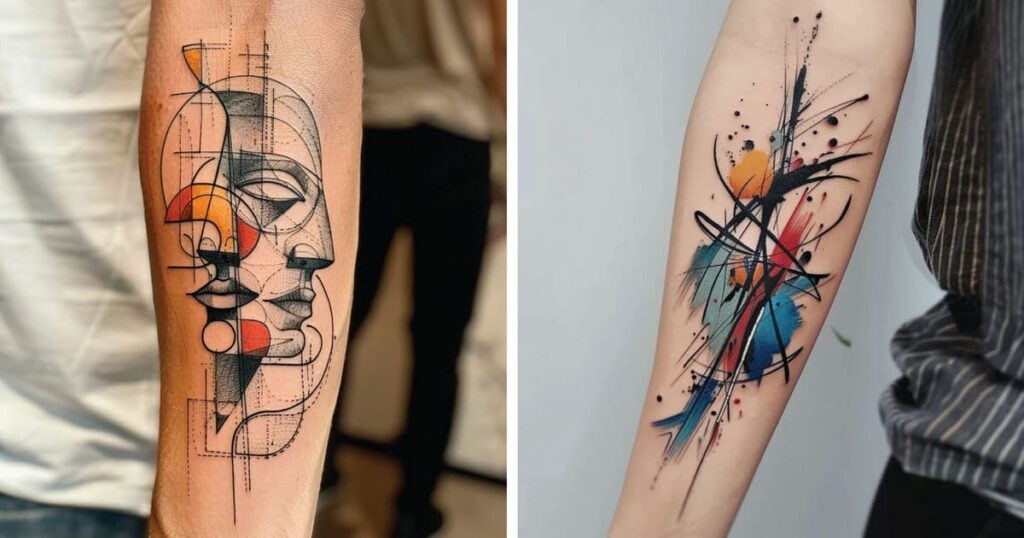
How do you know if abstract is right for you? Compare with similar styles:
| Style | Focus | Best for |
|---|---|---|
| Abstract | Emotion, concept, non-representational | Unique, personal meaning |
| Geometric | Symmetry, patterns, precision | Order and structure lovers |
| Watercolor | Soft blends, color washes | Artistic, painterly look |
| Graphic | Bold lines, flat colors | Modern, illustrative feel |
If you want a tattoo that starts conversations and evolves with you, abstract is a strong choice.
FAQ
1. Do abstract tattoos hurt more?
Pain depends on placement and technique, not style. However, abstract designs often involve shading and linework that may feel similar to other styles.
2. How long does an abstract tattoo take?
Varies by size and detail. A palm-sized piece might take 2-4 hours; a full sleeve can take multiple sessions.
3. Will my abstract tattoo look good in 10 years?
Yes, if done well. Bold lines and good contrast age best. Avoid tiny details that may blur. Ask your artist about aging.
4. Can I combine abstract with other styles?
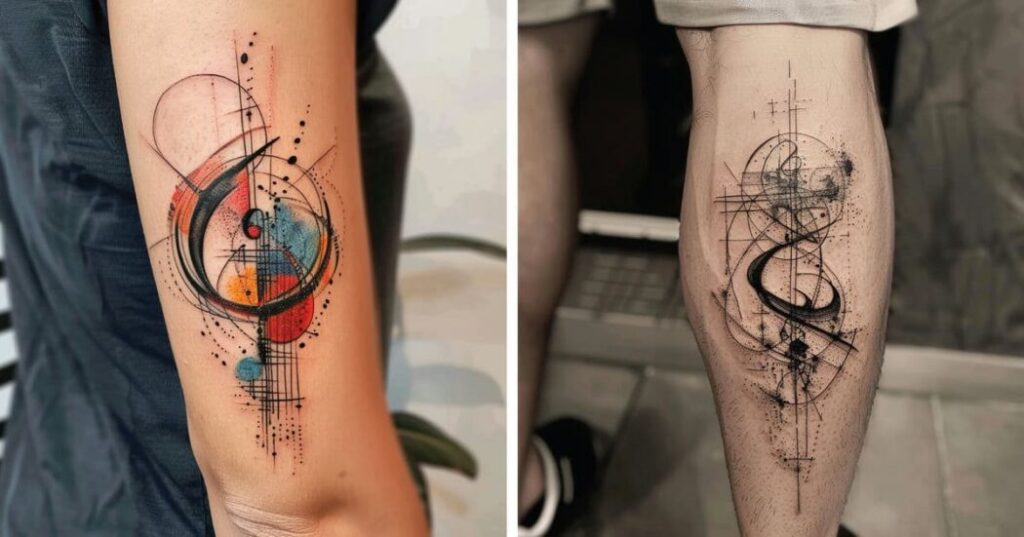
Absolutely. Many abstract tattoos blend Geometric, Watercolor, or Blackwork elements. Just ensure the composition remains cohesive.
Final Checklist Before Booking
- ☐ Concept clearly defined
- ☐ Artist portfolio shows strong abstract work
- ☐ Composition discussed and sketch approved
- ☐ Negative space incorporated
- ☐ Healed photos verified
Abstract tattoos are a commitment to art. Choose wisely, and you’ll wear a masterpiece.
Read more
- Magazine for more tattoo knowledge, style guides and aftercare notes.
- Request a consultation if you need help with style, placement or preparation.
- Marketplace for equipment, supplies and learning resources.
Content hub
Tattoo styles pillar
This article belongs to the styles cluster. Open the pillar page to compare Irezumi, Old School, Realistic, Blackwork, Fine line, Geometric and Watercolor.
Related reading
Continue reading
Lettering Tattoo Healed Portfolio Review: Kerning, Baseline & Placement Distortion
A specialist healed-portfolio review guide for Lettering tattoos, focused on kerning, baseline control and placement distortion. Includes concrete…
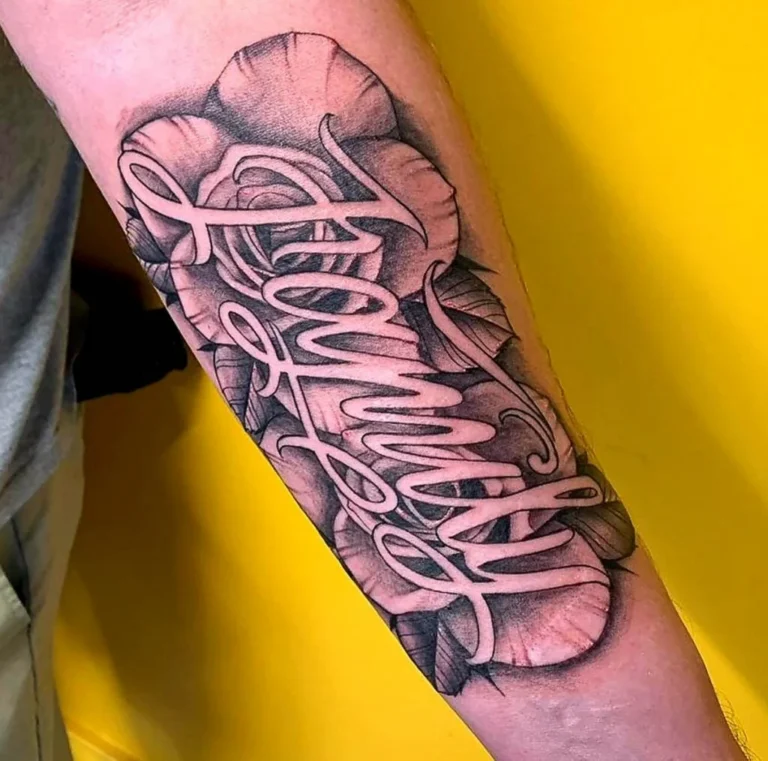
Lettering Tattoo Placement: A Specialist Guide to Kerning, Baseline Control, and Body-Flow Distortion
A specialist guide to lettering tattoos focusing on kerning, baseline control, and placement distortion. Learn how to plan…

Lettering Tattoo Design Consultation Checklist: Kerning, Baselines, and Placement Distortion
A specialist consultation checklist for lettering tattoos covering kerning, baseline control, and placement distortion. Includes practical tests, booking…