Neo-Traditional Tattooing: Mastering Color Palettes, Line Weights, and Character Design
Introduction: The Rise of Neo-Traditional
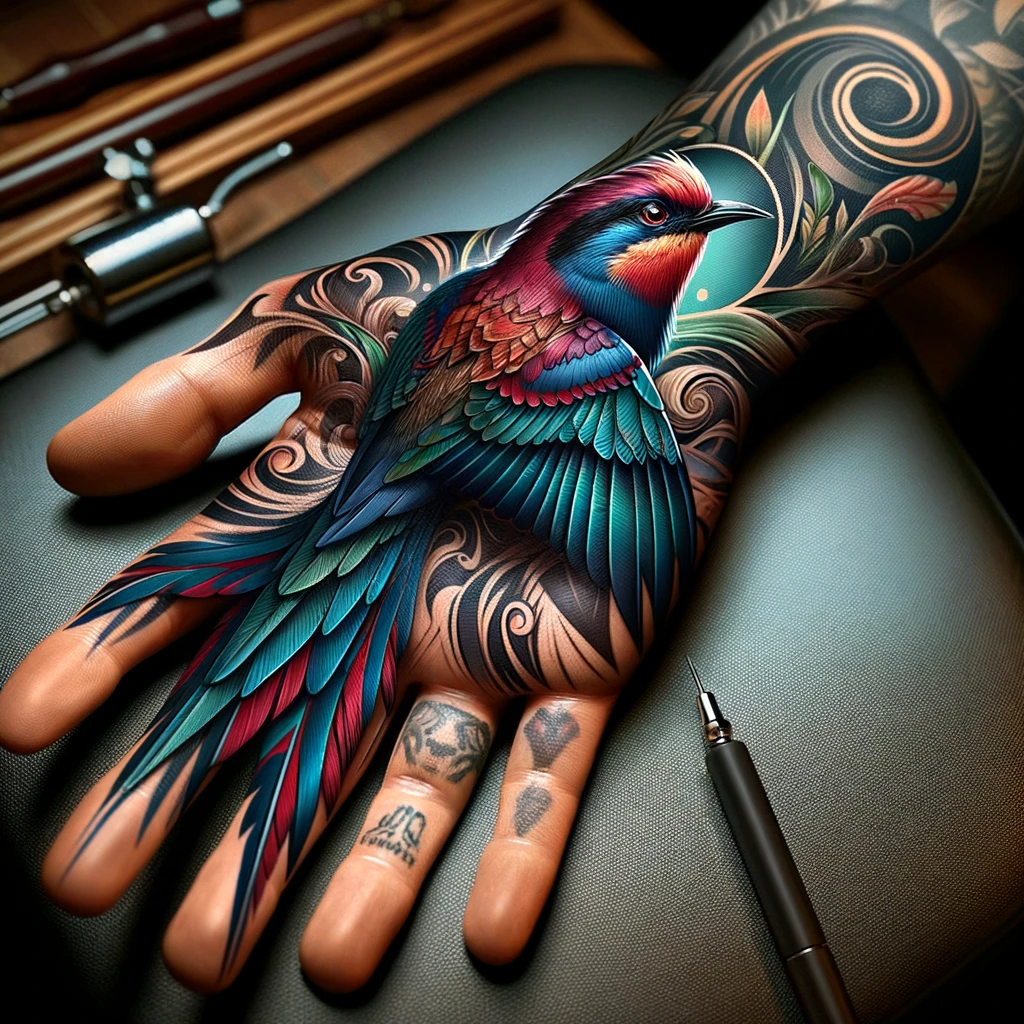
Neo-traditional tattooing has evolved from its old school roots into a distinct style that blends bold lines with illustrative complexity. Unlike traditional American tattoos, neo-traditional embraces a broader color palette, varied line weights, and intricate character designs. This guide breaks down the technical essentials—color theory, line work, and composition—so you can create or choose neo-traditional pieces that stand out.
Defining the Neo-Traditional Aesthetic
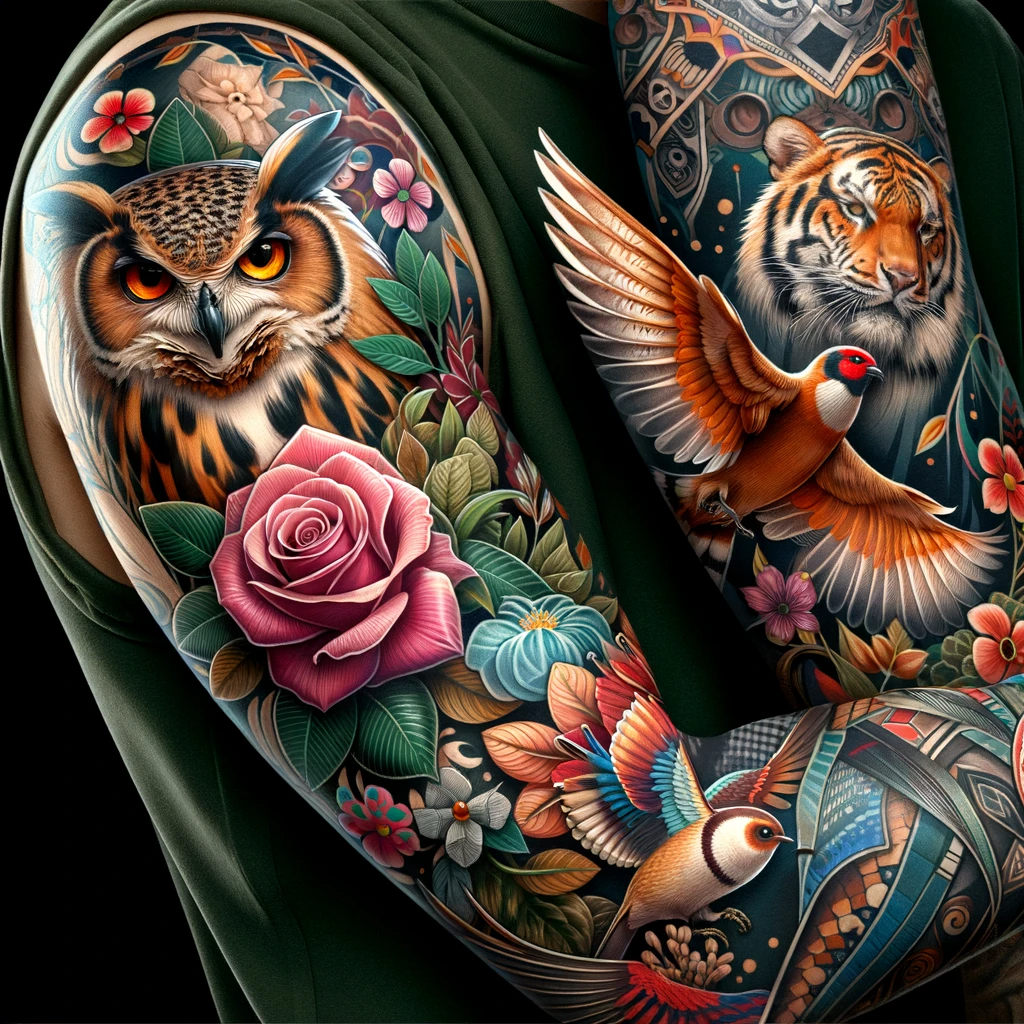
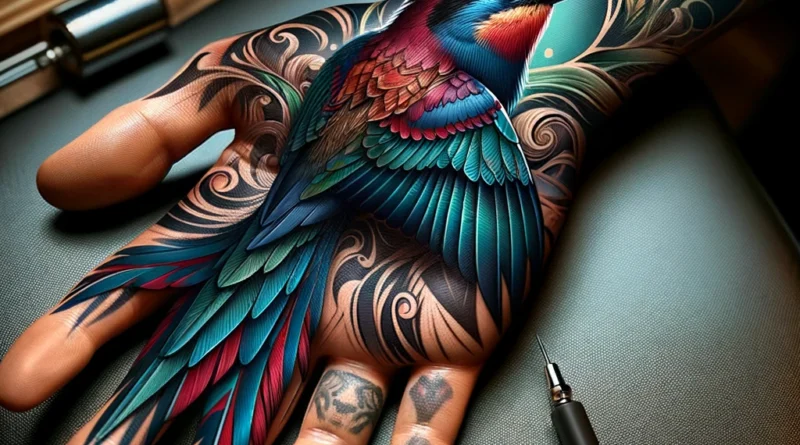
Neo-traditional tattoos retain the iconic motifs of old school—anchors, roses, swallows—but reinterpret them with modern depth. Key differences include:
- Line weight: Thick outlines remain, but inner lines vary from fine to medium, adding dimension.
- Color palette: Earth tones, muted greens, dusty pinks, and navy blues replace primary colors.
- Shading: Stippling, hatching, and soft gradients create volume.
- Character design: Human faces, animals, and mythical figures are rendered with realistic proportions and expressive features.
Color Palette: Beyond Primary
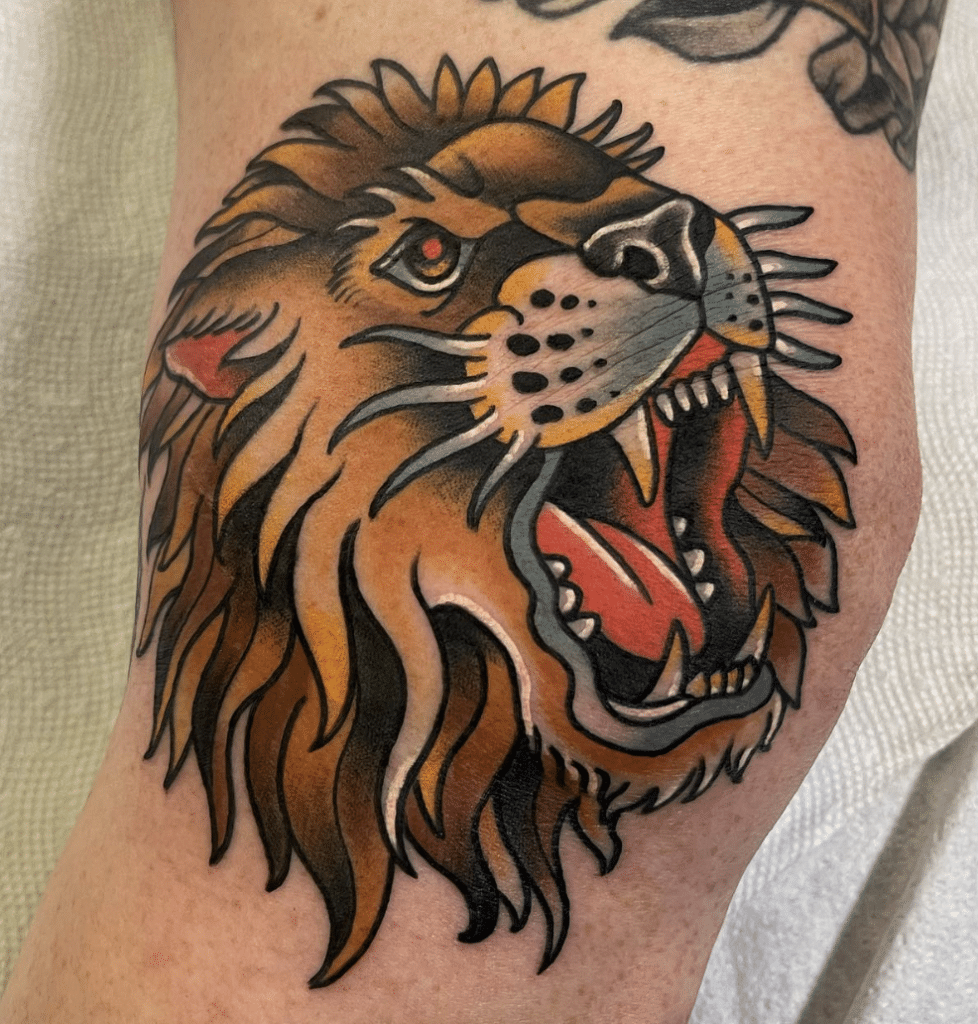
Neo-traditional color theory favors desaturated, earthy hues. Common choices include olive green, mustard yellow, brick red, and slate blue. Skin tone considerations: pale skin holds pastels well; darker skin benefits from higher contrast—avoid pale yellows and opt for deep oranges or purples. A balanced palette uses 3–5 colors max, with one dominant hue.
Color Combinations That Work
- Olive + rust + cream
- Navy + mustard + dusty rose
- Forest green + maroon + gold
Line Weight: The Backbone of Design
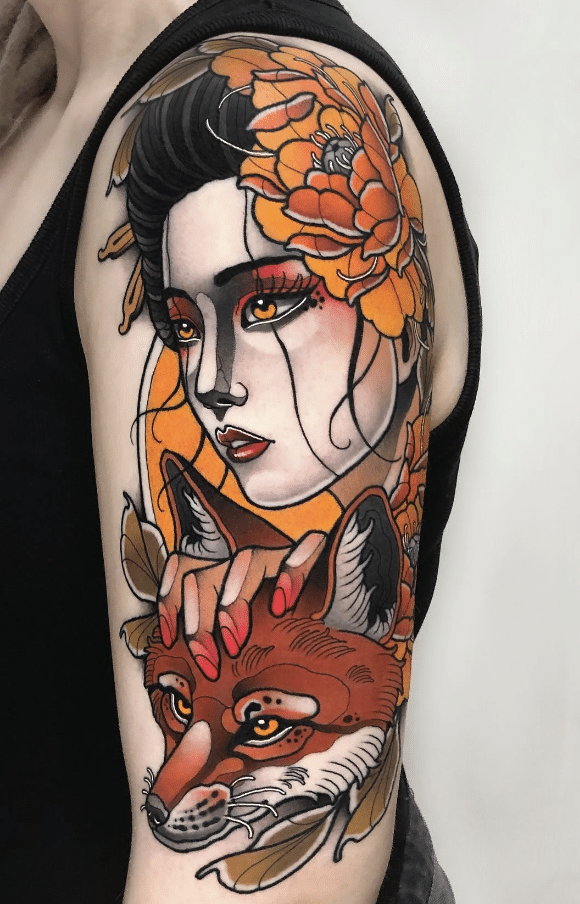
Neo-traditional relies on a dynamic line hierarchy. Outer contours: 7–9 round liner for bold definition. Inner details: 3–5 round liner for fine lines. Variation creates visual interest—use thicker lines for foreground elements, thinner for background or texture. Caveat: Overly thick lines can muddy small designs; keep outer lines consistent but not overwhelming.
Character Design: Anatomy and Expression
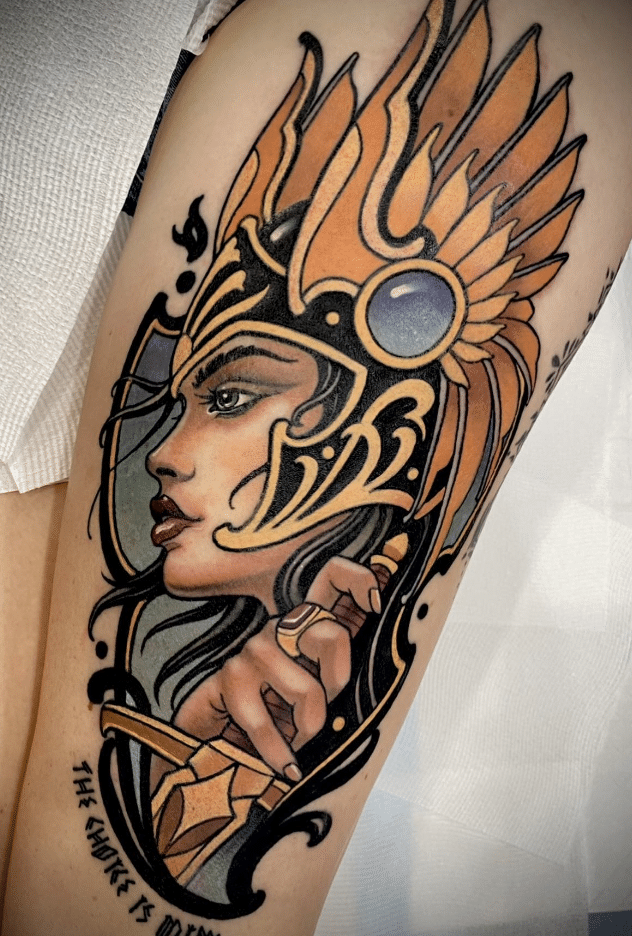
Faces should follow realistic anatomy—eye placement, cheekbone angles, lip curves—even in stylized pieces. Use reference photos for proportions. Expressions: slight smirk, furrowed brow, or soft gaze add personality. Hair and clothing folds: use line weight variation to suggest volume.
Step-by-Step Character Design
- Sketch basic head shape and centerline.
- Add eyes at midpoint, nose below, mouth one-third from nose to chin.
- Define jawline and hair flow.
- Refine features with light shading.
- Apply color blocking, then details.
Composition and Placement
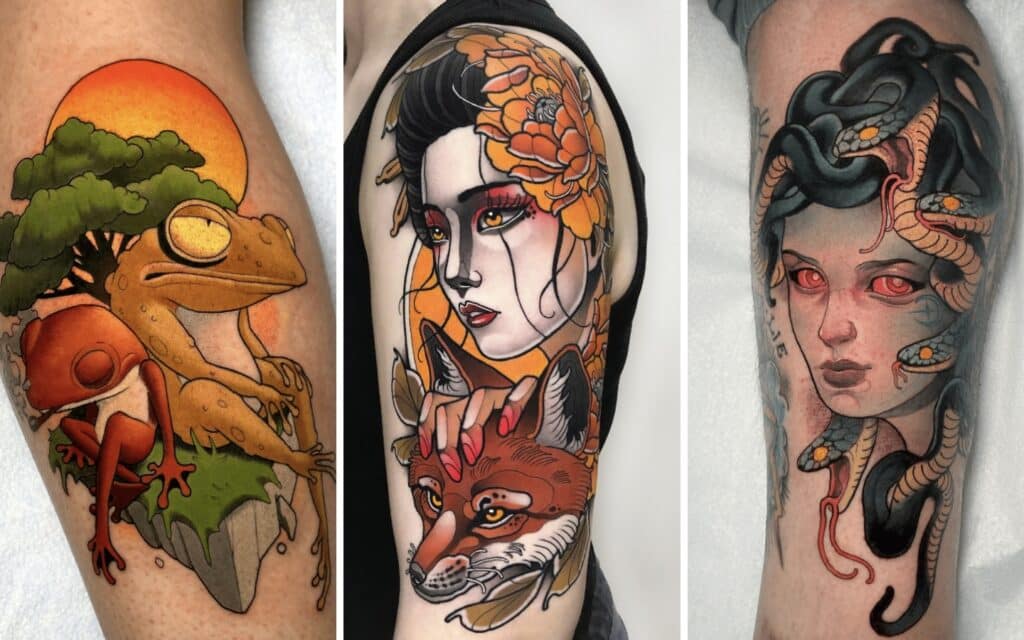
Neo-traditional works well on forearms, calves, shoulders, and chest. Consider body contours—wrapping a rose around a bicep or aligning a bird with a collarbone. Leave negative space for readability.
Common Mistakes and How to Avoid Them
- Muddy colors: Too many similar tones blend together. Use contrast checks in grayscale.
- Flat shading: Avoid solid fills; use gradients or stippling.
- Stiff characters: Practice gesture drawing to capture movement.
FAQ
What is the difference between traditional and neo-traditional tattoos?
Traditional tattoos use bold black outlines, limited primary colors, and simple imagery. Neo-traditional expands the color palette, varies line weights, and adds realistic shading and complex compositions.
How do I choose colors for my neo-traditional tattoo?
Work with your artist to select 3–5 earthy tones that complement your skin tone. Avoid neon or overly bright hues—stick to muted shades for a classic look.
Can neo-traditional tattoos cover up old tattoos?
Yes, due to bold lines and dense color, neo-traditional designs can effectively cover previous work. Consult an experienced artist for a custom design.
How long does a neo-traditional tattoo take to heal?
Healing takes 2–4 weeks for the surface, but deeper layers may take months. Follow standard aftercare: keep clean, moisturize lightly, avoid sun exposure.
For more inspiration, check our magazine and rankings of top artists. Browse studios near you or consult with a specialist. Find unique designs in our marketplace. Verify artist credentials on verified studios.
Content hub
Tattoo styles pillar
This article belongs to the styles cluster. Open the pillar page to compare Irezumi, Old School, Realistic, Blackwork, Fine line, Geometric and Watercolor.
Related reading
Continue reading
Lettering Tattoo Healed Portfolio Review: Kerning, Baseline & Placement Distortion
A specialist healed-portfolio review guide for Lettering tattoos, focused on kerning, baseline control and placement distortion. Includes concrete…
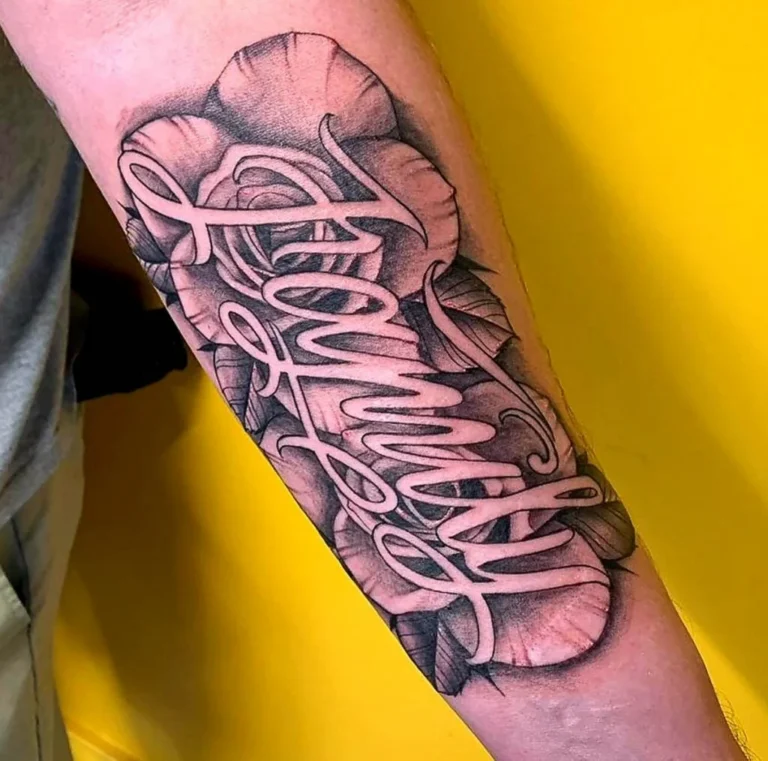
Lettering Tattoo Placement: A Specialist Guide to Kerning, Baseline Control, and Body-Flow Distortion
A specialist guide to lettering tattoos focusing on kerning, baseline control, and placement distortion. Learn how to plan…

Lettering Tattoo Design Consultation Checklist: Kerning, Baselines, and Placement Distortion
A specialist consultation checklist for lettering tattoos covering kerning, baseline control, and placement distortion. Includes practical tests, booking…