Realism Tattoo in Da Nang: How to Check Reference, Skin Tone, and Portfolio Before You Book
Realism tattoos are among the most demanding styles in the industry—and in Da Nang, where the tattoo scene is growing fast, the gap between a skilled realism artist and a weekend amateur can be the difference between a lifelike portrait and a permanent regret. This guide is not about hype; it’s about the concrete checks you should run before committing to a realism piece in Da Nang. From reference quality to skin tone compatibility and portfolio scrutiny, here’s what a senior editor would tell you before you sit in the chair.
Why Realism Tattoos Demand Extra Caution
Realism (and its sub-styles like micro realism and blackwork realism) relies on smooth gradients, precise shading, and anatomical accuracy. Unlike geometric or abstract tattoos, where a slight wobble can be forgiven as artistic license, realism has zero margin for error. A misplaced highlight or an overworked shadow can turn a face into a caricature. In Da Nang, where humidity and sun exposure are high, the way ink settles on your skin also matters more than in cooler climates. So, before you even think about price, you need to evaluate three things: the reference, your skin tone, and the artist’s portfolio.
1. Reference Check: Garbage In, Garbage Out

Your reference image is the blueprint for your tattoo. If it’s low-resolution, poorly lit, or overly edited, the final result will suffer. Here’s how to do a reference check like a pro:
- Resolution: Use images that are at least 2000px on the longest side. Blurry or pixelated references force the artist to guess details, and guessing is the enemy of realism.
- Lighting: Choose a reference with clear, directional light. Flat lighting kills depth. For portraits, a Rembrandt lighting setup (a triangle of light on the cheek) is ideal—it gives the artist a roadmap for shading.
- Contrast: High-contrast images (deep blacks and bright whites) are easier to translate into ink. If your reference is washed out, ask the artist to adjust it or find a better one.
- Context: For animal or object realism, make sure the reference shows the texture clearly—fur, scales, or metal. The artist needs to see how light interacts with the surface.
Pro tip: Bring 2-3 variations of the same subject. A good artist will combine the best elements from each to create a composite that works for your skin.
2. Skin Tone: Not All Skin Is Created Equal
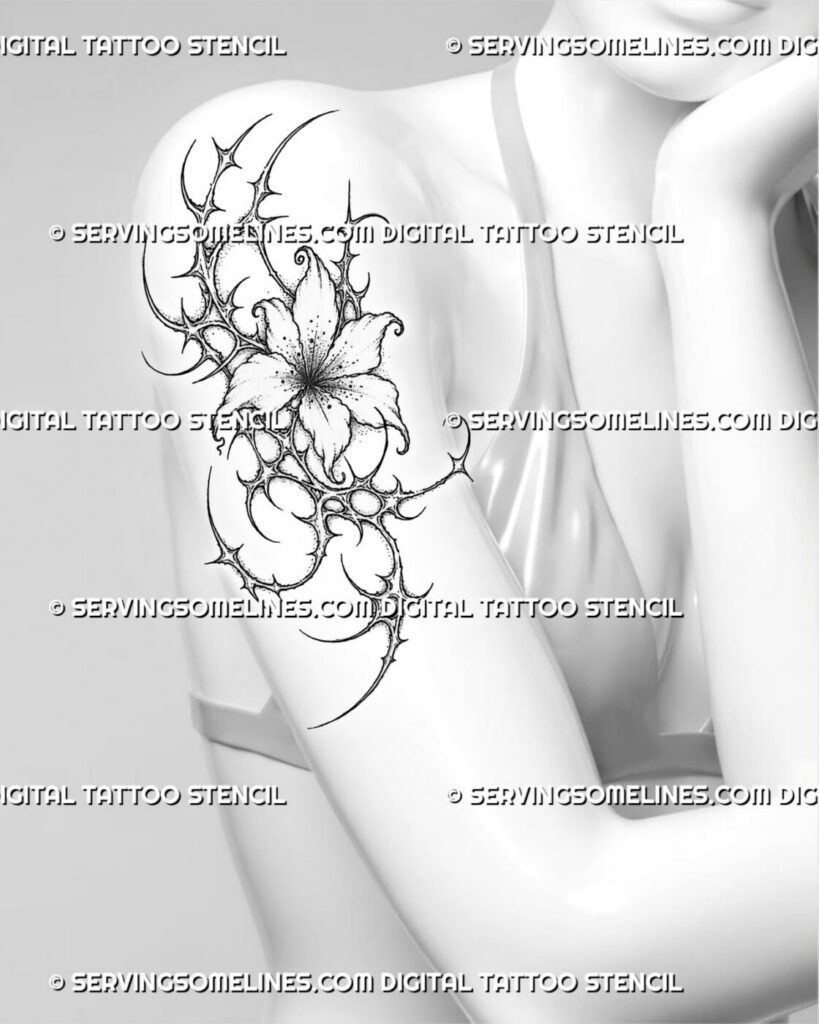
Realism relies on subtle tonal shifts, and your skin tone determines how those shifts will read. In Da Nang, with its mix of local and expat clients, artists see a wide range of skin tones. Here’s what you need to know:
- Fair skin: You have the most flexibility. Fine line and micro realism will pop, but you’re also prone to sun damage—so aftercare is critical.
- Medium/olive skin: This is the sweet spot for realism. The skin has enough natural contrast to hold gradients, but you need an artist who knows how to adjust ink dilution to avoid muddiness.
- Dark skin: Realism is possible, but it requires a specialist. The artist must use higher contrast and strategic negative space. If a portfolio doesn’t show dark skin work, walk away.
Also, consider the placement. Areas with thin skin (like the inner arm) heal faster and hold detail better, while areas with thick skin (like the back) are more forgiving but require more passes. An experienced artist in Da Nang will guide you—but only if you ask.
3. Portfolio Scrutiny: Beyond the Instagram Grid
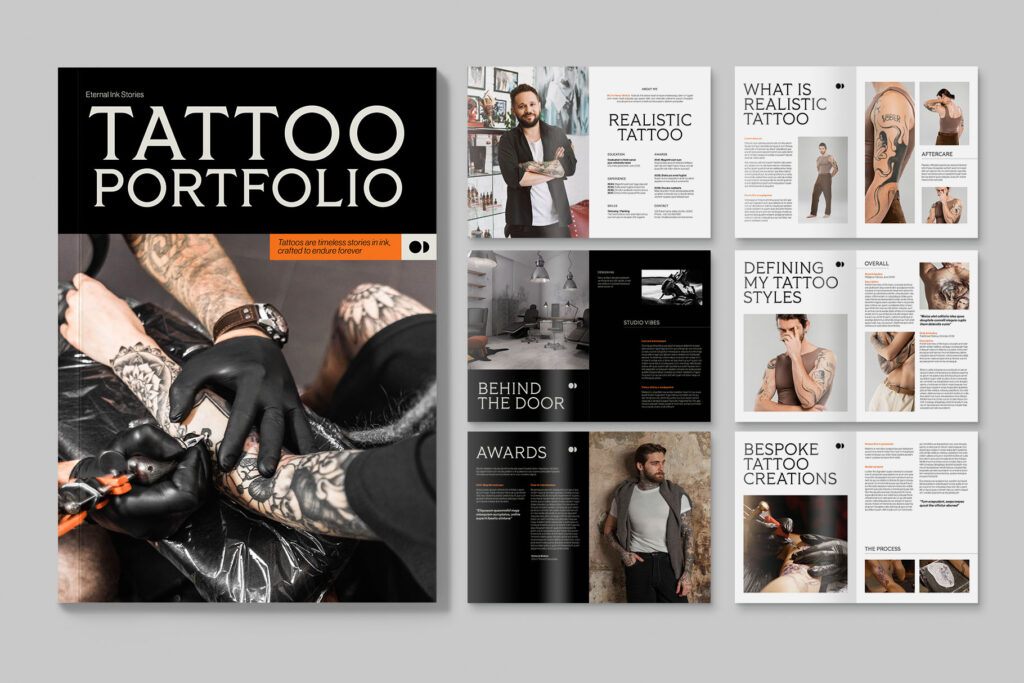
Every artist posts their best work on Instagram, but a portfolio check goes deeper. Here’s a checklist to use when reviewing a realism artist’s portfolio—online or in person:
- Healed photos: Fresh tattoos look vibrant, but healed ones tell the truth. Ask for photos taken at least 6 months after the session. If they don’t have any, that’s a red flag.
- Consistency: Look at 10-15 pieces. Is the quality consistent? One amazing piece could be a fluke. You want a pattern of excellence.
- Variety of subjects: Can they do portraits, animals, and objects? Or do they only do one subject? Versatility indicates a deeper understanding of form and light.
- Skin tone diversity: As mentioned, if you have darker skin, you need to see examples on darker skin. If they don’t have any, they may not be experienced.
- Detail at scale: Check if they do micro realism. If you want a small piece, make sure they can handle fine lines without blowout. Look for tight, clean lines in their smaller works.
Don’t just scroll—ask specific questions. For example: “Why did you choose this shading technique here?” A real artist can explain their decisions.
4. The Consultation: What to Ask
Once you’ve shortlisted a studio in Da Nang (check our verified studios list), book a consultation. This is your chance to vet the artist in person. Bring your reference, and ask:
- How will you adapt the reference to my skin tone?
- How many sessions will this take, and how long is each?
- What does the healing process look like in Da Nang’s climate?
- Can you show me a healed example of a similar piece?
Also, ask about their tattoo aftercare advice—a responsible artist will give you a detailed plan, not just “keep it clean.”
5. Safety and Hygiene: Non-Negotiable
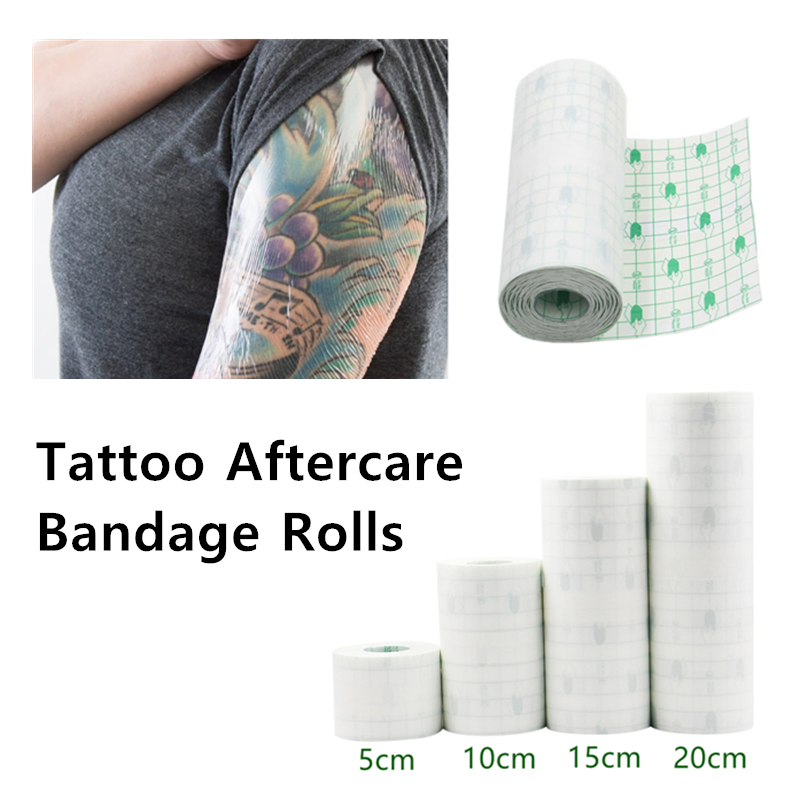
Realism tattoos often require longer sessions, which increases the risk of infection if the studio isn’t clean. Before you book, verify:
- Autoclave sterilization for equipment
- Single-use needles and ink caps
- Gloves changed between every client
- Clean, disinfected workstations
If a studio in Da Nang doesn’t meet these standards, leave. No tattoo is worth a bloodborne infection.
6. Pricing: You Get What You Pay For
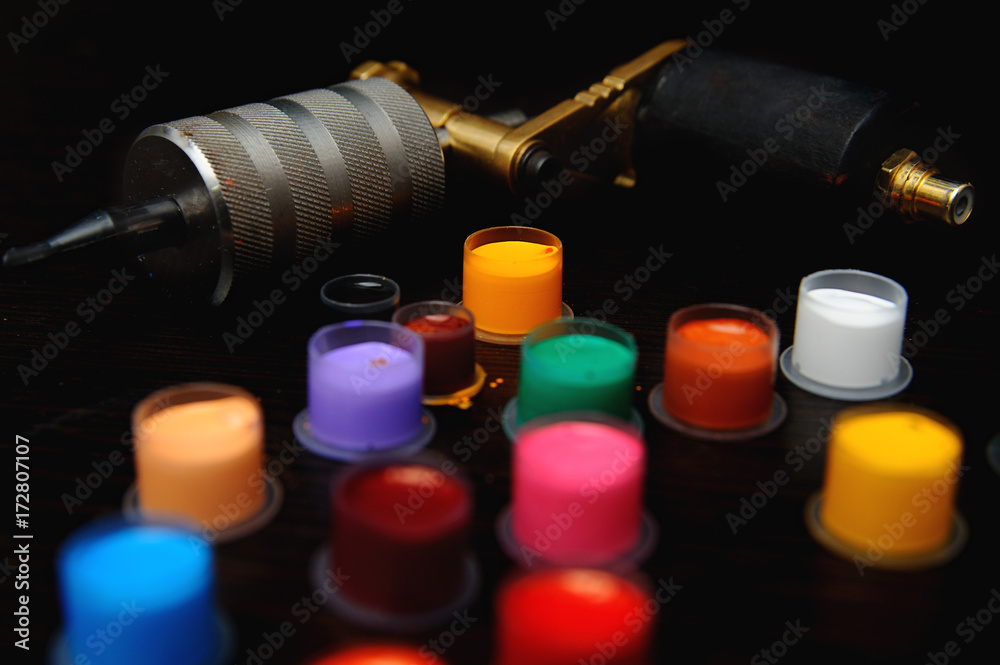
Realism is time-intensive. A detailed portrait can take 4-8 hours, and quality artists charge accordingly. In Da Nang, prices vary, but if a deal seems too good to be true, it is. Use our tattoo price estimator to get a ballpark, but remember: you’re paying for skill, not just time.
7. Aftercare in Da Nang’s Climate
Da Nang’s heat and humidity can affect healing. Sweat and moisture can cause ink to fade or lead to infection. Follow these tips:
- Keep the tattoo dry and clean—use a gentle soap and pat dry with a paper towel.
- Avoid direct sun exposure for at least 3 weeks. If you must go out, cover the tattoo or use a high-SPF sunscreen (after healing).
- Don’t soak in pools, hot tubs, or the ocean until fully healed (about 4 weeks).
Your artist should provide a written aftercare sheet. If they don’t, ask for one.
FAQ: Realism Tattoo in Da Nang
Q1: How do I know if a realism tattoo artist in Da Nang is good?
Check their portfolio for healed photos, consistency, and variety. Ask for client references and look for reviews on platforms like Google or Facebook. A good artist will also be transparent about their process.
Q2: Can I get a realism tattoo on dark skin?
Yes, but you need an artist experienced with darker skin tones. They must adjust contrast and use negative space effectively. Look for portfolios that include dark skin examples.
Q3: How long does a realism tattoo take to heal?
Initial healing takes 2-3 weeks, but full settling can take up to 2 months. During that time, avoid sun exposure and keep the area moisturized but not overly wet.
Q4: What’s the difference between realism and micro realism?
Micro realism is a smaller scale, often using fine lines and detailed shading in a compact area. It requires even more precision and is best for small, intricate pieces. Both styles are available in Da Nang, but not all artists can do both.
Ready to find a verified realism artist in Da Nang? Browse our studio directory and artist rankings to compare portfolios and book a consultation with confidence.
Content hub
Trusted studio pillar
This article belongs to the studio cluster. Open the pillar page for hygiene standards, healed portfolio checks, Verified signals and how to choose a studio.
Related reading
Continue reading
Cover-Up Tattoo Da Nang: Consultation Checklist & Safety Notes
A practical guide to cover-up tattoos in Da Nang: consultation checklist, safety notes, style advice, and realistic expectations.
Da Nang Tattoo Studio Guide: Hygiene, Portfolio & Booking Checklist
Your complete checklist for choosing a tattoo studio in Da Nang: hygiene inspection, portfolio evaluation, and step-by-step booking…

Tattoo Pain and Placement in Da Nang: A Practical Guide for Your First or Next Tattoo
Honest guide to tattoo pain and placement in Da Nang. Learn pain levels, best spots for local climate,…