Neo-Traditional Tattoo: Bold Lines, Rich Color Palette & Healed Contrast – A Complete Guide
What Is Neo-Traditional Tattoo?
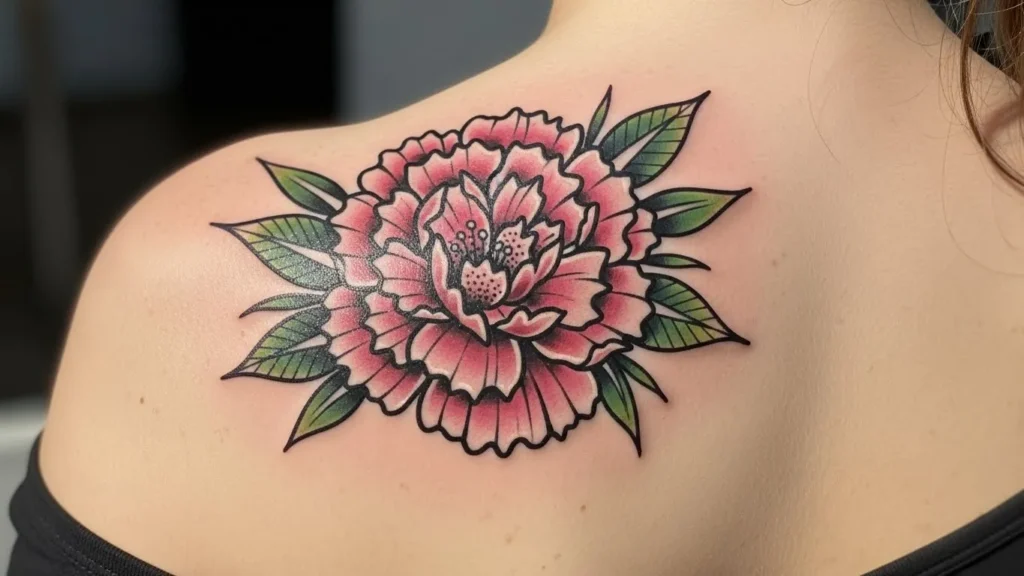
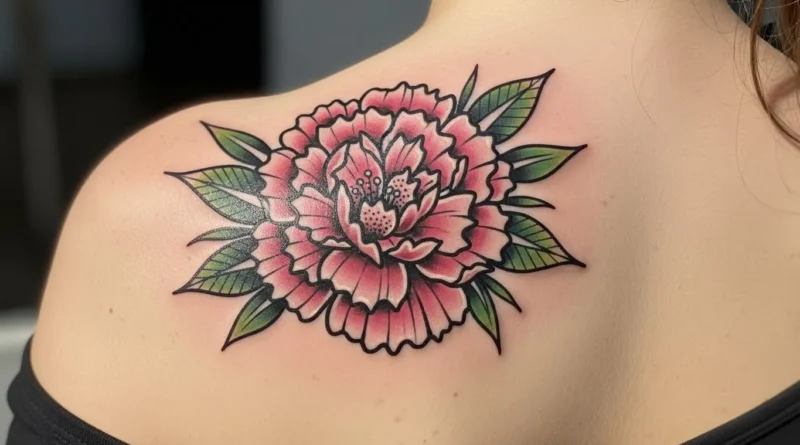
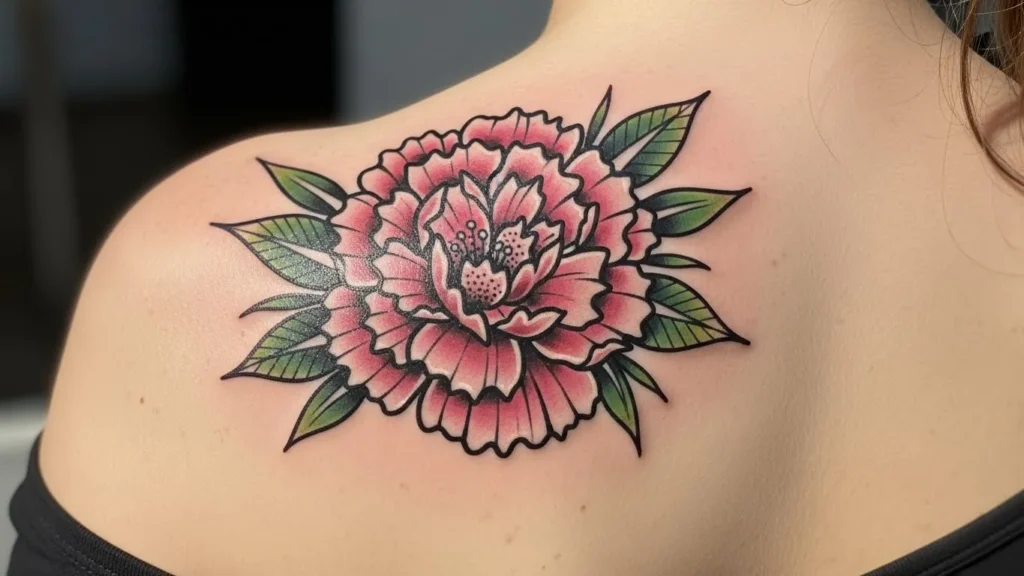
Neo-traditional tattoo is a style that evolved from American traditional tattooing but expands its creative boundaries. While traditional tattoos rely on a limited palette (black, red, yellow, green) and thick, simple outlines, neo-traditional introduces a wider range of colors, more complex shading, and greater illustrative depth. The core DNA remains: bold, confident lines and a strong silhouette. But neo-traditional adds gradients, texture, and a painterly quality that makes each piece feel like a miniature canvas.
Core Elements of Neo-Traditional Design
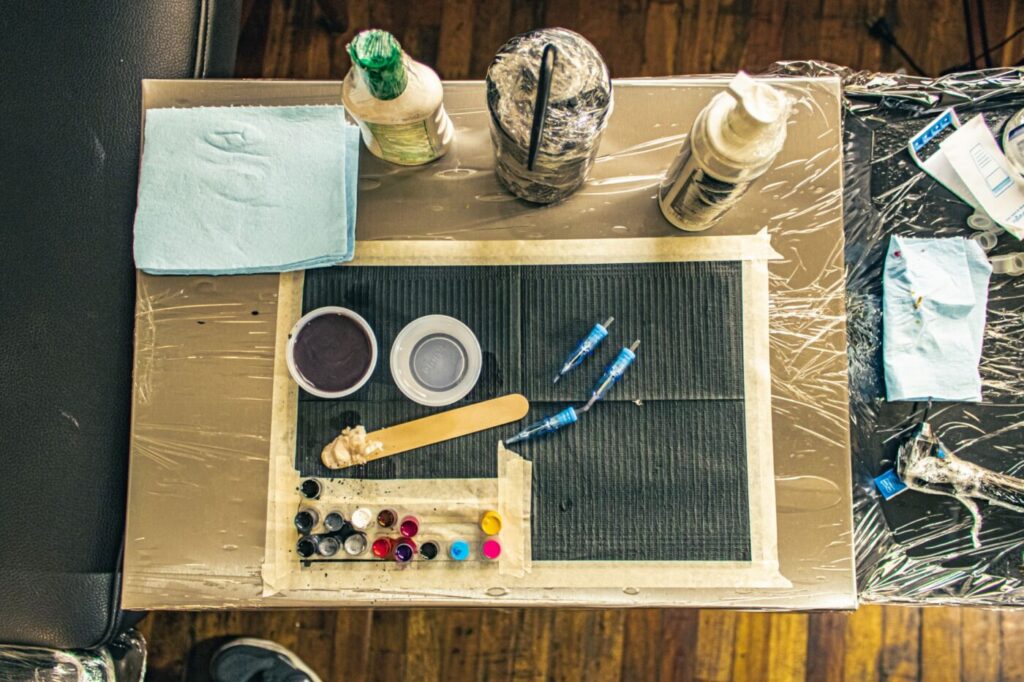
Line Weight: The Backbone
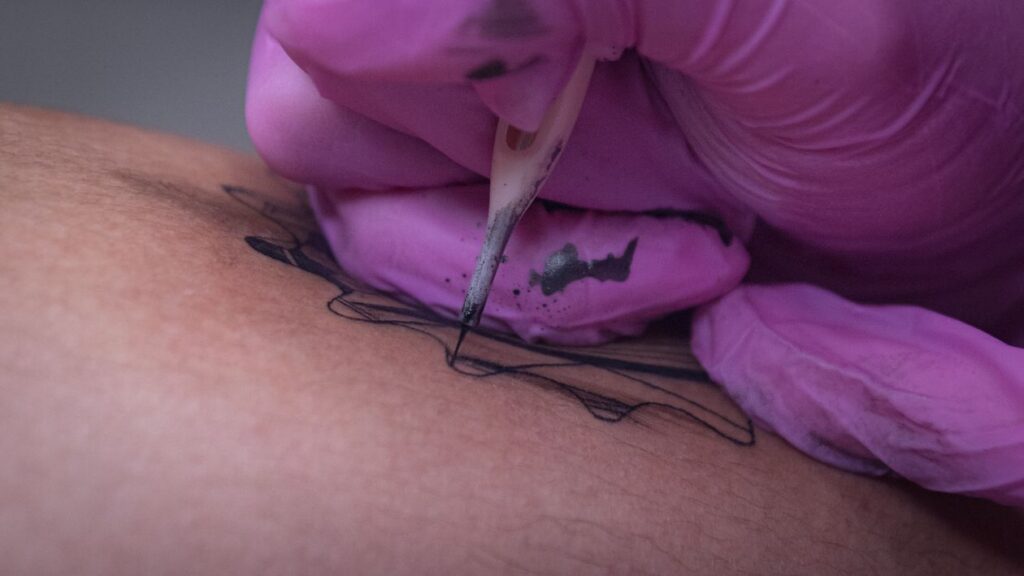
Line weight in neo-traditional is not uniform. You’ll see thick outlines (often 7–9 round liners) for the main shape, then thinner lines (3–5 liners) for details like fur, feathers, or petals. This variation creates depth and emphasis. The bold outer line ensures the tattoo reads clearly from a distance, while fine interior lines add intricacy up close.
Checklist for line weight:
- Outer contour: bold, solid, no blowouts
- Inner details: varied thickness, clean transitions
- No shaky or inconsistent lines
Color Palette: Richer & More Nuanced
Neo-traditional palettes are inspired by Art Nouveau, vintage illustration, and botanical prints. You’ll see muted greens, dusty roses, deep burgundies, navy blues, and warm ochres. Unlike traditional’s flat colour, neo-traditional uses colour gradients and shading to create volume. Skin tone is often used as a highlight, and black shading (or whip shading) adds contrast.
Typical palette examples:
- Foliage: olive, sage, emerald
- Flowers: coral, blush, maroon
- Animals: slate, chestnut, charcoal
Composition: Balanced & Decorative
Composition in neo-traditional is often symmetrical or framed within a shape (diamond, shield, circle). Elements like leaves, scrolls, and ornamental borders are common. The subject is usually a central figure – a bird, skull, portrait, or botanical – surrounded by decorative flourishes. Negative space is used deliberately to let the skin breathe.
Healed Contrast: What to Expect
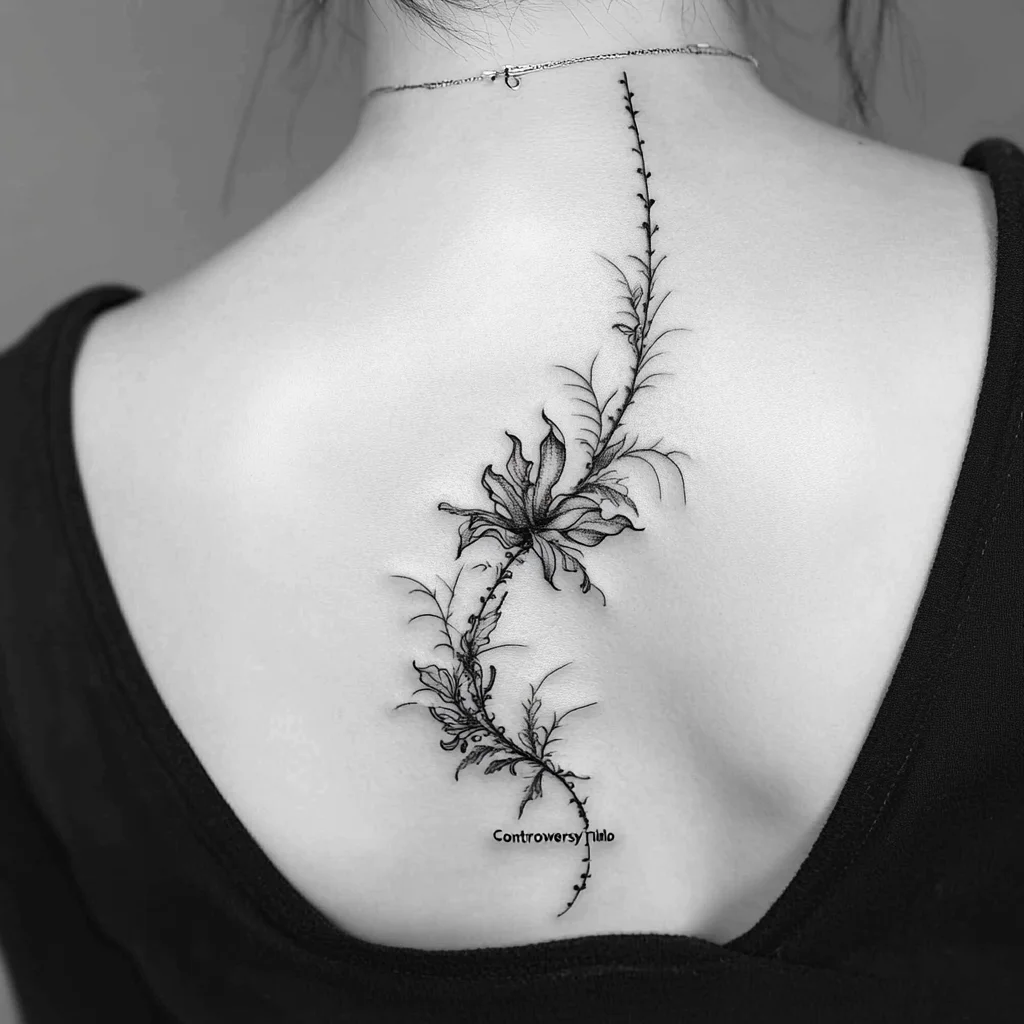
One of the most important aspects of neo-traditional is how it heals. Because of the bold outlines and layered shading, the tattoo maintains its clarity over time. The contrast between saturated colour and dark linework remains high, even after years. However, some colours (especially yellows and light pinks) may fade faster. A skilled artist will adjust saturation to compensate.
Caveat: Healed contrast depends on placement. Areas with high sun exposure (hands, forearms) may lose vibrancy sooner. Always use SPF 50+ sunscreen on healed tattoos.
Neo-Traditional vs. Traditional vs. Illustrative
| Feature | Traditional | Neo-Traditional | Illustrative |
|---|---|---|---|
| Line weight | Uniform, bold | Varied, bold outer | Fine to medium |
| Color palette | Limited (3–5) | Wide, muted | Full spectrum |
| Shading | Solid black | Gradients, whip | Soft, painterly |
| Healed contrast | High | High (with careful saturation) | Moderate |
How to Choose a Neo-Traditional Artist
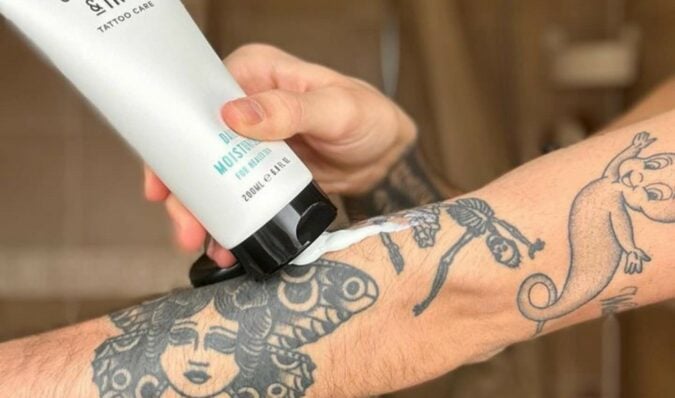
Not every artist who does bold lines is neo-traditional. Look for portfolios with consistent line quality, smooth colour packing, and healed photos. Ask to see a piece that’s at least one year old. Check if they use a limited, cohesive palette or just random colours.
Red flags:
- Blown-out lines
- Patchy colour
- No healed examples
- Overly complex designs that may blur
FAQ
Does neo-traditional hurt more than other styles?
Pain is subjective, but the bold lines require more passes in some areas. However, the technique is not inherently more painful than other styles.
How long does a neo-traditional tattoo take to heal?
Surface healing takes 2–3 weeks, but deeper layers may take 2–3 months to fully settle. Colour brightness often increases after the first month.
Can neo-traditional be done in black and grey?
Yes, but the style relies on colour contrast. Black and grey neo-traditional is possible but loses some of its signature aesthetic.
What are the best body parts for neo-traditional?
Large, flat areas like thighs, chest, back, and upper arms allow the composition to shine. Avoid high-movement areas for detailed pieces.
Explore more styles in our magazine and find verified studios for your next piece. Check the marketplace for aftercare products.
Read more
- Magazine for more tattoo knowledge, style guides and aftercare notes.
- Request a consultation if you need help with style, placement or preparation.
- Marketplace for equipment, supplies and learning resources.
Content hub
Tattoo styles pillar
This article belongs to the styles cluster. Open the pillar page to compare Irezumi, Old School, Realistic, Blackwork, Fine line, Geometric and Watercolor.
Related reading
Continue reading
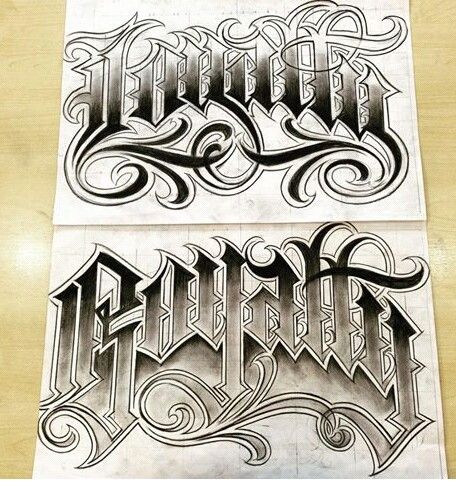
Chicano Tattoo Placement: Lettering, Portraits & Black-and-Grey Flow
A specialist guide to Chicano tattoo placement: how lettering, portrait transitions, and black-and-grey flow behave on different body…

Chicano Tattoo Design Consultation Checklist: Lettering, Portrait Transitions, and Black-and-Grey Flow
A specialist consultation checklist for Chicano tattoos: lettering hierarchy, portrait transition zones, black-and-grey flow, and the booking questions…
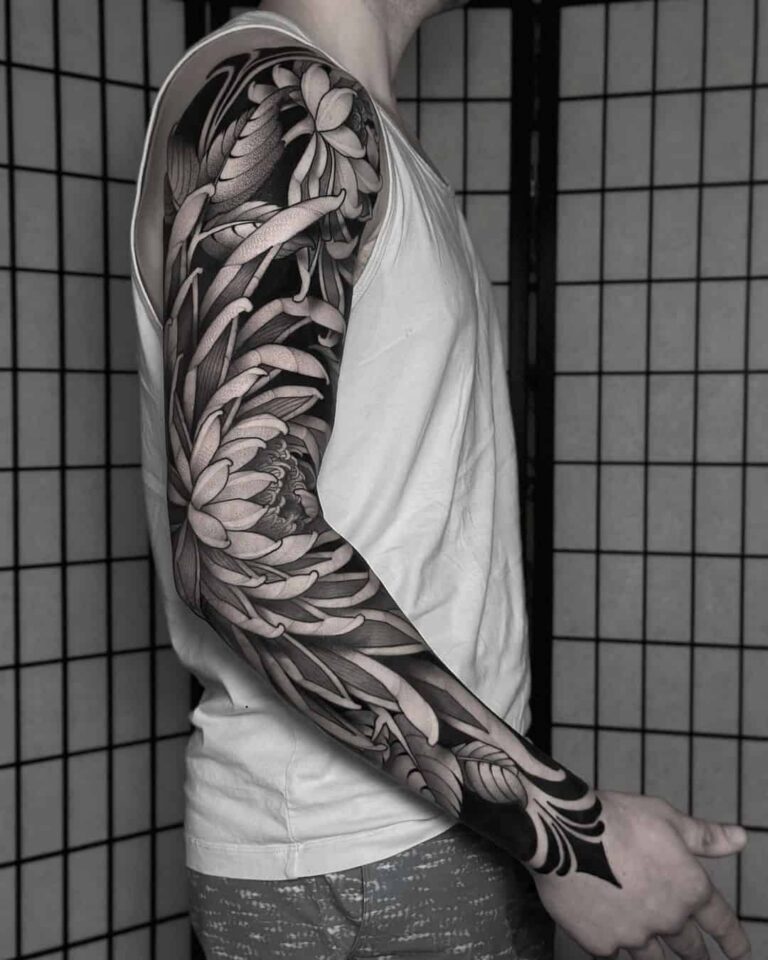
Illustrative Tattoo Healed Portfolio Review Guide: Shape Language, Focal Points, Readable Composition
A specialist guide to reviewing healed illustrative tattoo portfolios: shape language, focal points, readable composition, and the checks…