
Neo-Traditional Tattoo: A Healed Portfolio Review Guide
Why a Healed Review Matters

Neo-traditional tattoos are built on layered color, ornamental framing, and confident line weight. But a portfolio that looks sharp on Instagram may fall apart after healing. This guide is for collectors and artists who want to evaluate neo-traditional work with a specialist eye. We focus on three pillars: line hierarchy, decorative framing, and controlled color. Skip the generic style overview—this is a practical checklist for judging healed results.
Line Hierarchy: The Backbone of Neo-Traditional
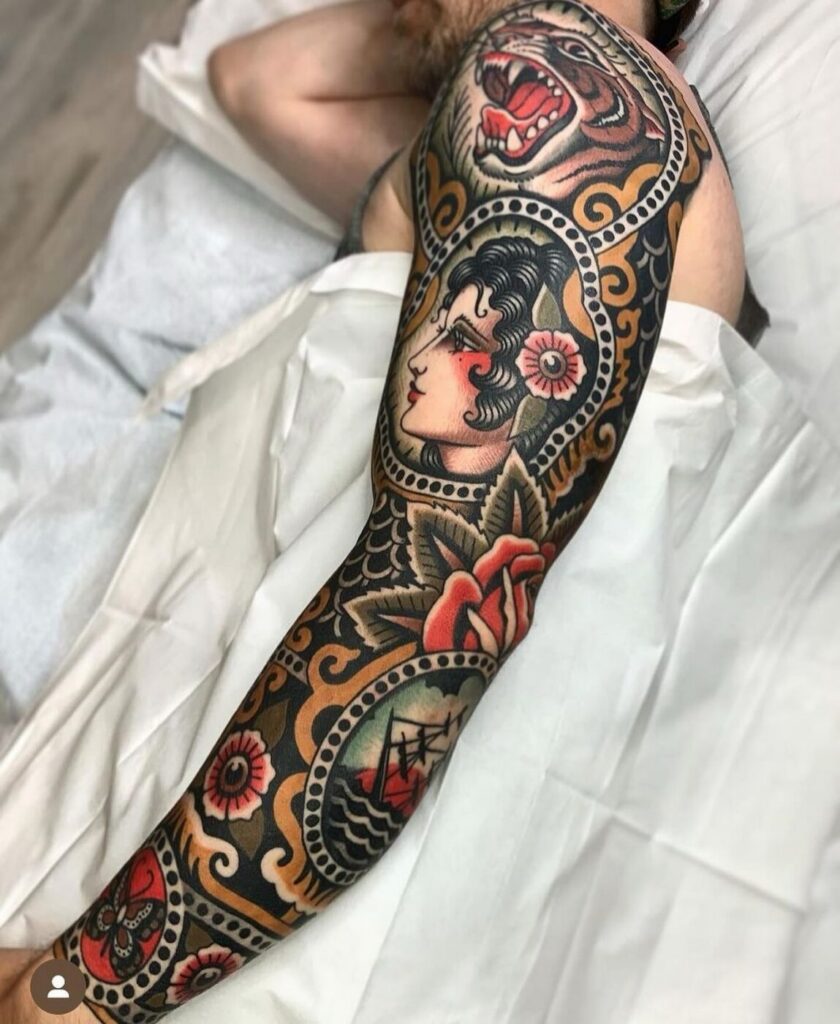
Neo-traditional borrows from Japanese traditional but replaces bold, uniform lines with a dynamic range. In a healed piece, line hierarchy determines readability. Look for these checks:
- Outer contour: The main outline should be the heaviest line. It defines the silhouette and should remain crisp after healing. Blowouts or fading here signal poor needle depth or overwork.
- Secondary lines: These create depth within petals, leaves, or feathers. They should be thinner than the contour but still distinct. If they blur into the color, the artist lost hierarchy.
- Fine line accents: Used for details like veins or stippling. In healed work, fine lines may soften—that’s normal. But if they disappear entirely, the artist’s hand was too light or the ink was too diluted.
When reviewing a portfolio, ask for healed photos at 6–12 months. Compare the line weights in the same lighting. A true neo-traditional piece will still have a clear visual pecking order.
Checklist for Line Hierarchy
- Is the outer contour the thickest line?
- Do secondary lines hold their shape without bleeding?
- Are fine lines still visible, even if softened?
- Any blowouts or scar tissue along the lines?
Decorative Framing: Structure and Flow

Neo-traditional often includes ornamental borders, filigree, or geometric elements that frame the main subject. These aren’t just decorations—they control composition and help the tattoo age gracefully. In healed work, framing can make or break the piece.
What to Look For
- Symmetry: If the frame is symmetrical, check that both sides healed identically. Asymmetry can happen with swelling, but a good artist will account for body contours.
- Flow with the body: The frame should follow the natural muscle or bone structure. A rigid frame on a curved area (like a shoulder) will warp over time.
- Negative space: Neo-traditional frames often use negative space to separate elements. In healed skin, this space should remain clean—no muddiness from ink migration.
Ask the artist how they plan the frame relative to the subject. Do they sketch it on the skin first? Do they adjust for movement? A healed frame that looks like it belongs is a sign of experience.
Framing Red Flags
- Frames that look like stickers—no integration with the body.
- Ornamental lines that have spread into blobs.
- Negative space filled with stray ink.
Controlled Color: Saturation and Blending
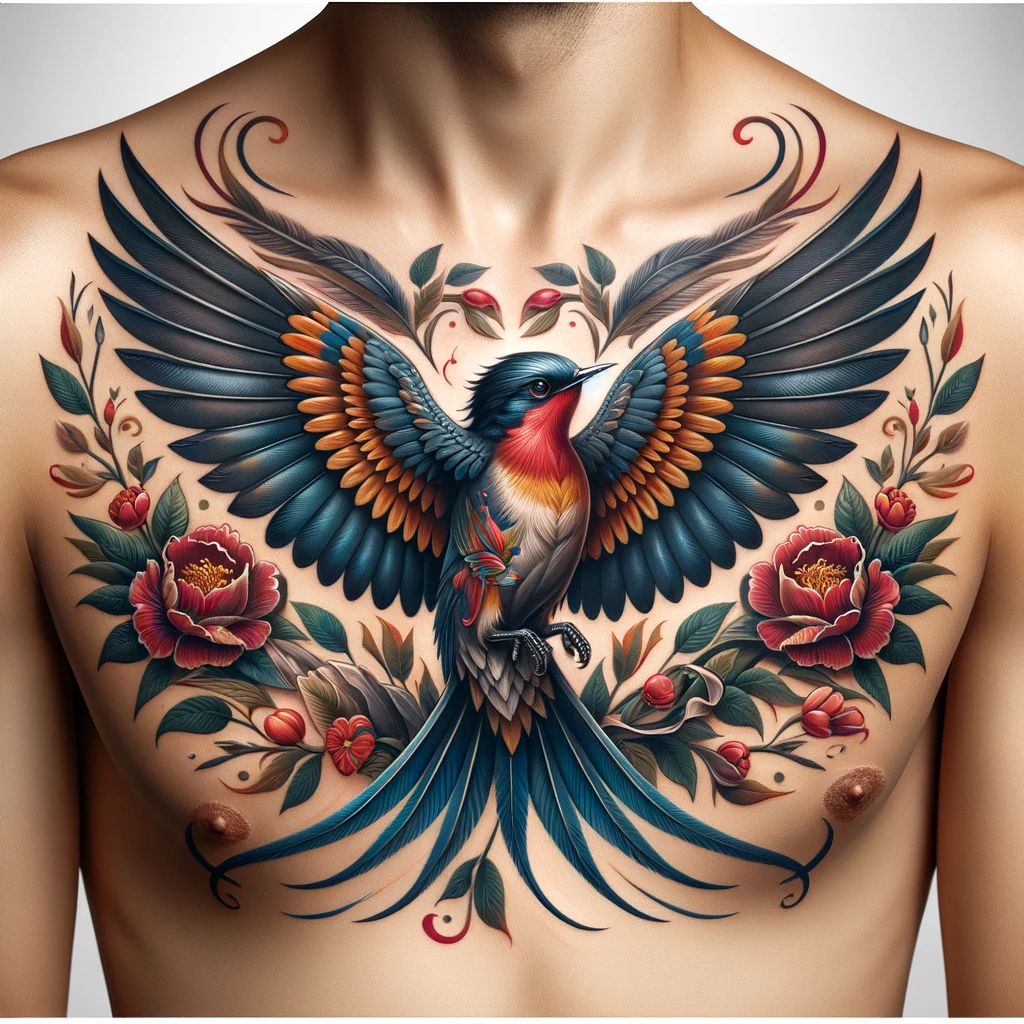
Neo-traditional color is bold but not garish. The key is control—knowing how much pigment to pack and how to blend without overworking the skin. In healed tattoos, color reveals the artist’s skill.
Healed Color Checks
- Saturation: Colors should look solid, not patchy. If you see skin showing through in large areas, the packing was uneven.
- Gradients: Neo-traditional often uses smooth transitions, especially in flowers or animals. Check for harsh lines where colors meet—this indicates poor blending.
- Fading: Some fading is normal, but excessive fading in the first year suggests diluted ink or shallow placement. Rich, healed color is a hallmark of quality.
Ask to see photos of the tattoo right after healing (1–2 months) and then at 1 year. Compare the color intensity. A well-saturated piece will retain most of its vibrancy.
Color Caveats
- Yellow and white are inherently less stable—expect some loss.
- Red can be tricky on sensitive skin—look for even application.
- Black shading should be smooth, not gray and patchy.
How to Review a Portfolio Like a Pro
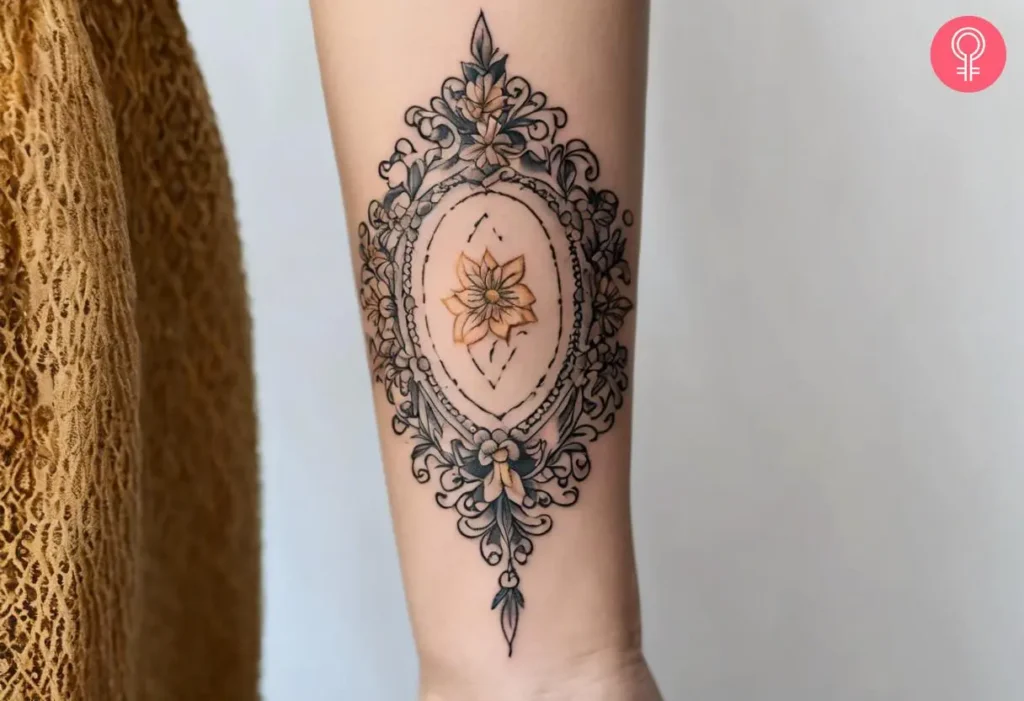
When you’re browsing an artist’s portfolio, don’t just look at fresh work. Use this system:
- Filter for healed photos: Many artists post fresh work only. Ask for healed examples or check their verified studio page for client follow-ups.
- Look at the same piece over time: If possible, see a tattoo at 1 month, 6 months, and 1 year. This shows how it settles.
- Examine the line work up close: Zoom in on the contour. Is it crisp? Any wobbly spots?
- Check the color in natural light: Studio lights can be flattering. Ask for outdoor photos.
- Compare with the artist’s other work: Consistency across pieces is a good sign.
If you’re considering a specific artist, don’t hesitate to ask for a consultation. Many artists are happy to discuss their approach. You can also use our tattoo consultation service to get pre-consultation advice.
Booking and Safety Questions to Ask
Before booking, ask these questions to ensure you get a healed result you’ll love:
- How do you plan line weights for this specific design?
- What’s your approach to framing on curved areas?
- How do you ensure color saturation without overworking the skin?
- Can you show me healed photos of similar pieces?
- What’s your aftercare protocol for neo-traditional tattoos?
Also, check the studio’s hygiene practices. Look for autoclave sterilization, single-use needles, and gloves. You can find verified studios on our studio directory.
FAQ

1. How long does it take for a neo-traditional tattoo to fully heal?
Surface healing takes 2–4 weeks, but deeper layers can take up to 6 months. Full settling, where the skin regains its texture, can take a year. That’s why healed reviews at 6–12 months are ideal.
2. Can I touch up a healed neo-traditional tattoo?
Yes, touch-ups are common, especially for color or fine lines that faded. Wait at least 6 months after healing to let the skin stabilize. Always go back to the original artist if possible.
3. Why did my fine lines disappear after healing?
Fine lines can spread or fade due to sun exposure, skin type, or needle depth. If they vanish completely, the artist may have used too thin a needle or diluted ink. In a good neo-traditional piece, fine lines should soften but remain visible.
4. What should I do if my tattoo looks patchy after healing?
Patchiness often results from uneven color packing. Wait until the 6-month mark, then consult your artist. They may recommend a touch-up. Avoid getting a cover-up from a different artist without proper evaluation.
Final Thoughts

Reviewing healed neo-traditional tattoos is a skill. Focus on line hierarchy, decorative framing, and controlled color. Use this guide to ask the right questions and make informed decisions. If you’re ready to find an artist, check our tattoo artist rankings or use our price estimate tool to plan your project. A well-healed neo-traditional piece is a lifelong investment—choose wisely.
Content hub
Tattoo styles pillar
This article belongs to the styles cluster. Open the pillar page to compare Irezumi, Old School, Realistic, Blackwork, Fine line, Geometric and Watercolor.
Related reading
Continue reading
Lettering Tattoo Healed Portfolio Review: Kerning, Baseline & Placement Distortion
A specialist healed-portfolio review guide for Lettering tattoos, focused on kerning, baseline control and placement distortion. Includes concrete…
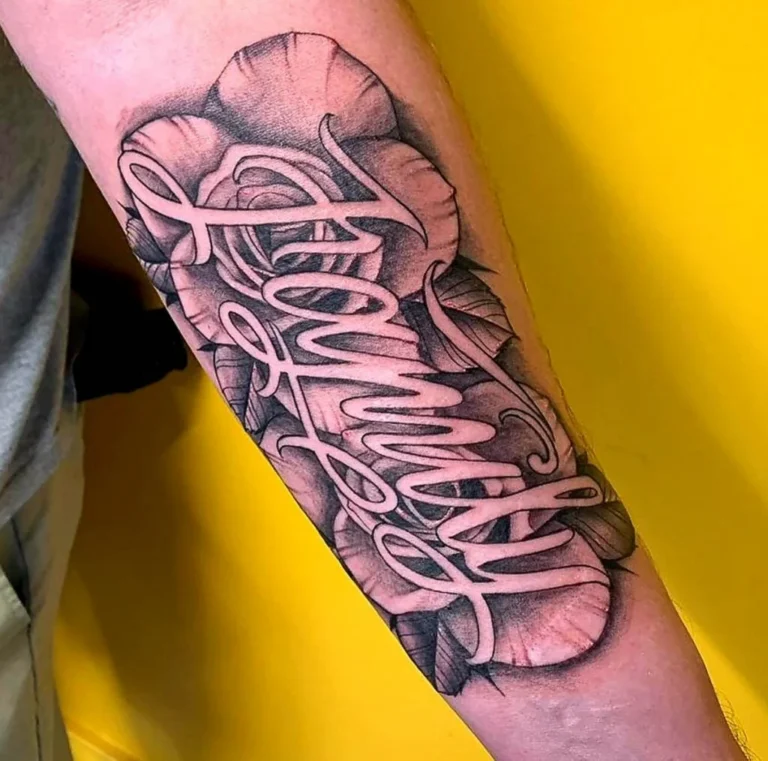
Lettering Tattoo Placement: A Specialist Guide to Kerning, Baseline Control, and Body-Flow Distortion
A specialist guide to lettering tattoos focusing on kerning, baseline control, and placement distortion. Learn how to plan…

Lettering Tattoo Design Consultation Checklist: Kerning, Baselines, and Placement Distortion
A specialist consultation checklist for lettering tattoos covering kerning, baseline control, and placement distortion. Includes practical tests, booking…