Laser Tattoo Removal Before Cover-Up: Sessions, Fading & Safety Basics
Why Laser Fading Matters Before a Cover-Up
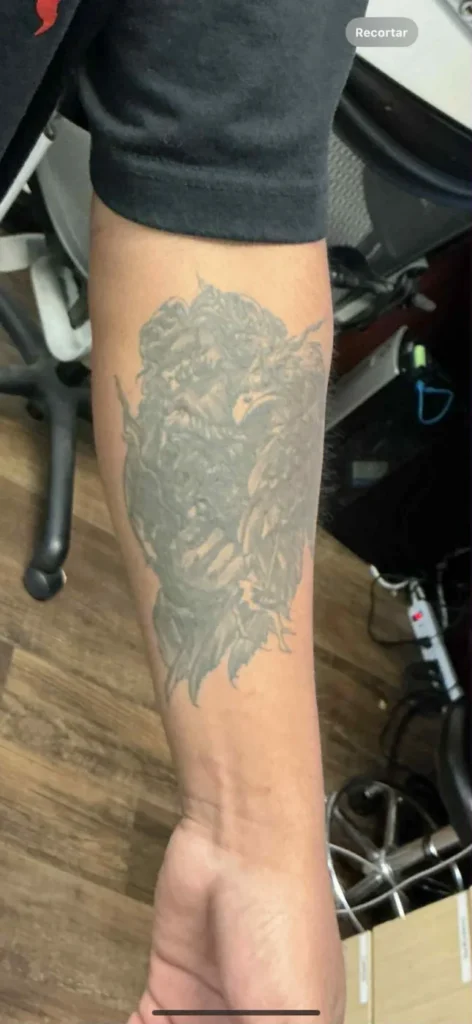
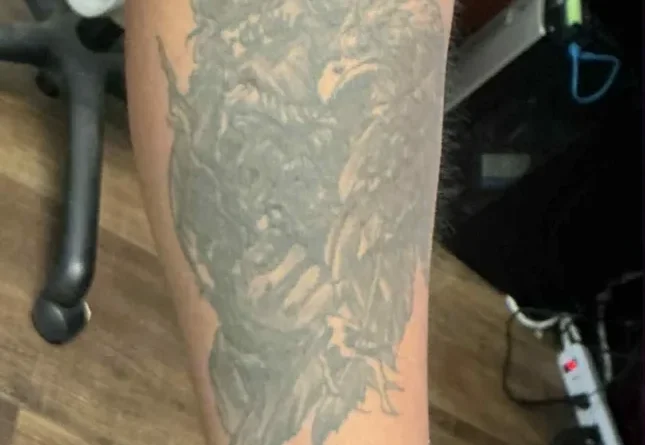
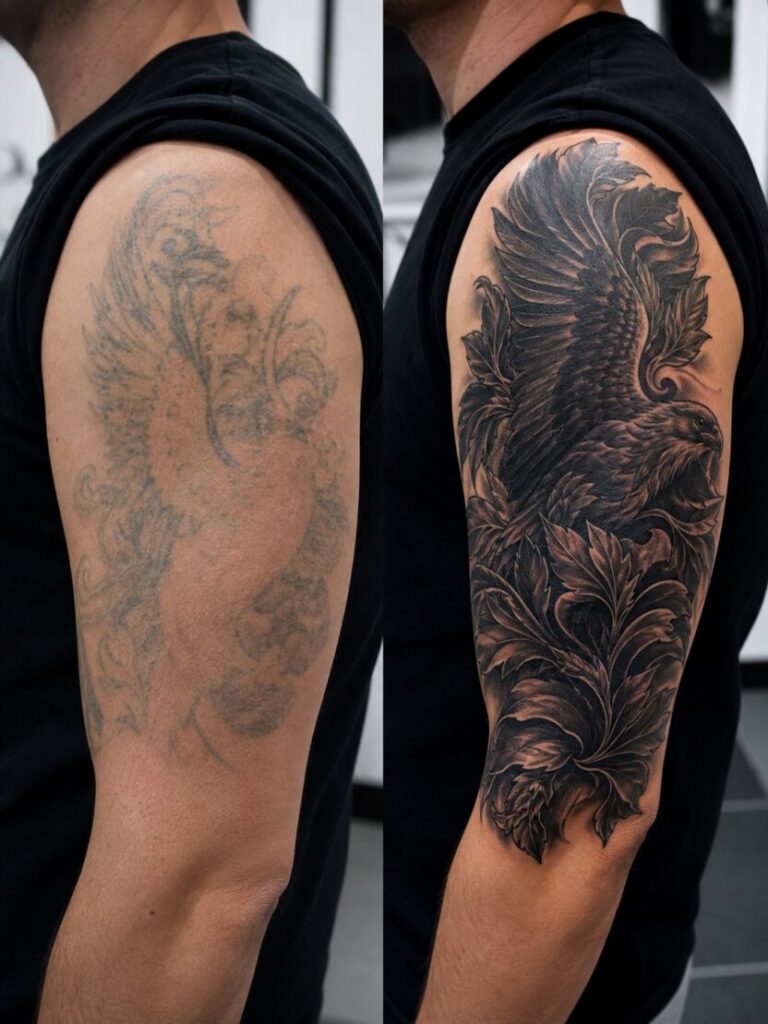
Covering an old tattoo with a new design is a popular solution, but not every old tattoo fades easily under fresh ink. Dark, dense, or poorly placed tattoos often show through even the most skilled cover-up work. That’s where laser tattoo removal comes in—not necessarily to erase the tattoo completely, but to lighten it enough so the new design can sit cleanly on top.
Laser fading (also called laser lightening or pre-cover-up laser) is a controlled process that breaks up ink particles so the body can flush them out. The result is a faded, patchy version of your old tattoo that provides a neutral canvas for your artist. This article explains the basics: how many sessions you might need, what fading looks like, and the safety rules you should follow.
How Laser Removal Works for Cover-Up Preparation
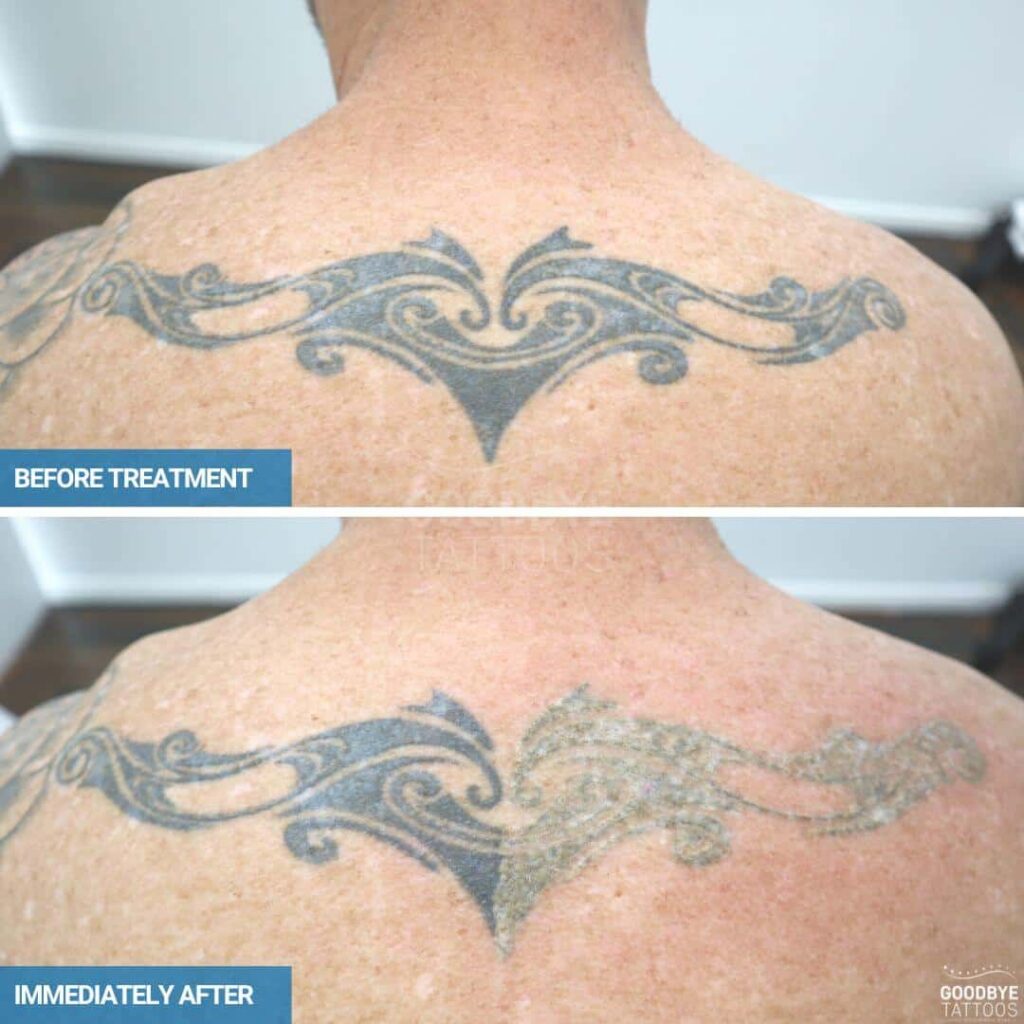
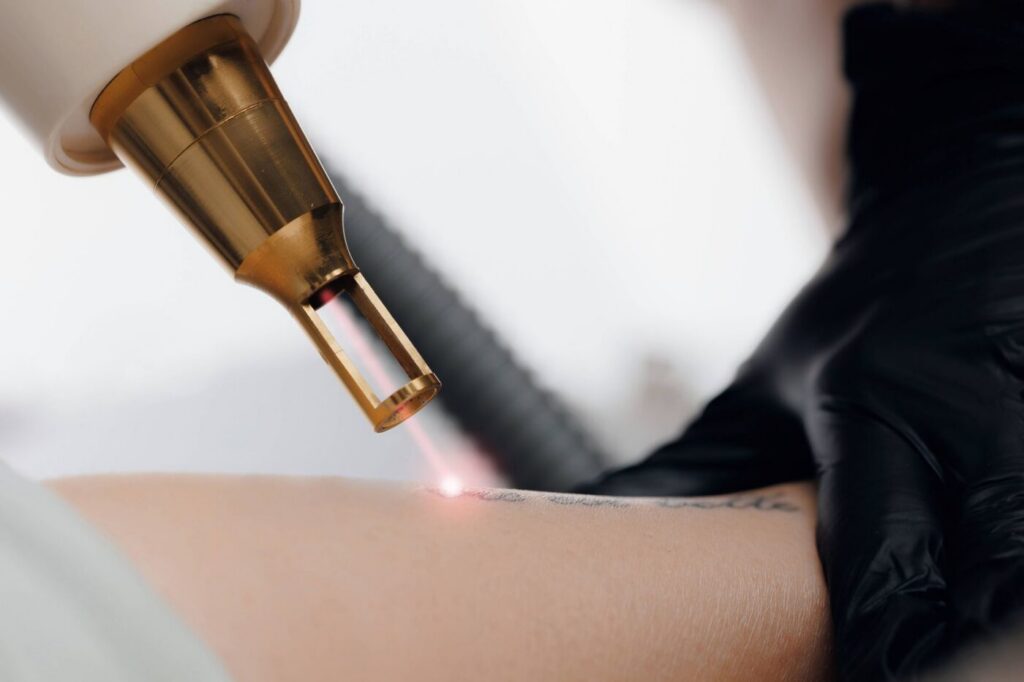
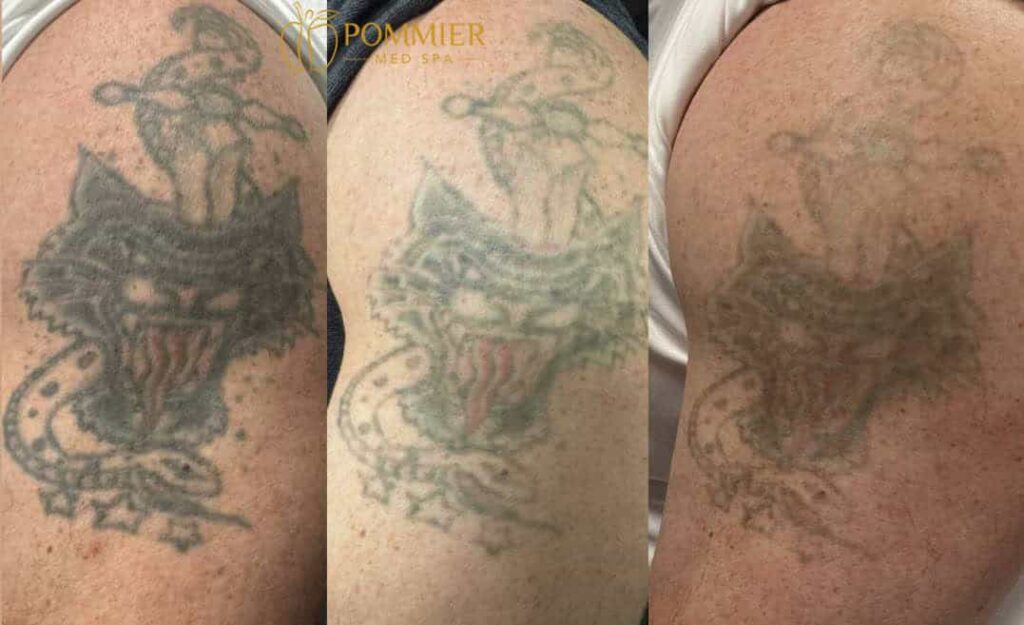
Laser removal uses high-intensity light beams that target specific ink colors. The light energy shatters the ink into tiny fragments, which your lymphatic system then clears away over weeks. For cover-up purposes, you don’t need 100% removal—usually 50–70% fading is enough to allow a new design to cover the old one without ghosting.
Types of Lasers Used
The two most common lasers are Q-switched (nanosecond) and picosecond. Q-switched lasers have been the gold standard for years; picosecond lasers deliver energy in trillionths of a second, which can be more effective for stubborn inks and may require fewer sessions. Both are safe when operated by a trained professional.
Estimated Number of Sessions
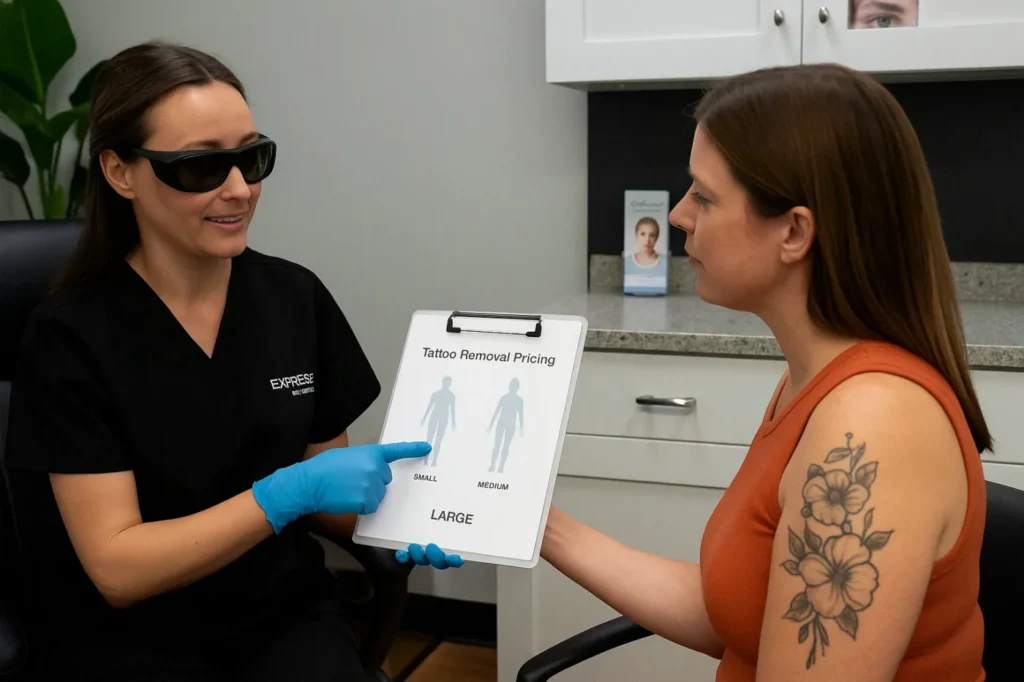
There is no one-size-fits-all answer. The number of sessions depends on:
- Ink color and density: Black and dark blue respond best. Green, purple, and bright colors need more sessions.
- Tattoo age: Older tattoos (5+ years) often fade faster because ink has already broken down slightly.
- Skin type and location: Tattoos on areas with good blood flow (like arms) clear faster than those on lower legs.
- Immune system health: A healthy immune system helps clear ink particles.
Typical estimates for cover-up preparation:
- Black linework: 3–5 sessions
- Dense black shading: 4–6 sessions
- Color tattoos: 6–10 sessions
- Multicolored or heavy saturation: 8–12 sessions
Sessions are spaced 6–8 weeks apart to allow your body to process the ink and your skin to heal.
What Fading Looks Like: A Timeline
After each session, the tattoo will appear lighter, but the process is gradual. Here’s a rough timeline:
- Immediately after treatment: The area may be white (frosting) from trapped gas bubbles. This fades within 30 minutes.
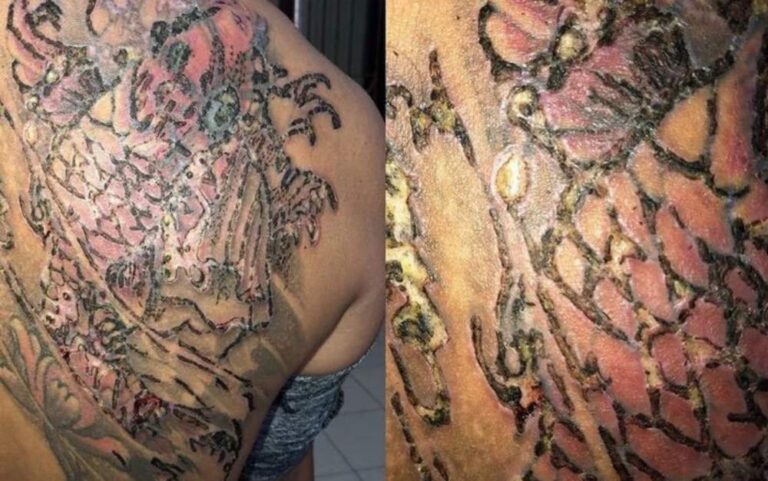
- Week 1–2: Redness, swelling, and possible blistering. The ink may look darker temporarily due to inflammation.
- Week 3–4: Fading becomes visible as the body clears ink. The tattoo may look patchy or speckled.
- Week 6–8: Maximum fading for that session. This is when you assess progress and decide on the next session.
It’s normal for some ink to remain, especially colors. Your artist will work with the faded remnants.
Safety Basics: What You Must Know
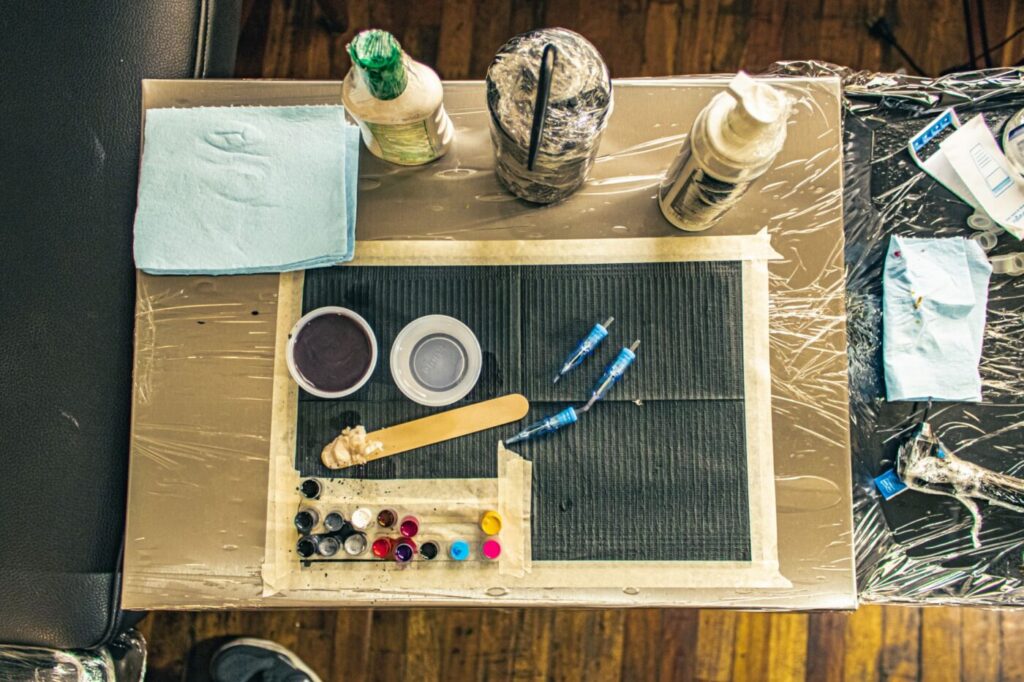
Laser removal is a medical procedure, even if performed in a tattoo studio. Always check:
- Licensing: The operator should be a licensed medical professional (doctor, nurse, or trained technician under medical supervision) in your jurisdiction.
- Patch test: Always get a patch test 48 hours before full treatment to check for allergic reactions or adverse skin responses.
- Skin preparation: No tanning, no self-tanner, and no active acne or wounds on the area. Avoid blood thinners like aspirin or ibuprofen for 48 hours before (consult your doctor first).
- Aftercare: Keep the area clean, apply prescribed ointment (like bacitracin or petroleum jelly), and avoid sun exposure. Do not pick scabs or blisters.
- Warning signs: Contact your provider if you see signs of infection (increasing redness, pus, fever), severe blistering, or unusual scarring.
When Laser Is Not Recommended
Certain situations call for caution. Laser removal may be less effective or riskier if:
- You have a history of keloid scarring or hypertrophic scars.
- You are pregnant or nursing (no safety data).
- You have an active skin infection or open wound near the tattoo.
- You are taking photosensitizing medications (e.g., some antibiotics, acne medications).
- The tattoo contains white or flesh-toned ink (these can darken paradoxically).
Always consult a dermatologist or a laser specialist before starting.
Cover-Up After Laser: What to Expect
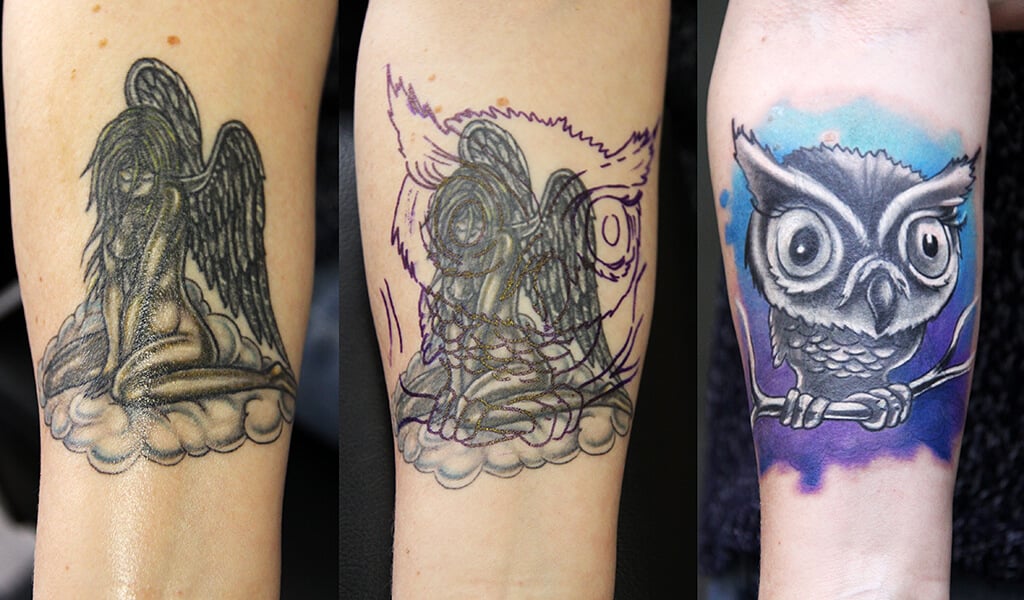
Once your tattoo is faded enough, wait at least 4–6 weeks after the last laser session before getting the cover-up. Your skin needs to be fully healed, with no redness, peeling, or sensitivity. Your artist will design the new tattoo to incorporate the faded remnants—often using darker colors, bolder lines, or strategic shading to mask the old ink.
For best results, choose a cover-up artist experienced with laser-faded tattoos. They know how to work with the uneven canvas and can advise on style choices that hide the old design effectively.
Comparison: Laser Fading vs. No Laser
| Aspect | Laser Fading Before Cover-Up | Direct Cover-Up Without Laser |
|---|---|---|
| Old tattoo visibility | Minimal to none after new ink | May show through, especially if dark |
| Design options | Wider range of colors and styles | Limited to very dark, dense designs |
| Healing time | Longer (laser + healing + cover-up) | Shorter (just cover-up healing) |
| Cost | Higher (laser sessions + cover-up) | Lower (only cover-up) |
| Risk of scarring | Moderate (if laser done incorrectly) | Low (if artist skilled) |
Frequently Asked Questions
1. Can all tattoo colors be faded with laser?
Black and dark blue respond best. Green, purple, and bright colors may require more sessions. White and flesh-toned inks can darken unexpectedly; test first.
2. How long should I wait between laser sessions?
Typically 6–8 weeks. This gives your body time to clear ink and skin to heal. Waiting longer (up to 12 weeks) can be beneficial for stubborn ink.
3. Is laser removal painful?
Most people compare it to a rubber band snapping against the skin. Numbing creams or cooling devices are often used to reduce discomfort.
4. Can I get a cover-up immediately after laser?
No. Wait at least 4–6 weeks after the last session for full healing. Your artist will assess the skin before proceeding.
Final Expert Advice
Laser fading is a powerful tool for cover-up success, but it requires patience and proper planning. Always work with a qualified laser technician and a cover-up artist who understands the process. The combination of laser lightening and skilled tattooing can transform an unwanted tattoo into a beautiful piece of art.
For more guidance on choosing a cover-up artist, check our studio search and verified profiles. Read more in our magazine or get personalized advice via consultation. If you’re looking for supplies, explore our tattoo marketplace.
Read more
- Magazine for more tattoo knowledge, style guides and aftercare notes.
- Request a consultation if you need help with style, placement or preparation.
- Marketplace for equipment, supplies and learning resources.
Content hub
Tattoo aftercare pillar
This article belongs to the aftercare cluster. Open the pillar page for the healing timeline, cleaning routine, moisturizing basics and warning signs.
Related reading
Continue reading

Tattoo Swelling by Body Placement: What’s Normal and When to Seek Help
Swelling after a tattoo is normal, but it varies by body placement. Learn what to expect, normal vs.…
Tattoo Touch-Up Guide: When Color Settles, When to Wait, and When to Ask
Learn when to wait, when to ask, and what to expect from a tattoo touch-up. A practical guide…

The Complete Tattoo Consultation Checklist: What You Must Know Before Booking a Custom Design
A complete guide to your first tattoo consultation: from idea brief and references to skin check, placement, pain,…