
Irezumi Placement and Body-Flow: A Specialist Guide to Motif Seasons, Background Flow, and Panel Planning
Irezumi, the Japanese traditional tattoo style, is not just about motifs—it is a disciplined system of body composition. Unlike Western tattoos that often treat the body as a canvas for individual pieces, irezumi treats the body as a living, moving sculpture. Every motif, background wave, and wind bar must flow with the body’s anatomy. This guide is for those who have already chosen irezumi and now face the critical decisions: where to place the tattoo, how to arrange motifs across seasons, and how to build a cohesive background that moves with you. We will skip the generic history and dive straight into practical, specialist-level planning.
Why Body-Flow Matters in Irezumi
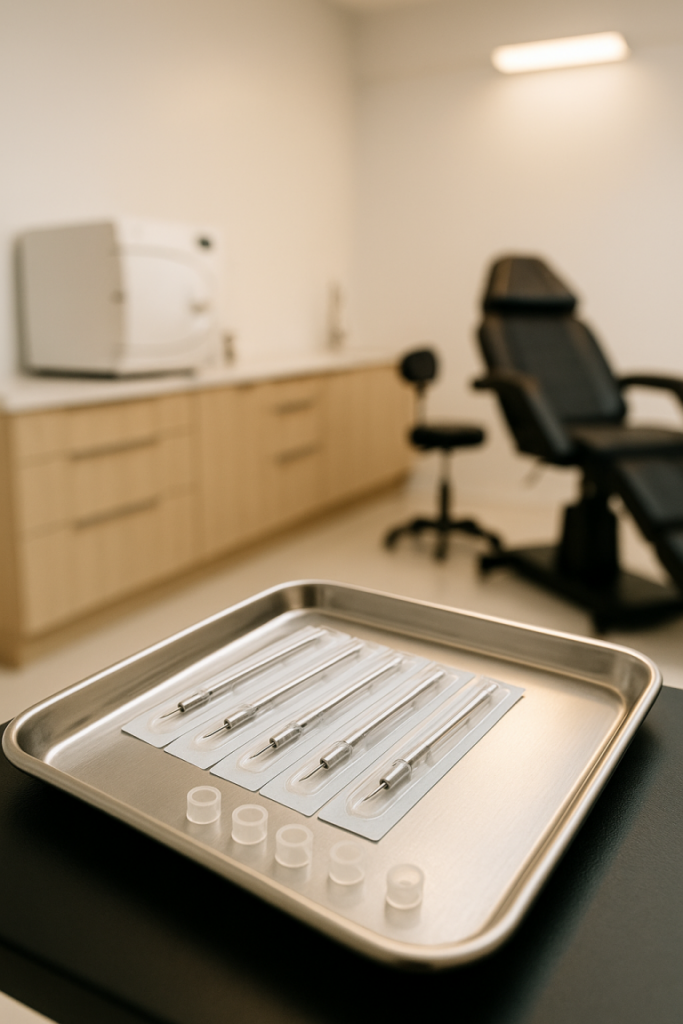
Irezumi is designed to be seen in motion—when you flex, twist, or walk. A static design that looks perfect in a photo may fail on the body if it doesn’t follow the muscle lines and joint creases. The golden rule: the tattoo should move with the body, not against it. For example, a koi swimming upward should follow the curve of the thigh or the side of the torso, not cut across it. The background—waves, wind bars, or clouds—must fill the negative space and guide the eye around the body’s contours.
Motif Seasons: Building a Narrative Across the Body
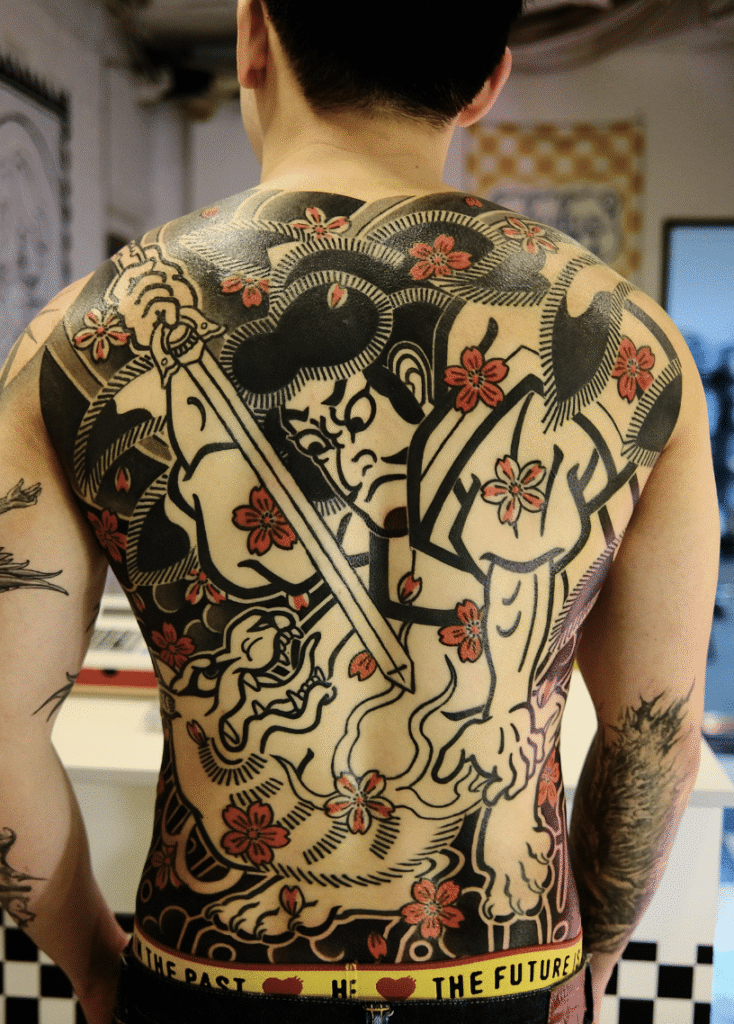
In traditional irezumi, motifs are often associated with seasons, and a full suit can tell a seasonal story. This is not a hard rule, but a compositional tool. Here are the classic associations:
- Spring: Cherry blossoms (sakura), peonies, and butterflies. These motifs are often placed on the upper chest, shoulders, or arms.
- Summer: Koi, dragons, and water themes. Koi often suit the lower body—thighs, calves—as they ‘swim’ upward. Dragons can wrap around the torso or arm.
- Autumn: Maple leaves, chrysanthemums, and tigers. These work well on the back or ribs.
- Winter: Snow scenes, cranes, and pine trees. These are often placed on the back or shoulders, evoking stillness.
When planning a full suit, you might start with a spring motif on the chest, flow into summer on the torso, and end with winter on the back. This creates a narrative that unfolds as the body moves. But remember: the season is secondary to the flow. A koi on the chest is fine if it follows the pectoral curve.
Background Flow: The Glue of the Suit
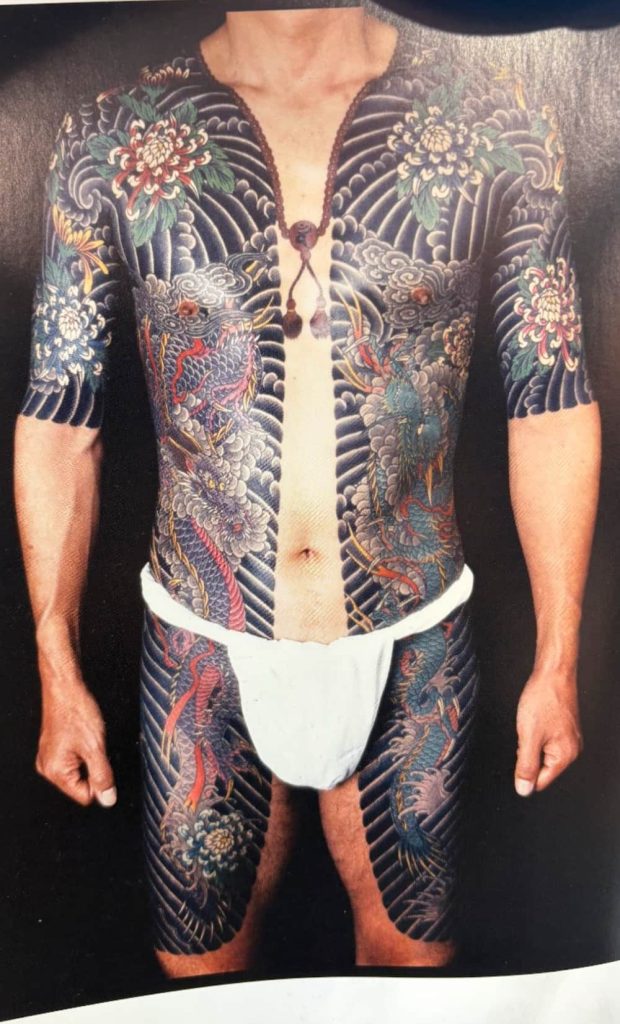
The background is what makes irezumi a cohesive suit rather than a collection of stickers. Traditional backgrounds include:
- Waves (Seigaiha or ocean waves): Ideal for lower body—thighs, hips—to suggest movement and water.
- Wind bars (Kaze): Curved, sweeping lines that flow around the torso and arms. They are excellent for filling gaps and connecting motifs.
- Clouds (Kumo): Often used on the back or shoulders to create a sense of depth and transition.
- Water (Mizu): Cascading water can flow down the spine or along the arm, linking upper and lower body.
The background should not be an afterthought. It must be designed with the same care as the motifs. A common mistake is to add background after the motifs are placed, resulting in awkward gaps or forced connections. Instead, plan the background flow from the start. For example, if you have a dragon on the arm and a koi on the thigh, wind bars can sweep from the shoulder down to the hip, visually connecting them.
Panel Planning: Mapping the Body
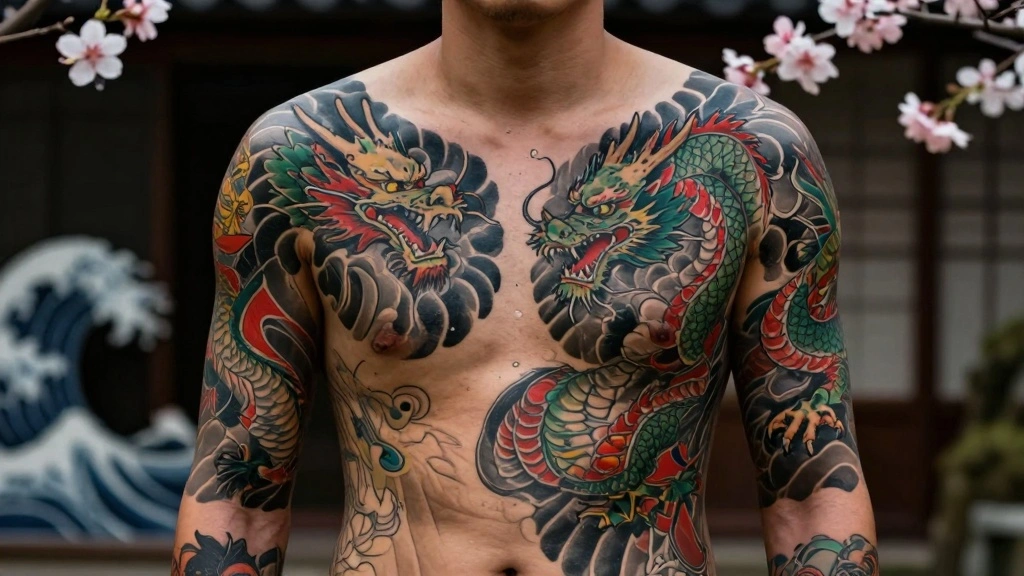
Before any needle touches skin, you and your artist must map out the body in panels. This is a step-by-step process:
Step 1: Define the Canvas
Decide on the extent of the suit: half sleeve, full sleeve, chest panel, back piece, or full body suit. Each has its own flow logic. A half sleeve ends mid-bicep, and the background must taper gracefully. A full sleeve extends to the wrist, and the motif should spiral around the arm.
Step 2: Identify Anchor Points
Anchor points are the major motifs—the hero pieces. They are placed on areas with high visual impact: the chest, the center of the back, the outer thigh. These anchors set the tone and scale. For example, a large phoenix on the back will dictate the flow of the background across the shoulder blades.
Step 3: Fill the Negative Space
Once anchors are placed, the background fills the rest. But the background must also follow the body’s topography. For instance, on the ribs, wind bars should curve with the intercostal spaces. On the inner arm, waves can taper toward the elbow crease.
Step 4: Consider the ‘Horimono’ Approach
Traditional Japanese bodysuits (horimono) often leave a central chest panel (the ‘mune’) and a vertical strip down the spine (the ‘tate’) un-tattooed, creating a visual break. This is not mandatory, but it is a classic design choice that affects flow. If you opt for this, the background must respect these negative spaces.
Practical Checks Before You Book
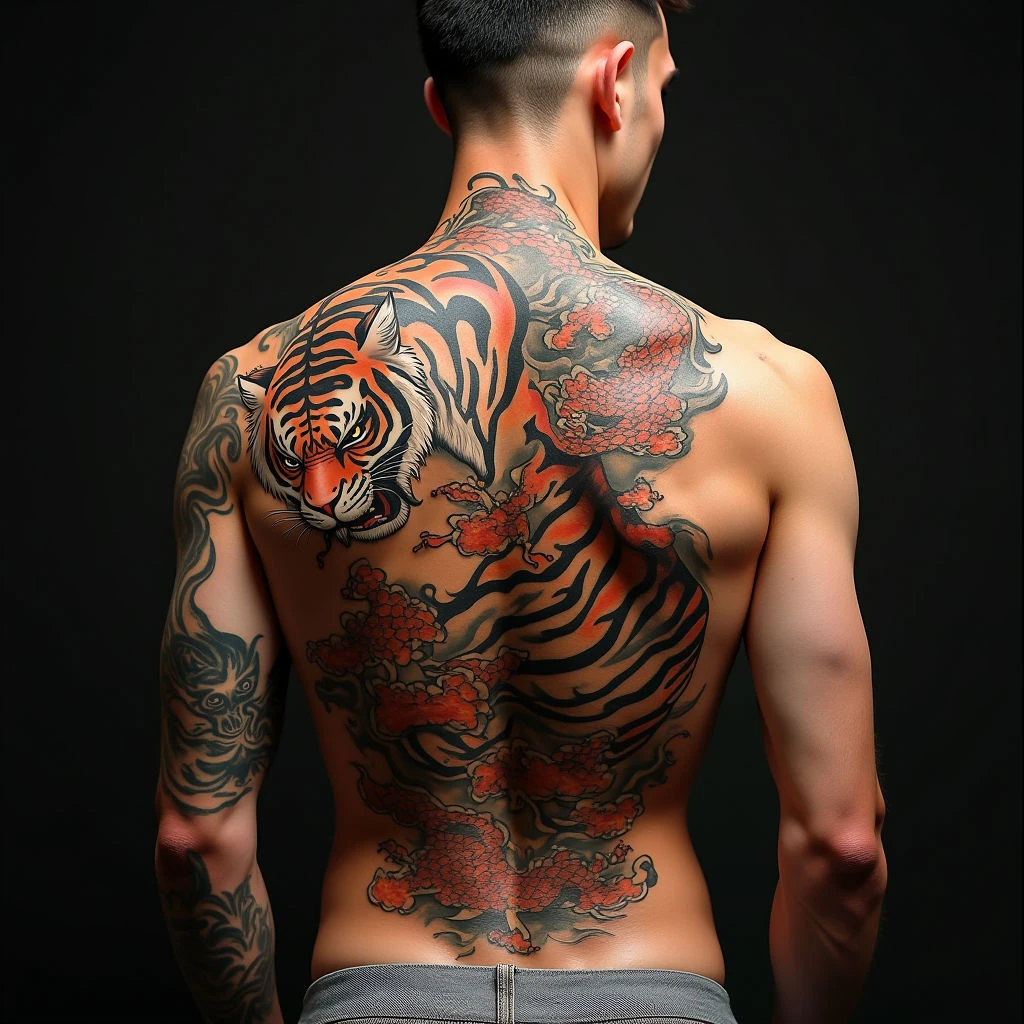
When you consult with your artist, bring these questions:
- How will the background flow around my joints (elbows, knees, armpits)?
- What are the seasonal motifs that suit my body shape and skin tone?
- How will the tattoo age with muscle gain or weight loss? (Irezumi is dense, and dramatic body changes can distort it.)
- Do you have a portfolio of full suits? Ask to see how they handled transitions.
Also, be realistic about pain and healing. Areas like the ribs, spine, and inner arm are more painful. Plan your sessions accordingly—longer sessions for large panels, shorter for sensitive spots.
Checklist for a Cohesive Irezumi Suit
- Motifs follow a seasonal or narrative order.
- Background flows continuously, with no dead ends.
- Anchors are placed on high-impact areas.
- Negative space is intentional, not accidental.
- The design is flexible enough to accommodate body movement.
- You and your artist agree on the flow before starting.
Common Pitfalls to Avoid
- Placing a motif that faces inward (toward the body) when it should face outward (e.g., a tiger facing the front of the leg rather than the outside).
- Ignoring the natural flow of the body—e.g., a straight line across the shoulder blade that breaks when you move your arm.
- Overcrowding the background, making the suit look cluttered. Sometimes less is more.
- Choosing a motif that is too small for the area, leaving awkward gaps.
Booking and Safety Considerations
Irezumi is a long-term commitment. A full suit can take years and multiple sessions. Before booking, ensure your artist specializes in this style—check their portfolio for traditional Japanese work. Ask about their sterilization practices and aftercare protocols. Do not rush the design phase; a well-planned suit is worth the wait.
FAQ
1. Can I mix irezumi with other styles like fine line or realism?
Technically yes, but it often dilutes the traditional impact. If you want a modern twist, consider adding a subtle neo-traditional element, but the flow and background must remain true to irezumi principles. Mixing styles can confuse the body-flow.
2. How do I decide between a half sleeve and a full sleeve?
Consider your lifestyle and pain tolerance. A half sleeve is easier to conceal and heals faster, but a full sleeve allows for a more complete narrative. If you plan to extend to the chest or back later, start with a full sleeve to maintain flow.
3. What if I have an existing tattoo that disrupts the flow?
Your artist can incorporate it into the background or use a cover-up, but this requires careful planning. Sometimes it’s better to laser-remove small pieces to achieve a clean canvas. Be honest with your artist about your tattoo history.
4. How long does a full suit take?
It varies, but a full suit can take 50-100+ hours over multiple sessions, often spanning a year or more. Healing time between sessions is crucial. Plan your budget and schedule accordingly.
For more on choosing the right artist and studio, see our verified studios list. If you’re still exploring styles, our magazine has in-depth guides. For cost estimates, use our price calculator.
Read more
- Magazine for more tattoo knowledge, style guides and aftercare notes.
- Request a consultation if you need help with style, placement or preparation.
- Marketplace for equipment, supplies and learning resources.
Content hub
Tattoo styles pillar
This article belongs to the styles cluster. Open the pillar page to compare Irezumi, Old School, Realistic, Blackwork, Fine line, Geometric and Watercolor.
Related reading
Continue reading
Lettering Tattoo Healed Portfolio Review: Kerning, Baseline & Placement Distortion
A specialist healed-portfolio review guide for Lettering tattoos, focused on kerning, baseline control and placement distortion. Includes concrete…
Lettering Tattoo Placement: A Specialist Guide to Kerning, Baseline Control, and Body-Flow Distortion
A specialist guide to lettering tattoos focusing on kerning, baseline control, and placement distortion. Learn how to plan…
Lettering Tattoo Design Consultation Checklist: Kerning, Baselines, and Placement Distortion
A specialist consultation checklist for lettering tattoos covering kerning, baseline control, and placement distortion. Includes practical tests, booking…