Irezumi Healed Portfolio Review: A Specialist Guide to Motif Seasons, Background Flow & Body-Panel Planning
Why a Healed Portfolio Review Matters
When you’re considering a full Japanese traditional (Irezumi) sleeve or back piece, the real proof of a tattoo artist’s skill is not in the fresh photos—it’s in how the work settles into the skin over months and years. A healed portfolio review is the single most useful step you can take before committing to a large-scale project. This guide is written for collectors who already know the difference between a dragon and a koi, and who want to evaluate a tattooer’s healed work with a sharp, critical eye. We’ll focus on three pillars: motif seasons, background flow, and body-panel planning. These are the elements that separate a generic Japanese-style tattoo from a genuinely cohesive Irezumi.
Motif Seasons: The Hidden Grammar of Irezumi
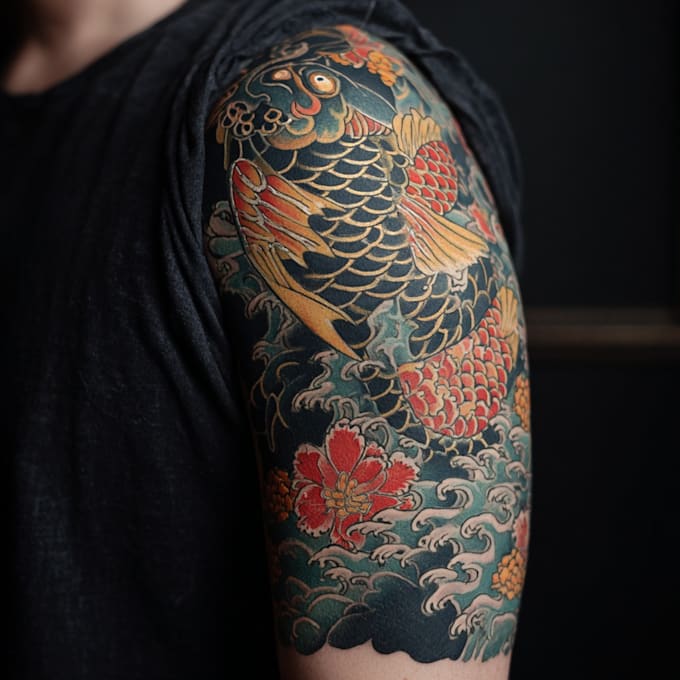
In traditional Japanese tattooing, motifs are not randomly chosen—they carry seasonal and symbolic associations that give the tattoo narrative depth. A senior tattoo editor will look for how the artist respects or subverts these conventions. For instance, the cherry blossom (sakura) is synonymous with spring and the transient nature of life, while the maple leaf signals autumn. A koi fish swimming upstream is a symbol of perseverance, but when paired with a waterfall, it references the legend of the dragon gate. The chrysanthemum represents autumn and is often associated with the emperor, while the peony is the “king of flowers” and a symbol of wealth and honor.
Checklist for Evaluating Motif Seasons
- Seasonal coherence: Does the artist mix motifs from different seasons without a clear narrative reason? For example, a cherry blossom and a maple leaf on the same panel can feel disjointed unless the artist is deliberately playing with the passage of time.
- Symbolic layering: Are the motifs used in a way that adds meaning? A dragon (water, sky) and a tiger (wind, earth) together represent the balance of natural forces—a classic pairing. If the artist simply stacks motifs without this kind of interplay, the tattoo may lack depth.
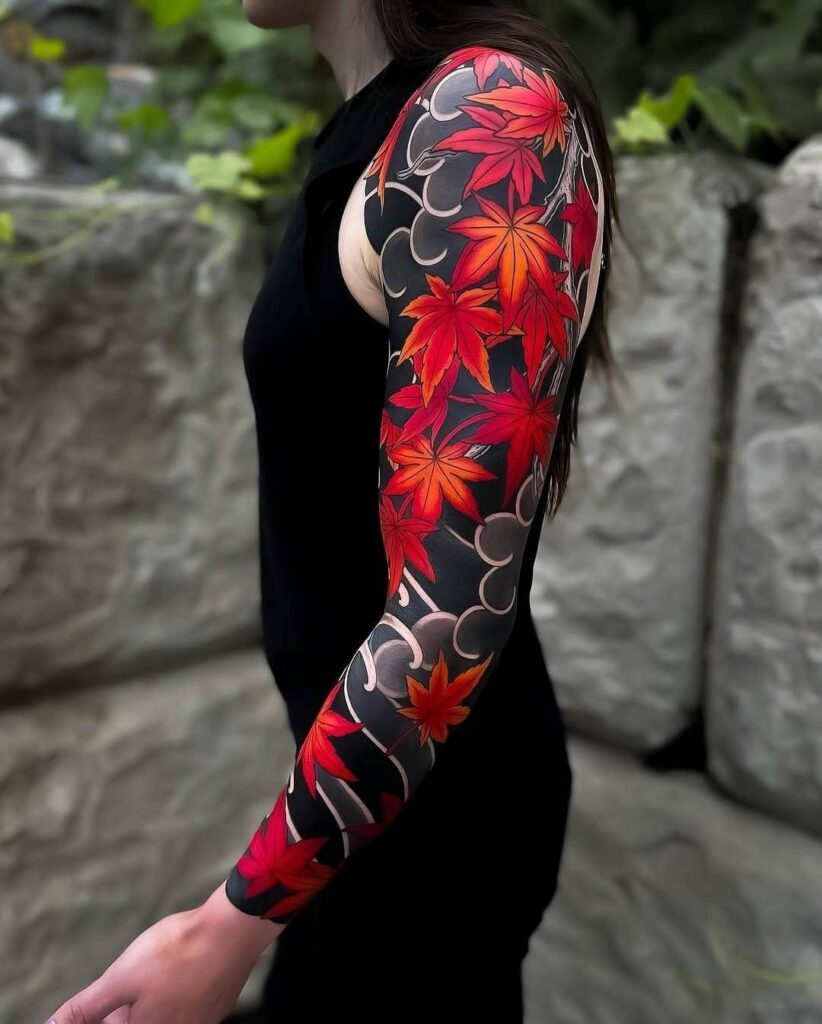
- Healed color and contrast: In healed photos, check how the seasonal colors—pinks, reds, oranges—have settled. Do they still pop, or have they faded into muddy tones? A skilled artist will use saturation and black shading to ensure that even if colors soften, the motif remains readable.
When reviewing a portfolio, ask yourself: Does each motif have a reason to be there? If the artist can explain their choices in terms of season and symbolism, that’s a good sign. If they say “it just looked cool,” proceed with caution.
Background Flow: The Invisible Spine of the Tattoo
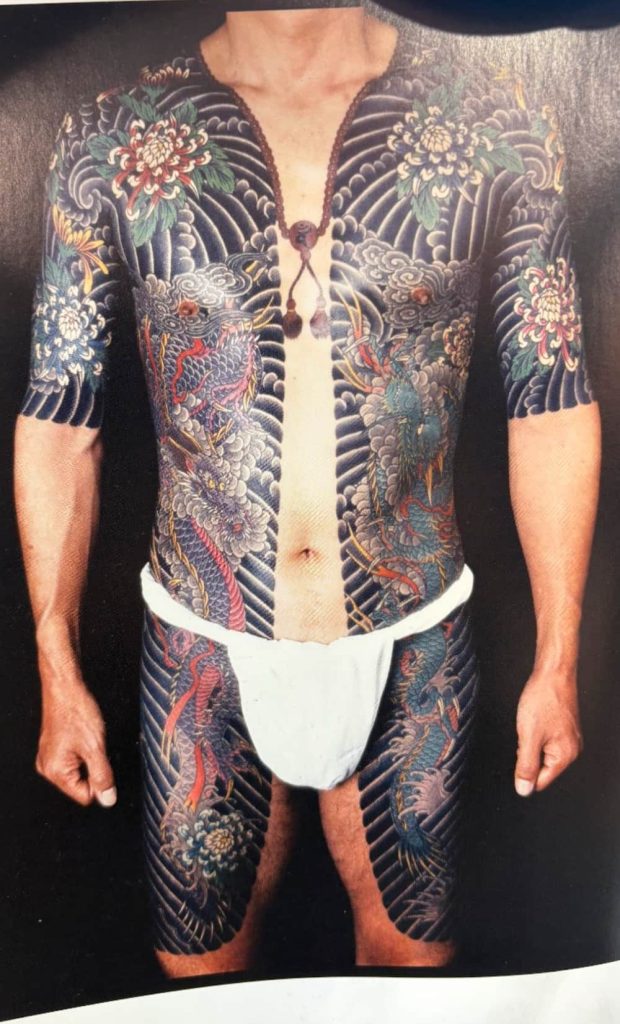
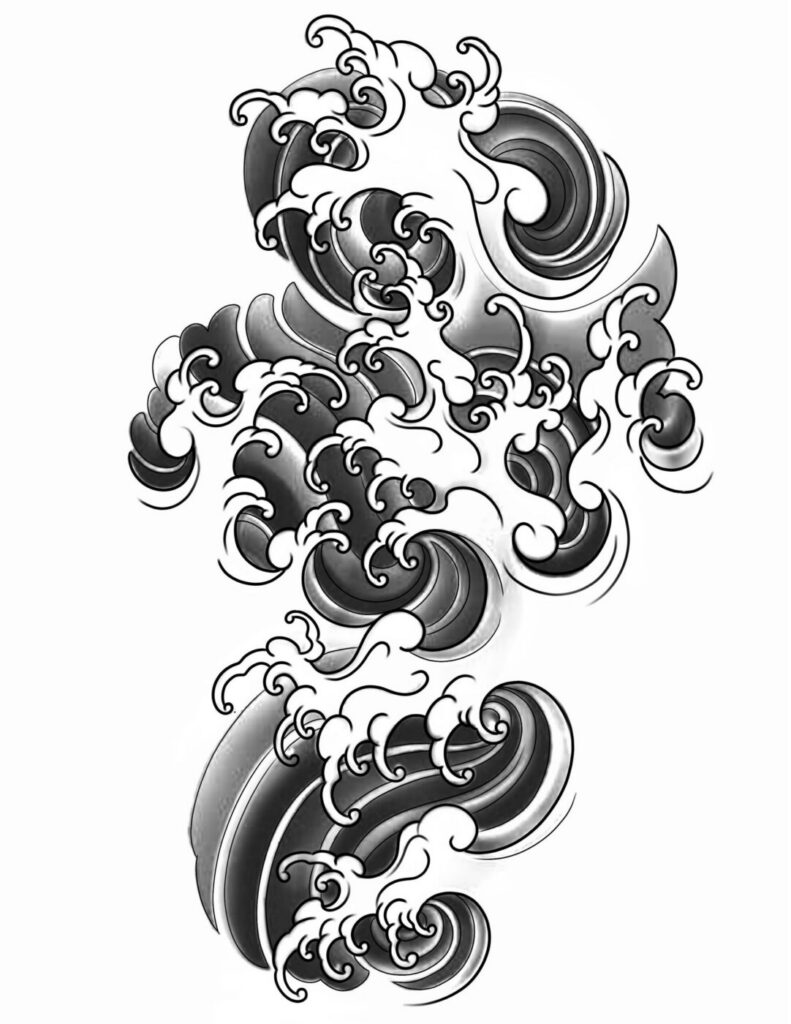
In Irezumi, the background is not filler—it’s the connective tissue that unifies the entire composition. The most common backgrounds are wind bars (shakki), waves (seigaiha), and clouds (kumo). These elements are not just decorative; they create movement and direct the eye across the body’s contours. A well-executed background will flow with the natural curves of the arm, back, or leg, making the tattoo feel like a living part of the body rather than a sticker.
How to Assess Background Flow in Healed Photos
- Continuity: Look at how the background wraps around joints (elbow, knee, shoulder). Does the pattern break awkwardly, or does it bend naturally? In a healed photo, you can see if the lines have spread or if the shading has settled into the creases, which can distort the flow.
- Negative space: Good background work uses negative space to let the main motifs breathe. If the background is so dense that it overwhelms the foreground, the tattoo will look like a muddy mess. Check healed photos for clarity—can you still distinguish the dragon’s scales from the wind bars?
- Blackwork consistency: Irezumi relies on heavy black shading for depth. In healed photos, look for even saturation. Patchy or faded blackwork is a red flag, as it can make the background look like a collection of disconnected marks.
A useful test: cover the main motifs in your mind’s eye and see if the background alone tells a coherent story. If the wind bars and waves seem to have a rhythm of their own, the artist has mastered flow.
Body-Panel Planning: The Architecture of the Tattoo
Irezumi is traditionally planned as a full-body suit, but even a single sleeve is designed as a panel that respects the body’s topography. The artist must consider how the tattoo will look from different angles, how it moves with the muscle, and how it will age as the skin changes. A healed portfolio review should focus on how well the tattoo sits within its designated area—whether it’s a half-sleeve, full back piece, or a leg panel.
Key Checks for Body-Panel Planning
- Border and framing: Traditional Irezumi often has a defined border (e.g., a “sleeve” line at the shoulder or a “pants” line at the hip). In healed photos, check if the border is crisp or if it has blurred. A good artist will place borders where the skin is relatively stable to minimize distortion.
- Anatomical flow: The tattoo should follow the muscle groups. For example, a dragon’s body might wrap around the deltoid, and its tail might taper into the triceps. In healed photos, flex and extension can show if the design still makes sense when the arm moves. If the artist has posted videos or multiple angles, use those to judge.
- Balance and asymmetry: In a full back piece, the spine is the central axis. The design should be balanced but not necessarily symmetrical. Check healed photos for how the composition handles the spine’s curve—does it dip and rise naturally, or does it fight the anatomy?
When you’re looking at a healed portfolio, ask the artist for photos taken in different positions—arm raised, arm at side, back straight, back bent. A tattoo that looks great in one static pose but falls apart in motion is a sign of poor planning.
Practical Guide to Reviewing a Healed Portfolio
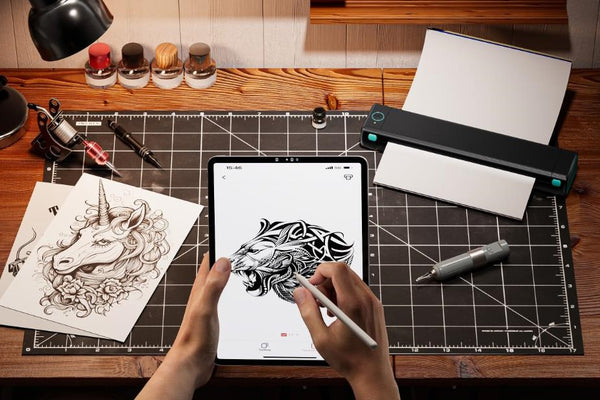
Now that you know what to look for, here’s a step-by-step approach to reviewing an artist’s healed work, whether you’re visiting the studio or browsing their verified portfolio online.
Step 1: Gather a Variety of Healed Photos
Don’t rely on the artist’s “perfect” shots. Ask to see photos taken by clients, or look for tagged posts on social media. A mix of lighting conditions and skin tones will give you a more honest view. If the artist has a studio page, check if they have a dedicated healed gallery.
Step 2: Compare Fresh vs. Healed
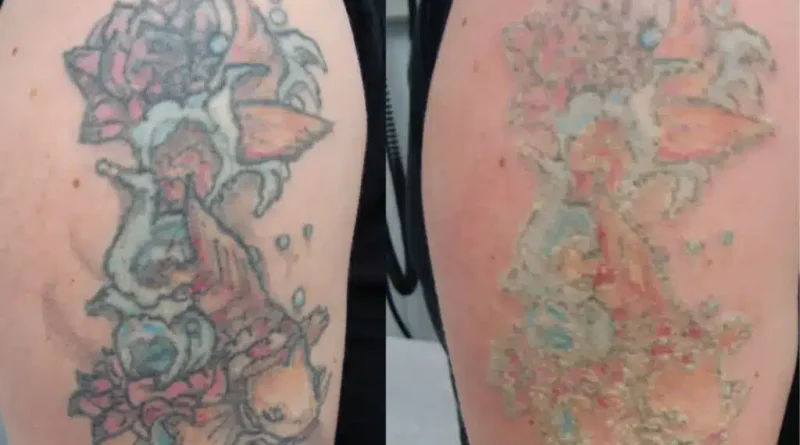
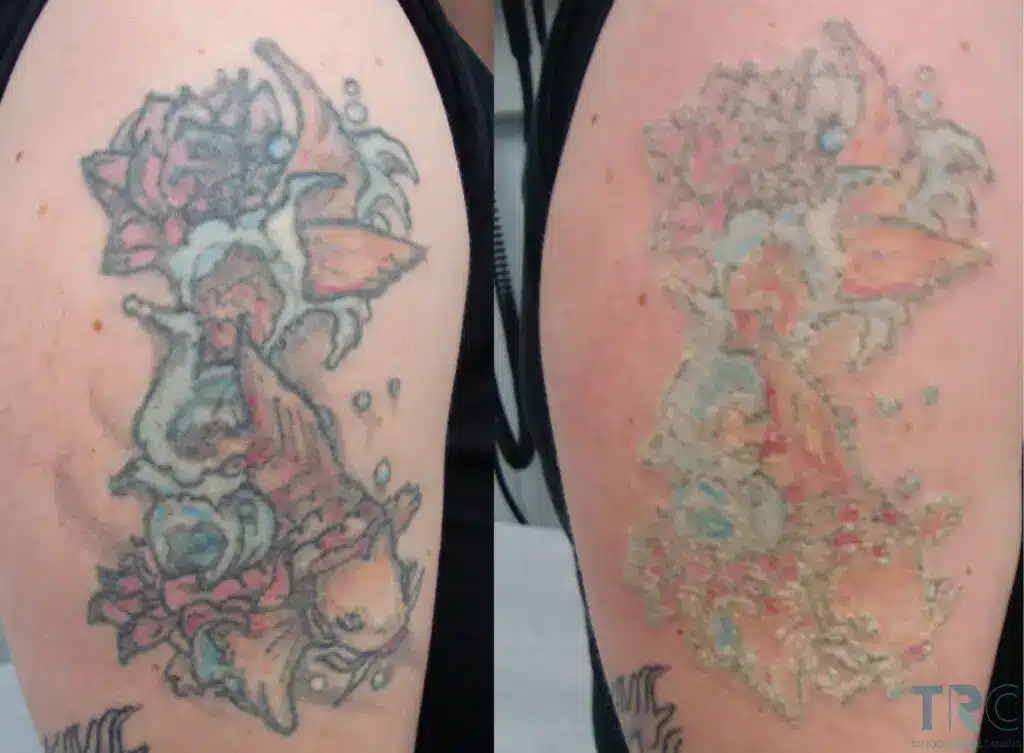
For each piece, compare the fresh photo with the healed one. Look for changes in line weight, color saturation, and contrast. In Irezumi, lines should hold up—if they’ve blown out or faded significantly, the artist may have gone too deep or used poor ink.
Step 3: Examine the Fine Details
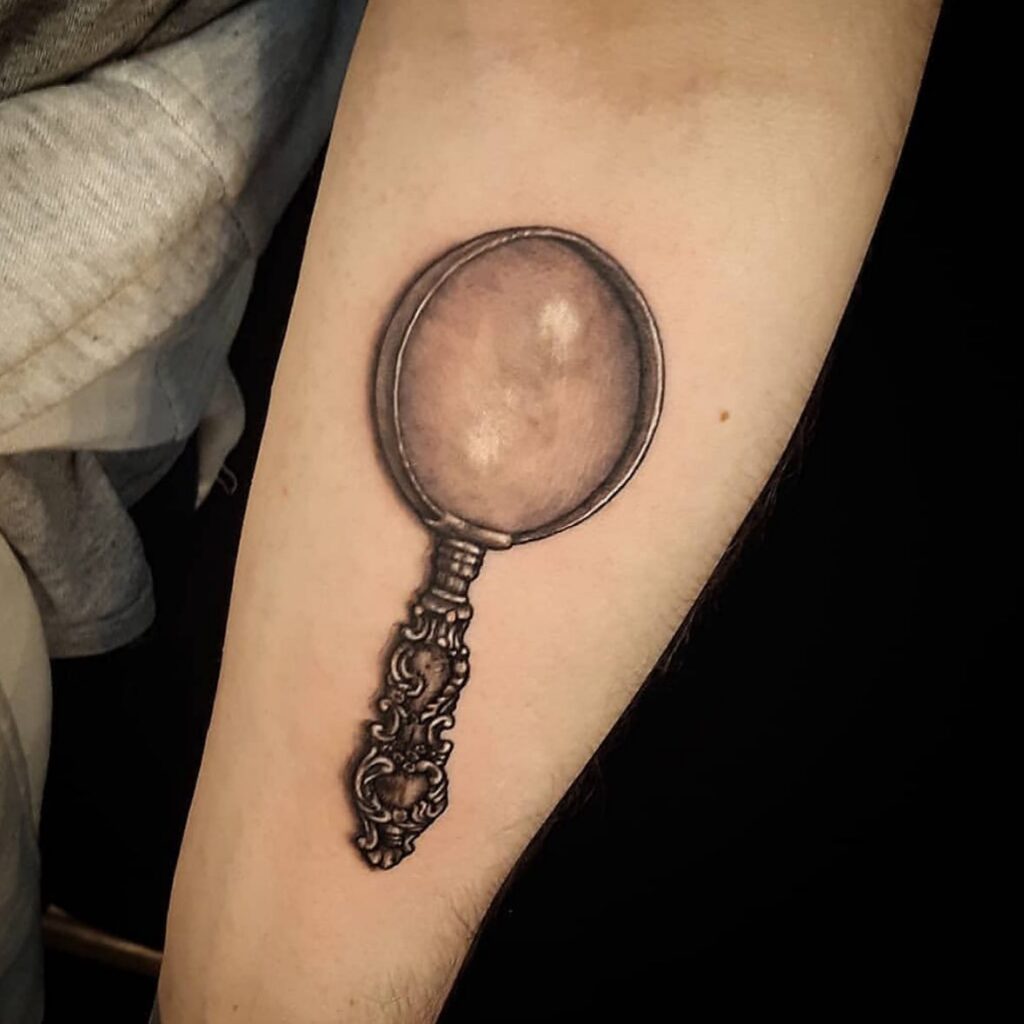
Use a magnifying glass or zoom in on high-resolution photos. Check the scales on a koi, the petals on a chrysanthemum, the individual wind bars. Are the details still crisp, or have they merged into a blob? This is especially important for fine line work, but even in traditional bold lines, detail matters.
Step 4: Ask About the Healing Process
When you consult with the artist, ask how they handle aftercare and what they expect in terms of healing. A professional will give you clear instructions and be open to touch-ups. If they avoid the topic, that’s a red flag. You can also read our tattoo aftercare advice to be prepared.
Booking and Safety Questions to Ask
Before you commit, ask the artist these questions directly. Their answers will tell you a lot about their professionalism.
- “Can you show me a healed back piece that is at least two years old?” This is the ultimate test—a healed back piece reveals how the artist handles large areas of skin and long-term aging.
- “How do you plan the background flow for a full sleeve?” Listen for specific terms like “wind bars” or “background waves.” If they can’t articulate their process, they may not have a strong grasp of Irezumi fundamentals.
- “What is your policy on touch-ups for healed work?” A reputable artist will offer a free touch-up within a certain period, but they should also explain why touch-ups might be needed (e.g., friction areas).
- “Do you have any clients who can share their healing experience?” References are gold. If the artist is hesitant to connect you with past clients, consider it a warning.
If you’re still unsure about the cost and planning, use our tattoo price estimator to get a ballpark figure, but remember that a high-quality Irezumi is a long-term investment.
FAQ: Healed Portfolio Review for Irezumi
1. How long should I wait before judging a healed Irezumi?
Most tattoos settle within 6–12 months. For a full sleeve or back piece, wait at least a year to see how the colors and shading have matured. Some artists recommend a 2-year mark for the truest representation, especially for large blackwork areas.
2. Can I trust photos that are taken right after the tattoo is healed?
“Healed” can mean different things—some artists post photos after 2 weeks, others after 6 months. Always ask for the exact time frame. A 2-week-old tattoo is still settling; a 6-month-old one is more reliable.
3. What if I notice line spreading in healed photos?
Some line spread is normal, especially in areas like the inner arm or near joints. But if the lines have become significantly thicker or blurry within a year, it could indicate poor technique or improper aftercare. Bring this up with the artist—they should be open to discussion.
4. How do I know if a background is too heavy?
Look at the overall balance. If the background overwhelms the main motifs, the tattoo will look dark and hard to read. A good rule of thumb: you should be able to identify each motif from a distance of 6 feet. If you can’t, the background may be overpowering.
Final Thoughts
Reviewing a healed portfolio is not about finding perfection—it’s about finding an artist who understands the long-term behavior of ink on skin. Irezumi is a commitment that will live with you for decades, so take your time. Use this guide as your checklist, and don’t be afraid to ask tough questions. When you find an artist whose healed work stands up to scrutiny, you’ll know it’s the right fit. For more inspiration and to see how different styles—from neo-traditional to micro realism—approach similar challenges, explore our curated galleries and articles.
Content hub
Tattoo styles pillar
This article belongs to the styles cluster. Open the pillar page to compare Irezumi, Old School, Realistic, Blackwork, Fine line, Geometric and Watercolor.
Related reading
Continue reading
Lettering Tattoo Healed Portfolio Review: Kerning, Baseline & Placement Distortion
A specialist healed-portfolio review guide for Lettering tattoos, focused on kerning, baseline control and placement distortion. Includes concrete…
Lettering Tattoo Placement: A Specialist Guide to Kerning, Baseline Control, and Body-Flow Distortion
A specialist guide to lettering tattoos focusing on kerning, baseline control, and placement distortion. Learn how to plan…
Lettering Tattoo Design Consultation Checklist: Kerning, Baselines, and Placement Distortion
A specialist consultation checklist for lettering tattoos covering kerning, baseline control, and placement distortion. Includes practical tests, booking…