

Irezumi Design Consultation: A Specialist Checklist for Motif Seasons, Background Flow, and Body-Panel Planning
Introduction: The Consultation Is a Blueprint, Not a Chat

Booking an Irezumi session without a structured consultation is like laying a full-back piece without a reference line. Traditional Japanese tattooing is not a single image—it is a composition that must respect the body’s topography, the narrative of the motifs, and the visual rhythm of the background. This guide is a specialist checklist for both tattooers and clients, focusing on three critical pillars: motif seasons, background flow, and body-panel planning. Whether you are working in Japanese traditional, Neo-traditional, or even a contemporary fusion with Fine line or Geometric elements, these checks will keep your project cohesive and wearable.
Motif Seasons: The Calendar of Symbolism
In Irezumi, every motif carries a seasonal association, and mixing them without intention can disrupt the visual narrative. A senior artist will always ask: What season is your composition set in?
Spring Motifs: Renewal and Transience
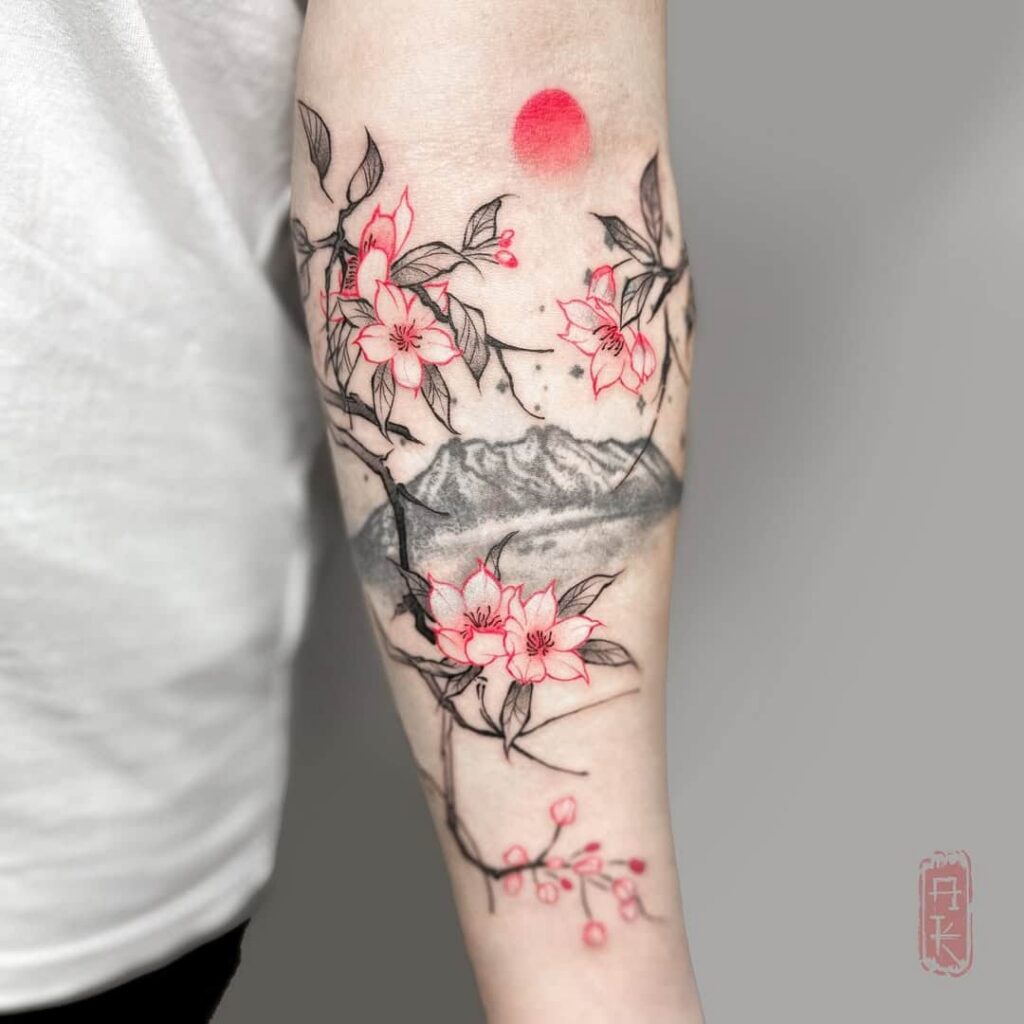
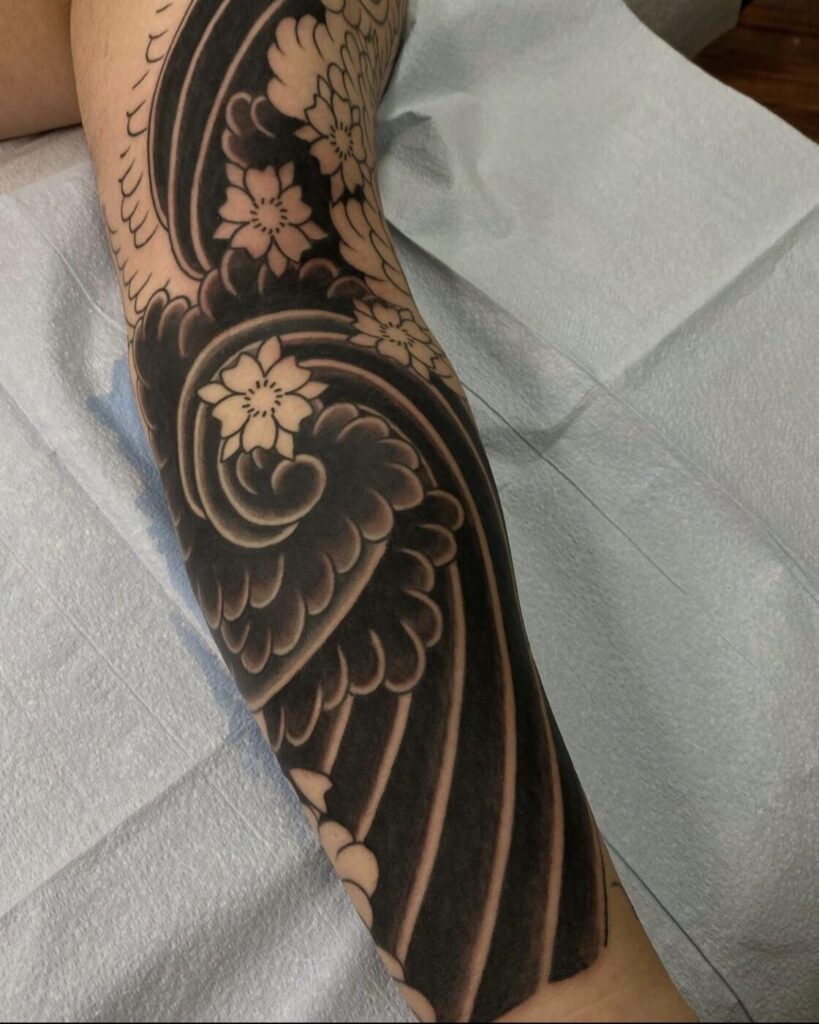
Cherry blossoms (sakura) are the quintessential spring motif, symbolizing the fleeting nature of life. They pair naturally with flowing water or wind bars. If you choose spring, avoid heavy autumn leaves or winter snowflakes in the same panel unless you are deliberately creating a juxtaposition—and be prepared to explain that choice.
Summer Motifs: Power and Vitality
Dragons, koi, and peonies are often associated with summer—the season of peak energy. A dragon emerging from swirling water (background) with peonies (summer flowers) creates a classic summer composition. The background should feel dynamic, like a sudden storm or a rushing river.
Autumn Motifs: Reflection and Change
Maple leaves, chrysanthemums, and wind-swept scenes belong to autumn. These motifs work well with a calmer background, such as gentle waves or wind bars, to convey a sense of maturity and introspection.
Winter Motifs: Resilience and Stillness
Plum blossoms bloom in winter, symbolizing perseverance. They are often paired with snow or ice elements. A winter-themed panel might feature a white heron standing in a frozen stream—a stark, minimalist image that benefits from negative space.
Consultation Checklist for Motif Seasons
- List all motifs you want and assign each a season.
- Decide if you want a single-season composition or a deliberate multi-season narrative.
- Check that the background elements (water, wind, clouds) match the seasonal mood.
- Research the symbolic meaning of each motif to avoid unintended contradictions.
For a deeper dive into motif meanings, see our consultation guides.
Background Flow: The Unseen Skeleton
The background in Irezumi is not filler—it is the connective tissue that unifies the entire piece. It dictates the movement of the eye and the flow of the body’s curves. A common mistake is treating the background as an afterthought, leading to a disjointed composition.
Types of Backgrounds
- Wind bars (Karakusa): Curved, stylized lines that suggest wind. They are excellent for filling odd spaces and creating a sense of motion.
- Water (Seigaiha or waves): Flowing water can wrap around limbs and transition between panels. It is a classic choice for koi and dragon motifs.
- Clouds (Kumo): Soft, swirling clouds can soften transitions and add depth. They are often used to separate elements.
- Geometric or Dotwork backgrounds: In modern Irezumi, some artists use fine-line geometric patterns or dotwork to create a contemporary backdrop that still respects the traditional flow.
Flow Checks
- Trace the intended flow of the background with your finger over the body part. Does it follow the natural muscle contours?
- Ensure the background does not overpower the main motifs—it should support, not compete.
- Consider how the background will age. Dense blackwork may blur over time; fine-line dotwork may fade faster.
For examples of background integration, browse our top artist rankings.
Body-Panel Planning: The Canvas Is Not Flat
Irezumi is traditionally a full-body or large-panel art form. The body’s three-dimensional nature means that a design must be planned from multiple angles. A specialist will always consider the ‘body panel’ concept—dividing the body into distinct zones that work together.
Key Panels
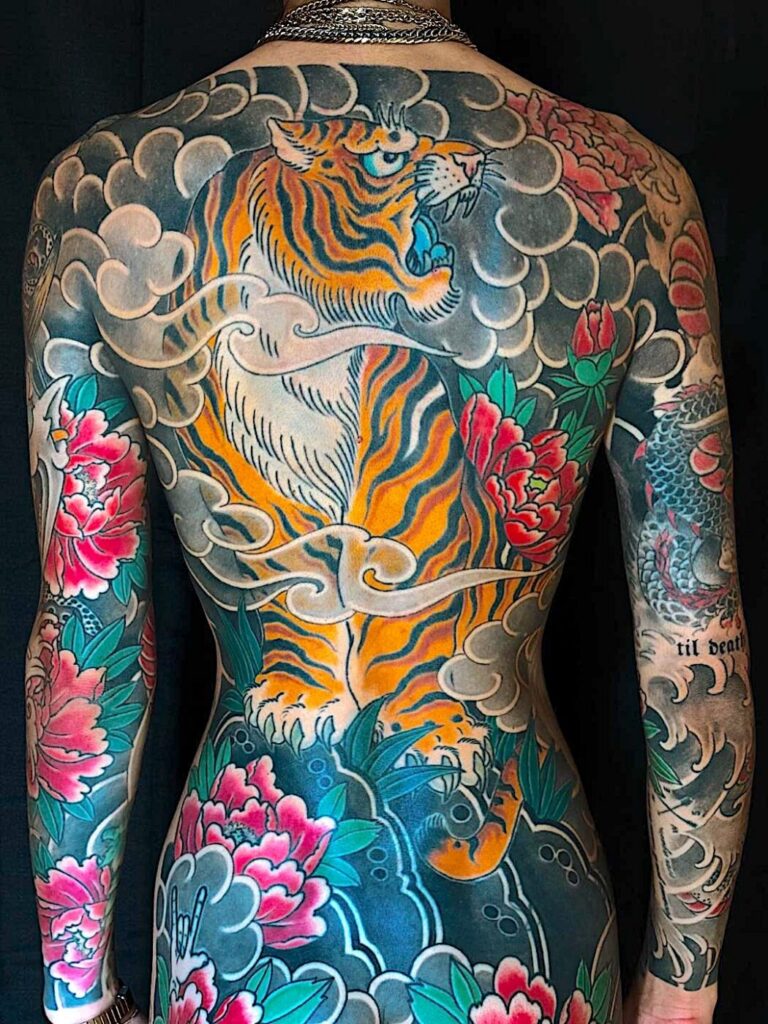
- Back panel: The largest canvas, often reserved for the central motif (e.g., a dragon or Hannya mask). The spine is the natural centerline.
- Chest and arms: These are often connected to the back piece, with background elements flowing over the shoulders.
- Legs and hips: Ideal for koi or floral motifs, with the flow of the background guiding the eye downward.
Planning Checklist
- Decide on the primary panel (the focal point) and secondary panels.
- Map out how the background will flow from one panel to the next. For example, a wave can start on the chest and wrap around the shoulder to continue on the back.
- Consider the visibility of the tattoo. Do you need it to be covered for work? This affects placement and size.
- Think about future additions—Irezumi is often a lifelong project. Leave room for expansion.
For a visual guide to panel planning, check our studio portfolio.
Booking and Safety Questions
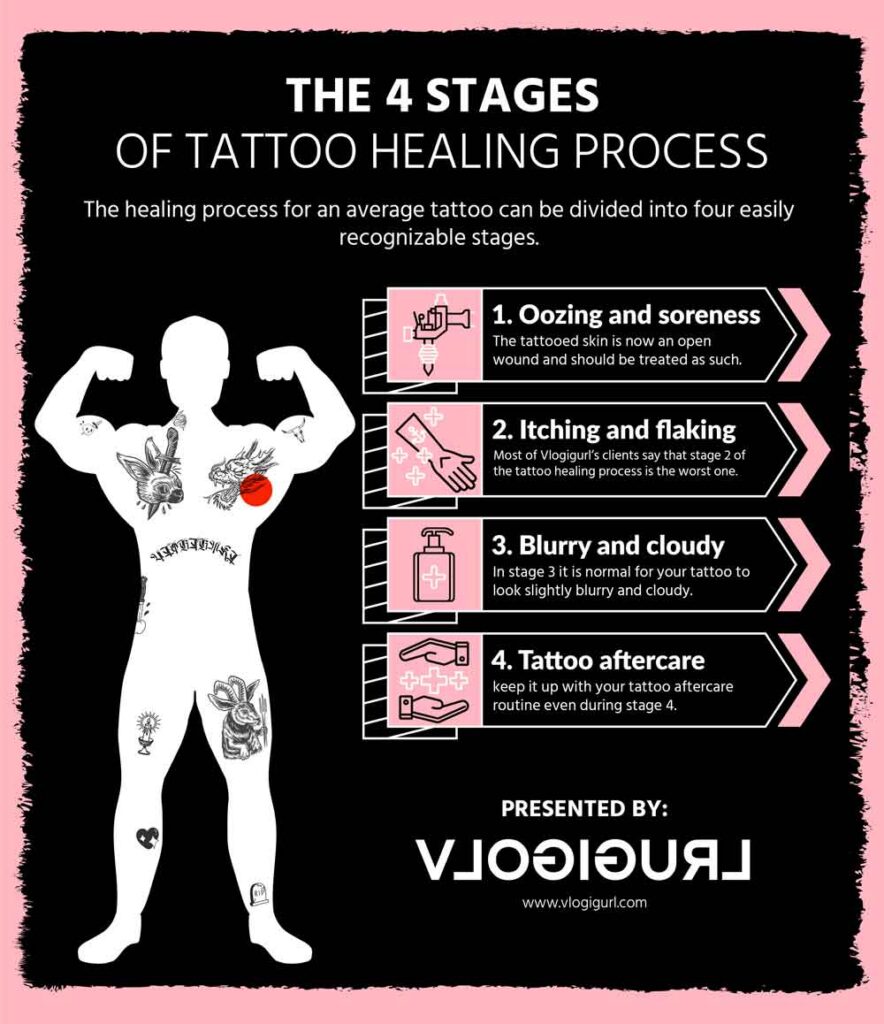
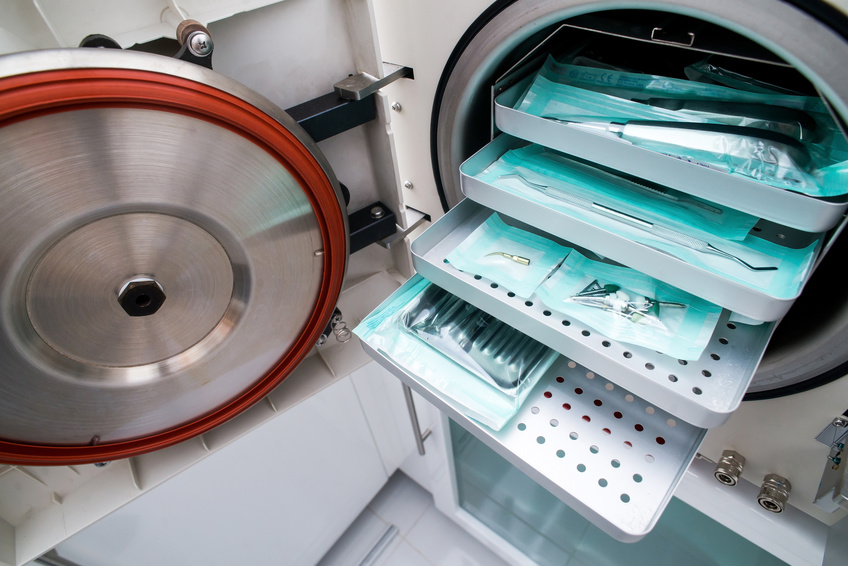
Before committing, ask your artist about their experience with Irezumi specifically. Not all tattooers are skilled in traditional Japanese techniques. Inquire about their sterilization protocols, needle disposal, and whether they use single-use cartridges. Also, ask to see healed photos of their Irezumi work—not just fresh ones.
Discuss the number of sessions required and the total cost estimate. Most large pieces take multiple sessions, and prices can vary widely. For a rough idea, use our price estimator.
FAQ
1. Can I mix Irezumi with modern styles like Geometric or Watercolor?
Yes, but it requires a skilled artist who can blend the traditional flow with modern elements. For example, a geometric background can replace wind bars, but the overall composition must still respect the body’s natural lines. Always ask to see examples of hybrid work.
2. How do I choose a motif that fits my personality?
Consider the symbolism and the seasonal association. If you are drawn to strength, a dragon or tiger (summer) might suit you. If you value resilience, a plum blossom (winter) is a subtle choice. Your artist can also suggest motifs based on your life story.
3. Is it necessary to have a full back piece, or can I get a smaller Irezumi?
Irezumi can be adapted to smaller areas, such as a half-sleeve or a single panel. However, the background flow is even more critical in smaller spaces to avoid a cluttered look. A specialist will help you scale the design while maintaining the traditional aesthetic.
4. How painful is an Irezumi tattoo compared to other styles?
Pain is subjective, but Irezumi often involves large areas of shading and color packing, which can be more intense than fine-line work. The back and ribs are particularly sensitive. Discuss pain management options with your artist, but never use numbing creams without their approval.
Final Checks Before You Book
- Review your motif list and seasonal coherence.
- Ask to see a mock-up of the background flow.
- Confirm the body panel placement and how it will affect your daily life.
- Verify the artist’s credentials and studio cleanliness.
- Get a written estimate and session schedule.
For more inspiration, explore our tattoo magazine and verified studios.

Content hub
Tattoo styles pillar
This article belongs to the styles cluster. Open the pillar page to compare Irezumi, Old School, Realistic, Blackwork, Fine line, Geometric and Watercolor.
Related reading
Continue reading
Lettering Tattoo Healed Portfolio Review: Kerning, Baseline & Placement Distortion
A specialist healed-portfolio review guide for Lettering tattoos, focused on kerning, baseline control and placement distortion. Includes concrete…
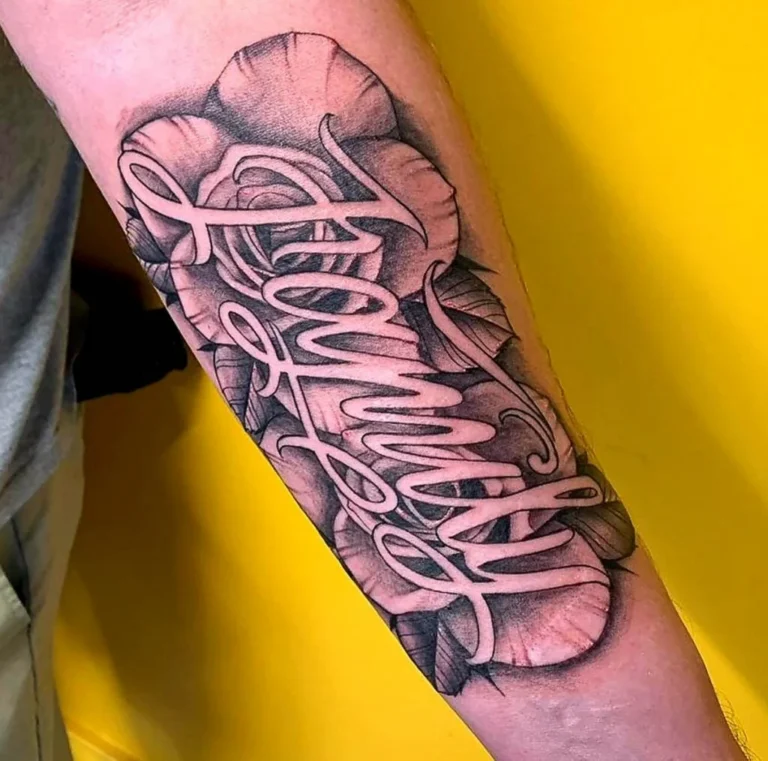
Lettering Tattoo Placement: A Specialist Guide to Kerning, Baseline Control, and Body-Flow Distortion
A specialist guide to lettering tattoos focusing on kerning, baseline control, and placement distortion. Learn how to plan…
Lettering Tattoo Design Consultation Checklist: Kerning, Baselines, and Placement Distortion
A specialist consultation checklist for lettering tattoos covering kerning, baseline control, and placement distortion. Includes practical tests, booking…