
Graphic Tattoo vs Illustrative Tattoo: Bold Shapes, Contrast & Readability
Introduction: The Power of Bold Design in Tattooing
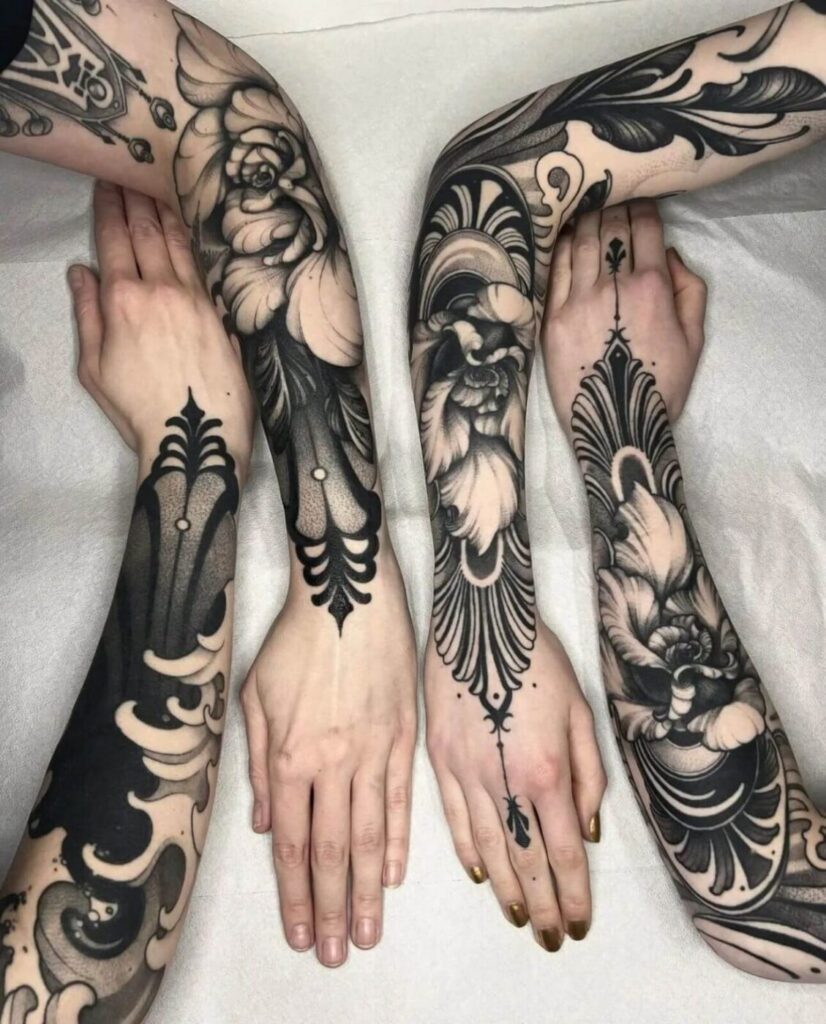
In the world of tattooing, two styles have emerged as champions of visual impact: Graphic tattoo and Illustrative tattoo. Both prioritize bold shapes, high contrast, and readability, but they approach these goals from different angles. As a senior tattoo magazine editor and SEO strategist, I’ve seen these styles evolve from niche preferences to mainstream staples. This guide will help you understand the nuances of each, so you can choose—or combine—them for your next piece.
What Is a Graphic Tattoo?
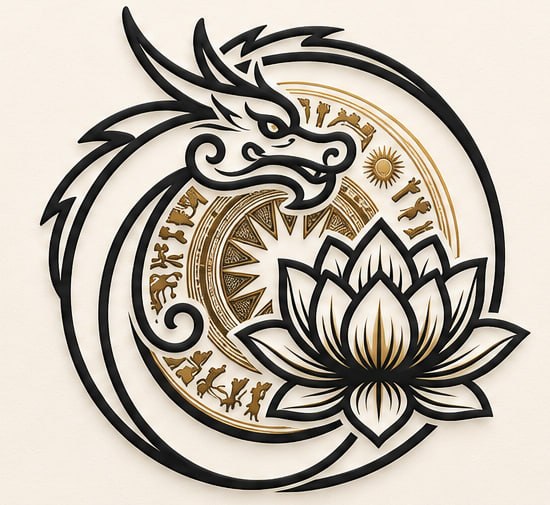
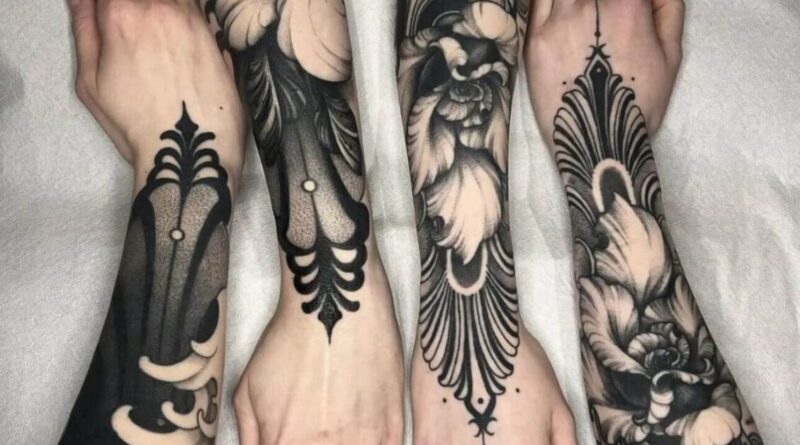
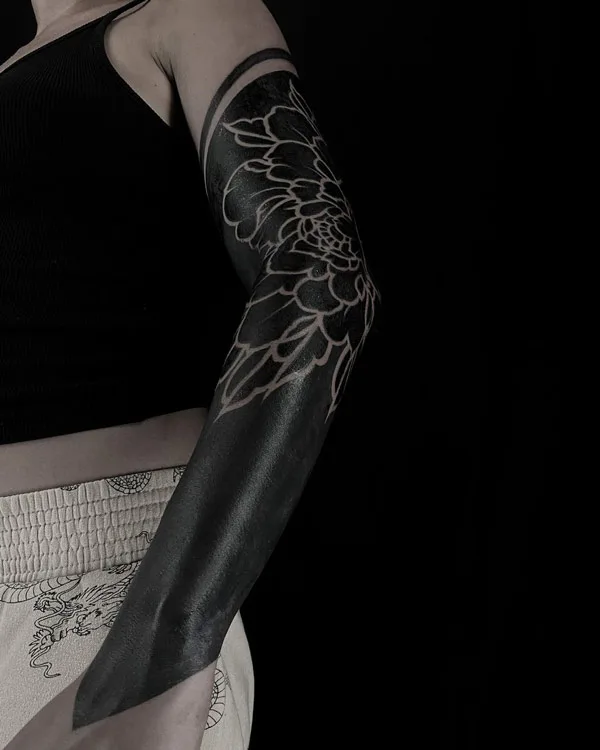
A Graphic tattoo draws inspiration from graphic design, poster art, and logo design. It relies on solid black and negative space, geometric precision, and simplified forms. The goal is instant recognition: a silhouette, a bold line, a stark shape. These tattoos often look like they were stamped onto the skin, with minimal shading or texture.
Key Characteristics
- Bold outlines: Thick, consistent lines that define the shape.
- High contrast: Pure black against bare skin or solid color blocks.
- Simplified forms: No unnecessary details—just the essence of the subject.
- Geometric elements: Circles, triangles, straight lines, and symmetry.
Examples
- A solid black panther silhouette with no interior details.
- A stylized sun with sharp rays, using negative space for the center.
- A minimalist portrait reduced to a few bold lines and solid shadows.
Caveats
Graphic tattoos are unforgiving of poor placement. Because they rely on clean lines and solid shapes, any distortion over time (due to aging or weight changes) becomes obvious. Also, large solid black areas can fade unevenly if not packed properly. Always choose an artist experienced in bold work.
What Is an Illustrative Tattoo?
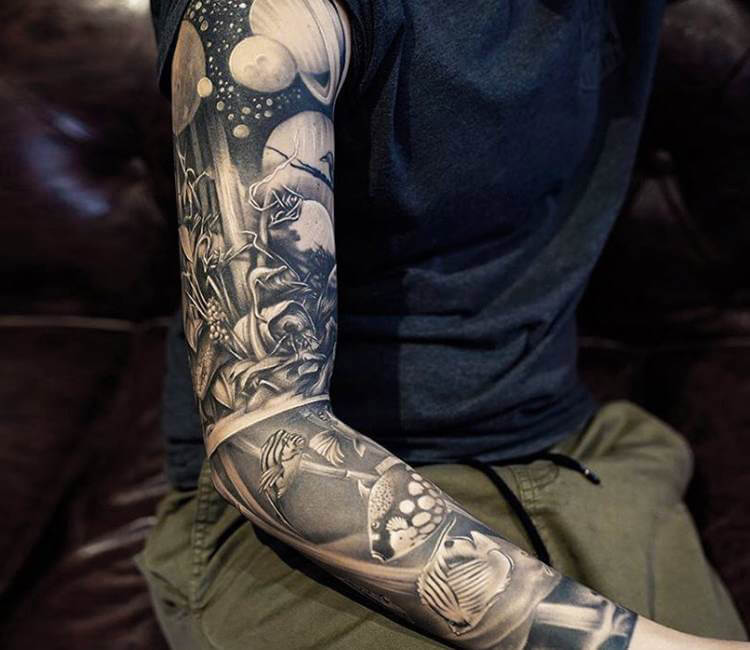
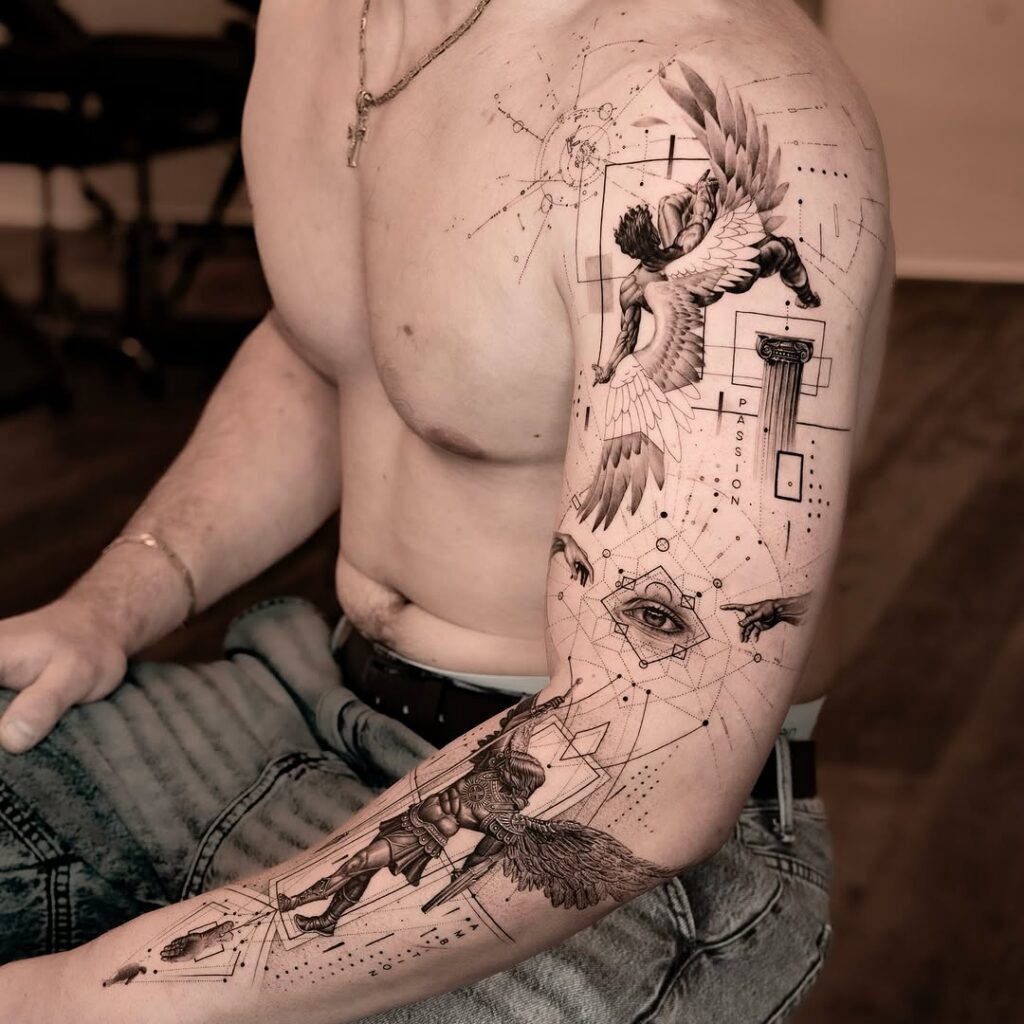
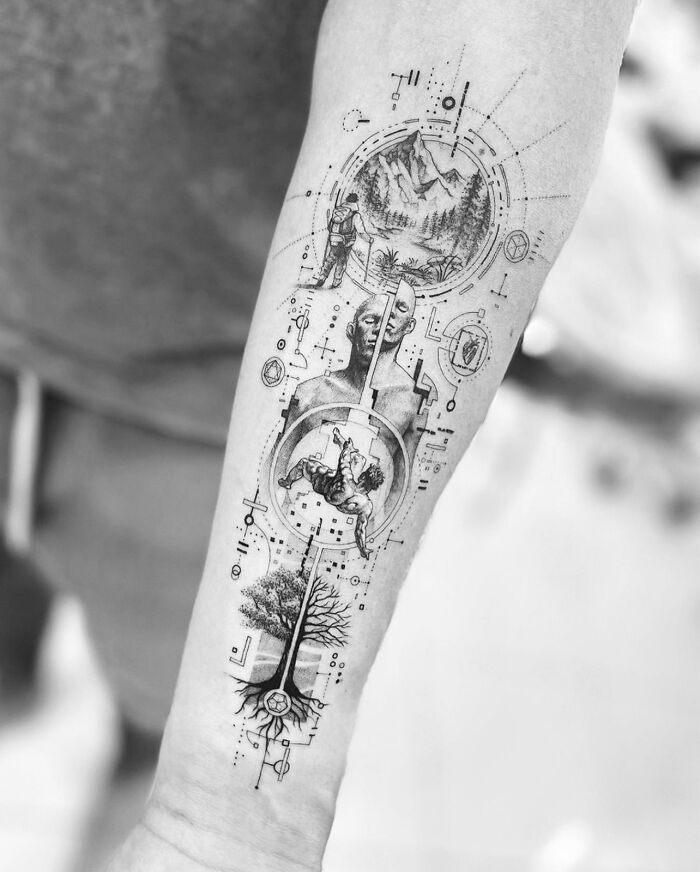
An Illustrative tattoo is rooted in illustration and drawing. It uses linework, hatching, crosshatching, stippling, and varying line weights to create depth and texture. The style is more nuanced than Graphic, often mimicking pen-and-ink or woodcut art. Readability comes from clear composition and deliberate use of contrast, not just solid blacks.
Key Characteristics
- Varied line weights: Thin lines for details, thick lines for outlines.
- Shading techniques: Hatching, stippling, or dotwork to build tone.
- Detailed compositions: Often narrative or symbolic, with multiple elements.
- Texture: Skin-like textures created through mark-making.
Examples
- A wolf’s head with fur rendered in fine lines and stippling.
- A pocket watch with gears, using crosshatching for shadows.
- A botanical illustration with precise linework and subtle shading.
Caveats
Illustrative tattoos can blur over time if the lines are too fine or too close together. They require a skilled hand to maintain readability as the tattoo ages. Also, the style works best on areas with stable skin (not joints or areas prone to stretch marks).
Graphic vs Illustrative: A Side-by-Side Comparison
| Aspect | Graphic Tattoo | Illustrative Tattoo |
|---|---|---|
| Visual impact | Immediate, stark | Detailed, layered |
| Linework | Bold, uniform | Varied, expressive |
| Shading | Minimal or none | Hatching, stippling, etc. |
| Readability | From a distance | Up close |
| Aging | Can fade unevenly | Can blur if too fine |
| Best placement | Flat areas (chest, back) | Stable skin (forearm, calf) |
How to Choose Between Graphic and Illustrative
Consider Your Subject
Some subjects lend themselves to one style over the other. For example, a simple shape like a crescent moon works beautifully as a Graphic tattoo. A complex scene like a forest with animals might be better as an Illustrative tattoo.
Think About Longevity
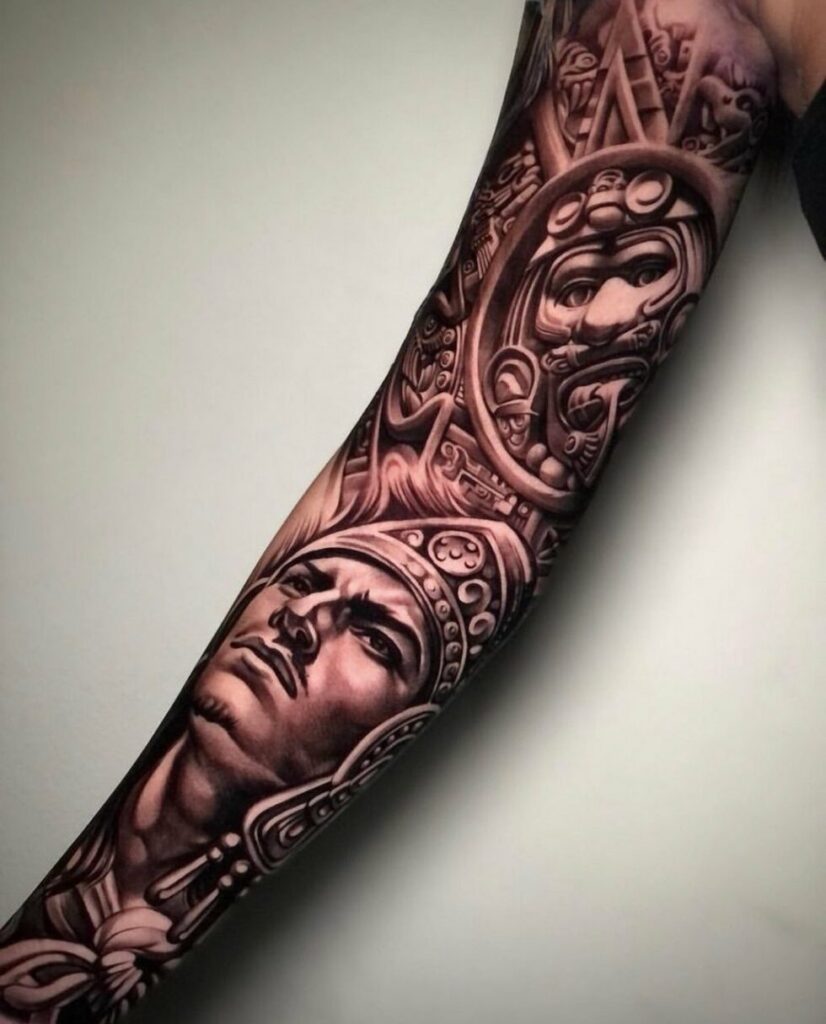
If you want a tattoo that remains crisp for decades, a Graphic approach with bold lines and solid black is generally more durable. However, if you prefer a softer, more artistic look, an Illustrative style can be maintained with proper care and occasional touch-ups.
Evaluate Your Pain Tolerance
Graphic tattoos often require more passes over the same area to pack solid black, which can be more painful. Illustrative tattoos with fine lines may be less intense but take longer.
Combining Both Styles: Hybrid Tattoos
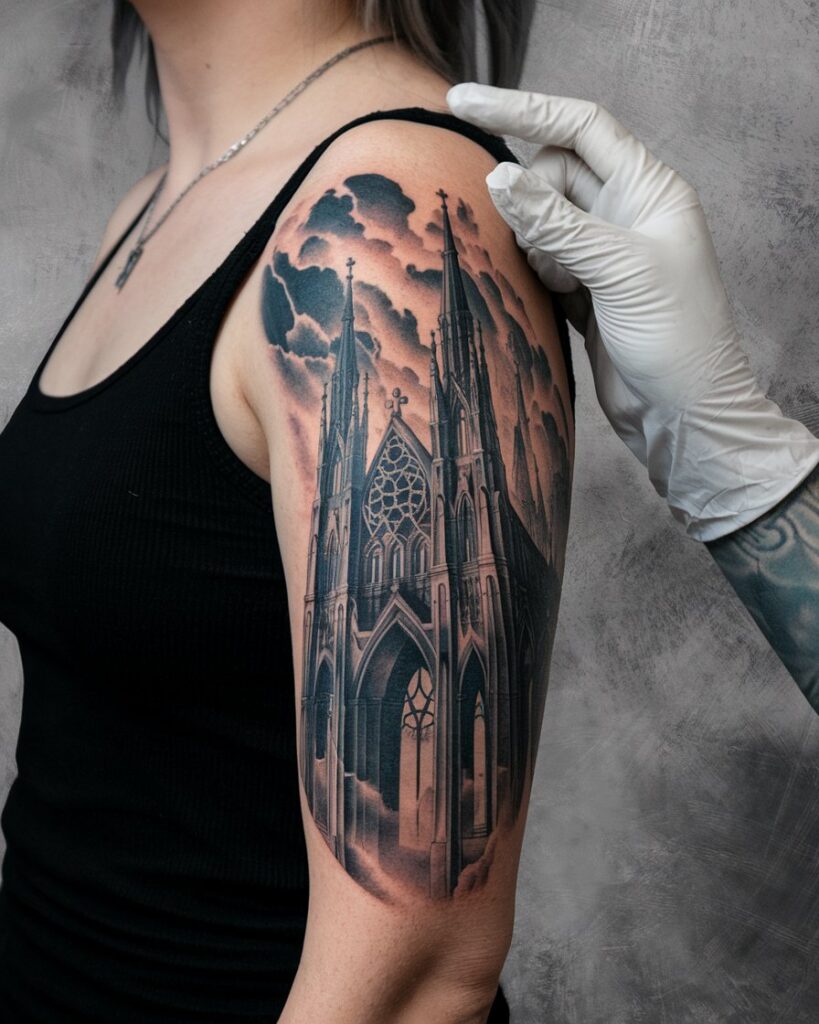
Many modern tattoos blend Graphic and Illustrative elements. For instance, a tattoo might have a bold Graphic outline with Illustrative shading inside. This combination can give you the best of both worlds: immediate readability from a distance and intricate details up close.
Example
A lion’s face with a thick black mane (Graphic) and finely hatched fur details (Illustrative).
Caveats
Hybrid tattoos require a versatile artist who excels in both styles. Not all tattooists can switch between bold packing and fine linework seamlessly. Ask to see their portfolio of hybrid work.
Step-by-Step Guide to Getting a Graphic or Illustrative Tattoo
- Research artists: Look for specialists in the style you want. Check their Instagram or website for consistent quality.
- Consultation: Bring reference images and discuss placement, size, and color (or black and gray). Ask about healing and touch-ups.
- Design: The artist will create a custom design. For Graphic tattoos, expect a stencil-like transfer. For Illustrative, the design may be drawn directly on skin.
- Session: Prepare for the session by staying hydrated and eating well. Follow your artist’s aftercare instructions.
- Aftercare: Keep the tattoo clean and moisturized. Avoid sun exposure and soaking in water for at least two weeks.
FAQ
1. Which style is more painful?
Pain depends on placement and your personal tolerance. Graphic tattoos with large solid areas can be more painful because the needle passes over the same spot repeatedly. Illustrative tattoos with fine lines may be less intense but take longer.
2. Can I get a Graphic tattoo in color?
Absolutely. While black is traditional, Graphic tattoos can use bold color blocks (e.g., a red circle or blue triangle). The key is high contrast and simplicity.
3. How do I know if an Illustrative tattoo will age well?
Ask the artist to show healed photos of their work, especially pieces that are 2-5 years old. Look for clarity in linework and shading. Avoid designs with extremely fine details that may blur.
4. Can I mix both styles in one tattoo?
Yes, hybrid tattoos are popular. For example, use Graphic outlines for the main shape and Illustrative shading for internal details. Ensure the artist is skilled in both.
Conclusion
Both Graphic and Illustrative tattoos offer unique aesthetic appeals. Graphic tattoos deliver immediate impact through bold shapes and contrast, while Illustrative tattoos reward close inspection with intricate details. By understanding their characteristics, caveats, and ideal applications, you can make an informed decision that suits your style and skin. Always consult with a reputable artist and prioritize quality over trends.
Read more
- Magazine for more tattoo knowledge, style guides and aftercare notes.
- Request a consultation if you need help with style, placement or preparation.
- Marketplace for equipment, supplies and learning resources.
Content hub
Tattoo styles pillar
This article belongs to the styles cluster. Open the pillar page to compare Irezumi, Old School, Realistic, Blackwork, Fine line, Geometric and Watercolor.
Related reading
Continue reading

Lettering Tattoo Design Consultation Checklist: Kerning, Baselines, and Placement Distortion
A specialist consultation checklist for lettering tattoos covering kerning, baseline control, and placement distortion. Includes practical tests, booking…
Polynesian Tattoo Healed Portfolio Review: A Specialist Guide to Body Mapping, Symbol Research and Respectful Consultation
A specialist editor's guide to reviewing healed Polynesian tattoo portfolios: body mapping, symbol research, respectful consultation questions, and…
Polynesian Tattoo: Placement and Body-Flow Decisions
A specialist guide to Polynesian tattoo placement and body-flow decisions: body mapping, motif density, symbol research, respectful consultation…