Fine Line Tattoo: Design Consultation Checklist for Long-Term Readability
Why Fine Line Requires a Different Consultation Standard
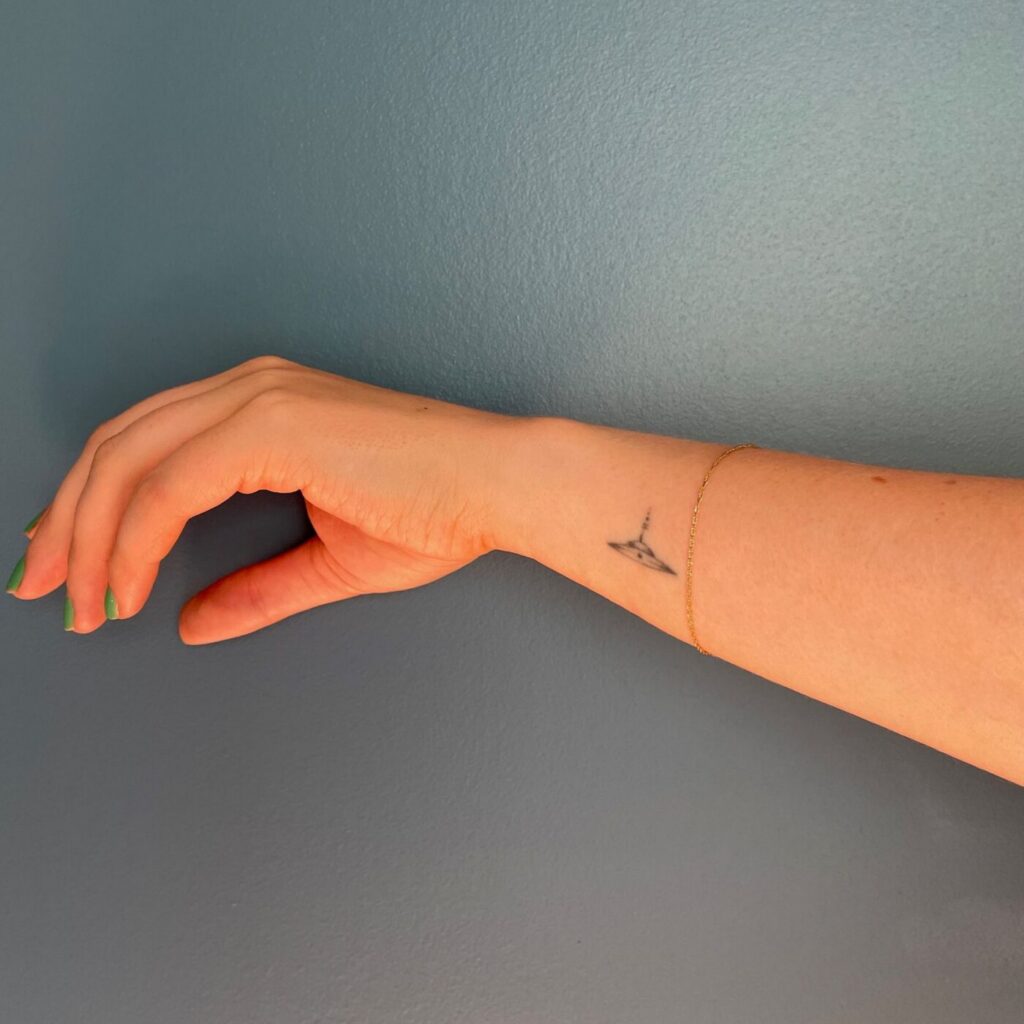
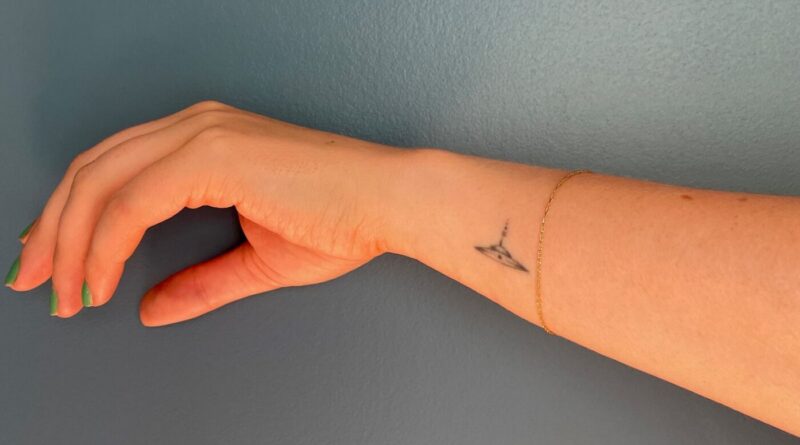
Fine line tattoos are not a style; they are a discipline. The difference between a fine line piece that ages gracefully and one that blurs into a bruise is decided long before the needle touches skin. This guide is not about trends—it’s a practical checklist for your consultation, built around minimum spacing, line-weight limits, and healed readability. If you are considering a fine line, micro realism, or ornamental piece, this is the framework you need.
The Core Physics: Line Weight and Skin as Canvas
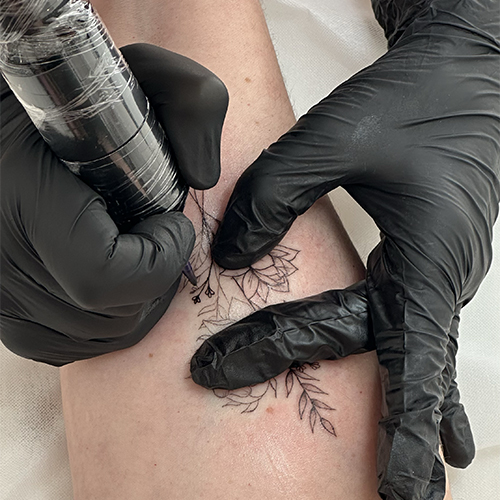
Every fine line design lives or dies by its line weight. In a consultation, you must discuss the actual needle grouping and the resulting stroke width. A single needle (1 RL) can produce a hair-thin line, but it also deposits less pigment and heals lighter. A 3 RL is often the practical minimum for longevity. Ask your artist to show you healed examples of their single-needle work—not just fresh photos. Skin texture, age, and sun exposure all affect how a fine line settles.
Minimum Spacing: The Rule of Thumb
Spacing is the most critical factor for healed readability. A common mistake is packing fine lines too closely, which causes them to merge into a gray smudge over time. As a rule, the space between two fine lines should be at least equal to the line width itself—ideally double. For example, if you are using a 1 RL (approx. 0.1mm), the gap should be at least 0.2mm. For micro realism, where lines are used for shading, spacing must be even more generous.
Line-Weight Limits: Know Your Boundaries
Not every design can be executed in fine line. If your reference image relies on heavy contrast or large solid areas, fine line is the wrong tool. Discuss the thinnest and thickest lines your artist is willing to use. A skilled fine line artist will often use a range of needle sizes (1 RL to 5 RL) to create depth, but they will never go beyond a certain weight if it compromises the integrity of the piece.
Healed Readability: The 5-Year Test
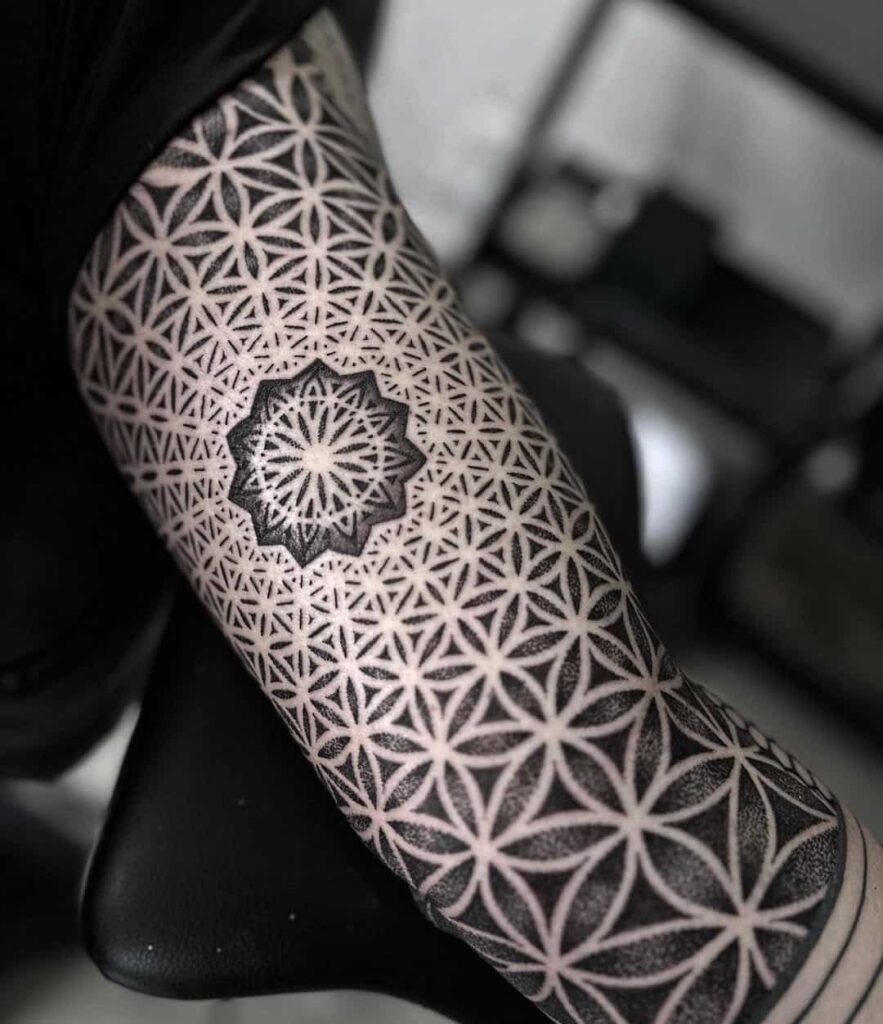
During your consultation, ask the artist to project how the design will look in 5 years. Fine line tattoos are notorious for spreading (ink migration) and fading. The best way to test readability is to squint at the design from arm’s length. If the lines blur together, they will be unreadable when healed. A good artist will simplify the design, remove unnecessary details, and ensure that the negative space is as important as the lines.
Placement and Skin Quality
Placement affects healing. Areas with thin skin (like the inner wrist) or high movement (like fingers) will cause faster fading and spreading. In the consultation, discuss whether the placement is realistic for fine line. For example, a fine line tattoo on the palm is almost guaranteed to fade quickly. Your artist should advise against such placements unless you accept the need for frequent touch-ups.
The Fine Line Consultation Checklist
Use this checklist during your consultation to ensure you cover all bases:
- Line weight: What needle sizes will be used? Ask to see healed examples of each.
- Spacing: Are the minimum gaps respected? Use the squint test.
- Design complexity: Is the design simplified for longevity? Avoid overly intricate details.
- Placement: Is the skin area suitable? Discuss movement and sun exposure.
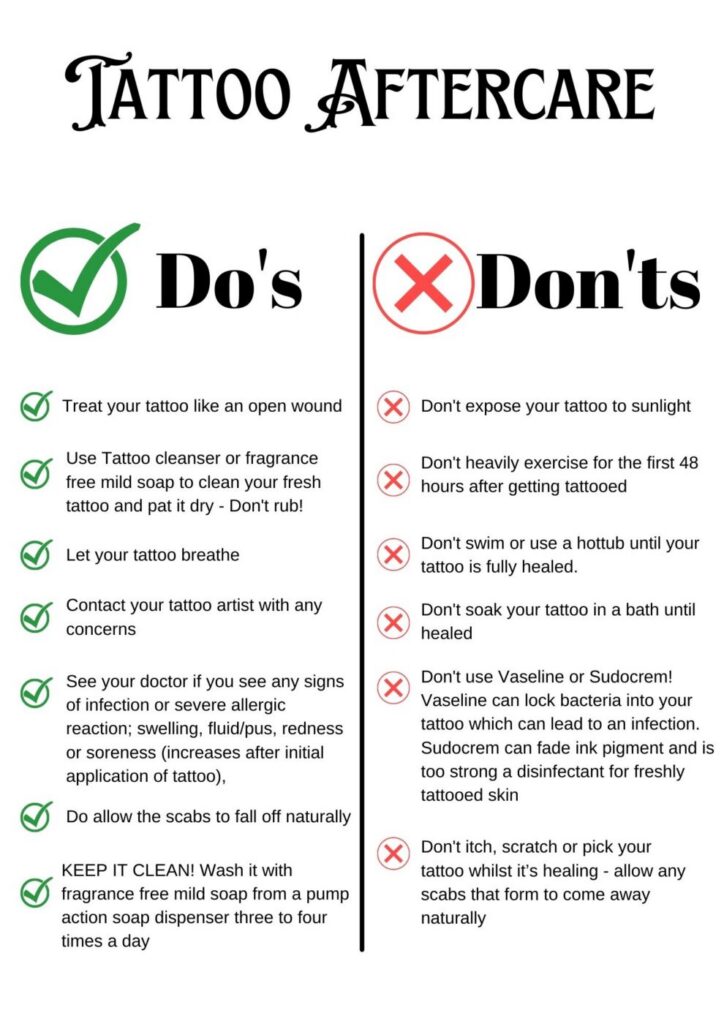
- Aftercare: How will you care for the tattoo to minimize fading?
- Touch-up policy: Does the artist offer a free touch-up within a certain period?
Style-Specific Considerations

Micro Realism and Dotwork
Micro realism relies on fine lines and dotwork to create shading. In the consultation, ask how the artist plans to build depth without heavy black areas. Dotwork can be a great alternative to solid shading, but it requires even spacing to heal well. For geometric and ornamental tattoos, the precision of line placement is paramount—ask about stencil alignment and how they handle curves.
Lettering and Script
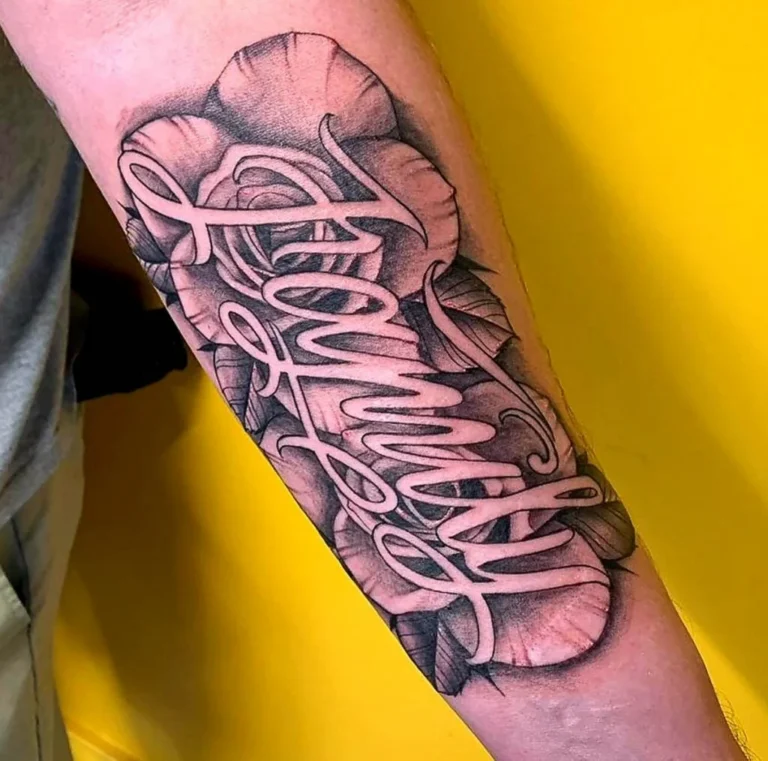
Fine line lettering is popular, but it is also one of the most challenging. Small script often becomes illegible as it spreads. In the consultation, ask to see the artist’s healed lettering work. A good rule is to avoid fonts smaller than 5mm in height. Discuss the style—serif, sans-serif, or handwritten—and how the letter spacing will hold up.
Abstract and Graphic
Abstract fine line tattoos can be more forgiving because they don’t rely on exact representation. However, the placement of lines still matters. Discuss how negative space is used to create the design. For watercolor or Japanese traditional, fine line is rarely the primary style—it is often used for accents. Be clear about the style you want and whether the artist specializes in it.
Booking and Safety Questions
Before booking, ask these questions:
- What is the artist’s experience with fine line specifically?
- Can I see a portfolio of healed fine line tattoos (not just fresh)?
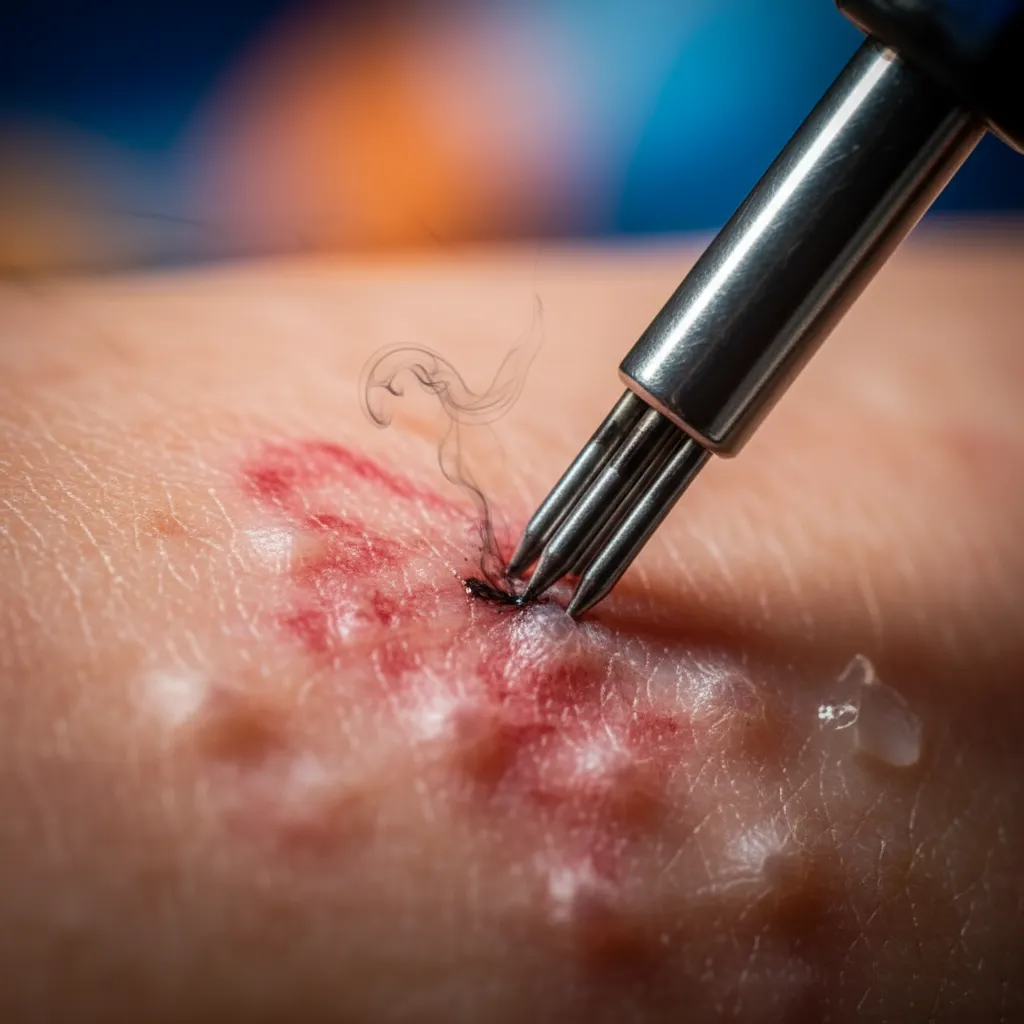
- What is the hygiene protocol? (Autoclave, single-use needles, etc.)
- Is there a consultation fee that is applied to the tattoo price?
- What is the touch-up policy?
These questions are not just about safety—they also ensure you are working with someone who understands fine line longevity. A reputable artist will be transparent about what can go wrong.
FAQ
1. How small can a fine line tattoo be?
The size depends on the design and placement. As a rule, the smallest fine line tattoos are around 1-2 cm, but they must have enough spacing to remain readable. If the design is too small, it will blur into a dot. Your artist should advise on a minimum size based on the line weight and spacing.
2. Do fine line tattoos fade faster?
Yes, fine line tattoos tend to fade faster than bold traditional tattoos because they deposit less pigment. However, with proper aftercare and touch-ups, they can last for years. Sun exposure is the biggest enemy, so always use SPF.
3. Can I get a fine line tattoo if I have oily skin?
Oily skin can cause ink to spread more, making fine lines blur faster. It is still possible, but you may need thicker lines or more spacing. Consult with your artist to adjust the design accordingly.
4. How do I know if my artist is good at fine line?
Ask to see healed photos of their fine line work, preferably from clients who got the tattoo 1-2 years ago. Look for consistent line weight, minimal blowouts, and clear readability. A good artist will also be honest about the limitations.
Final Thoughts
Fine line tattoos are a commitment to precision. The consultation is your opportunity to ensure that your design will stand the test of time. Use this checklist, ask the right questions, and never settle for a design that compromises readability. For more guidance, explore our tattoo advice or find a verified studio in our directory. If you are still planning, use our price estimator to budget for your piece.
Read more
- Magazine for more tattoo knowledge, style guides and aftercare notes.
- Request a consultation if you need help with style, placement or preparation.
- Marketplace for equipment, supplies and learning resources.
Content hub
Tattoo styles pillar
This article belongs to the styles cluster. Open the pillar page to compare Irezumi, Old School, Realistic, Blackwork, Fine line, Geometric and Watercolor.
Related reading
Continue reading
Lettering Tattoo Healed Portfolio Review: Kerning, Baseline & Placement Distortion
A specialist healed-portfolio review guide for Lettering tattoos, focused on kerning, baseline control and placement distortion. Includes concrete…
Lettering Tattoo Placement: A Specialist Guide to Kerning, Baseline Control, and Body-Flow Distortion
A specialist guide to lettering tattoos focusing on kerning, baseline control, and placement distortion. Learn how to plan…

Lettering Tattoo Design Consultation Checklist: Kerning, Baselines, and Placement Distortion
A specialist consultation checklist for lettering tattoos covering kerning, baseline control, and placement distortion. Includes practical tests, booking…