Chicano Tattoo Placement: Lettering, Portraits & Black-and-Grey Flow
Chicano Tattoo Placement: A Specialist Guide to Lettering, Portraits, and Black-and-Grey Flow
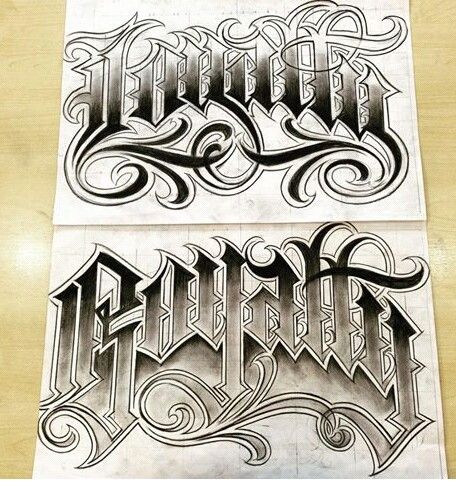
Chicano tattooing is not a single motif you pick from a flash sheet. It is a visual language built on script lettering, portrait realism, and smooth black-and-grey gradients. Placement decides whether that language reads clearly or collapses into a muddy silhouette. This guide focuses on body-flow decisions for three core elements: lettering, portrait transitions, and black-and-grey shading. It is written for collectors who already know they want Chicano work and need to plan where it goes.
Before you book, it helps to understand how your artist ranks against others in the style. You can review specialist rankings at /ranking/ and compare portfolios through /verified-studios/. If you are still refining your concept, a consultation via /tu-van/ can save you from a placement mistake that no amount of shading can fix.
Why Placement Is the First Technical Decision
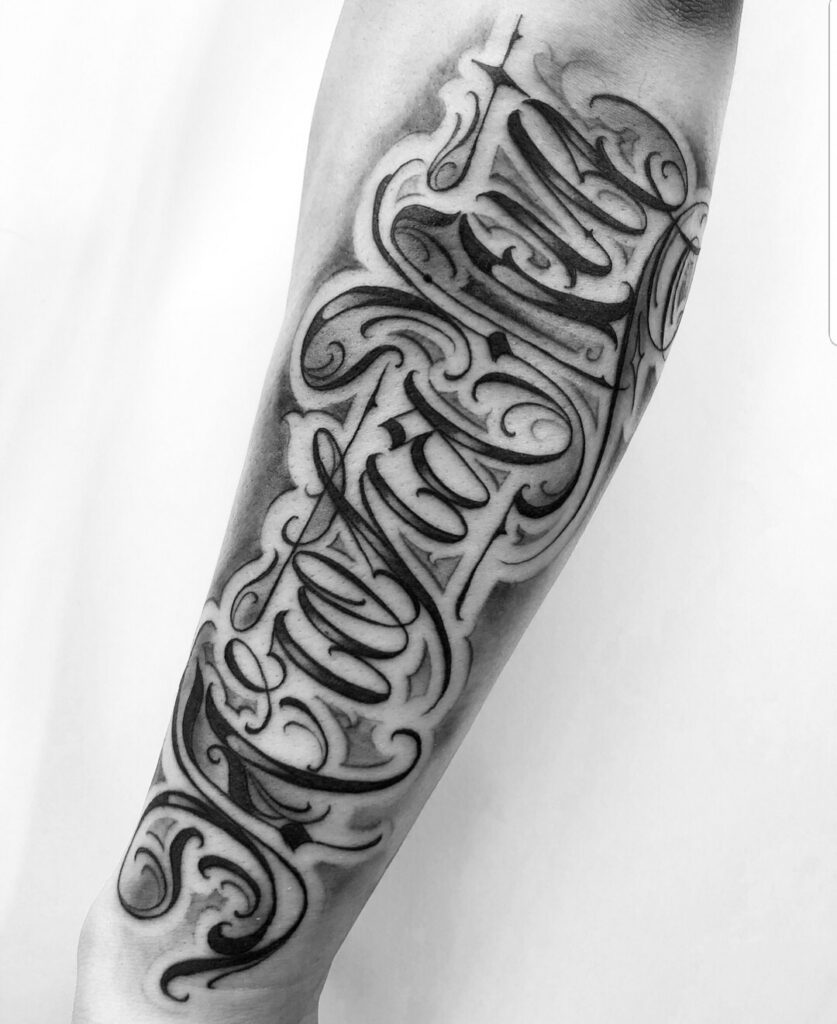
Chicano work relies on negative space and controlled contrast. The body is not a flat canvas. Curvature, muscle movement, and skin tension change how ink ages. A script that flows perfectly on a forearm may distort across a shoulder blade. A portrait that looks sharp on an inner bicep may lose detail on a calf where the skin stretches.
Three physical factors drive placement:
- Curvature: Convex surfaces (outer arm, calf) compress lettering; concave surfaces (inner arm, ribcage) hide detail from certain angles.
- Movement: Joints and high-flex areas cause ink to migrate and lines to thicken over time.
- Sun exposure: Black-and-grey shading fades faster on forearms, hands, and neck than on covered areas.
Chicano tattoos are usually executed in black-and-grey realism, fine line, and lettering. Some artists blend in dotwork for texture, but the core remains smooth gradients. If your artist suggests a graphic tattoo or watercolor tattoo approach for a Chicano piece, that is a red flag. The style depends on restraint, not saturation.
Lettering: Script, Block, and Body-Flow
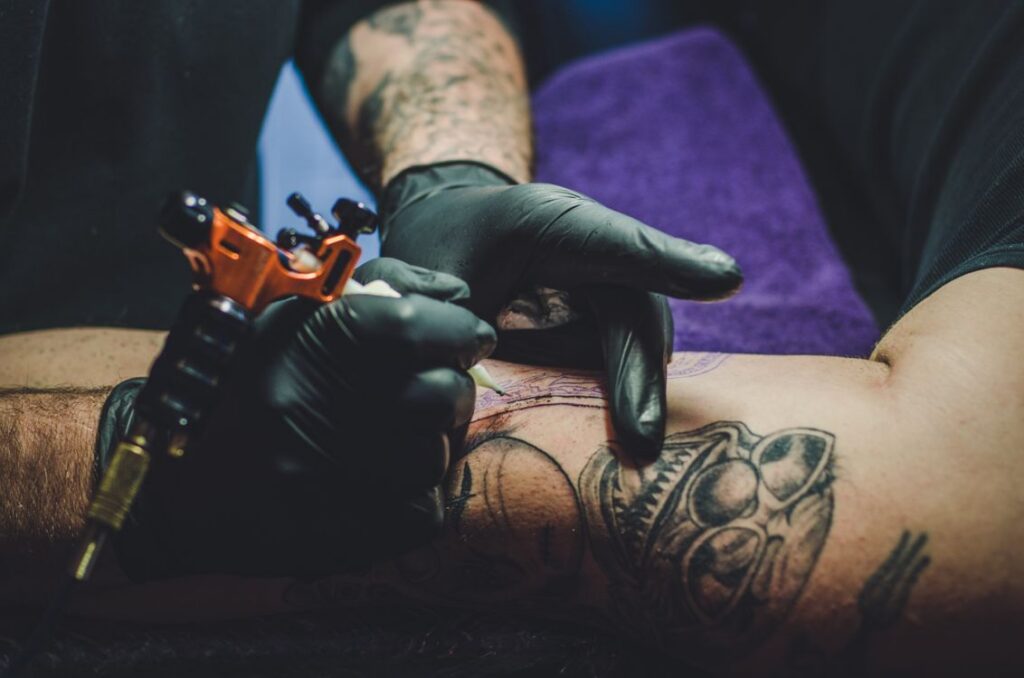
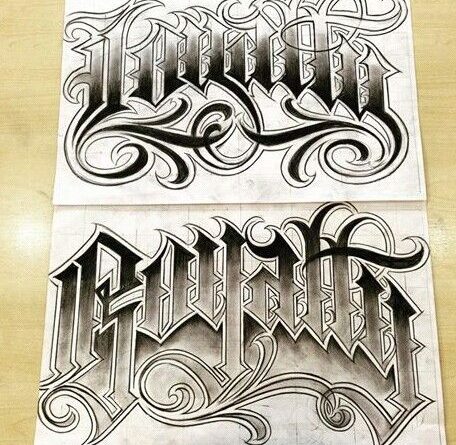
Chicano lettering is often cursive, calligraphic, or block-based. It can be a name, a phrase, a date, or a single word. The placement question is not just where it fits, but how it follows the body’s natural lines.
Forearm and Inner Bicep
The forearm is the most common placement for script. It offers a long, relatively flat surface. For a vertical script, run the text from elbow to wrist so it follows the arm’s axis. For a horizontal script, place it across the inner forearm where the skin is smooth. Avoid wrapping text around the forearm unless the artist has planned the distortion. A wrapped script can look like a bar code when the arm rotates.
Chest and Ribcage
Chest lettering works well for symmetrical phrases or names. The collarbone area is a natural frame. Ribcage lettering is more challenging because the skin moves with breathing. Fine line script on the ribs can blur within a few years. If you want ribcage lettering, go slightly larger and use a heavier weight. Blackwork lettering holds better than delicate fine line here.
Back and Spine
The spine is a vertical axis. Lettering placed along the spine should be centered and symmetrical. Off-center spine lettering looks accidental. For long phrases, consider a two-column layout on the upper back. The shoulder blades create natural panels. A skilled lettering artist will adjust the baseline to follow the scapula’s curve.
Ask your artist: “How will this script sit when I rotate my arm?” and “What happens to the thin strokes in five years?” A good answer includes specific line weights and a plan for negative space.
Portrait Transitions: Realism and Micro Realism
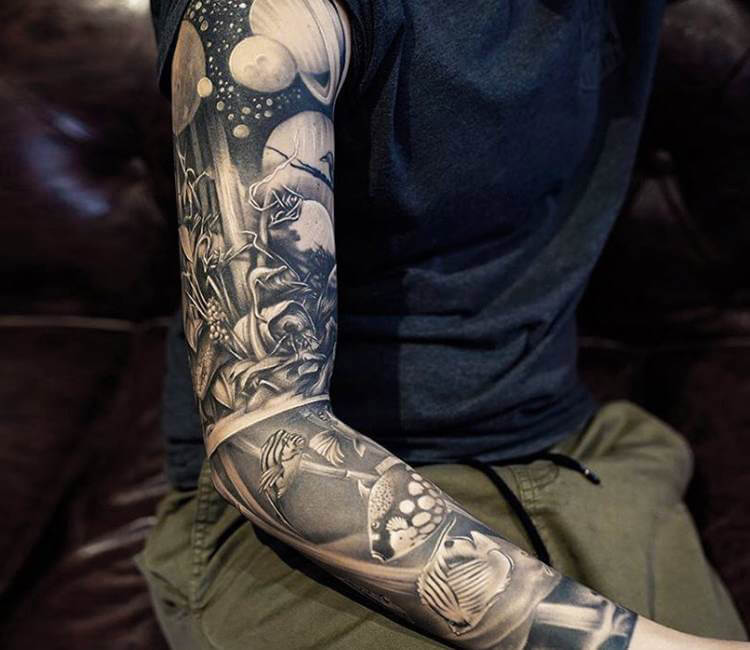
Portraits are the emotional center of many Chicano pieces. They are usually rendered in black-and-grey realism or micro realism. The transition from portrait to surrounding elements is where placement becomes critical.
Facial Features and Scale
Eyes, noses, and mouths need enough surface area to hold detail. A portrait smaller than a credit card will lose likeness. Micro realism can work at small scale, but it requires a specialist. If your artist suggests a tiny portrait on a finger or wrist, ask to see healed examples. Fingers and wrists are high-friction areas. Ink spreads. A face that looks sharp fresh can become a smudge.
Blending into Lettering and Background
Chicano portraits often transition into script or smoke-like shading. The transition should follow the body’s flow. On an upper arm, a portrait can fade into a background of soft black-and-grey clouds that wrap around the deltoid. On a thigh, the transition can run vertically, using the leg’s natural curve. The goal is to avoid a hard edge where the portrait ends and the background begins.
Dotwork can create a textured transition, but it must be consistent. Mixing dotwork with smooth gradients in the same transition zone can look patchy. Realism artists often use a combination of whip shading and packed black to create depth. Ask your artist which technique they will use for the transition.
Placement for Portraits
- Upper arm and shoulder: Good for medium to large portraits. The deltoid provides a rounded canvas.
- Forearm: Works for vertical portraits. Avoid horizontal portraits that cross the wrist.
- Chest: Excellent for symmetrical or centered portraits. The pectoral muscle gives a flat surface.
- Thigh: Large, flat, and easy to cover. Good for detailed realism.
- Back: The best canvas for full-piece Chicano work with multiple portraits and lettering.
If you are unsure about size, consult a specialist. You can estimate cost and session time using /uoc-tinh-gia-xam/, but remember that Chicano realism is rarely a one-session project.
Black-and-Grey Flow: Shading, Contrast, and Aging
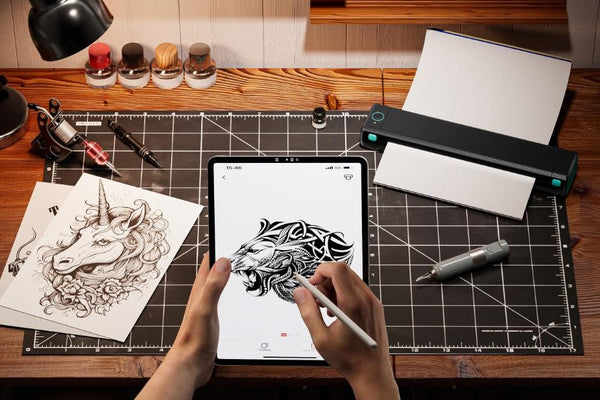
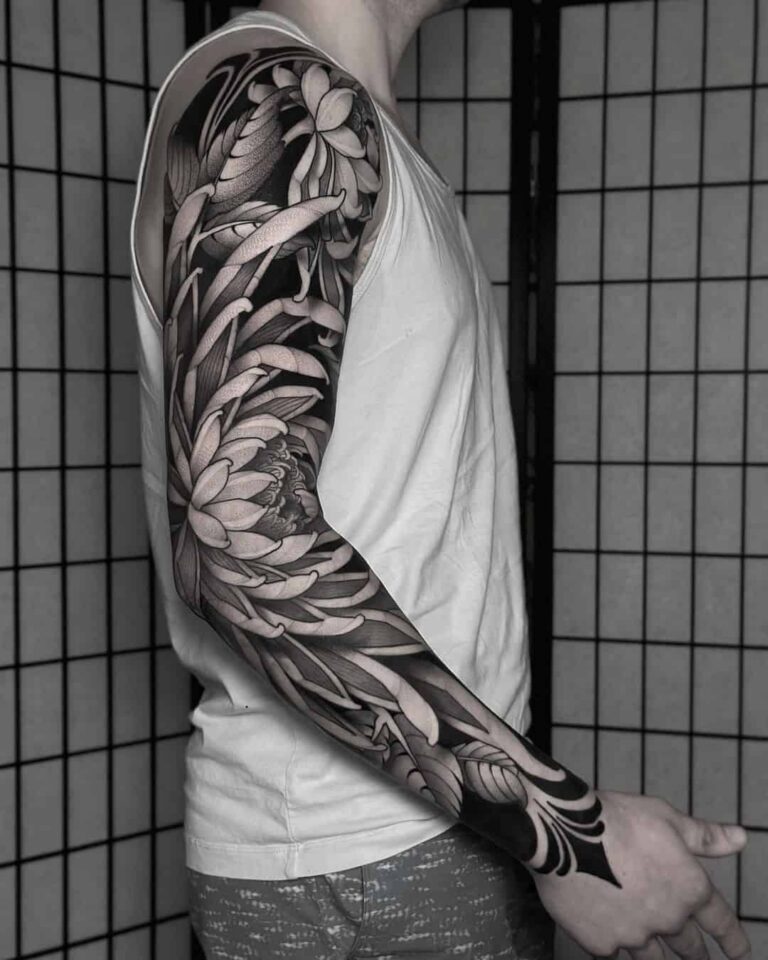
Black-and-grey is not just black ink diluted with water. It is a controlled use of grey wash, whip shading, and negative space. The flow of shading should follow the body’s contours. On a curved surface, the shading should be denser on the side that catches less light, creating a natural shadow.
Gradient Direction
Gradients should run along the body’s long axis. On a forearm, a gradient that runs from elbow to wrist looks natural. A gradient that runs across the forearm can look like a band. On a back piece, gradients should follow the spine and ribcage. This is where a specialist’s knowledge of anatomy matters.
Contrast and Negative Space
Chicano work relies on high contrast. Deep black areas next to untouched skin create impact. But negative space must be planned. If you leave too much skin, the piece looks unfinished. If you fill too much, it looks heavy. The artist should map negative space during the stencil phase.
Aging and Touch-Ups
Black-and-grey fades to a softer grey over time. Fine lines can blur. Packed black can spread. Areas exposed to sun age faster. Plan for touch-ups every few years. If you want a piece that holds up, choose a placement that is easy to cover and easy to maintain.
Checklist: Before You Commit
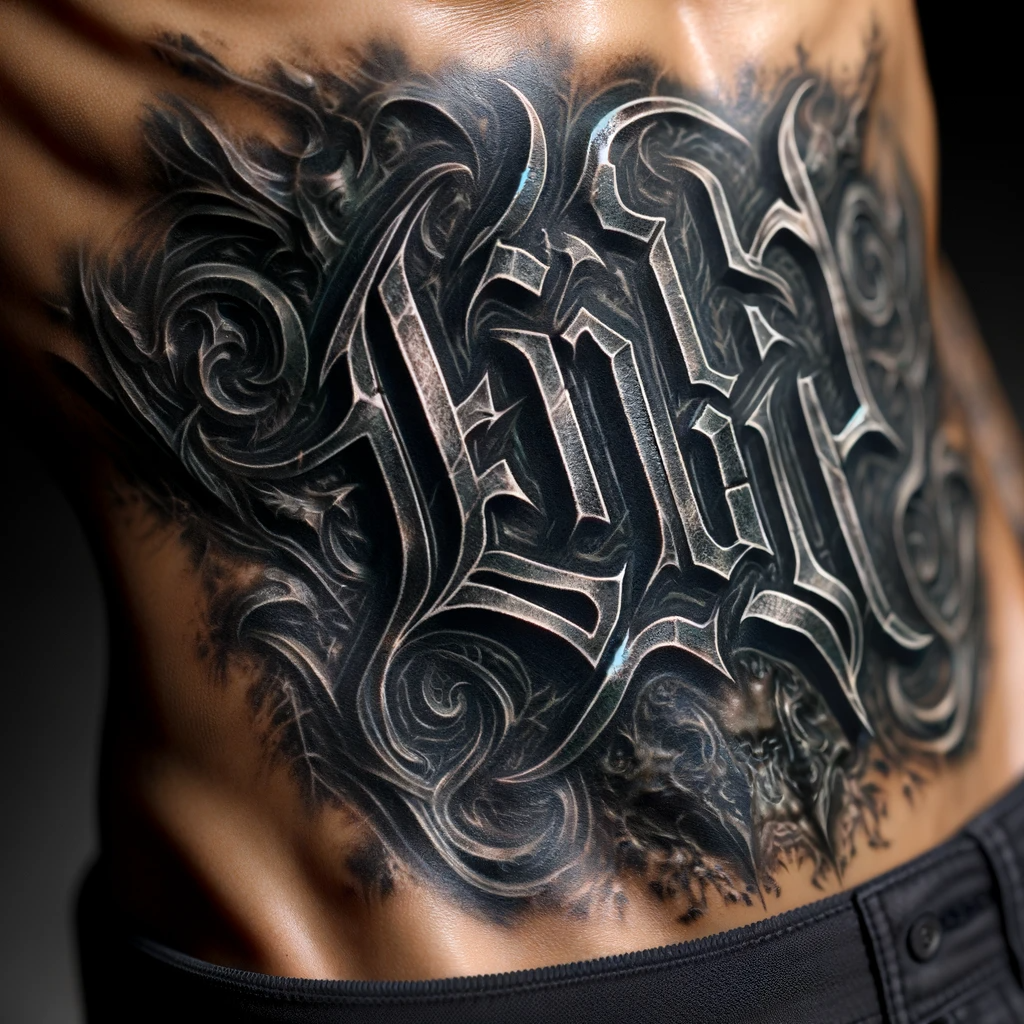
- Does the lettering follow the body’s natural lines?
- Is the portrait large enough to hold detail?
- Will the transition between portrait and background be smooth?
- Is the shading direction consistent with the body’s contours?
- Have you seen healed photos of similar work?
- Does the artist specialize in Chicano black-and-grey, not just general realism?
- Have you discussed aftercare and sun protection?
For studio vetting, use /studio/ and read editorial features at /tap-chi/.
FAQ
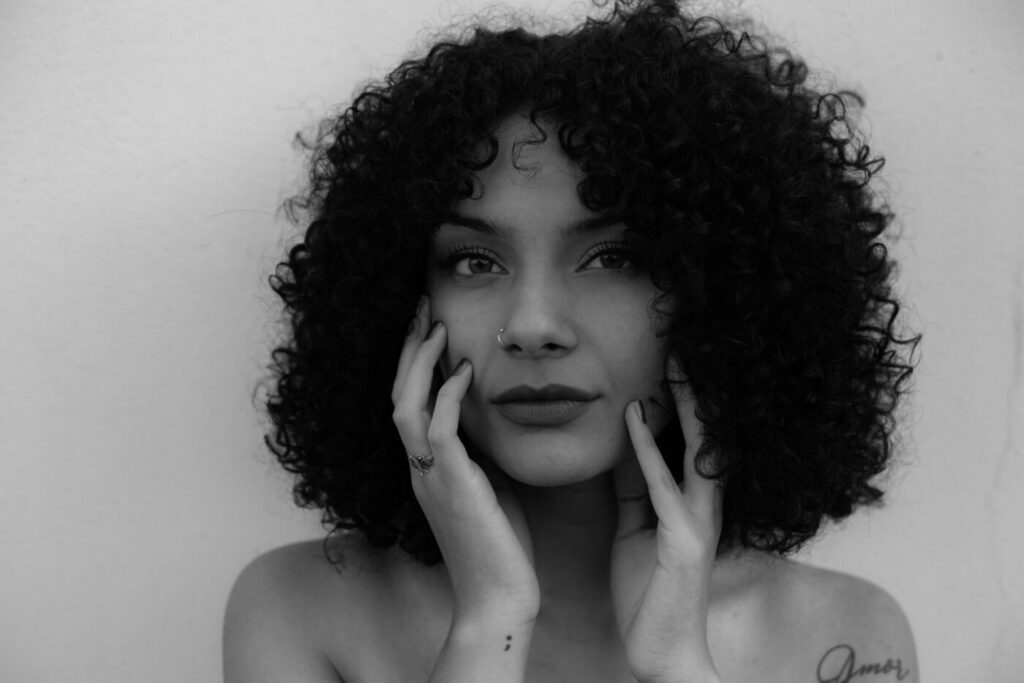
Can Chicano lettering be placed on the ribs?
Yes, but ribcage skin moves with breathing and is prone to blurring. Use a heavier line weight and avoid extremely fine scripts. Expect more frequent touch-ups.
How small can a Chicano portrait be?
For black-and-grey realism, a portrait should generally be at least palm-sized to hold likeness. Micro realism can go smaller, but only with a specialist and realistic expectations about aging.
What is the best placement for a full Chicano piece?
The back offers the largest continuous canvas and the best symmetry for lettering and portraits. Upper arms and thighs are also strong choices for medium to large work.
How do I know if my artist understands black-and-grey flow?
Ask to see healed work, not just fresh tattoos. Look for smooth gradients, consistent contrast, and transitions that follow the body. If the artist cannot explain their shading approach, keep looking.
Chicano tattoo placement is a technical decision, not an aesthetic afterthought. Treat it like architecture. The better the foundation, the longer the piece will read.
Content hub
Tattoo styles pillar
This article belongs to the styles cluster. Open the pillar page to compare Irezumi, Old School, Realistic, Blackwork, Fine line, Geometric and Watercolor.
Related reading
Continue reading

Chicano Tattoo Design Consultation Checklist: Lettering, Portrait Transitions, and Black-and-Grey Flow
A specialist consultation checklist for Chicano tattoos: lettering hierarchy, portrait transition zones, black-and-grey flow, and the booking questions…
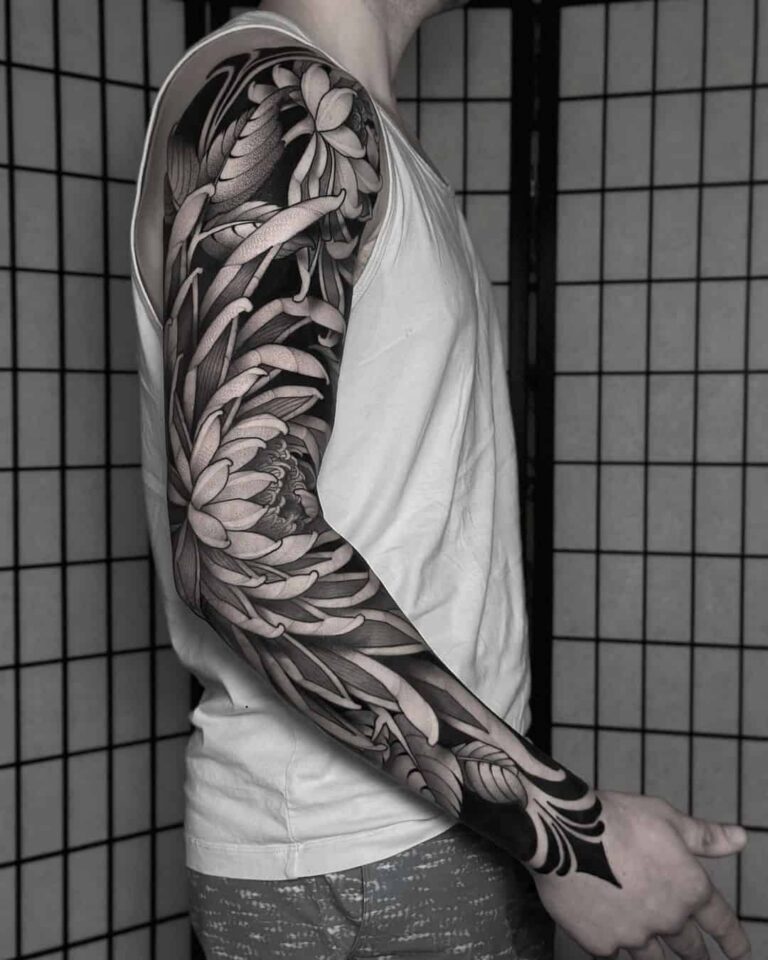
Illustrative Tattoo Healed Portfolio Review Guide: Shape Language, Focal Points, Readable Composition
A specialist guide to reviewing healed illustrative tattoo portfolios: shape language, focal points, readable composition, and the checks…
Illustrative Tattoo Placement: Shape Language, Focal Points, and Readable Composition
A specialist guide to illustrative tattoo placement: how shape language, focal hierarchy, negative space, and body-flow determine whether…