Blackwork Tattoo Placement & Body-Flow: The Editor’s Guide to Solid Saturation, Negative Space, and Skin Breaks
Introduction: Treating Blackwork as a Structural Discipline
Blackwork is not a single style—it’s a discipline. Whether you’re drawn to Geometric tattoo, Ornamental, Dotwork, or Graphic tattoo approaches, the common denominator is heavy black ink and a deliberate relationship with the skin. But unlike a fine-line piece that can hide inconsistencies, blackwork exposes every patchy pass, every uneven saturation, and every awkward curve. Placement and body-flow decisions are not afterthoughts; they are the blueprint. This guide is for tattooers and collectors who want to move beyond “will it fit?” and into the realm of engineered permanence.
Solid Saturation: The Non-Negotiable Foundation
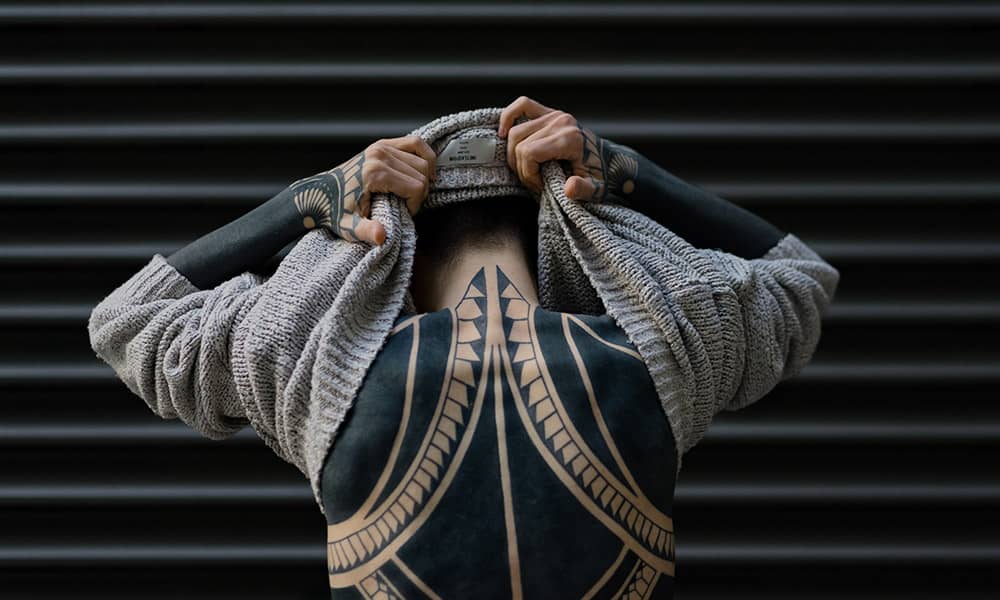
Before you even think about placement, you must understand what solid black requires. Saturation is achieved through multiple passes, proper needle depth, and skin tension—but the placement dictates how easy or difficult that will be. Thin skin over bone (collarbone, shin, ribs) is more prone to blowouts and requires a lighter hand, making solid fill riskier. Thicker skin (outer arm, thigh, calf) can take more punishment and yields a more uniform black. When planning a large blackwork piece, ask your artist: “How many passes will this area need to reach 100% opacity?” If the answer is “three or more,” consider whether the placement allows for multiple sessions without distorting the design.
Negative Space: Designing with the Skin as Canvas
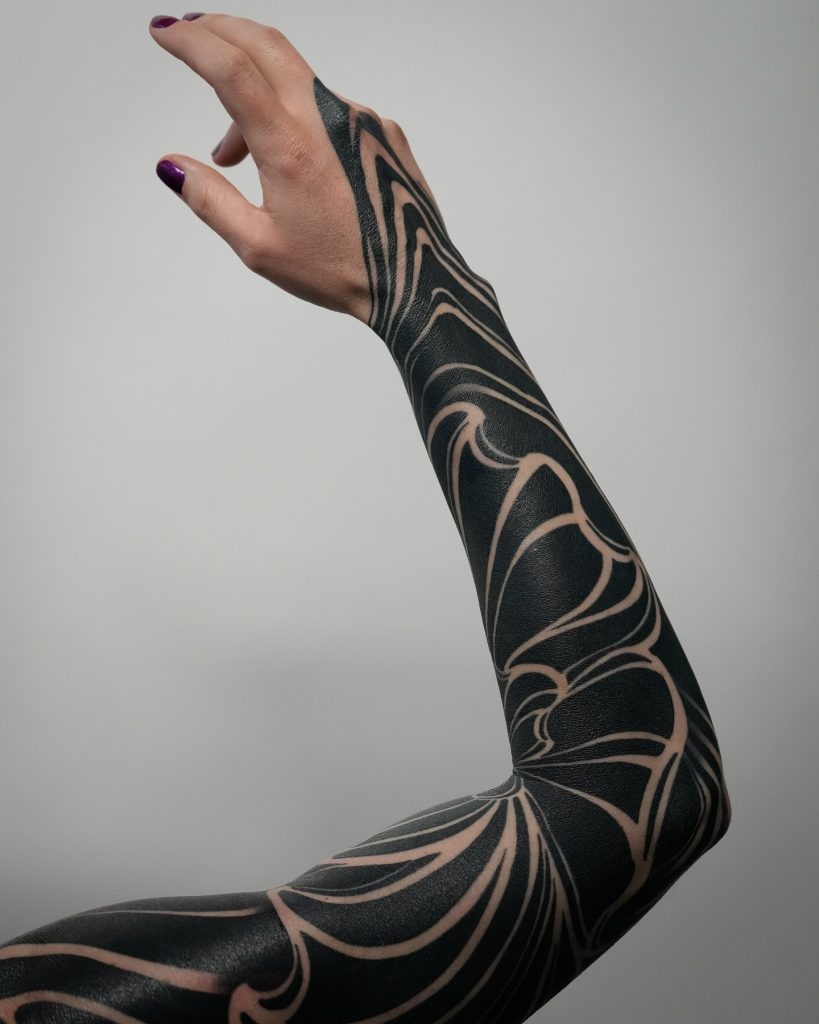
Negative space is the unsung hero of blackwork. It’s not just “un-tattooed skin”; it’s an active element that shapes the design. In Abstract tattoo and Geometric tattoo work, negative space can create optical illusions, depth, or a sense of movement. When choosing placement, think about how the natural contours of your body will interrupt or enhance those empty areas. A curved ribcage can bend a straight line, turning a static geometric pattern into a dynamic flow. Conversely, a flat area like the sternum can hold a symmetrical negative-space motif without distortion. Always ask: “What will happen to my negative space when I move?” Skin stretches, muscles flex—the design should adapt, not break.
Skin Breaks: The Breathing Room That Saves the Piece
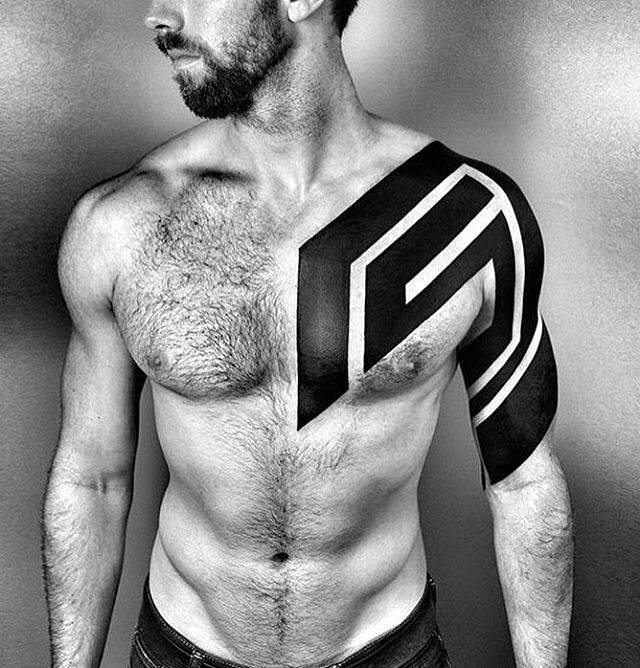
Skin breaks are deliberate gaps in the blackwork that allow the skin to breathe and the eye to rest. They are not mistakes; they are structural necessities. In large-scale blackwork, skin breaks prevent the piece from becoming a shapeless blob. Placement should consider where breaks will naturally occur—under the arm, behind the knee, or along the spine. These areas not only help with healing but also add a rhythm to the design. For example, a full sleeve with continuous blackwork can feel suffocating; a well-placed skin break at the inner elbow can highlight the arm’s flexion and create a visual pause. When planning, map out where your body naturally folds and bends—these are your prime skin-break zones.
Body-Flow: Working with the Musculature, Not Against It
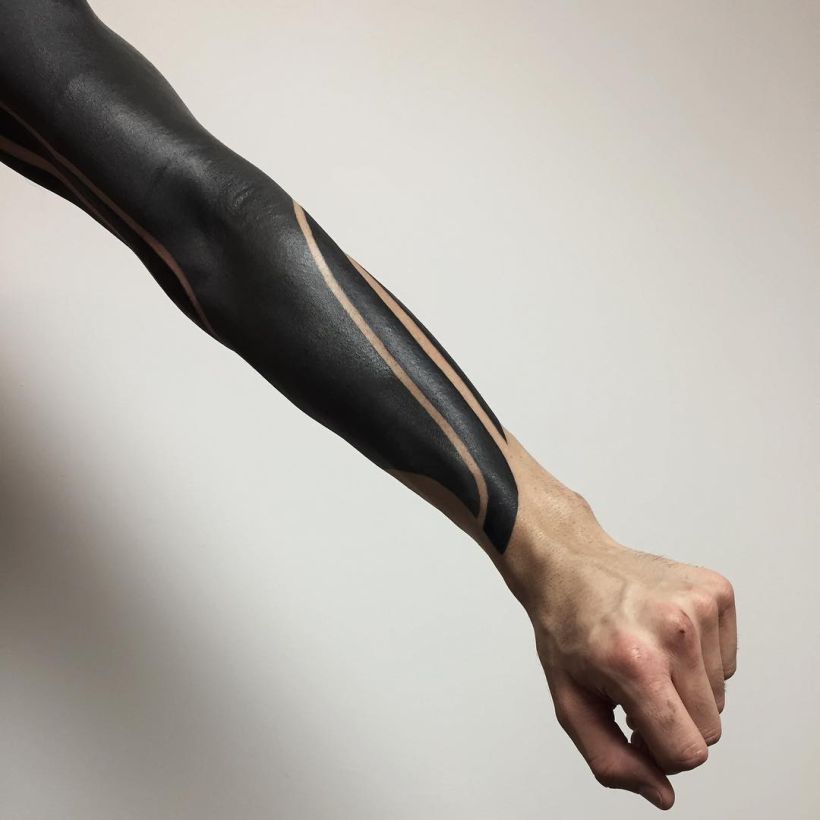
Body-flow is the art of aligning the tattoo’s lines and forms with the body’s natural anatomy. A skilled artist will study your musculature, posture, and movement patterns before inking. For blackwork, this is critical because heavy black shapes can visually flatten or distort the body if not oriented correctly. For instance, a vertical line down a quadriceps can elongate the leg, while a horizontal band across the bicep can make the arm look shorter. Japanese traditional and Neo-traditional artists have long understood this, using the body’s contours to frame motifs. In blackwork, you can borrow that logic: place a geometric pattern so that its lines follow the muscle fibers, creating a sense of motion even when you’re still.
Placement Decision Checklist
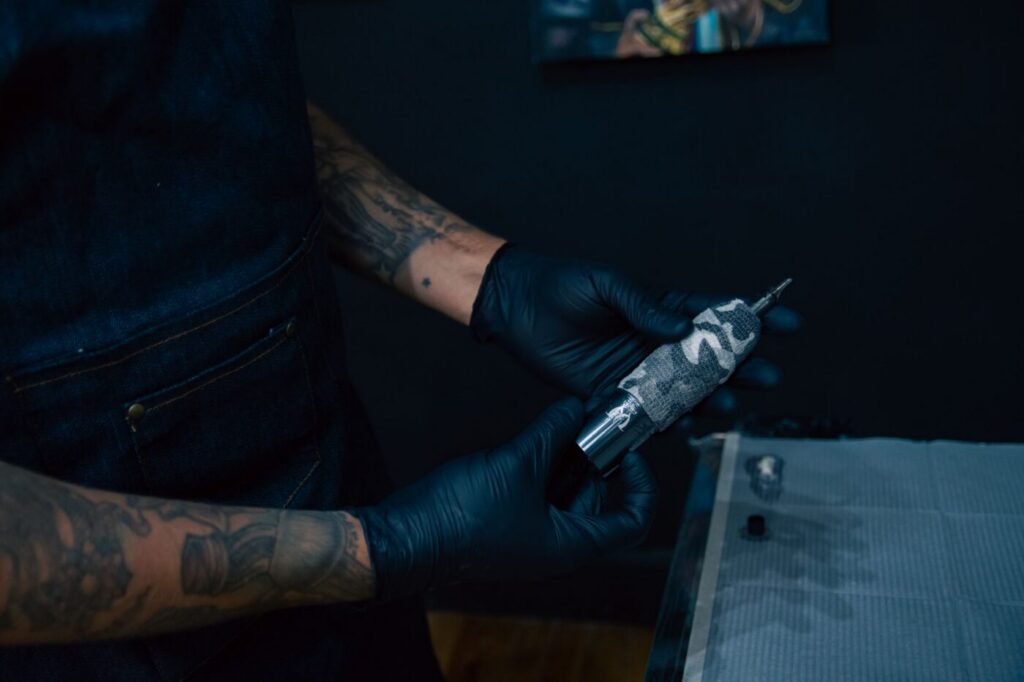
Before committing to a spot, run through this checklist with your artist:
- Skin thickness: Is the area prone to blowouts or scarring?
- Sun exposure: Will it fade unevenly over time?
- Visibility: Do you want it hidden or displayed?
- Flexibility: Will the design distort with movement?
- Pain tolerance: Are you prepared for the sensation?
- Future plans: Will this piece integrate with others?
For more on how to plan your tattoo journey, see our consultation guide.
Booking & Safety Questions to Ask
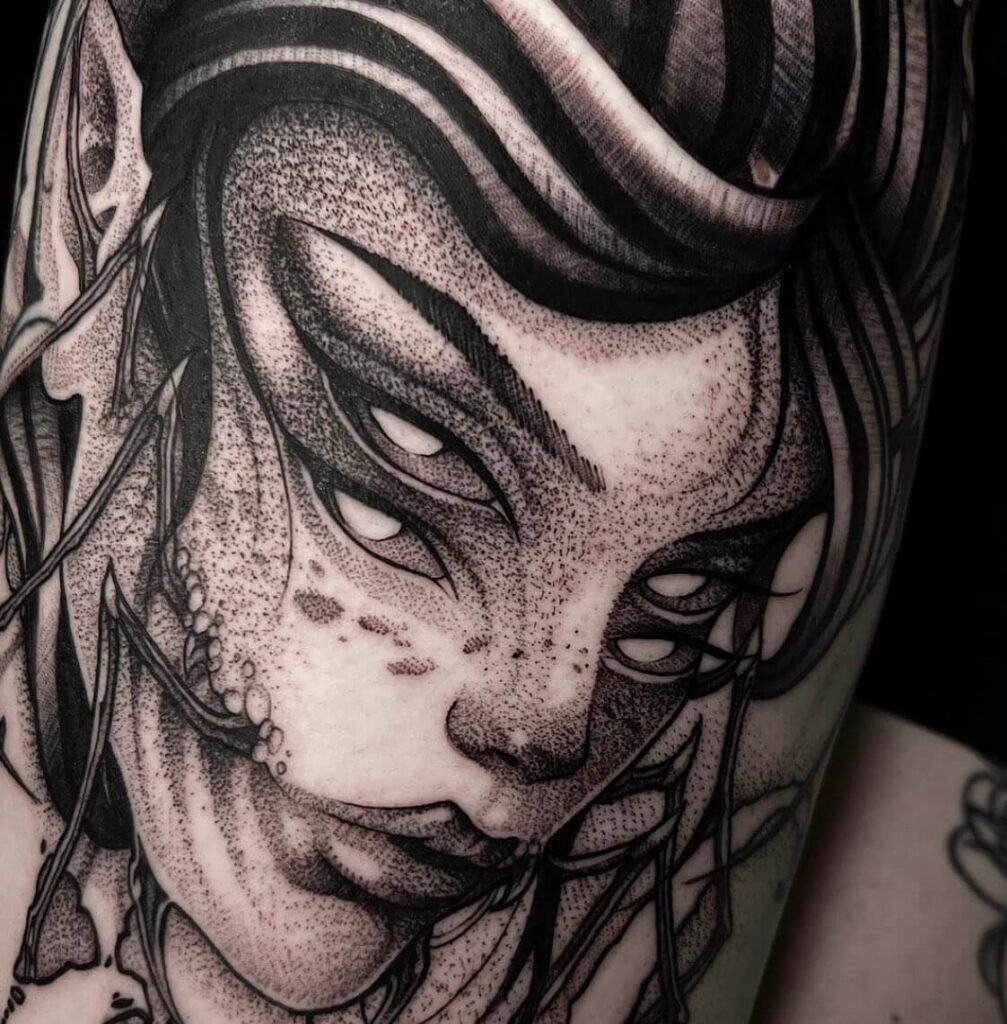
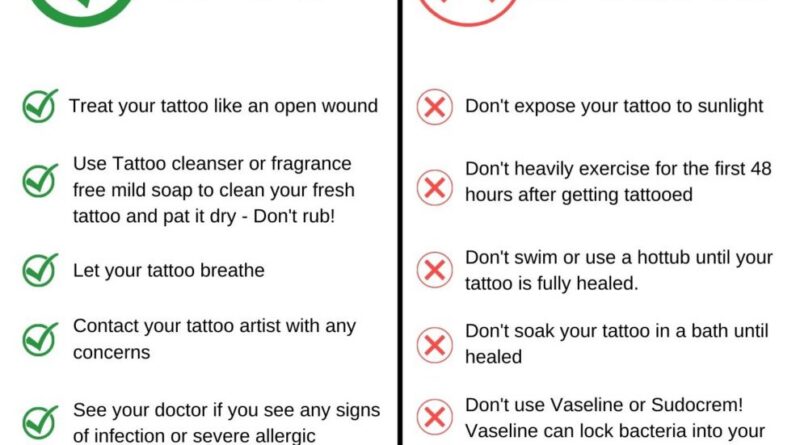
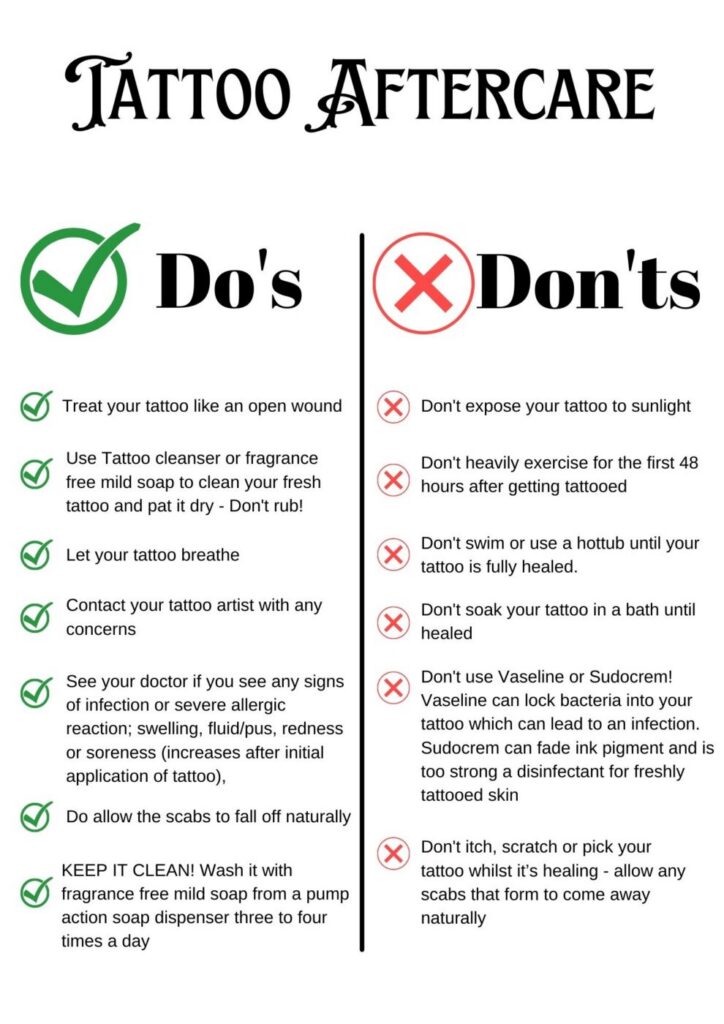
When you book a blackwork session, don’t just ask about price—ask about the artist’s approach to saturation and healing. Inquire about their aftercare protocols for heavy black areas, and whether they recommend a touch-up session after full healing. Also, ask about their experience with your chosen placement; a ribcage blackout is very different from a forearm piece. If you’re unsure about the artist’s credentials, check our verified studios directory. And always get a cost estimate upfront—use our price calculator to gauge a realistic range.
FAQ

1. How do I choose between a solid blackout and a design with skin breaks?
Consider the size and location. A small piece can handle solid saturation, but a large area needs breaks to avoid a monotonous look. Skin breaks also aid healing and reduce the risk of overworking the skin.
2. Can blackwork be done on thin skin areas like the ribs or collarbone?
Yes, but it requires an experienced artist who can adjust needle depth and pressure. Expect more pain and a higher risk of blowouts. Discuss the risks with your artist before committing.
3. How does body-flow affect the longevity of a blackwork tattoo?
Proper body-flow ensures the tattoo ages well because the design moves with your body, reducing distortion. A design that fights the body’s natural lines can stretch or warp over time.
4. What is the difference between blackwork and traditional tattoo styles?
Blackwork focuses on heavy black ink, often with geometric or abstract motifs, whereas traditional styles like Japanese traditional or Neo-traditional use color and specific imagery. Blackwork can incorporate elements of those styles but prioritizes black saturation.
Final Thoughts
Blackwork is a commitment to permanence. It demands respect for the skin, the ink, and the body’s architecture. By focusing on solid saturation, negative space, and skin breaks, you can create a piece that not only looks striking today but continues to age gracefully. For more inspiration, browse our top tattoo rankings or explore our magazine for in-depth style guides.
Read more
- Magazine for more tattoo knowledge, style guides and aftercare notes.
- Request a consultation if you need help with style, placement or preparation.
- Marketplace for equipment, supplies and learning resources.
Content hub
Tattoo styles pillar
This article belongs to the styles cluster. Open the pillar page to compare Irezumi, Old School, Realistic, Blackwork, Fine line, Geometric and Watercolor.
Related reading
Continue reading
Lettering Tattoo Healed Portfolio Review: Kerning, Baseline & Placement Distortion
A specialist healed-portfolio review guide for Lettering tattoos, focused on kerning, baseline control and placement distortion. Includes concrete…
Lettering Tattoo Placement: A Specialist Guide to Kerning, Baseline Control, and Body-Flow Distortion
A specialist guide to lettering tattoos focusing on kerning, baseline control, and placement distortion. Learn how to plan…
Lettering Tattoo Design Consultation Checklist: Kerning, Baselines, and Placement Distortion
A specialist consultation checklist for lettering tattoos covering kerning, baseline control, and placement distortion. Includes practical tests, booking…