Blackwork Healed Portfolio Review: Saturation, Negative Space & Skin Breaks
Why Healed Work Is the Only Honest Portfolio
Fresh blackwork photographs lie. They flatter saturation, hide blowouts, and mask poor skin breaks. A healed portfolio—six months to two years after the needle—reveals how pigment settles, how negative space holds, and how the design ages under real-world conditions. This guide is for collectors and artists who want to judge blackwork with a specialist’s eye, focusing on three pillars: solid saturation, intentional negative space, and skin breaks that breathe.
Before you book or buy, understand this: blackwork is not a style, it’s a discipline. It spans Fine line, Dotwork, Geometric tattoo, Abstract tattoo, Graphic tattoo, and even Realism and Micro realism. But the principles of healed review remain constant. Let’s break them down.
Solid Saturation: The Non-Negotiable Baseline
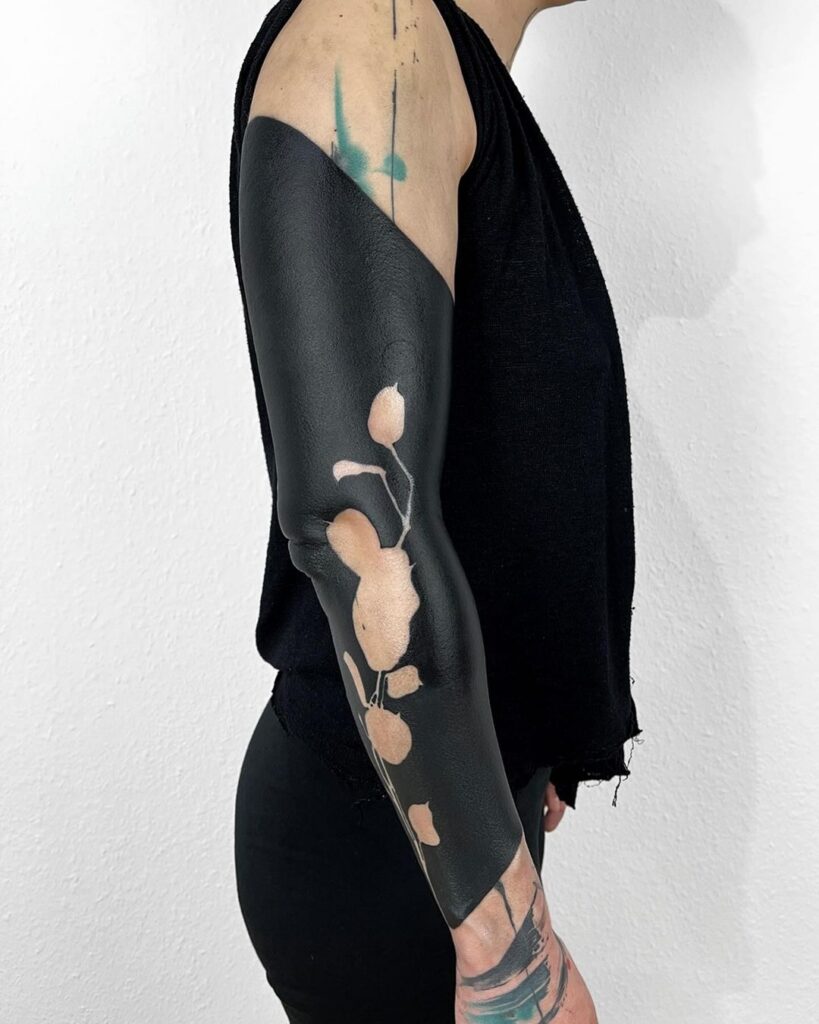
Saturation means the black is dense, even, and opaque—no gray patches, no skin peeking through where it shouldn’t. In healed work, saturation is the first thing to check because it determines contrast and longevity.
How to Test Saturation on Healed Skin
- Light check: In natural light, tilt the tattoo. If the black reflects light like a mirror, it’s likely overworked or scarred. Healthy healed black should be matte, not shiny.
- Color depth: Compare the black to a fresh black marker line on white paper. Healed black will never be as dark, but it should be close—not gray-brown.
- Patchiness: Look for uneven areas, especially in large fills. Patchiness often means the artist used too light a hand or didn’t pack enough passes.
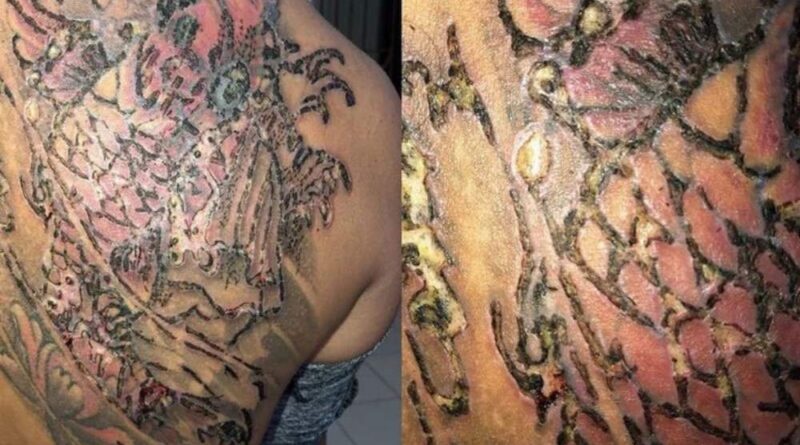
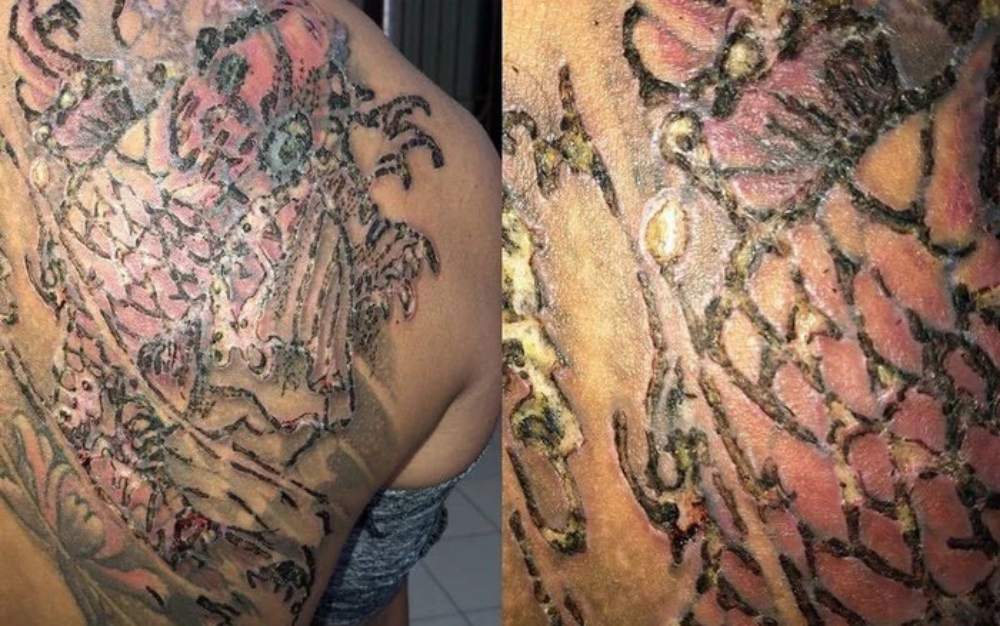
- Blowouts: Check edges for blue-black halos under the skin. A few tiny blowouts are common, but widespread blurriness is a red flag.
Realistic caveat: Skin type matters. Oily skin tends to reject pigment faster; dry skin holds it better. Also, black heals differently on different body parts—inner arms heal darker than ribs. A healed portfolio should include multiple body placements to show versatility.
What to Ask the Artist
- “How many passes do you typically do for a solid black fill?”
- “Do you use a specific needle configuration for packing?”
- “How do you adjust for different skin types?”
If the artist can’t answer these clearly, move on. Saturation is a technical skill, not a mystery.
Negative Space: The Art of the Uninked
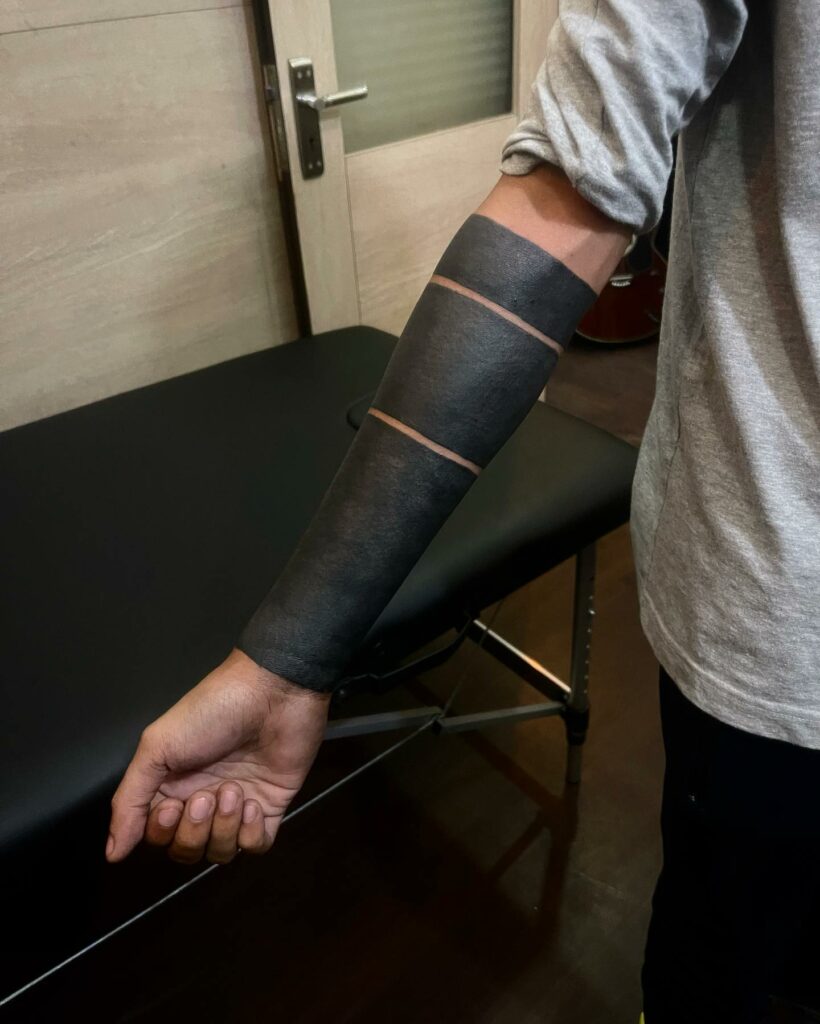
Negative space is the uninked skin that forms part of the design—it’s the white in a blackwork piece. In healed tattoos, negative space is where problems surface: skin texture, scars, and pigment migration can ruin the illusion.
Healed Negative Space Checklist
- Clean lines: The borders between black and skin should be crisp. If they’re blurred, the artist’s hand wasn’t steady or the design was too ambitious.
- Skin texture: Negative space should look like normal skin, not red, irritated, or scarred. If it’s raised, the artist overworked the area.
- Contrast: The black should be dark enough to make the negative space pop. If the black has faded to gray, the negative space loses impact.
- Intentionality: Does the negative space form a recognizable shape (e.g., a face profile, a geometric pattern) or is it just empty gaps? The best blackwork uses negative space as a deliberate design element.
Examples: A Geometric tattoo with a hidden face in the gaps; a Realism piece where light is created by leaving skin bare. Healed, these elements should still read clearly.
Common Negative Space Failures
- Muddy transitions: If the artist used too many gray washes to blend into negative space, the healed result can look dirty.
- Skin breaks that close up: In areas with high movement (like joints), skin breaks can spread or distort. Check how the design holds when the body is in motion.
- Scarring in negative space: Overlapping passes to “fix” a mistake can cause scarring, which shows up as shiny, raised lines.
Remember: negative space is not just “empty” skin—it’s part of the composition. A healed review should ask: “Does the negative space still serve the design?”
Skin Breaks: The Secret to Longevity
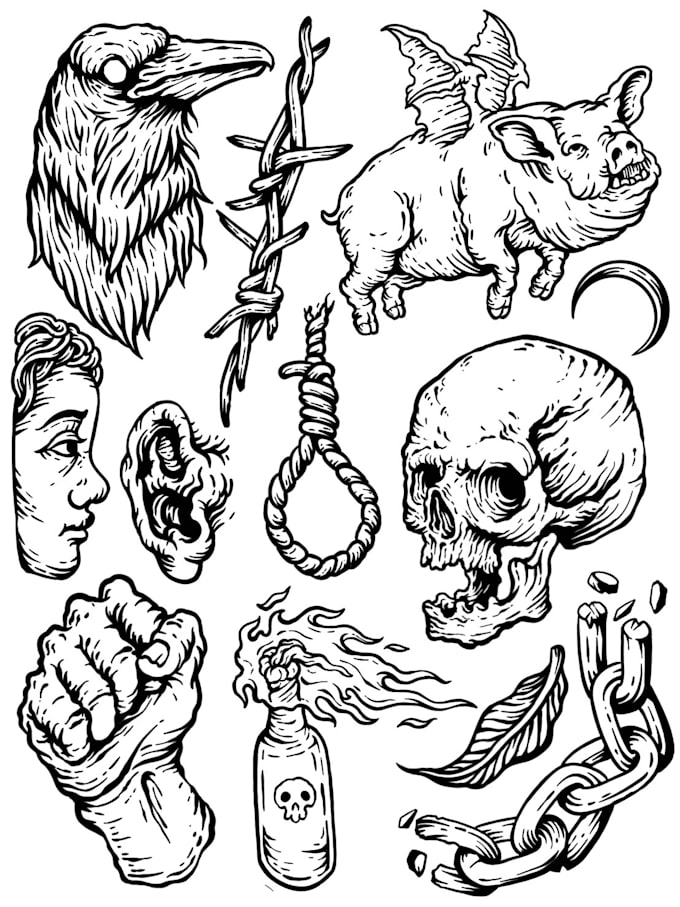
Skin breaks are intentional gaps in the blackwork that allow the skin to breathe and the design to age gracefully. They are not the same as negative space—skin breaks are often small, strategic openings that prevent the tattoo from becoming a solid blob over time.
Why Skin Breaks Matter
- Prevents ink spreading: Over time, black ink spreads slightly. Skin breaks give the ink room to expand without merging into a mess.
- Allows for touch-ups: If a solid black area fades, it’s harder to fix. Skin breaks can be re-inked without disrupting the overall design.
- Improves healing: Large solid black areas can trap heat and slow healing. Skin breaks help the skin recover faster.
How to Evaluate Skin Breaks in Healed Work
- Size and placement: Skin breaks should be proportional to the tattoo. In a large piece, they might be the size of a fingernail; in a small piece, they might be tiny slivers.
- Shape: They can be oval, teardrop, or organic—but they should look intentional, not like mistakes.
- Consistency: If the artist used skin breaks in some areas but not others, the design may look unbalanced. Check for a pattern.
- Healed appearance: Skin breaks should remain clean and uninked. If they’ve filled in with pigment, the artist didn’t leave enough room.
Examples: In a Japanese traditional sleeve, skin breaks are often used to separate waves from wind bars. In Ornamental blackwork, they create lace-like patterns. In Abstract tattoo, they can be random but still balanced.
Skin Breaks vs. Negative Space: A Quick Distinction
- Negative space is a large area that forms a design element (e.g., a white flower).
- Skin breaks are small, functional gaps that aid healing and longevity.
Both are crucial, but they serve different purposes. A healed review should identify which is which.
Building Your Healed Portfolio Review Checklist
When you’re at the studio or scrolling through an artist’s verified portfolio, use this checklist to guide your eyes.
Checklist for Collectors
- [ ] Ask for healed photos, not just fresh ones. If the artist doesn’t have any, be wary.
- [ ] Look for photos taken in natural light, not studio lighting.
- [ ] Check for consistent saturation across all healed pieces.
- [ ] Examine negative space for clarity and intentionality.
- [ ] Look for skin breaks that have held up over time.
- [ ] Compare the artist’s healed work across different body parts and skin types.
- [ ] Ask about the age of the healed tattoos (6 months, 1 year, 2 years+).
Checklist for Artists
- [ ] Document your healed work systematically—same angle, same lighting.
- [ ] Note the healing process for each piece (e.g., “healed at 8 months, oily skin”).
- [ ] Be honest about challenges—if a piece didn’t heal perfectly, say so and explain why.
- [ ] Use a consistent scale (e.g., a coin) to show size.
- [ ] Include close-ups of saturation, negative space, and skin breaks.
For artists, a healed portfolio is your best marketing tool. It shows you care about the long-term result, not just the Instagram moment.
Booking and Safety: What to Discuss Before the Needle
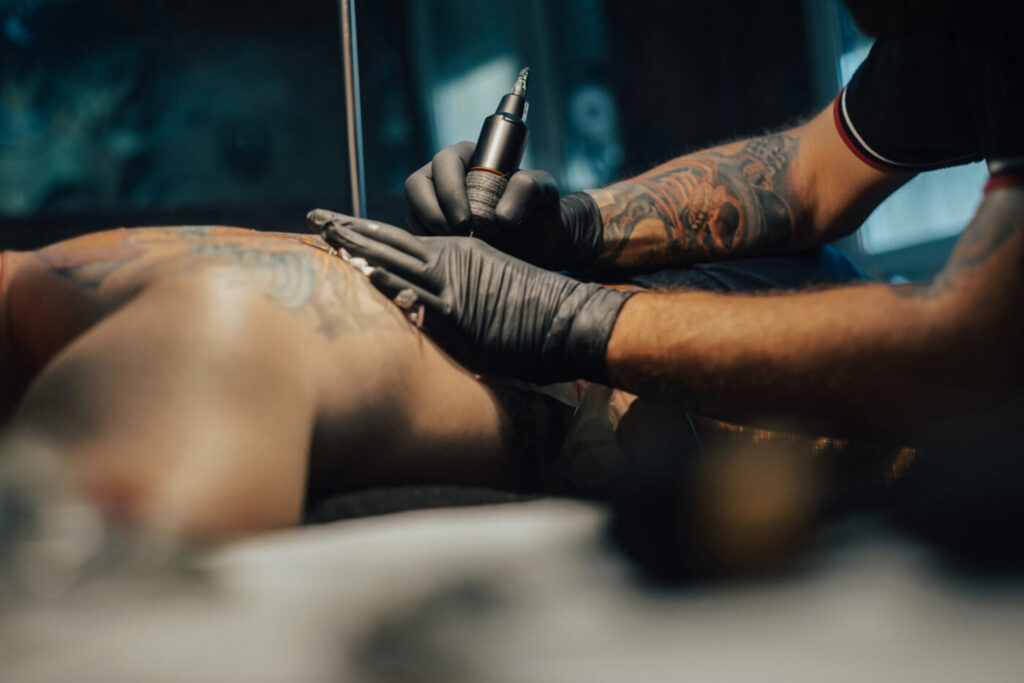
Before you book, have a conversation that goes beyond style. Use these questions to gauge the artist’s expertise.
- Saturation: “How do you ensure solid black heals evenly? What do you do if a client’s skin doesn’t take ink well?”
- Negative space: “How do you plan negative space for a piece that will be visible from a distance?”
- Skin breaks: “Where will you place skin breaks and why?”
- Healing: “What aftercare do you recommend to protect saturation and negative space?”
Also, ask to see pricing estimates and check the studio’s hygiene standards. A professional will be happy to answer.
FAQ: Healed Blackwork Questions Answered
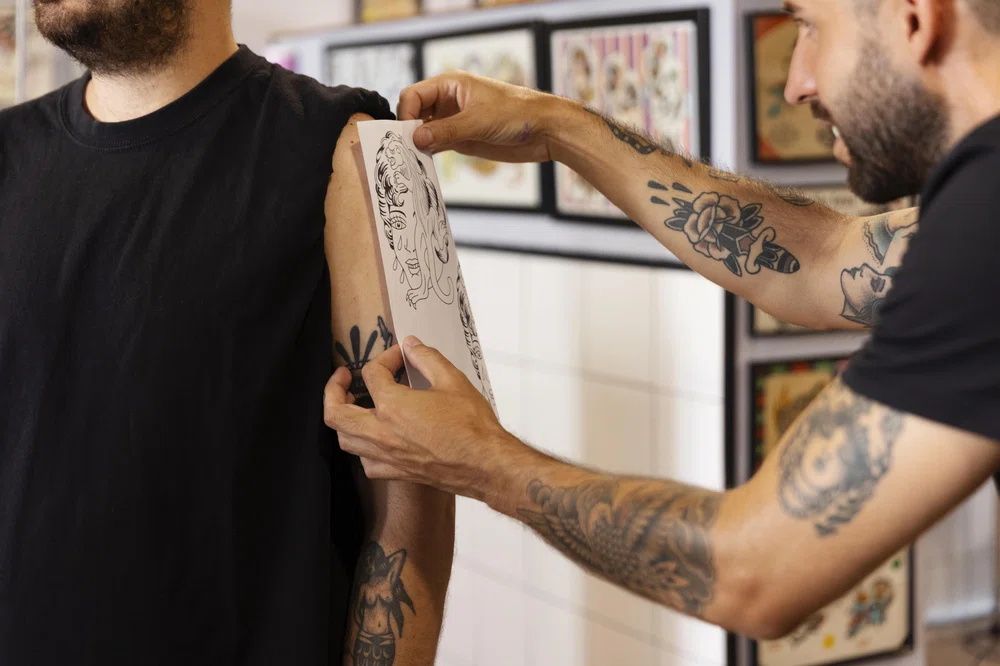
1. How long should I wait before judging a healed blackwork tattoo?
At least 6 months for the skin to fully settle. For a true test of saturation and skin breaks, wait 1–2 years. Fresh tattoos always look better than healed—that’s normal.
2. Can I fix a patchy healed blackwork tattoo?
Yes, but only after it’s fully healed (6+ months). A skilled artist can re-pack the black, but be careful—overworking can cause scarring. Always consult a specialist.
3. What causes blackwork to fade unevenly?
Sun exposure, skin type, and depth of ink placement. Uneven fading often means the artist didn’t achieve consistent depth. A healed portfolio review should catch this.
4. Are skin breaks necessary in every blackwork tattoo?
Not every piece needs them, but they’re a sign of an experienced artist. In large solid areas, skin breaks prevent the “black blob” effect and aid healing. If an artist never uses them, ask why.
Ready to evaluate your next artist? Check out our artist rankings and studio guides to make an informed choice. And if you’re planning a piece, use our price calculator to budget realistically.
Content hub
Tattoo styles pillar
This article belongs to the styles cluster. Open the pillar page to compare Irezumi, Old School, Realistic, Blackwork, Fine line, Geometric and Watercolor.
Related reading
Continue reading
Lettering Tattoo Healed Portfolio Review: Kerning, Baseline & Placement Distortion
A specialist healed-portfolio review guide for Lettering tattoos, focused on kerning, baseline control and placement distortion. Includes concrete…
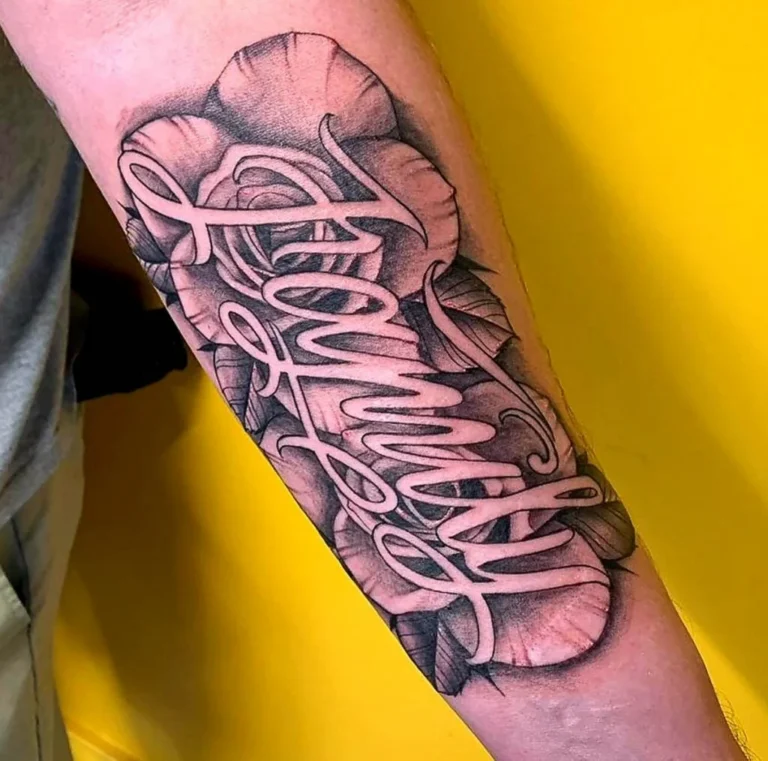
Lettering Tattoo Placement: A Specialist Guide to Kerning, Baseline Control, and Body-Flow Distortion
A specialist guide to lettering tattoos focusing on kerning, baseline control, and placement distortion. Learn how to plan…
Lettering Tattoo Design Consultation Checklist: Kerning, Baselines, and Placement Distortion
A specialist consultation checklist for lettering tattoos covering kerning, baseline control, and placement distortion. Includes practical tests, booking…