
Black and Grey Tattoo Design Consultation: A Specialist Checklist for Value, Gradients, and Long-Term Contrast
Why a Black and Grey Consultation Is Different
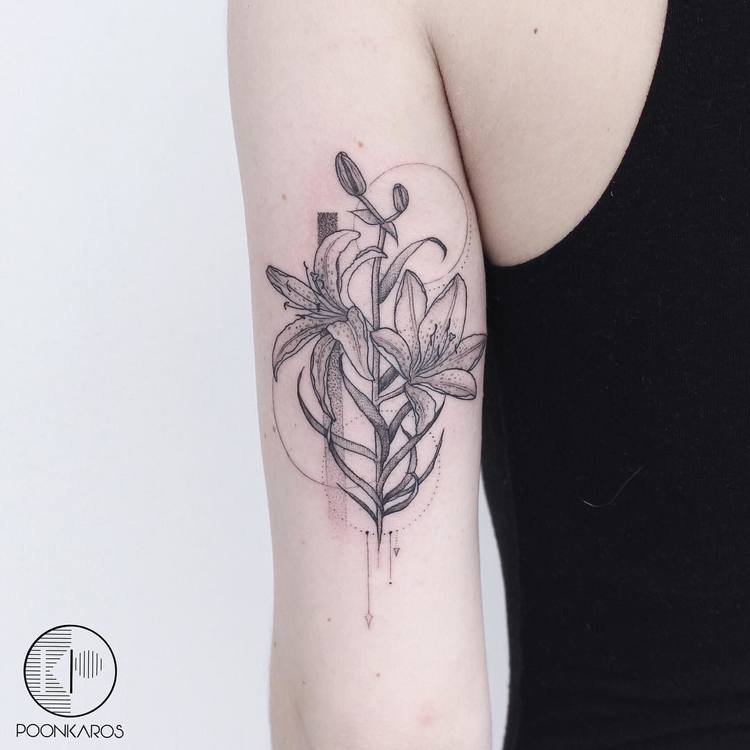
Black and grey tattooing is not simply a color choice. It is a discipline built on value control, gradient smoothness, and the deliberate management of contrast over decades. As a client, you are not booking a style; you are commissioning a technical performance. This guide narrows the consultation to the three pillars that determine success: value range, smooth gradients, and long-term contrast. Use it as a checklist to ask the right questions, evaluate your artist’s plan, and avoid the most common pitfalls.
Before the Meeting: Know Your Reference Points
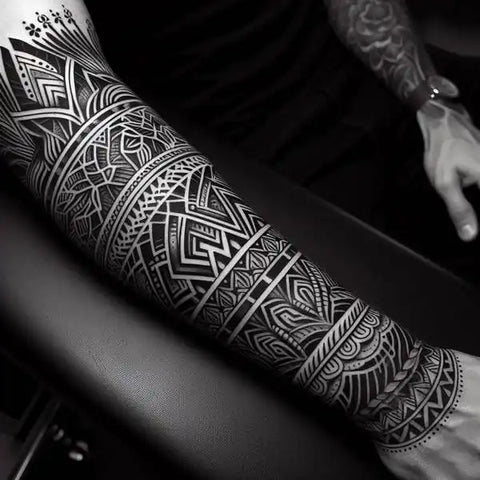
Bring references that show gradation, not just subject matter. A portrait in soft light, a sphere with a clear highlight, or a geometric piece with subtle shading will tell the artist more than a collage of random tattoos. If you prefer Fine line or Dotwork, find examples that demonstrate how the artist transitions from light to dark. For Realism or Micro realism, look for skin texture and depth. For Geometric or Abstract tattoo, focus on how the artist uses negative space and value to create dimension. Avoid bringing only blackwork that is solid and flat—that does not test gradient skill.
Value Range: The Foundation of Depth

Value range refers to the spectrum from the lightest skin tone to the darkest black. A common mistake is thinking that more black equals more contrast. In reality, contrast is created by the difference between adjacent values. Ask your artist: “How will you map the value scale for this design?” A professional should articulate a plan that includes a light source, a mid-tone strategy, and a darkest point. For example, in a Realism piece, the darkest areas (like pupils or deep shadows) should be pure black, but they must be isolated so they do not muddy the entire piece. In Geometric tattoo, value can be used to create optical illusions—ask how the artist will balance light and dark to make the pattern pop.
Checklist for Value Range
- Does the artist sketch or digitally mock up a value scale?
- Are there at least 5 distinct value steps from light to dark?
- Is the light source consistent across the design?
- Will any area be left as bare skin to serve as the highlight?
Smooth Gradients: The Art of the Blend
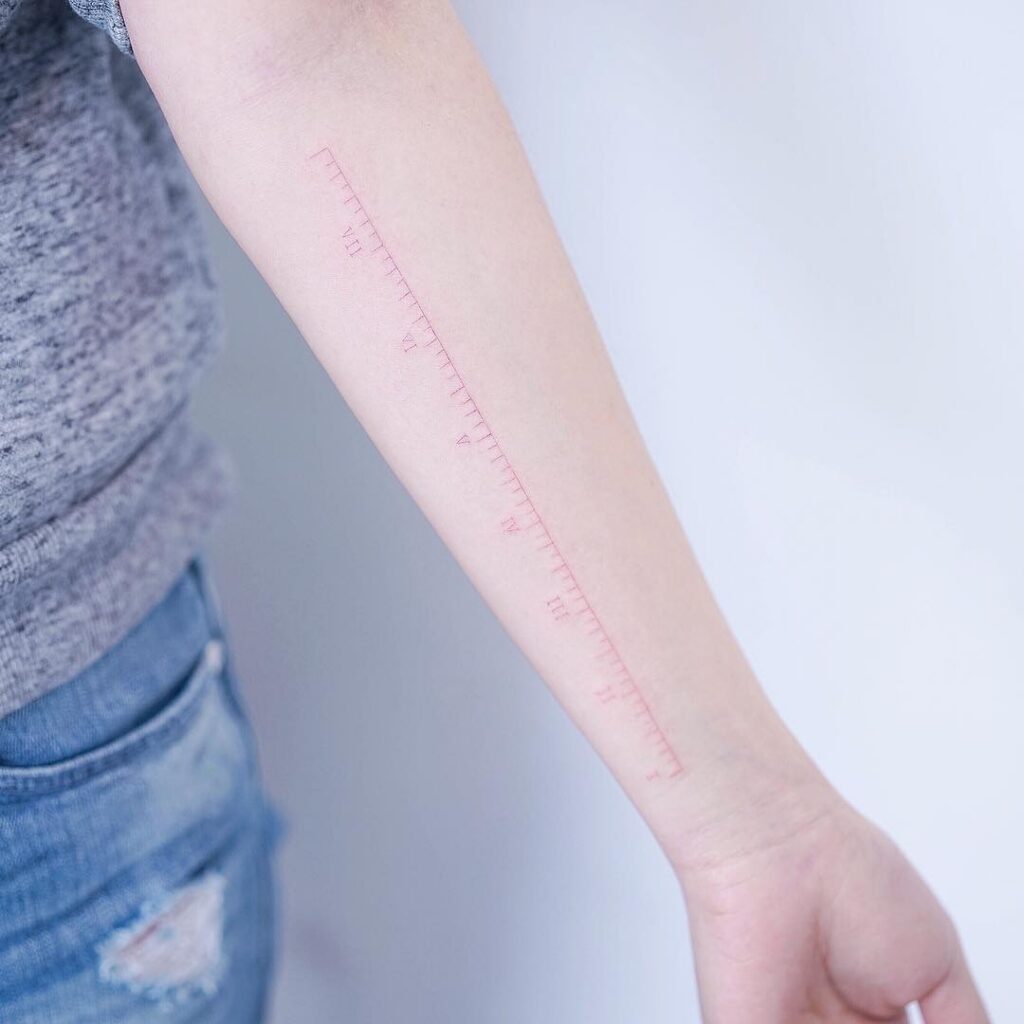
Smooth gradients are the hallmark of skilled black and grey work. A gradient should transition seamlessly, with no visible lines, patchiness, or “muddy” zones. Techniques vary: Dotwork uses stippling to create a gradient, Fine line relies on delicate lines, and Blackwork often uses whip shading or stippling. During the consultation, ask to see healed photos of gradients—specifically, areas where light meets dark. A good artist will have examples that show soft transitions over large areas, like a sky or a shadow.
Questions to Ask About Gradients
- What technique will you use for the softest transitions?
- How do you avoid overworking the skin, which can lead to blowouts or scarring?
- Can you show me healed examples of your gradients, not just fresh tattoos?
- How will you adjust the gradient for different skin tones and textures?
Long-Term Contrast: Designing for Aging Skin
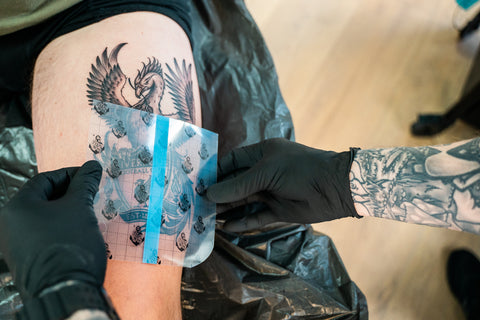
Tattoos age. Ink spreads, skin changes, and contrast diminishes. A consultation must address this reality. Ask: “How will this design look in 10 or 20 years?” A specialist will plan for contrast by using open space, strategic black areas, and avoiding overly fine details that will blur. For example, a Micro realism portrait may look stunning fresh, but if the artist does not leave enough negative space, it may become a dark blob. Neo-traditional and Japanese traditional are known for their longevity because they use bold outlines and limited value ranges. Even if you prefer a more delicate style, the artist should explain how they will maintain readability.
Longevity Checklist
- Will the design have a clear silhouette or focal point?
- Are there any areas that will likely blur together over time?
- How large does the tattoo need to be to hold the detail?
- What is the artist’s policy on touch-ups for fading or spread?
Style-Specific Considerations

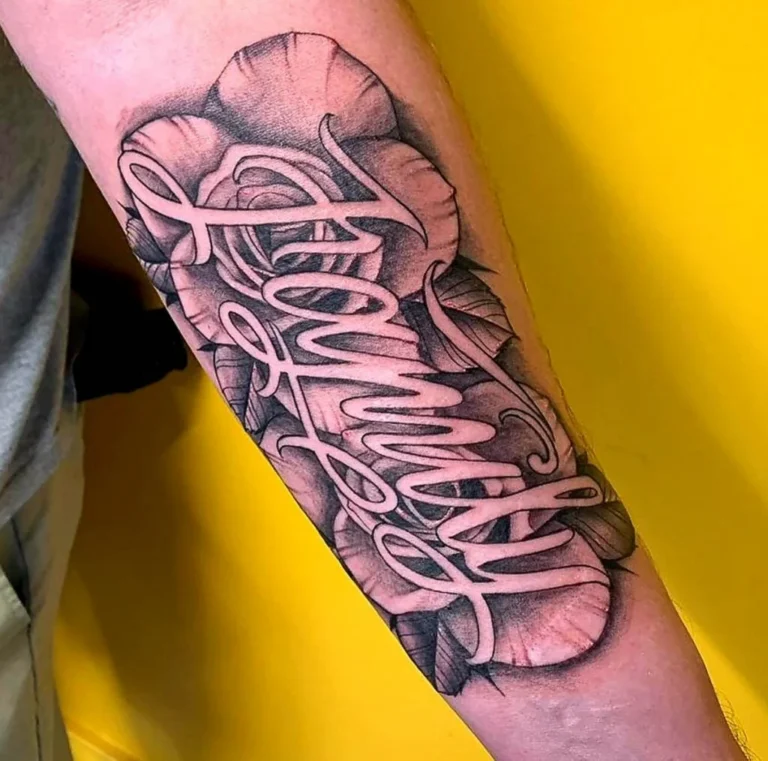
While the principles above apply universally, each style has its own demands. For Realism, value range is critical—ask how the artist will handle skin texture and highlights. For Geometric tattoo, precision and symmetry are key, but gradients can add depth—ask how they will integrate shading without distorting the lines. Ornamental and Tribal often rely on heavy blackwork, so contrast is less about gradients and more about negative space. Lettering requires crisp edges—ask how they will ensure the letters remain legible as the ink spreads. Watercolor tattoo is an exception; it often lacks black, but if you want black and grey watercolor, discuss how they will create soft edges without losing definition.
Booking and Safety Questions
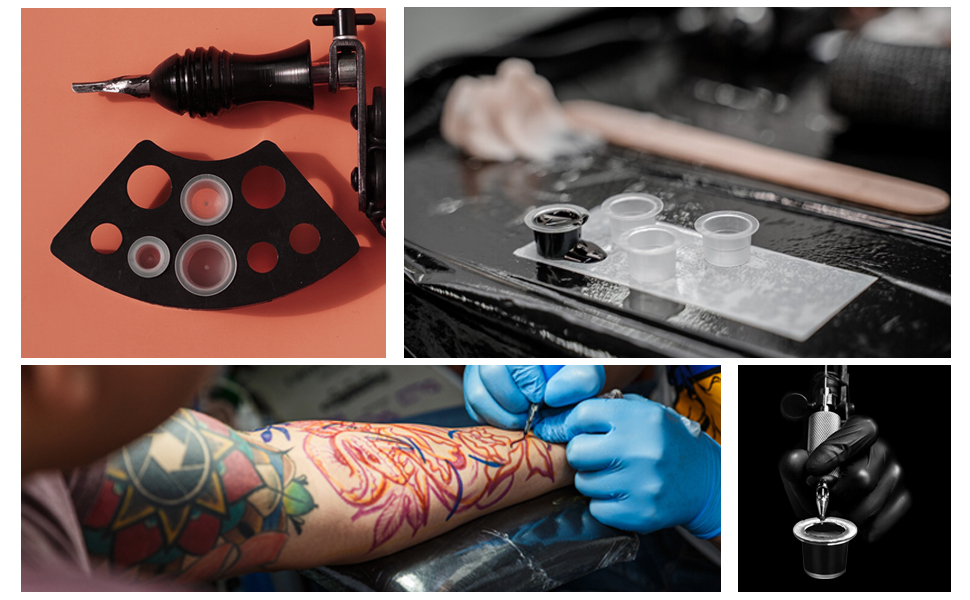
Before booking, confirm the artist’s credentials and hygiene practices. Ask about their experience with your chosen style and request to see a portfolio of healed work. Inquire about their aftercare instructions and whether they provide a detailed care sheet. Also, ask about their approach to touch-ups: is the first touch-up free? How long after the initial session should you return? These questions are not just about safety—they also reflect the artist’s professionalism and commitment to long-term results.
FAQ
1. How do I know if my artist can do smooth gradients?
Ask to see healed photos of work that features large gradient areas, such as a sky or a portrait’s cheek. Look for smooth transitions without visible lines or patchy spots. You can also ask for a small test patch, but most artists will not do that unless you are booking a session.
2. What is the ideal value range for a black and grey tattoo?
There is no universal number, but a good rule is to have at least 5 distinct steps from skin tone to black. The artist should be able to explain how they will use these steps to create depth and focus.
3. Will my tattoo look good in 10 years?
It depends on the design, placement, and aftercare. A well-designed tattoo with proper contrast and open space will age better. Ask your artist to show you examples of their older healed work, and discuss how they plan for longevity.
4. Can I combine styles like Fine line and Dotwork in one piece?
Yes, many artists blend techniques. However, ensure the artist is experienced in both and can maintain consistency. Ask how they will transition between the two styles so the piece does not look disjointed.
Final Thoughts
A black and grey consultation is your opportunity to align expectations with technical reality. Use this checklist to evaluate the artist’s plan for value, gradients, and longevity. Remember, a great tattoo is not just a design—it is a commitment to skin and time. For more guidance, explore our ranking of top artists, check our studio directory, or read our tattoo magazine for in-depth articles. If you have specific questions, our consultation page can help. And to get a rough idea of cost, use our price estimator.
Content hub
Tattoo styles pillar
This article belongs to the styles cluster. Open the pillar page to compare Irezumi, Old School, Realistic, Blackwork, Fine line, Geometric and Watercolor.
Related reading
Continue reading
Lettering Tattoo Healed Portfolio Review: Kerning, Baseline & Placement Distortion
A specialist healed-portfolio review guide for Lettering tattoos, focused on kerning, baseline control and placement distortion. Includes concrete…
Lettering Tattoo Placement: A Specialist Guide to Kerning, Baseline Control, and Body-Flow Distortion
A specialist guide to lettering tattoos focusing on kerning, baseline control, and placement distortion. Learn how to plan…

Lettering Tattoo Design Consultation Checklist: Kerning, Baselines, and Placement Distortion
A specialist consultation checklist for lettering tattoos covering kerning, baseline control, and placement distortion. Includes practical tests, booking…