
American Traditional Tattoo: The Design Consultation Checklist
Introduction: The Discipline of the Bold Line
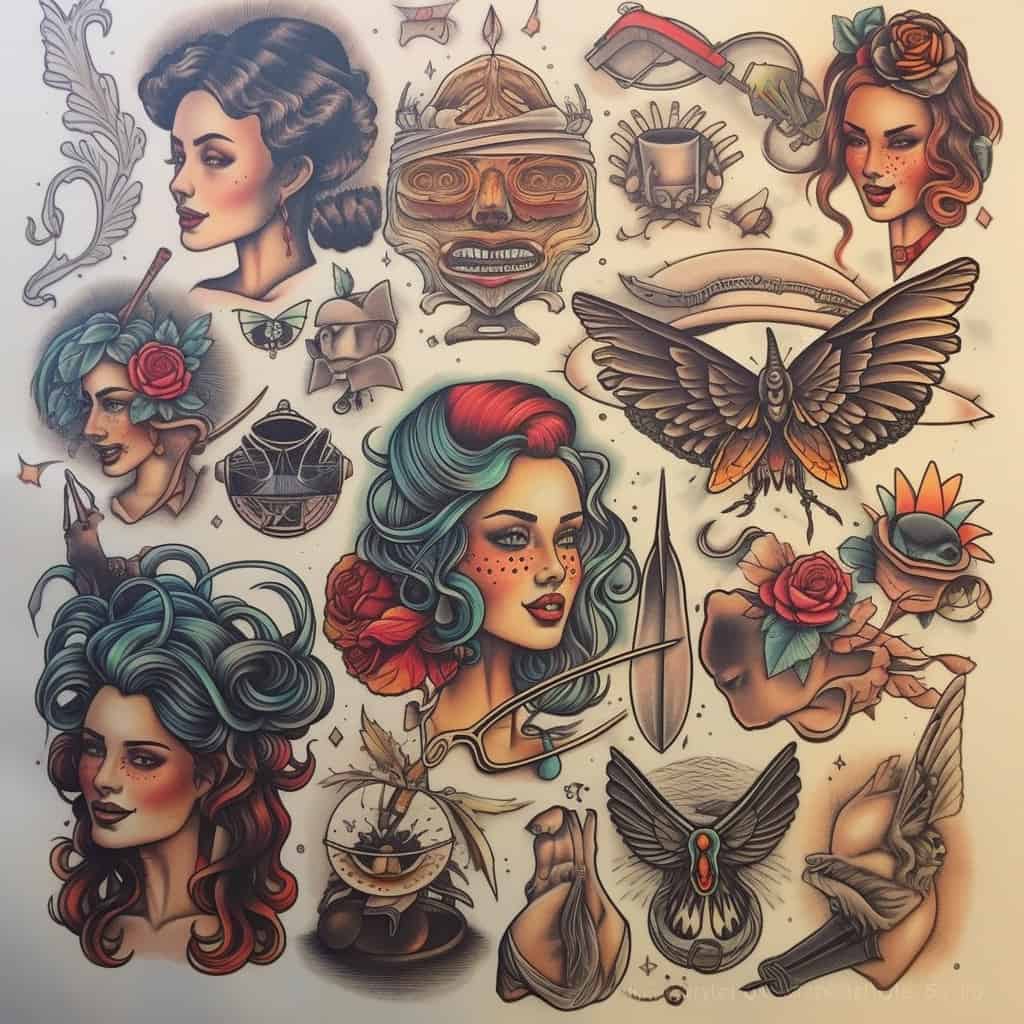
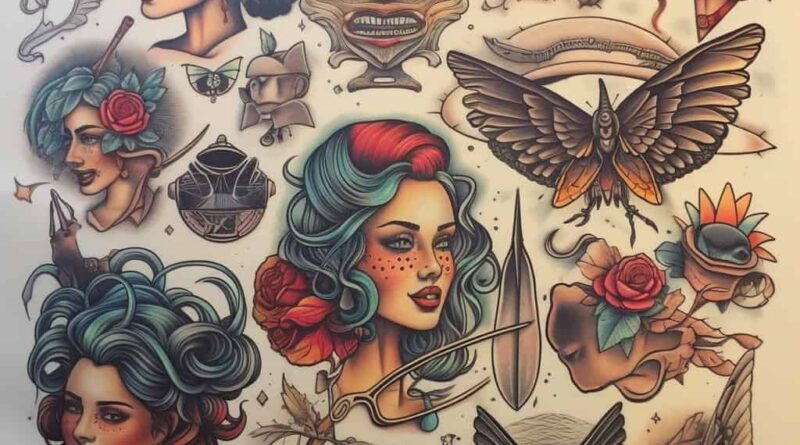
American traditional is not a style you choose; it’s a style you commit to. Its visual language—thick black outlines, a limited palette of red, green, yellow, and black, and silhouettes that read from across the room—demands a different kind of design consultation than, say, fine line or watercolor. This guide is a specialist checklist for both clients and artists. It walks through the critical checks that ensure your American traditional piece works as a tattoo: bold, readable, and built to last. No generic style overview here—just the concrete decisions that make or break a design.
1. The Outline: Your Tattoo’s Spine
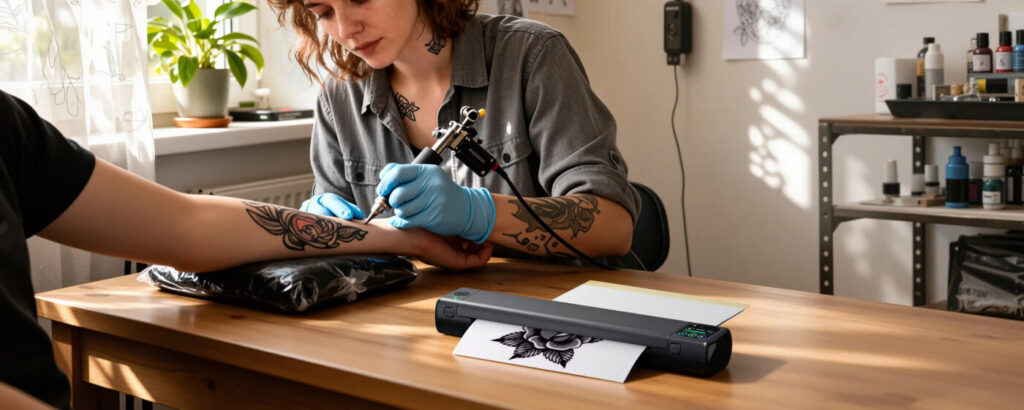
In American traditional, the outline is non-negotiable. It’s not a suggestion; it’s the structural element that holds the design together. During your consultation, you must see and approve the outline weight and style.
Checklist for Outline Approval
- Weight: The line should be bold enough to hold its own against the color. A thin, wobbly line will age poorly and lose the traditional punch. Ask to see the artist’s liner size—typically a 5 or 7 round liner for the main outline.
- Consistency: The line should be a continuous, solid stroke. No sketchy, broken lines. Traditional outlines are confident.
- Blackwork vs. Traditional: If you’re mixing in blackwork or dotwork elements, clarify how they interact. In traditional, black shading is often used for depth, not as a standalone texture. Keep the outline dominant.
Pro tip: A good test is to squint at the design. If the silhouette is still clear, the outline is doing its job. This is the “readable silhouette” principle—your tattoo should be recognizable from a distance, even before you see the details.
2. Limited Palette: The Color Discipline

American traditional thrives on a restricted color set. The classic palette is black, red, yellow, and green, with occasional white highlights. This is not a limitation—it’s a strength. It ensures the tattoo ages gracefully and maintains contrast.
Color Consultation Checks
- Color count: Limit yourself to 2-3 main colors plus black. More colors dilute the traditional feel and can muddy the design.
- Skin tone: Some colors, like yellow, can be less visible on darker skin. Discuss with your artist how they adjust the palette for your skin tone while keeping the traditional vibe.
- Color placement: In traditional, colors are often used as flat fills, not gradients. Ask to see the color separation—how each area gets a solid color, with black shading for depth.
Example: A classic eagle design might use brown for the body, yellow for the beak and claws, and green for a banner. That’s a perfect limited palette. Avoid adding purple or blue unless you’re intentionally breaking tradition.
3. Readable Silhouette: The 10-Foot Test

The hallmark of American traditional is that you can recognize the subject from across the street. This is the “readable silhouette” principle. During your consultation, you must assess the design’s overall shape.
Silhouette Checklist
- Bold shapes: The design should rely on simple, bold shapes. A rose is a circle with a spiral; a dagger is a straight line with a crossguard. Avoid complex, cluttered compositions.
- Negative space: Traditional tattoos use negative space effectively. The skin acts as a light source. Ensure the design has clear areas of skin, not just a mass of ink.
- Size and placement: A traditional piece needs room to breathe. A tiny, intricate design will lose its readability. Typically, traditional tattoos are medium to large, but even a small piece can work if the shapes are simple.
Consultation exercise: Ask your artist to show you the design in a thumbnail size. If you can still tell what it is, you’re good. If not, it needs simplification.
4. Design Integrity: Avoiding Style Hybrids That Fail
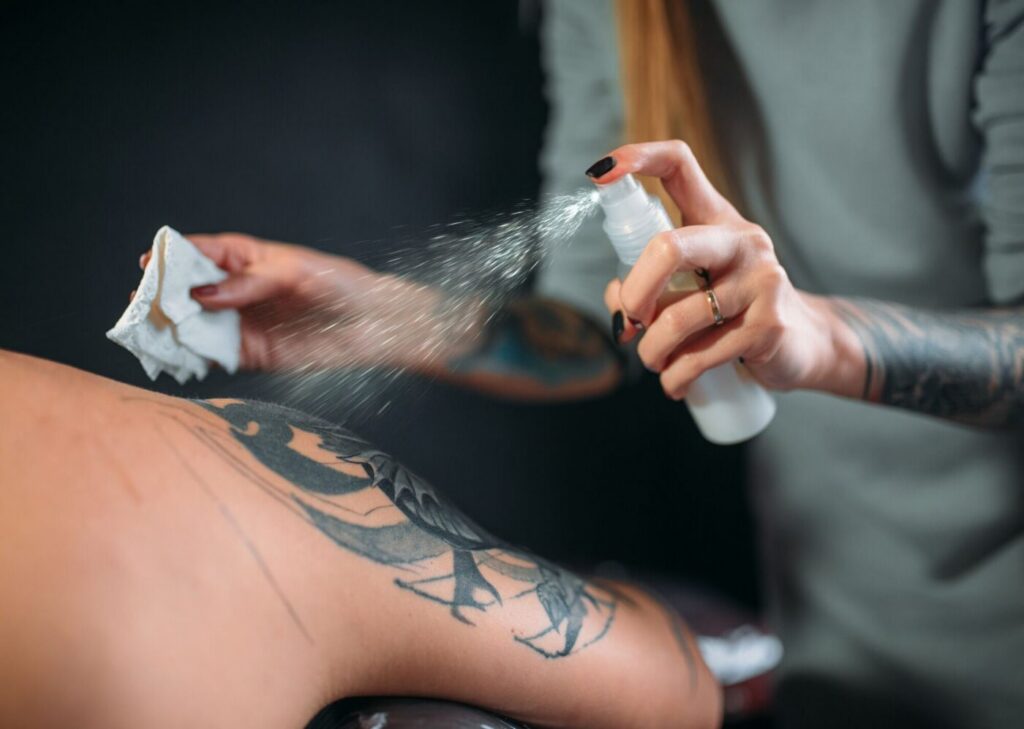
It’s tempting to blend American traditional with other styles—like adding a realism portrait or micro-realism shading. But this often results in a muddy, confusing tattoo. Traditional has its own rules; respect them.
Hybrid Pitfalls
- Realism vs. Traditional: Realism relies on soft shading and subtle gradients, which clash with bold outlines. If you want a portrait, do a separate piece.
- Watercolor vs. Traditional: Watercolor tattoos lack the bold outline that defines traditional. Mixing them can create a design that fades quickly and loses its impact.
- Geometric or Abstract: These styles often use fine lines and symmetry, which can undermine the hand-drawn, bold feel of traditional. If you love geometric, consider a separate tattoo.
What works: Neo-traditional is a legitimate evolution, but it’s a different style. If you’re set on American traditional, keep it pure. The best traditional tattoos are timeless because they follow the rules.
5. The Consultation Process: What to Bring and Ask
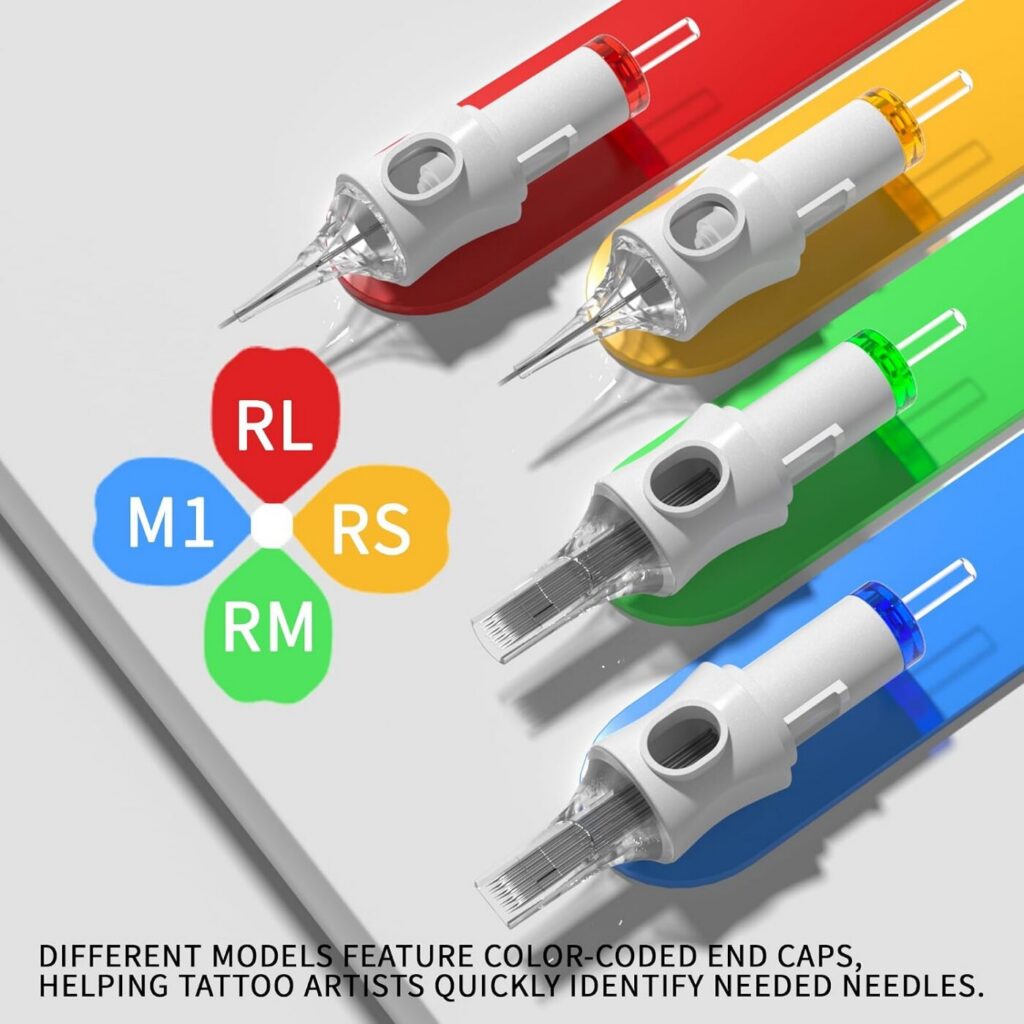
Your consultation is a two-way street. You need to communicate your vision, but also trust the artist’s expertise. Here’s a practical checklist.
Before the Consultation
- Reference images: Bring examples of American traditional tattoos you like, but be open to the artist’s interpretation. Don’t bring a photo of another tattoo and ask for a copy—that’s a no-go.
- Placement photos: Take photos of the body part from different angles. This helps the artist design for the body’s contours.
- Lifestyle considerations: Think about your job, clothing, and future tattoo plans. A traditional sleeve has a certain flow.
During the Consultation
- Ask about the artist’s experience: “How many American traditional tattoos have you done?” A specialist is better than a generalist.
- Discuss the design: Be specific about elements you want (e.g., a dagger through a heart) and let the artist add their flair.
- Request a drawing: Most artists will provide a sketch for approval. If they don’t, ask for one.
- Clarify the aftercare: Traditional tattoos heal well, but you still need to follow care instructions. Ask for a written aftercare sheet.
6. Booking and Safety Questions
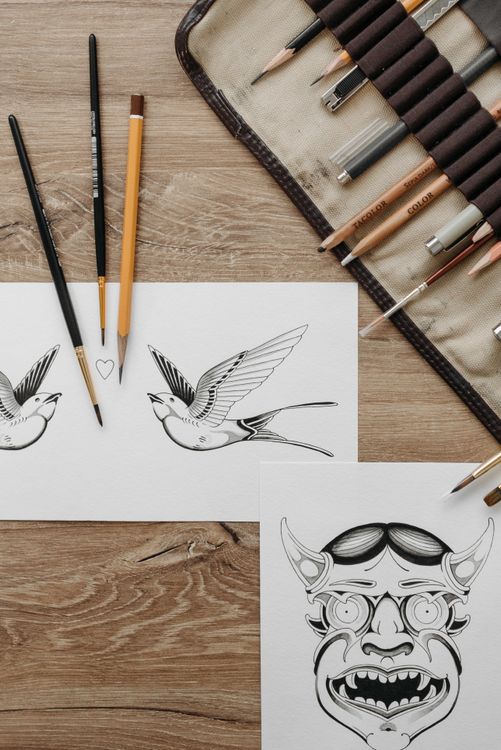
Before you book, ensure the studio meets professional standards. This is not about style; it’s about safety.
Safety Checklist
- Licensing: Is the studio licensed and does the artist have proper certifications?
- Hygiene: Watch for autoclaves, single-use needles, and clean workstations. Don’t be shy to ask.
- Consultation fee: Some artists charge for consultations, which is often credited toward the tattoo. Ask upfront.
- Deposit: Most studios require a deposit to book. This is normal and goes toward the final price.
Booking tip: If you’re unsure about a studio, check our verified studios list for vetted professionals. You can also use our price estimator to get a ballpark figure.
7. Aftercare: Keeping the Boldness Alive

American traditional tattoos are designed to age well, but proper aftercare is crucial. A healed traditional tattoo should have crisp lines and solid color.
Aftercare Essentials
- Keep it clean: Wash gently with unscented soap and pat dry.
- Moisturize: Use a fragrance-free lotion or ointment as directed.
- Avoid sun exposure: Sun fades colors and breaks down ink. Use sunscreen once healed.
- Don’t scratch: Itching is normal, but scratching can damage the tattoo.
For more detailed aftercare, check our advice section.
FAQ: American Traditional Tattoo Consultation
1. How long does a consultation take?
Typically 30-60 minutes, depending on the complexity. It’s your time to discuss design, placement, and any questions.
2. Can I bring my own design?
Yes, but be open to the artist’s reinterpretation. American traditional has specific rules, and a professional will adapt your idea to fit the style.
3. What if I change my mind after the consultation?
That’s fine, but be prepared to pay for a new drawing if you make major changes. Minor tweaks are usually included.
4. Are American traditional tattoos more painful?
Pain is subjective, but the bold outlines and solid fills can be more intense than fine line work. However, it’s manageable and worth the result.
Conclusion: The Timeless Choice
American traditional is a style that rewards discipline. By following this checklist, you ensure your tattoo has the bold outlines, limited palette, and readable silhouette that define the genre. It’s not about trends; it’s about permanence. When you walk into that consultation, you’ll be prepared to make decisions that will look good for decades. For more inspiration, browse our tattoo rankings or read our magazine for in-depth style guides. And remember: a great traditional tattoo is a collaboration between you and an artist who respects the craft.
Read more
- Magazine for more tattoo knowledge, style guides and aftercare notes.
- Request a consultation if you need help with style, placement or preparation.
- Marketplace for equipment, supplies and learning resources.
Content hub
Tattoo styles pillar
This article belongs to the styles cluster. Open the pillar page to compare Irezumi, Old School, Realistic, Blackwork, Fine line, Geometric and Watercolor.
Related reading
Continue reading
Lettering Tattoo Healed Portfolio Review: Kerning, Baseline & Placement Distortion
A specialist healed-portfolio review guide for Lettering tattoos, focused on kerning, baseline control and placement distortion. Includes concrete…
Lettering Tattoo Placement: A Specialist Guide to Kerning, Baseline Control, and Body-Flow Distortion
A specialist guide to lettering tattoos focusing on kerning, baseline control, and placement distortion. Learn how to plan…

Lettering Tattoo Design Consultation Checklist: Kerning, Baselines, and Placement Distortion
A specialist consultation checklist for lettering tattoos covering kerning, baseline control, and placement distortion. Includes practical tests, booking…