American Traditional Tattoo: Placement and Body-Flow Decisions
Why Placement Is Part of the Design
American traditional tattoos are built on bold outlines, a limited palette, and readable silhouettes. These three pillars make placement a design decision, not an afterthought. A well-placed traditional piece works with the body’s natural lines, while a poorly placed one fights them. This guide is for collectors and artists who want to make deliberate choices about where a piece sits and how it flows with the body.
The Core Principles of Traditional Placement
Bold Outlines Demand Space
Thick, confident lines need room to breathe. A 5cm eagle will look cramped on a wrist, but the same design on a shoulder blade will hold its shape. The rule of thumb: the bolder the outline, the larger the canvas. If you are working with a small area, consider a simpler motif—a single star, a dagger, or a small flower—rather than shrinking a complex design.
Limited Palette and Skin Tone
Traditional tattoos use a small set of colors: black, red, yellow, and sometimes green. These colors have high contrast, but they still need to be placed where they can be seen. On pale skin, red and yellow pop; on darker skin, black and green often read better. Test the design against your skin tone in natural light before committing.
Readable Silhouettes
A traditional tattoo should be recognizable from across the room. That means the silhouette—the overall shape—must be clean. Avoid placing designs where they will be distorted by body movement or obscured by natural creases. For example, a panther head on the inner bicep will stretch and warp when you flex, but the same design on the outer forearm stays stable.
Body-Flow: Working with Muscles and Movement
Follow the Muscle Lines
The body has natural lines—the deltoid, the pectoral, the quadriceps. A good placement follows these lines, not fights them. For instance, a dagger pointing down the outer thigh follows the quadriceps and elongates the leg. A ship on the ribs can follow the curve of the ribcage, making the piece feel like it belongs.
Consider Movement and Aging
Skin moves, stretches, and ages. Areas like the stomach, biceps, and thighs change shape with weight fluctuations and muscle growth. A traditional piece on the stomach may distort after pregnancy or weight gain. The outer forearm, shin, and upper back are more stable. If you want a piece that stays true to its original shape, choose a stable area.
Symmetry and Balance
Traditional tattoos often look best when they are balanced. This doesn’t mean mirrored designs on both sides—it means visual weight. A large piece on one shoulder can be balanced by a smaller piece on the opposite hip. When planning a sleeve, think about how the pieces flow together. A common approach is to start with a central anchor piece on the upper arm or shoulder, then build around it.
Placement-Specific Advice
Forearm
The forearm is a prime spot for traditional work. It’s visible, relatively stable, and offers a long, flat canvas. A classic choice is a swallow or a dagger pointing toward the hand. The inner forearm is more private and slightly more painful, but it holds color well. The outer forearm is better for larger pieces because it doesn’t twist as much.
Upper Arm and Shoulder
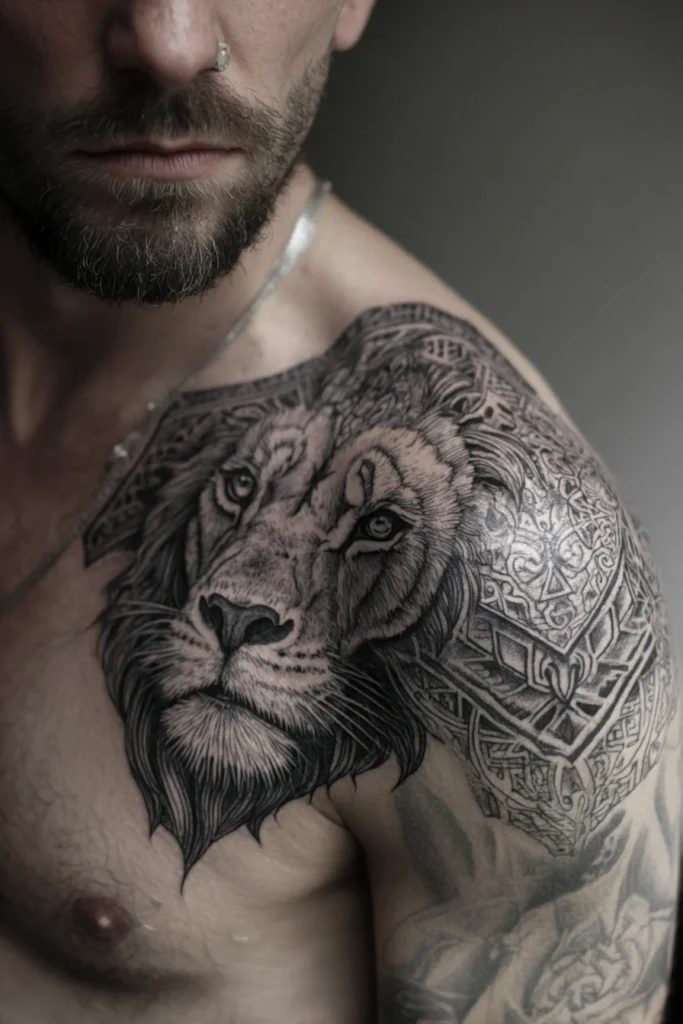
The upper arm and shoulder are classic traditional spots. The deltoid offers a curved canvas that suits round designs like roses or compasses. The outer upper arm is stable and easy to cover, making it ideal for a first traditional piece. The inner bicep is more painful and prone to distortion, so save it for smaller, simpler designs.
Chest and Ribs
The chest is a bold statement area. A traditional eagle or panther across the chest can be stunning, but it’s a high-pain area and moves with breathing. The ribs are even more painful and offer a curved, flexible surface. If you choose the ribs, keep the design simple and let it follow the ribcage. Avoid large, detailed pieces here unless you’re prepared for multiple sessions.
Back and Shoulder Blades
The back is the largest canvas. A traditional back piece can be a single large motif or a collection of smaller pieces. The shoulder blades are a natural focal point—they move and flex, but the skin is relatively stable. A classic choice is a pair of swallows or a large rose between the shoulder blades.
Legs and Thighs
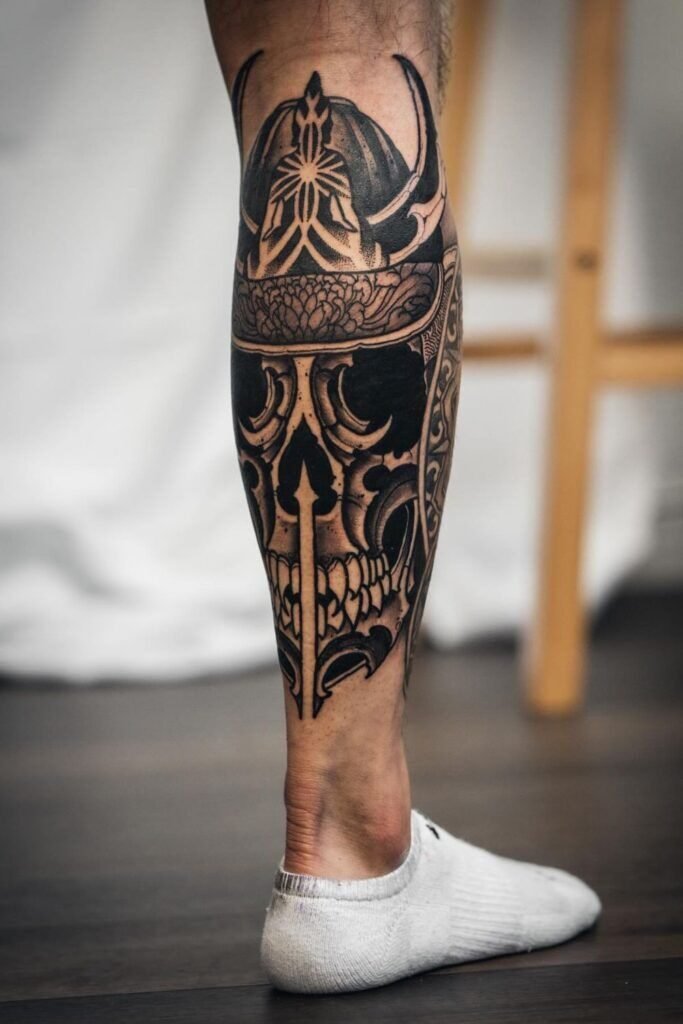
The thigh is a popular spot for larger traditional pieces because it offers a lot of space and is less painful than other areas. The outer thigh is stable, while the inner thigh is more sensitive. The calf is another good spot, but it’s prone to swelling if you’re on your feet all day. The shin is painful but heals well and holds color.
Checklist Before You Book
- Is the design simple enough to read at a distance?
- Does the placement follow a muscle line or natural curve?
- Will the piece distort with movement or weight change?
- Is the size appropriate for the bold outlines?
- Does the color palette work with your skin tone?
- Have you considered how the piece will age?
Booking and Safety Questions
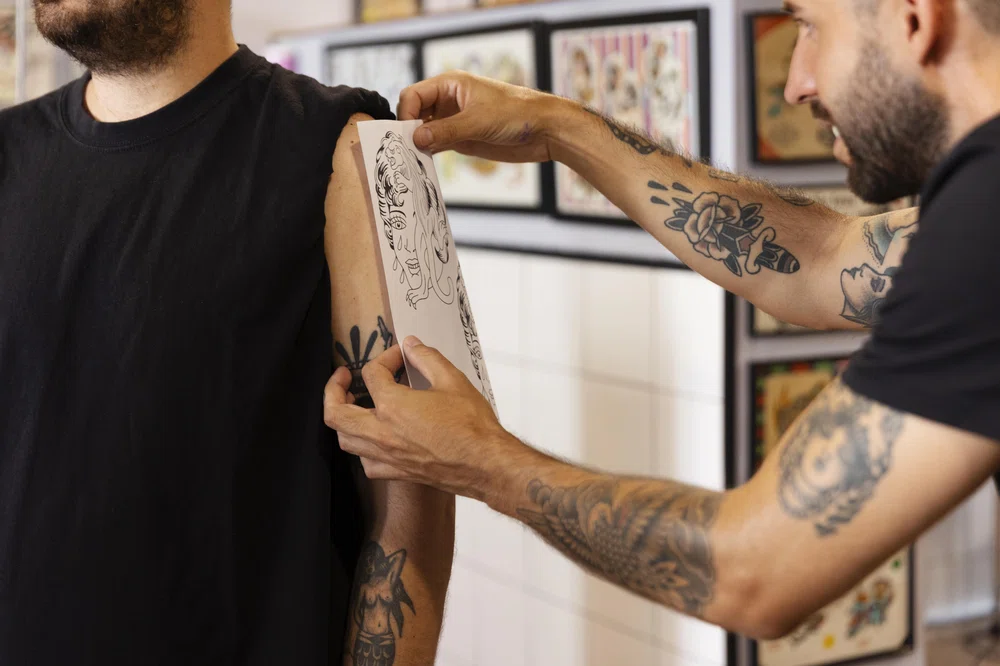
When you book a consultation, ask your artist these questions:
- How will this placement affect the healing process?
- What is the best size for this design to stay readable?
- How will the piece look if I gain or lose weight?
- Do you have experience with this specific body area?
Always check that the studio follows proper hygiene protocols. Look for autoclaves, single-use needles, and fresh ink caps. If you have any medical conditions, consult a doctor before getting tattooed.
FAQ
Can I get a traditional tattoo on my hand or neck?
Yes, but these are high-visibility areas that are often called ‘job stoppers.’ They are also more painful and heal differently. If you’re set on a hand or neck piece, choose a simple design with bold outlines, and be prepared for more frequent touch-ups.
How do I choose between a large piece and a small piece?
Consider the area and the design. A large piece needs a large canvas—like the back, chest, or thigh. A small piece can work on the forearm, ankle, or shoulder. The key is to keep the design proportional to the area. A tiny eagle with bold outlines will lose its detail.
Will a traditional tattoo fade faster than other styles?
Traditional tattoos are known for aging well because of their bold outlines and limited palette. The black lines hold up over time, and the colors are often more saturated. However, all tattoos fade with sun exposure. Use sunscreen to protect your ink.
Can I combine traditional tattoos with other styles?
Yes, but it’s tricky. Traditional tattoos have a distinct look. Mixing them with fine line or realism can create a clash. If you want to mix, consider using traditional as the base and adding subtle elements from other styles, like a geometric background or a dotwork accent. But be aware that the bold outlines will dominate.
Related Resources
For more inspiration, check our tattoo rankings and studio guides. If you’re looking for a verified artist, browse our verified studios. For style deep dives, read our magazine. For placement advice, see our consultation tips. And to estimate the cost of your piece, use our price estimator.
Content hub
Tattoo styles pillar
This article belongs to the styles cluster. Open the pillar page to compare Irezumi, Old School, Realistic, Blackwork, Fine line, Geometric and Watercolor.
Related reading
Continue reading
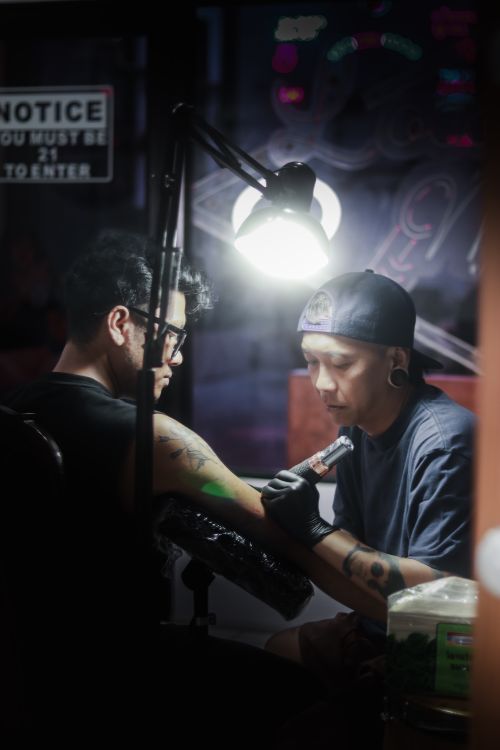
Lettering Tattoo Healed Portfolio Review: Kerning, Baseline & Placement Distortion
A specialist healed-portfolio review guide for Lettering tattoos, focused on kerning, baseline control and placement distortion. Includes concrete…
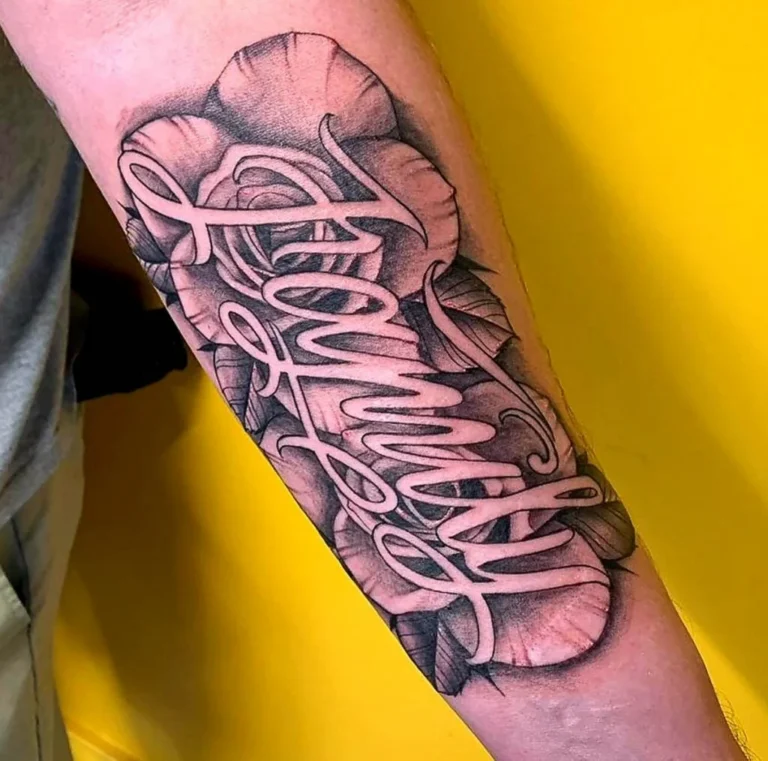
Lettering Tattoo Placement: A Specialist Guide to Kerning, Baseline Control, and Body-Flow Distortion
A specialist guide to lettering tattoos focusing on kerning, baseline control, and placement distortion. Learn how to plan…

Lettering Tattoo Design Consultation Checklist: Kerning, Baselines, and Placement Distortion
A specialist consultation checklist for lettering tattoos covering kerning, baseline control, and placement distortion. Includes practical tests, booking…