
American Traditional Tattoo: A Healed Portfolio Review Guide
Why Healed Work Defines American Traditional
American traditional is not a trend; it is a discipline built on bold outlines, a limited palette, and readable silhouettes. But a fresh tattoo can deceive. The true test is how it heals. This guide is for collectors and artists who want to judge traditional work by its long-term result. We will walk through the concrete checks that separate a solid traditional tattoo from a muddled one.
The Three Pillars: Outline, Palette, Silhouette
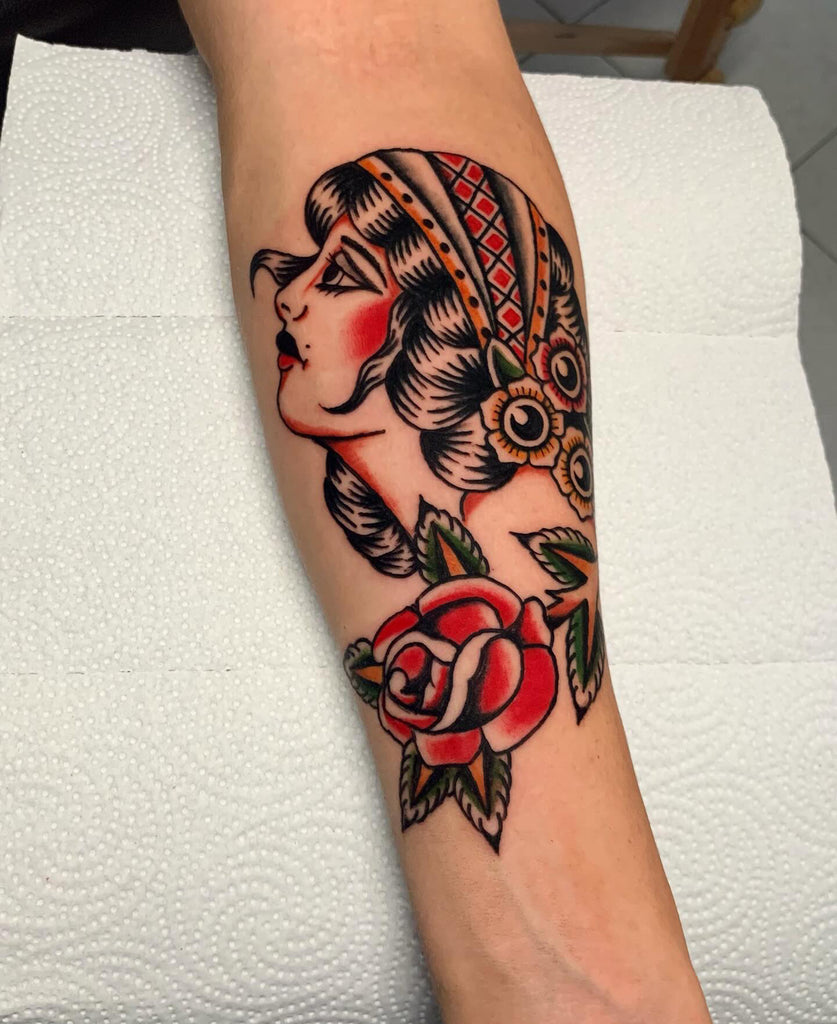
Before evaluating a healed piece, you must understand the pillars. Bold outlines are the backbone. They should be consistent, not shaky, and they should hold their weight after years of skin movement. Limited palette means a few core colors—black, red, yellow, green, and sometimes brown or blue. This is not a restriction; it is a strategy for longevity. Readable silhouettes mean that even from across the room, you can tell what the tattoo is. A panther, a rose, a dagger—no ambiguity.
Outline Integrity
Look at the lines. Are they still crisp? In a healed traditional tattoo, the outline should be the most dominant feature. If the lines have spread too much, the tattoo will look soft. But some spread is normal over decades. The key is whether the outline still separates the design from the background.
Color Behavior
Traditional colors are chosen for their stability. Red and black are the most reliable. Yellow fades faster, but that is expected. The question is: did the artist pack the color properly? A well-saturated area will hold its hue, while a poorly packed area will look patchy. Check the yellow—it is the first to show weakness.
Silhouette Test
Step back and squint. Can you still read the shape? If the tattoo is a skull, you should see the skull shape, not a blob. This is where the design’s composition matters. A good traditional tattoo has a strong, simple shape that does not rely on fine details.
How to Evaluate a Healed Traditional Tattoo
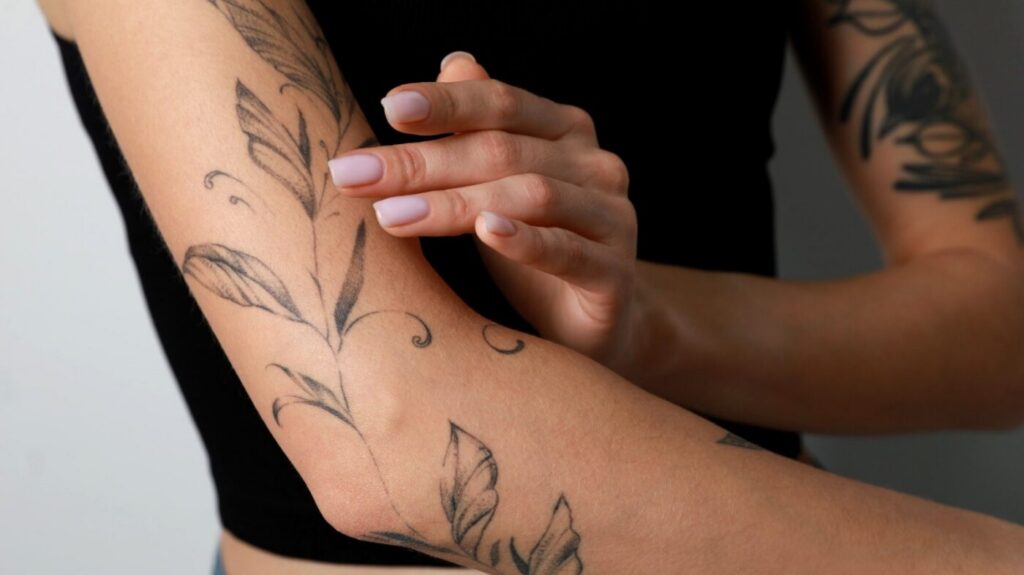
When you look at a healed piece, do not just admire it. Use a checklist. Here is what to look for:
- Line consistency: Are the lines the same thickness throughout? Are there any blowouts (blurred lines under the skin)?
- Color saturation: Is the color even, or are there light spots? Check the red—it should be solid.
- Skin texture: Is the tattoo raised or scarred? Some texture is normal, but excessive scarring means the artist went too deep.
- Fading: How much has it faded? A little fading is fine, but if the tattoo looks washed out, the ink was not packed well.
- Placement: Does the tattoo follow the body’s contours? A traditional tattoo should work with the muscle, not against it.
Common Healed Issues and What They Mean
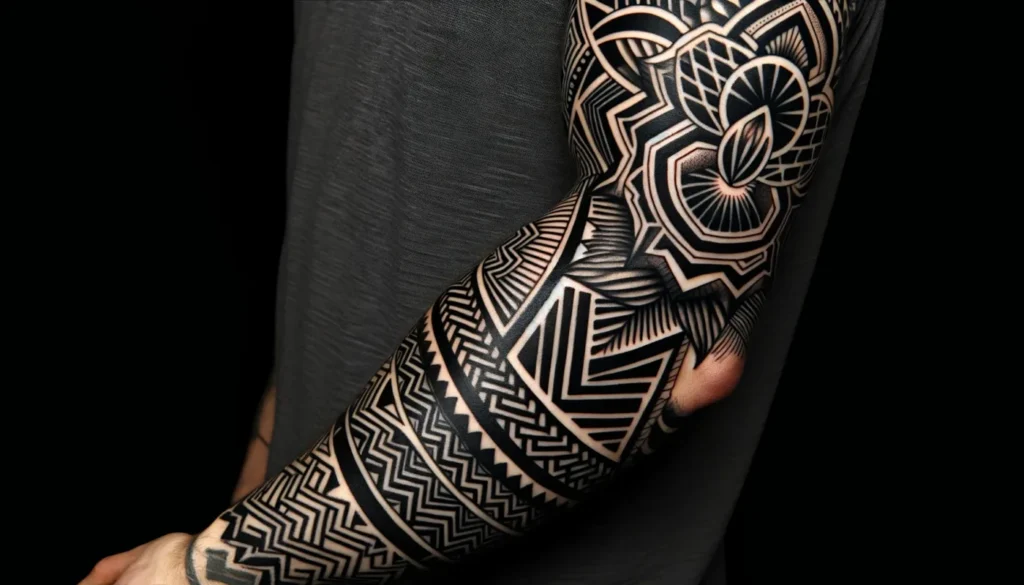
Even a good traditional tattoo will change over time. Here are the most common issues and how to read them:
Line Blowouts
If you see a blue-ish haze around the lines, that is a blowout. It happens when the needle goes too deep into the skin. A small blowout is acceptable, but a large one can ruin the design. If you are looking at a healed piece, blowouts are a red flag about the artist’s technique.
Color Migration
Sometimes colors spread beyond their original boundaries. This is more common with lighter colors like yellow. If the yellow has bled into the black, the design will look muddy. This is a sign of either too much ink or improper needle depth.
Patchy Fading
If the tattoo fades unevenly, it means the artist did not pack the color evenly. This is especially noticeable in large areas of solid color, like a rose’s petals. A good traditional tattoo will fade uniformly, not in patches.
The Role of Aftercare in Healed Results
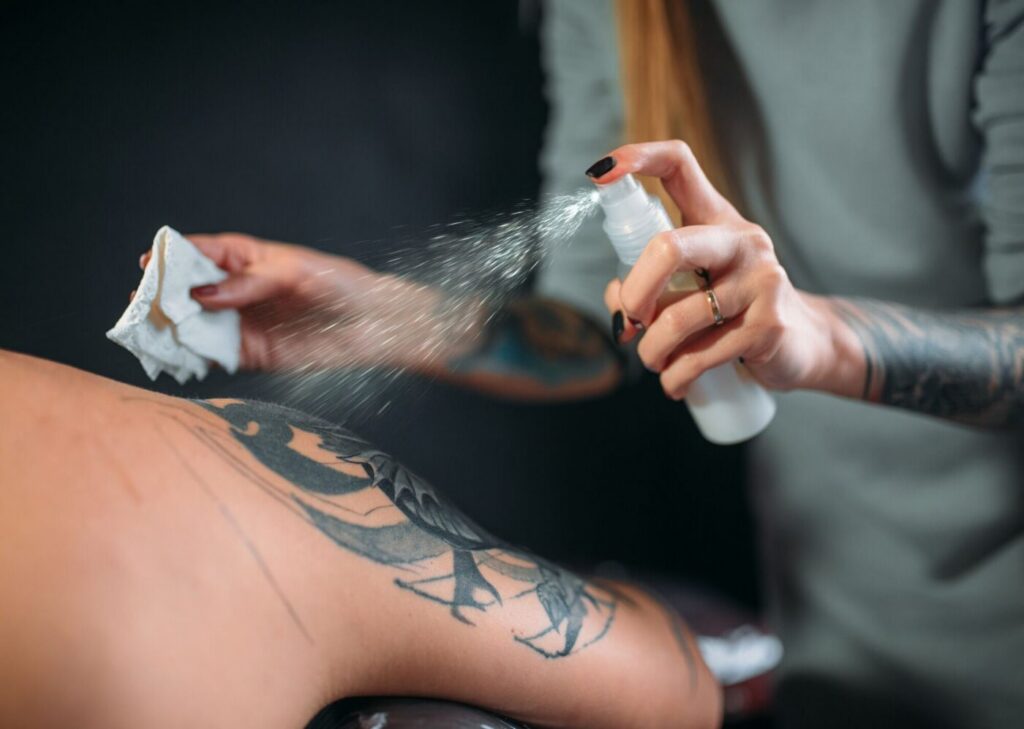
While the artist’s skill is crucial, aftercare plays a huge role. A tattoo that is not cared for properly will heal poorly, no matter how well it was applied. When reviewing a healed tattoo, ask the owner about their aftercare routine. Did they keep it moisturized? Did they avoid sun exposure? Sun is the number one enemy of traditional tattoos. UV rays break down the ink and cause fading. A healed traditional tattoo that has been protected from the sun will look much better than one that has been exposed.
Booking and Safety Questions to Ask Before Getting a Traditional Tattoo
If you are planning to get a traditional tattoo, use this guide to vet your artist. Ask these questions during a consultation:
- Can I see healed photos of your traditional work? A portfolio should include both fresh and healed images.
- What is your approach to line weight? Traditional tattoos rely on bold, consistent lines. Make sure the artist understands this.
- How do you pack color? Ask about their technique for large areas of solid color.
- What is your aftercare advice? A professional will give you detailed instructions, not just a generic pamphlet.
Also, check the studio’s hygiene practices. Look for autoclave sterilization, disposable needles, and clean workstations. You can find verified studios that meet these standards.
Case Studies: Two Healed Traditional Tattoos
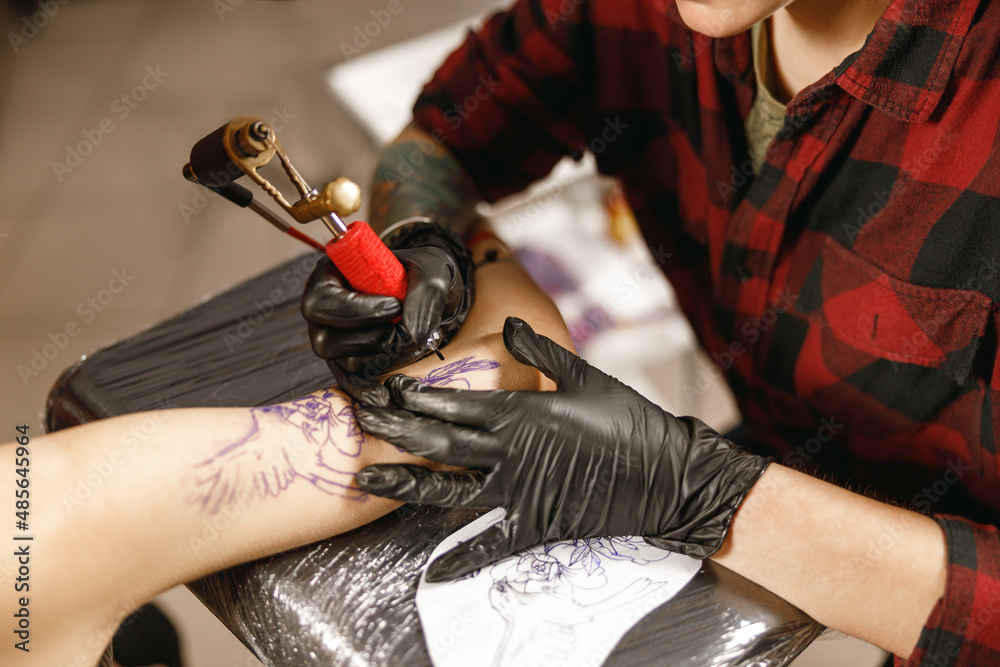
Case 1: A Panther on the Forearm
This tattoo is five years old. The outline is still bold, but there is a slight blowout on the inner curve of the panther’s back. The red background is solid, but the yellow in the eyes has faded significantly. Overall, the silhouette is readable from a distance. This is a good example of a tattoo that has aged well, with minor issues that do not affect the overall impact.
Case 2: A Rose and Dagger on the Thigh
This tattoo is ten years old. The lines have spread a little, but they still hold the design. The red petals are still vibrant, but the green leaves have faded to a dull olive. The dagger’s silver is now a grey. The tattoo is still readable, but it looks softer than it did fresh. This is typical of a well-applied traditional tattoo that has been exposed to some sun.
FAQ
1. How long does an American traditional tattoo last?
With proper care, a traditional tattoo can last a lifetime. The bold lines and limited palette are designed to age well. However, sun exposure and weight changes can affect the appearance. Touch-ups may be needed after 10-20 years.
2. Can I get a traditional tattoo in color if I have dark skin?
Yes, but the colors may appear different. Darker skin tones can mute certain colors, especially yellow and green. An experienced artist will adjust the palette to ensure readability. Bold outlines are especially important on darker skin.
3. How much does a traditional tattoo cost?
Prices vary based on the artist, size, and location. You can use a tattoo cost estimator to get a rough idea. Remember that quality is worth the investment—a good traditional tattoo is an heirloom.
4. Is it normal for a traditional tattoo to fade?
Yes, all tattoos fade over time. Traditional tattoos fade less because of the bold lines and saturated colors. But sun exposure will speed up fading. Always use sunscreen on your tattoos.
Conclusion
American traditional is a style that rewards patience. A healed portfolio review is the only way to judge an artist’s true skill. Look for bold outlines, a limited palette, and readable silhouettes. Ask the right questions, and do not settle for less. If you want to explore more styles, check out our tattoo magazine or get advice from our experts. And remember, the best traditional tattoos are the ones that look just as good in 20 years as they did on day one.
Read more
- Magazine for more tattoo knowledge, style guides and aftercare notes.
- Request a consultation if you need help with style, placement or preparation.
- Marketplace for equipment, supplies and learning resources.
Content hub
Tattoo styles pillar
This article belongs to the styles cluster. Open the pillar page to compare Irezumi, Old School, Realistic, Blackwork, Fine line, Geometric and Watercolor.
Related reading
Continue reading
Lettering Tattoo Healed Portfolio Review: Kerning, Baseline & Placement Distortion
A specialist healed-portfolio review guide for Lettering tattoos, focused on kerning, baseline control and placement distortion. Includes concrete…
Lettering Tattoo Placement: A Specialist Guide to Kerning, Baseline Control, and Body-Flow Distortion
A specialist guide to lettering tattoos focusing on kerning, baseline control, and placement distortion. Learn how to plan…

Lettering Tattoo Design Consultation Checklist: Kerning, Baselines, and Placement Distortion
A specialist consultation checklist for lettering tattoos covering kerning, baseline control, and placement distortion. Includes practical tests, booking…