
The Ultimate First Tattoo Checklist: Design, Pain, Budget & Appointment Questions
Introduction: Your First Tattoo – A Milestone Worth Planning
Getting your first tattoo is exciting, but it can also feel overwhelming. You have a thousand questions: What design should I choose? How much will it hurt? How much will it cost? What do I ask at the appointment? This guide covers everything you need to know before you sit in the chair. We’ll break down design selection, pain expectations, budget planning, and the key questions to ask your artist. Let’s make your first tattoo a positive, well-informed experience.
Design: Finding the Perfect First Tattoo
Start with Meaning, Not Trends
Your first tattoo should be something you’ll love for years. Avoid jumping on a trend that might feel dated. Instead, think about symbols, quotes, or images that represent your values, memories, or aspirations. A meaningful design tends to age better emotionally.
Style Options for Beginners
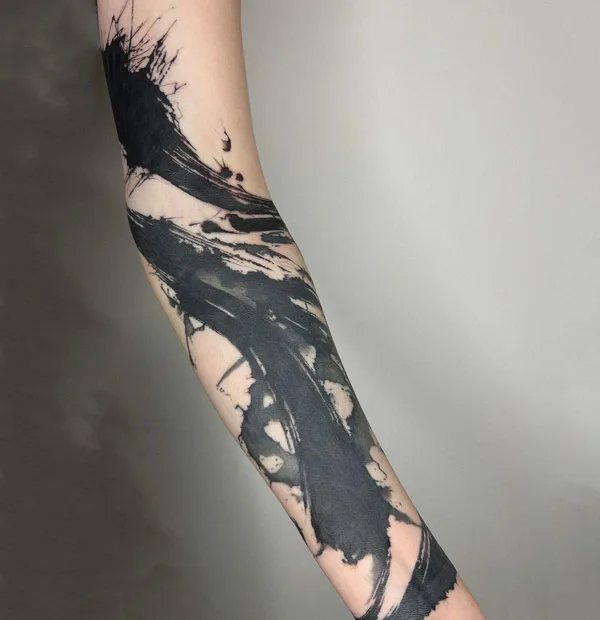
Certain styles work particularly well for first-timers. Fine line tattoos are delicate and subtle, ideal for small placements. Minimal designs use simple shapes and negative space, aging gracefully. Blackwork and Dotwork rely on black ink, which generally holds well over time. Lettering (quotes or single words) is popular but requires a skilled hand to ensure legibility. If you want color, Watercolor or Neo-traditional can be gorgeous, but discuss fading touch-ups with your artist.
Placement Matters
Think about visibility, pain, and how the design will flow with your body. Common first-tattoo spots: forearm (moderate pain, easy to show/hide), shoulder/upper arm (low pain, easy to cover), ankle (moderate pain, small canvas), or ribs (high pain, but beautiful). Avoid areas that stretch a lot (like stomach) or are constantly rubbing (like hands) for your first time.
Bring Reference, Not a Copy
Collect inspiration – photos of styles, color palettes, and placements. But don’t expect an exact replica. A good artist will create a custom design that suits your body and their style. Be open to their suggestions.
Pain: What to Expect and How to Prepare
Pain Scale Reality Check
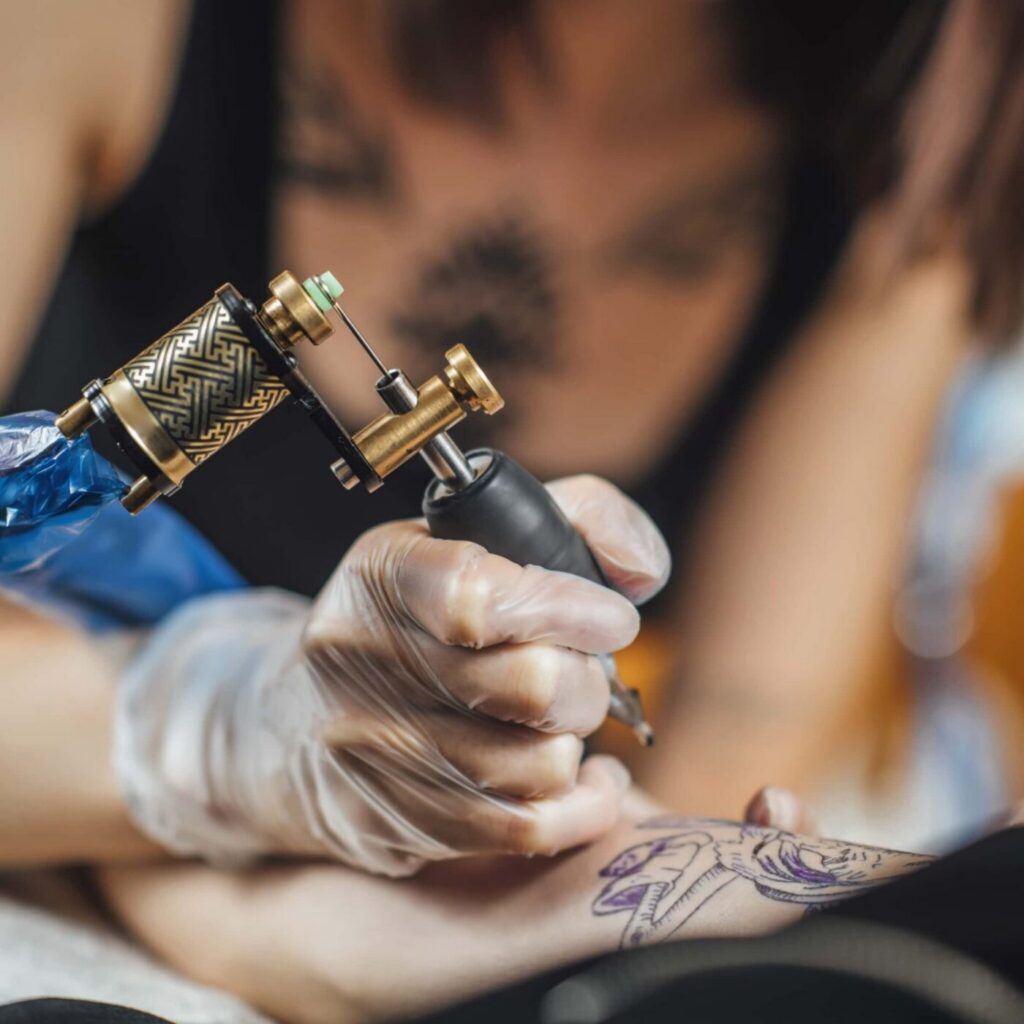
Everyone’s pain tolerance is different. Most compare it to a cat scratch, a sunburn, or a vibrating bee sting. The sensation changes as the needle moves: lining feels sharper, shading feels more like a scrape. Pain is manageable for most people, especially in smaller sessions.
Factors That Affect Pain
- Placement: Bony areas (ribs, collarbone, shin) hurt more. Fleshy areas (outer arm, thigh) hurt less.
- Size and detail: Larger pieces or heavy shading mean longer sessions and more cumulative discomfort.
- Your state: Being well-rested, hydrated, and fed reduces pain. Avoid alcohol and caffeine before your session.
Tips to Manage Pain
- Bring a distraction: music, podcast, or conversation.
- Practice deep breathing.
- Take breaks if needed – good artists check in with you.
- Use numbing cream only after consulting your artist (some affect ink absorption).
Budget: Realistic Cost of a Tattoo
What You’re Paying For
A tattoo isn’t just ink – it’s the artist’s time, skill, hygiene, and equipment. Quality work costs more. Typical pricing: Many artists charge a minimum shop fee (e.g., $50–$100) plus an hourly rate ($100–$300/hour depending on experience). Small pieces may be a flat rate. Always ask for a quote upfront.
Hidden Costs
Don’t forget aftercare products (unscented lotion, antibacterial soap), second-skin bandages, and potential touch-up sessions (some artists include one free touch-up). Budget an extra 10–20% for contingencies.
Don’t Bargain Hunt
Never choose an artist solely on price. Cheap tattoos often mean poor hygiene, bad linework, or fading. This is permanent art – invest in quality. Save up if needed.
Appointment Questions: What to Ask Your Artist
Before Booking
- Are you accepting new clients? Some popular artists have waitlists.
- What is your style specialty? Ensure their portfolio matches your desired style.
- Do you have a portfolio I can see? Look for clean lines, smooth shading, and healed photos.
At the Consultation
- Can you customize my design? A good artist will refine your idea.
- How long will the session take? Helps you plan time and budget.
- What is your hourly rate or flat fee? Get a written estimate.
- What aftercare do you recommend? Follow their instructions – they know best.
- Do you include a touch-up? Many artists offer one free touch-up within a few months.
Day of Appointment
- Can I see the stencil placement? Check size, position, and orientation in a mirror. Adjust before they start.
- What numbing options do you offer? Some artists have sprays, creams, or even ice packs.
- What should I do if I feel faint? Artists are trained to handle this – just speak up.
Aftercare: The Key to a Beautiful Tattoo
First 24 Hours
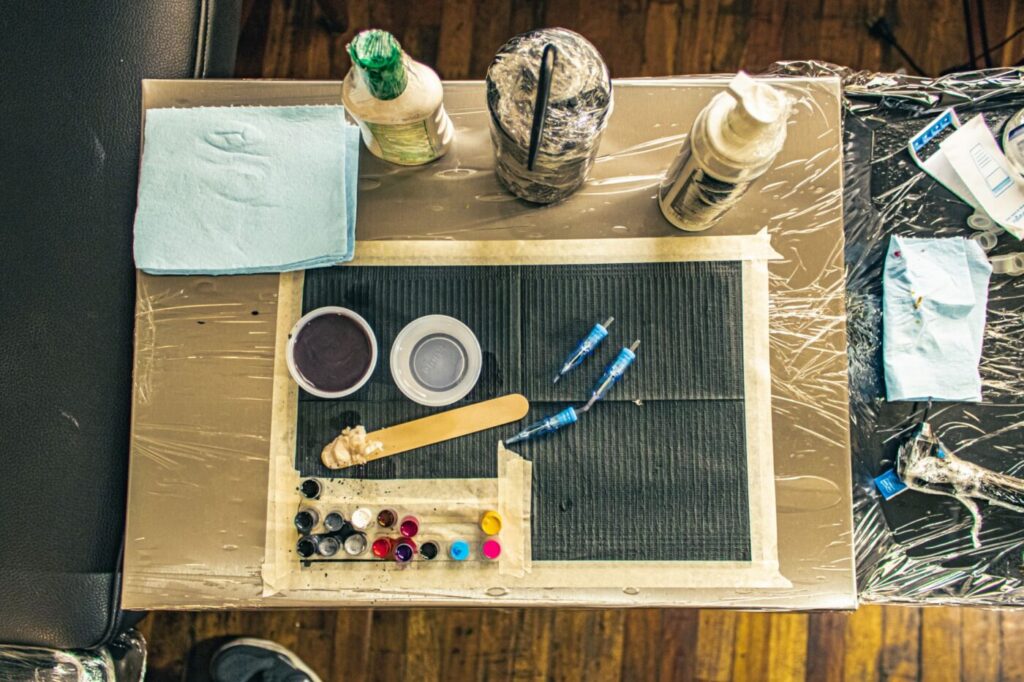
Leave the bandage on for the recommended time (usually 2–6 hours). Wash gently with antibacterial soap and pat dry. Apply a thin layer of ointment. Keep it clean and dry.
Days 2–14
Wash twice daily. Apply unscented lotion after washing. Don’t scratch or pick scabs – let them fall off naturally. Avoid swimming, soaking, direct sun, and tight clothing over the area.
Long-Term Care
Moisturize regularly. Always use sunscreen (SPF 50+) on your tattoo when exposed. Touch-ups may be needed years later if fading occurs.
FAQ
1. Can I get a tattoo if I have a medical condition?
Consult your doctor first. Conditions like diabetes, blood disorders, or skin issues may require precautions. Inform your artist.
2. How long does a tattoo take to heal?
Surface healing takes 2–3 weeks; deeper healing takes up to 6 months. Follow aftercare diligently.
3. Will my tattoo fade?
All tattoos fade over time due to sun and aging. Fine lines and light colors fade faster. Touch-ups restore vibrancy.
4. Can I donate blood after getting a tattoo?
Most blood banks require a waiting period (often 3–12 months) after a tattoo done in a licensed studio. Check local regulations.
Conclusion
Your first tattoo is a personal journey. By planning your design, understanding pain, budgeting wisely, and asking the right questions, you set yourself up for a great experience. Choose an artist whose style resonates, communicate openly, and commit to aftercare. Enjoy the process – you’re joining a global community of ink enthusiasts. Now go make that appointment!
Read more
- Magazine for more tattoo knowledge, style guides and aftercare notes.
- Request a consultation if you need help with style, placement or preparation.
- Marketplace for equipment, supplies and learning resources.
Content hub
Tattoo aftercare pillar
This article belongs to the aftercare cluster. Open the pillar page for the healing timeline, cleaning routine, moisturizing basics and warning signs.
Related reading
Continue reading

Tattoo Swelling by Body Placement: What’s Normal and When to Seek Help
Swelling after a tattoo is normal, but it varies by body placement. Learn what to expect, normal vs.…
Tattoo Touch-Up Guide: When Color Settles, When to Wait, and When to Ask
Learn when to wait, when to ask, and what to expect from a tattoo touch-up. A practical guide…

The Complete Tattoo Consultation Checklist: What You Must Know Before Booking a Custom Design
A complete guide to your first tattoo consultation: from idea brief and references to skin check, placement, pain,…