
Blackwork Tattoo in Hoi An: Bold Contrast, Placement, and a Booking Checklist
Blackwork in Hoi An: More Than Just Bold Lines
Hoi An’s lantern-lit streets and ancient town vibe might feel a world away from the stark, graphic punch of blackwork tattoos. Yet this ancient trading port has become a quiet hub for travelers seeking permanent ink that balances tradition with modern edge. Blackwork—defined by solid areas of black, bold linework, and high contrast—fits Hoi An’s aesthetic of shadow and light. Whether you’re a first-timer or a collector, this guide breaks down what blackwork really entails, how to choose placement that ages well, and the exact checklist to run before you book a session in this riverside city.
What Defines Blackwork (and What It Doesn’t)
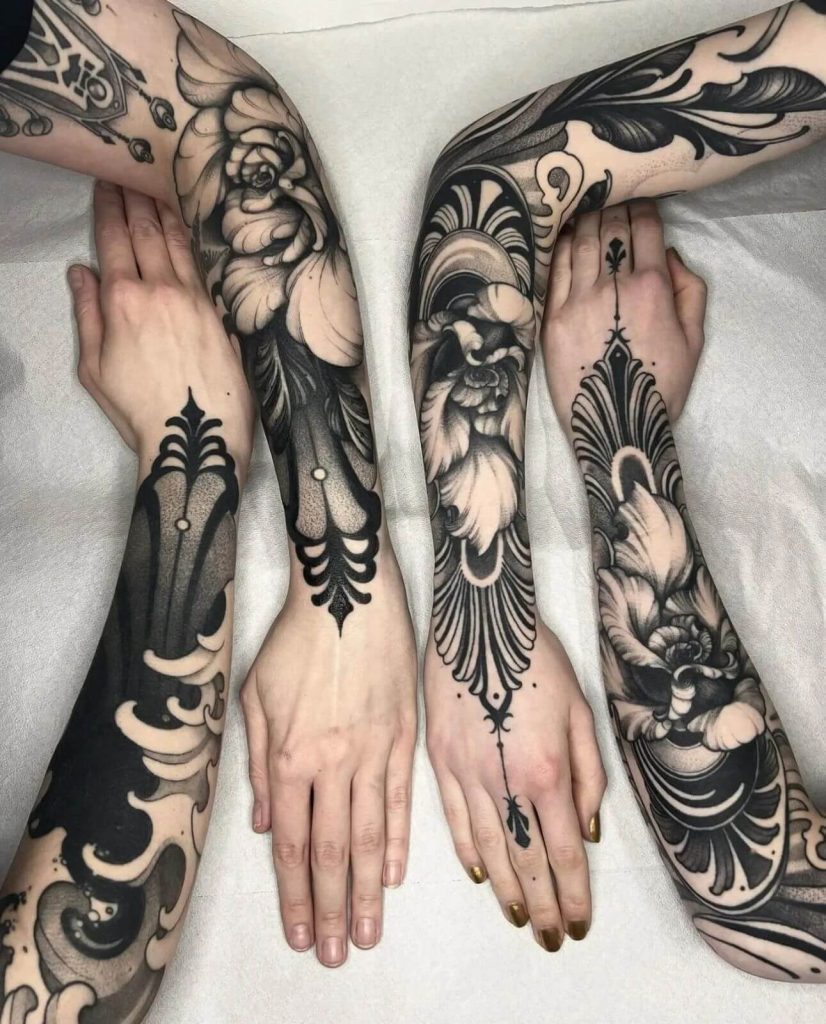
Blackwork is not just “black tattoos.” It’s a discipline that relies on saturation, negative space, and geometric or organic shapes to create impact. Unlike fine line or dotwork, blackwork often uses thick, consistent lines and large filled areas. It can incorporate geometric, abstract, or ornamental styles, but it rejects the soft shading of realism or micro realism. Think of it as the tattoo equivalent of a woodcut print—bold, immediate, and unforgiving.
In Hoi An, you’ll find artists who specialize in blackwork because the style aligns with the region’s traditional lacquerware and woodblock art. But don’t assume every studio can execute it well. Blackwork requires precise packing of pigment, and any mistake shows up glaringly. That’s why your research should focus on portfolios, not just shop fronts.
Placement: Where Blackwork Works (and Where It Fails)
Placement is not about what looks cool on Instagram; it’s about how the design interacts with your body’s movement and aging. Blackwork’s high contrast means it will stretch and fade differently than lighter styles. Here’s a practical breakdown:
High-Impact Zones
- Forearm and lower leg: These areas have stable skin, minimal stretching, and are easy to cover or show off. A solid black band or geometric pattern here stays crisp.
- Upper back and chest: Large, flat surfaces allow for expansive blackwork—think of a full “armor” piece. The skin here is thick, so saturation holds well.
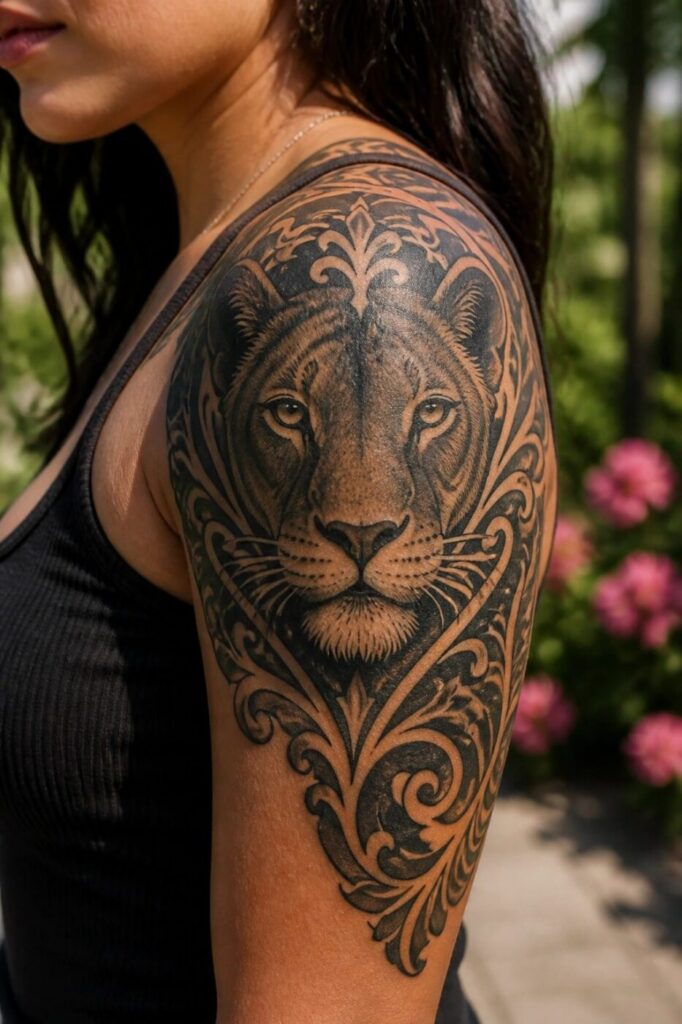
- Shoulder and upper arm: Good for circular or symmetrical designs that follow the muscle curve.
Problem Zones
- Stomach and ribs: Skin here is thin and prone to stretching (weight changes, pregnancy). Blackwork can warp or blur over time.
- Hands and fingers: High movement and sun exposure cause fading and blowouts. Unless you’re a working artist or okay with touch-ups, avoid.
- Inner bicep: Friction from arms can cause fading, and the area is more sensitive—pain can be intense.
For a first blackwork piece, I’d recommend the outer forearm or calf. You can see it, it’s easy to care for, and it’s a canvas that doesn’t distort. If you’re planning a full sleeve, start with the upper arm and work down—that way, you can adjust the design as you go.
The Booking Checklist: Before You Commit in Hoi An
Booking a tattoo in a tourist city like Hoi An is different from your hometown. You have limited time, maybe a few days, and you might be tempted by walk-in shops. Resist the rush. Use this checklist to avoid regret:
- Check the artist’s portfolio for blackwork specifically. Not all artists who post “black tattoos” do true blackwork. Look for solid fills, clean edges, and no patchy areas.
- Ask about their sterilization process. In Vietnam, regulations vary. A professional studio will have an autoclave, single-use needles, and medical-grade ink. Don’t be shy to ask.
- Read reviews on independent platforms. Don’t rely solely on Google Maps; check verified studios and local Facebook groups for real client experiences.
- Request a consultation in advance. Even if you’re already in Hoi An, message the studio on Instagram or Zalo to discuss your design and get a price estimate. Use our tattoo cost estimator to gauge a fair range.
- Confirm the aftercare products they recommend. In Hoi An’s humid climate, you need a breathable, non-comedogenic moisturizer. Avoid heavy ointments that can trap sweat.
- Plan your schedule. Don’t book a tattoo the day before you fly home. Give yourself at least 48 hours to handle initial swelling and to avoid sun exposure on a fresh tattoo.
Blackwork Styles That Thrive in Hoi An
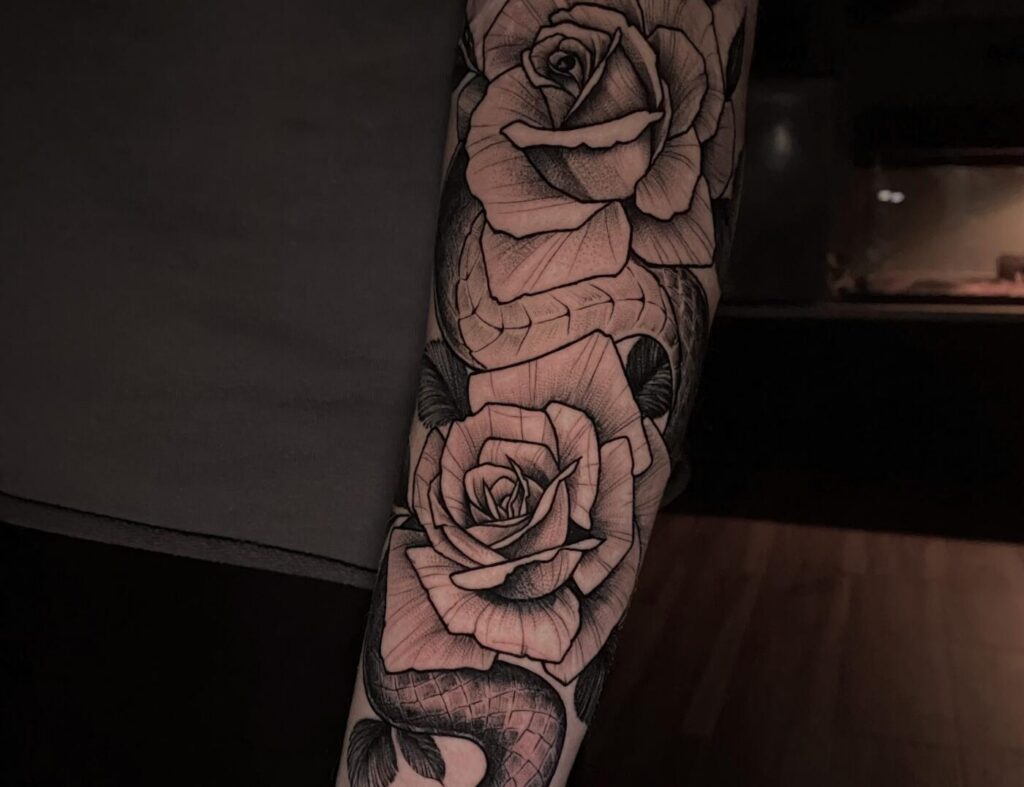
While any blackwork style can be done anywhere, some resonate with Hoi An’s atmosphere. Consider these:
- Ornamental: Intricate, symmetrical patterns that echo the town’s architecture and lantern designs. They work well on the forearm or back.
- Geometric: Sharp lines and shapes that contrast with the soft, organic feel of the old town. A geometric sleeve can be a stunning conversation starter.
- Abstract: Flowing black shapes that mimic the Thu Bon River or the curves of the old roofs. These pieces are unique and personal.
- Japanese traditional: Though not strictly blackwork, Japanese motifs often use bold black shading. If you’re a fan of irezumi, find an artist who blends that with blackwork techniques.
Avoid watercolor or neo-traditional if you’re set on blackwork—they rely on color and soft blending. Stick to the core styles above for a cohesive look.
Aftercare in Hoi An’s Climate
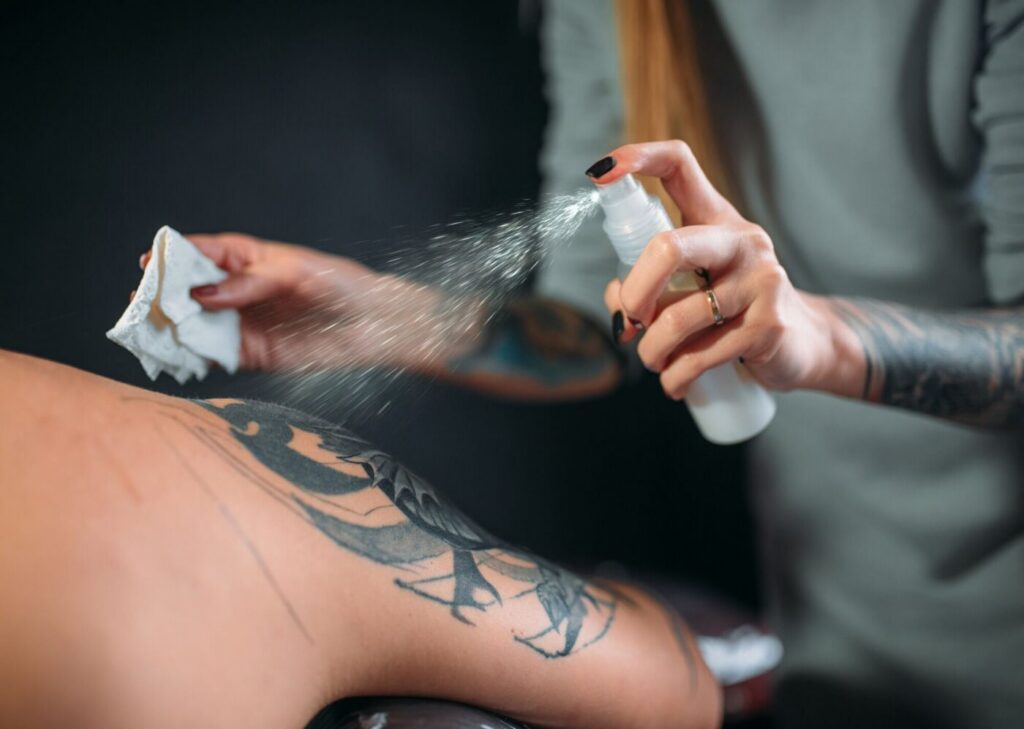
Hoi An is hot and humid, which is a recipe for infection if you’re careless. Here’s how to protect your blackwork:
- Keep it dry for the first 24 hours. Sweat is your enemy. Avoid long walks, motorbike rides, and beach time.
- Wash gently with mild soap. Use your hands, not a cloth, and pat dry with a clean paper towel.
- Moisturize with a light lotion. Ask your artist for a recommendation—something like Hustle Butter or a fragrance-free lotion.
- No swimming. The ocean and pools are full of bacteria. Wait at least 2 weeks.
- Cover it from the sun. Once healed, always use SPF 50 on the tattoo. Blackwork fades faster in UV, so be vigilant.
FAQ

1. How much does a blackwork tattoo cost in Hoi An?
Prices vary by artist and size. A small piece (palm-sized) might start at 1,500,000 VND (~$60), while a full sleeve can exceed 10,000,000 VND (~$400). Always get a written quote and use our estimator for a baseline.
2. Is blackwork more painful than other styles?
Pain depends on placement and your tolerance, but blackwork involves long sessions of packing solid color, which can cause more skin trauma. Take breaks and stay hydrated.
3. Can I get a blackwork tattoo if I have sensitive skin?
Yes, but you should do a patch test first. Discuss any allergies with your artist. In Hoi An’s heat, irritation is more common, so follow aftercare strictly.
4. How do I find a reliable studio in Hoi An?
Look for verified studios on our platform, check their sterilization practices, and read reviews from other travelers. Don’t trust a flashy Instagram alone—ask for healed photos.
Final Thoughts
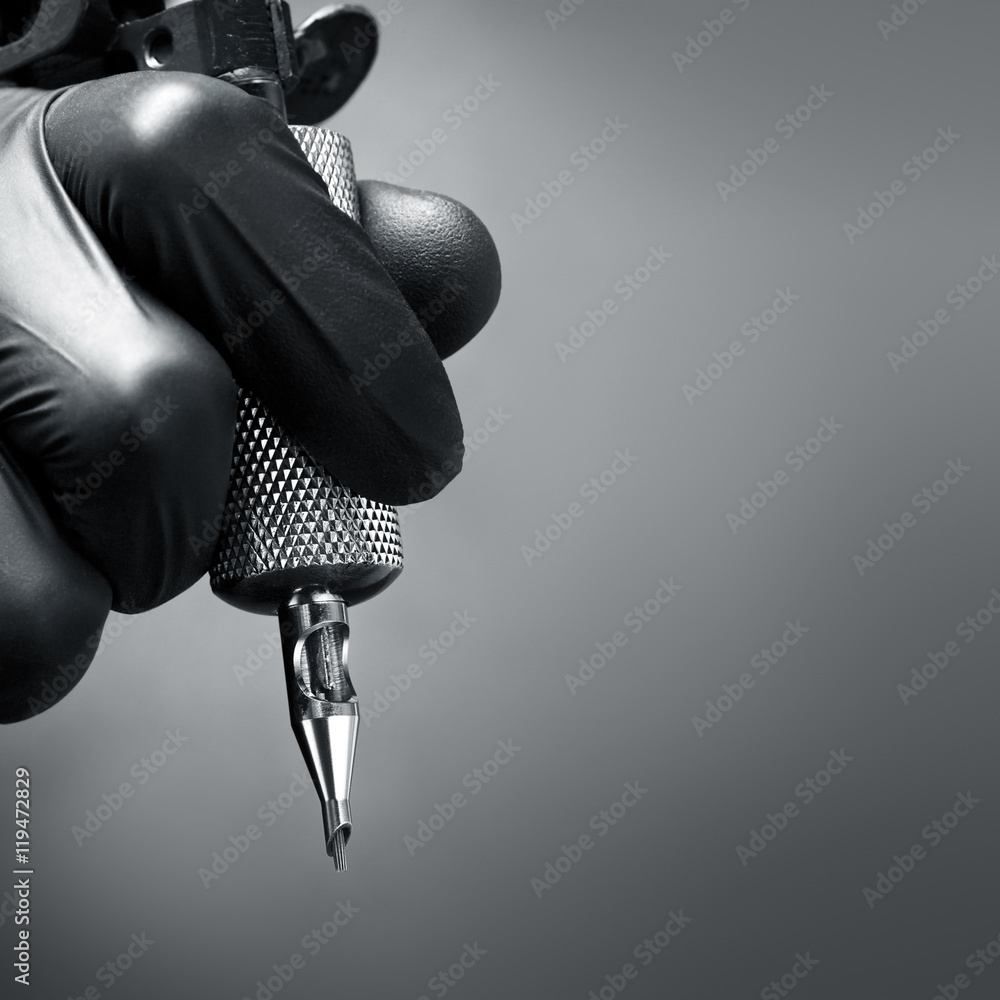
Blackwork in Hoi An is a bold choice that can be deeply rewarding if you plan it right. The city’s artistic heritage provides a unique backdrop, but the fundamentals remain: research your artist, choose placement wisely, and respect the healing process. Whether you’re getting a small geometric piece or a full back panel, the effort you put into preparation will show in the final result. When you’re ready, browse our studio rankings and studio directory to find a blackwork specialist who fits your style. And remember—a tattoo is forever, but the memory of getting it in Hoi An should be a good one.
Content hub
Trusted studio pillar
This article belongs to the studio cluster. Open the pillar page for hygiene standards, healed portfolio checks, Verified signals and how to choose a studio.
Related reading
Continue reading
Realism Tattoo in Hoi An: Travel Planning & Healed-Result Expectations
Planning a realism tattoo in Hoi An? Learn how to schedule your trip, what to expect during healing,…
Tattoo Studio Hoi An: Travel Tattoo Planning & Safe Booking Guide
Plan your travel tattoo in Hoi An safely. This guide covers hygiene checks, booking checklist, healed results, and…
Fine Line Tattoo Hoi An: Design Scale & Healed Expectations – A Local Expert Guide
Discover the truth about fine line tattoo design scale and healed expectations in Hoi An. Expert tips on…