Micro Realism Tattoo: Reference Scale, Skin Texture & Healed Detail – The Expert Guide
Understanding Micro Realism Tattoo
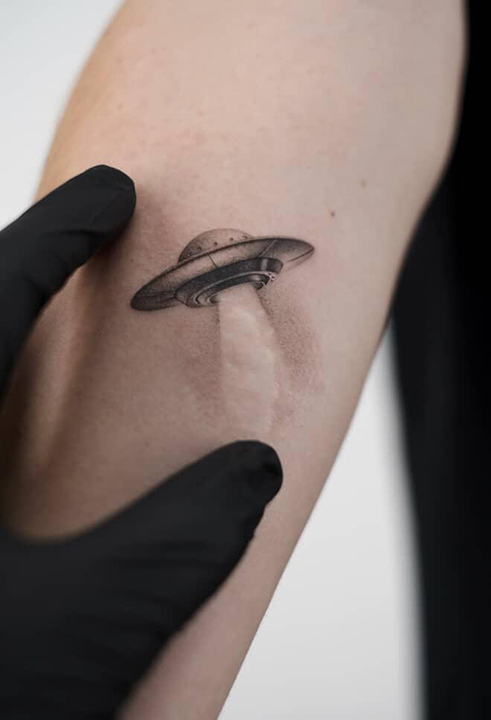
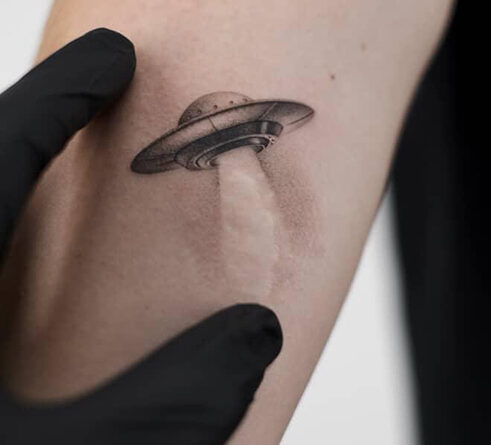
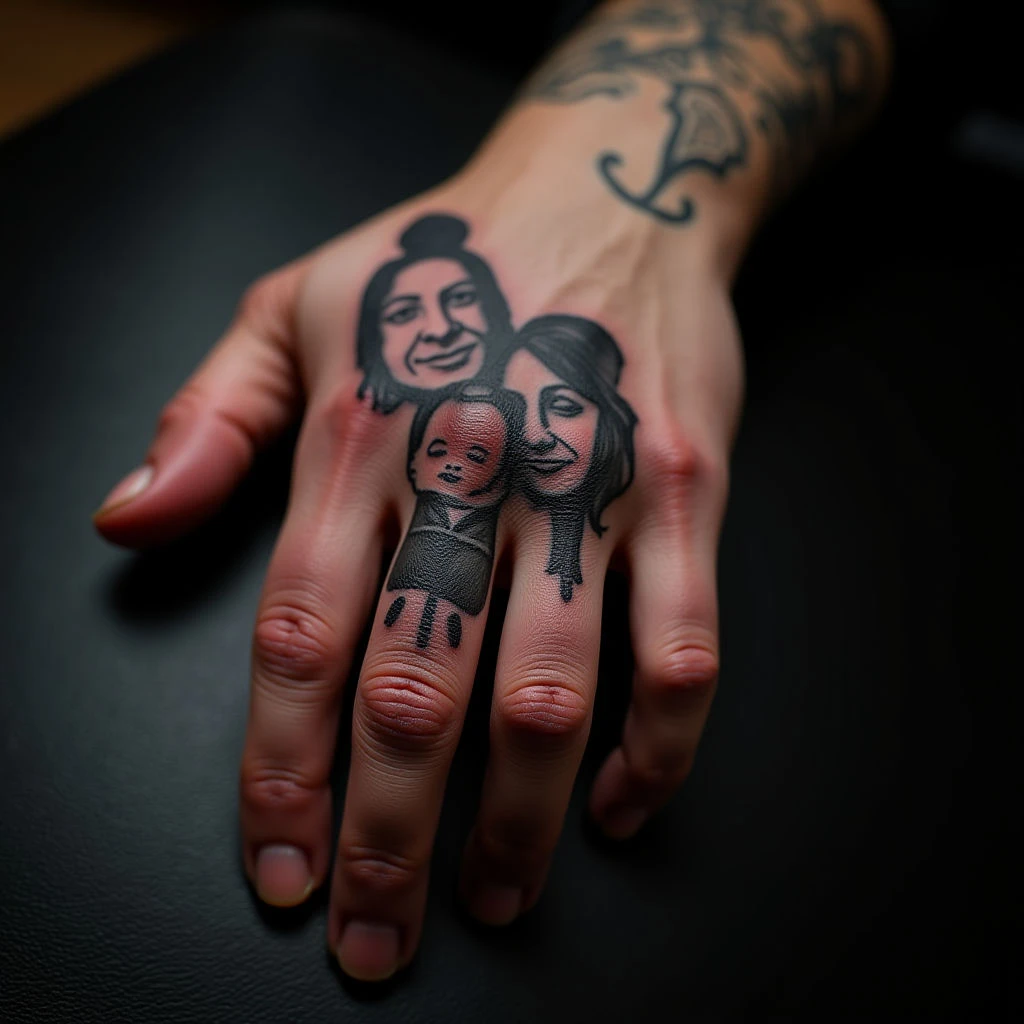
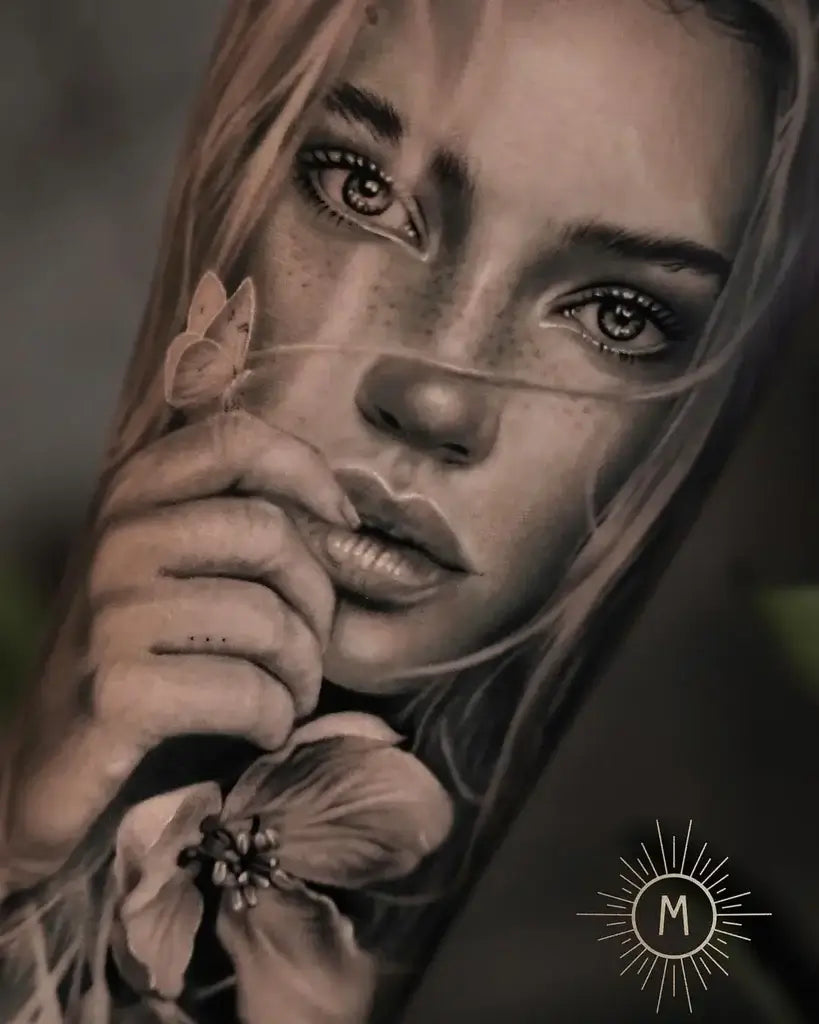
Micro realism tattoo is a specialized style that reproduces hyper-detailed images at a small scale. Unlike traditional realism, which often covers large areas, micro realism focuses on minute details—like eyelashes, skin pores, or reflections—within a compact design. This guide covers critical factors for achieving a successful micro realism tattoo: reference quality, scale limits, skin texture, contrast, healed detail, and portfolio checks.
1. Reference Quality: The Foundation of Detail
The reference image determines the tattoo’s potential. For micro realism, use high-resolution photos with clear shadows and highlights. Avoid blurry or low-contrast references. A good reference should have at least 300 DPI for digital files. Discuss with your artist how they will translate the reference into a tattoo stencil. They may simplify overly complex areas to maintain clarity at small sizes.
2. Scale Limits: How Small Is Too Small?
Micro realism tattoos typically range from 2 to 10 cm (0.8 to 4 inches) in diameter. The minimum size depends on the subject: a portrait may need at least 4 cm to capture facial features, while an insect or flower can work at 2 cm. A general rule: if you can’t see the details clearly from arm’s length, the tattoo is too small. The artist’s needle grouping (e.g., 3RL, 5RL) also limits how fine the lines can be. Fine lines require single needles, but these may not hold well over time.
3. Skin Texture: The Canvas Matters
Skin texture affects how ink settles. Smooth, scar-free skin yields the sharpest micro realism. Areas with large pores, hair, or existing tattoos can distort fine details. The artist should assess your skin’s elasticity and thickness. For example, inner forearm skin is often ideal, while knuckles or elbows are too mobile. Sun-damaged or aged skin may not hold micro details as well. Pre-tattoo exfoliation and moisturizing can improve ink acceptance, but avoid over-moisturizing before the session.
4. Contrast: The Secret to Legibility
High contrast between light and dark areas is essential for micro realism. Without enough contrast, the design becomes a muddy blob. Artists use black ink for deep shadows and leave negative space for highlights. Grey wash is used sparingly to create smooth transitions. Check the artist’s healed work: if their tattoos look flat, they may not use enough contrast. For color micro realism, complementary colors (e.g., orange and blue) enhance depth.
5. Healed Detail: What to Expect
Micro realism tattoos change during healing. Fresh tattoos appear crisp, but as the skin regenerates, some fine lines may blur or fade. This is normal. The artist should show you healed photos (at least 6 months old) of similar-sized work. A well-executed micro realism tattoo retains 80-90% of its detail after healing. Factors that affect healing: aftercare compliance, sun exposure, and skin type. Oily skin can cause ink spread, while dry skin may cause flaking that removes ink.
6. Portfolio Checks: What to Look For
Not all realism artists can do micro realism. Look for a portfolio with multiple small-scale tattoos (under 5 cm) that show clear details. Check for consistent needlework, smooth shading, and proper placement. Healed photos are non-negotiable. Ask to see the same subject (e.g., a portrait) in both fresh and healed states. Red flags: overly filtered images, only large tattoos, or no healed examples.
Practical Checklist for Getting a Micro Realism Tattoo
- Bring a high-resolution reference image (300 DPI+).
- Discuss scale: ask the artist for a stencil and view it on your skin.
- Check your skin’s condition: avoid sunburn, cuts, or rashes.
- Request a contrast test: the artist can draw a small sample on your skin.
- Ask for healed photos of micro realism tattoos from their portfolio.
- Plan aftercare: use a thin layer of unscented moisturizer, avoid soaking.
FAQ
Can micro realism tattoos be done in color?
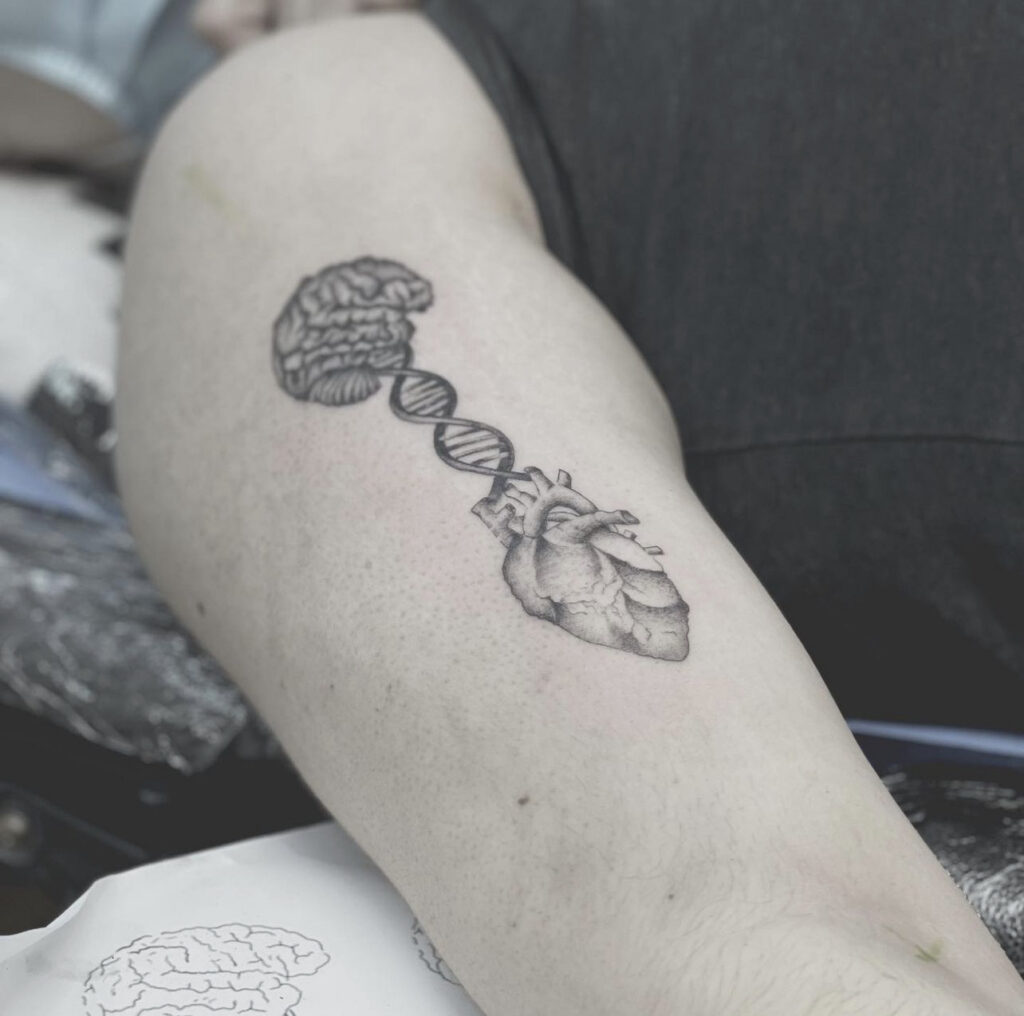
Yes, but color micro realism requires even more precision. Colors fade faster than black ink, so the artist must use high-contrast pigments. Healed color micro realism often looks softer than fresh.
How long does a micro realism tattoo take?
A 3 cm micro realism tattoo can take 2–4 hours. Complex designs may require multiple sessions. The artist’s speed and your pain tolerance affect duration.
Will my micro realism tattoo blur over time?
Some blurring is inevitable as the skin ages. However, proper placement (avoiding high-motion areas) and good aftercare can minimize it. Touch-ups are common after 5–10 years.
How do I find a specialist in micro realism?
Search for artists who exclusively post micro realism work. Use hashtags like #microrealismtattoo on social media. Verify their experience by examining healed photos and reading reviews on platforms like Studio or Verified Studios.
For more inspiration, browse our Magazine or consult with an artist via Consultation. If you’re looking for supplies, visit our Marketplace.
Read more
- Magazine for more tattoo knowledge, style guides and aftercare notes.
- Request a consultation if you need help with style, placement or preparation.
- Marketplace for equipment, supplies and learning resources.
Content hub
Tattoo styles pillar
This article belongs to the styles cluster. Open the pillar page to compare Irezumi, Old School, Realistic, Blackwork, Fine line, Geometric and Watercolor.
Related reading
Continue reading
Polynesian Tattoo Healed Portfolio Review: A Specialist Guide to Body Mapping, Symbol Research and Respectful Consultation
A specialist editor's guide to reviewing healed Polynesian tattoo portfolios: body mapping, symbol research, respectful consultation questions, and…
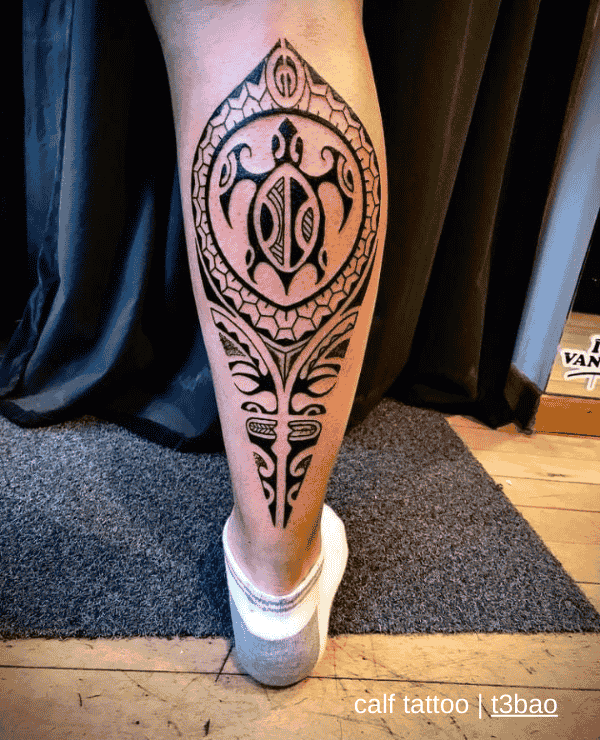
Polynesian Tattoo: Placement and Body-Flow Decisions
A specialist guide to Polynesian tattoo placement and body-flow decisions: body mapping, motif density, symbol research, respectful consultation…

Polynesian Tattoo Design Consultation Checklist: Body Mapping, Symbol Research & Respectful Planning
A specialist Polynesian tattoo consultation checklist covering body mapping, symbol research, cultural permission, technique, booking questions, and respectful…