
Mastering Tattoo Pain: The Ultimate Guide to Preparation & Session Planning
Introduction
Getting a tattoo is an exhilarating experience, but the anticipation of pain can be daunting. As a senior tattoo editor, I’ve compiled expert advice on how to prepare your body and mind, plan your session, and manage pain effectively. This guide covers sleep, nutrition, hydration, pain expectations, break strategies, placement sensitivity, session length, and crucial questions to ask before booking.
Sleep: The Foundation of Pain Tolerance
A well-rested body handles pain better. Aim for 7–9 hours of quality sleep the night before your session. Sleep deprivation lowers your pain threshold and impairs healing. Avoid caffeine or alcohol close to bedtime. If you’re anxious, try meditation or a warm bath. A rested mind is more resilient.
Food & Hydration: Fuel Your Body
Eat a balanced meal 2–3 hours before your appointment. Include complex carbs (oatmeal, whole grains) for sustained energy, lean protein (chicken, tofu) for tissue repair, and healthy fats (avocado, nuts) for anti-inflammatory benefits. Avoid heavy, greasy foods that can cause nausea. Stay hydrated by drinking water throughout the day—dehydration makes skin less elastic and increases pain. Skip alcohol and excessive caffeine, as they thin the blood and can cause excess bleeding.
Pain Expectations: What to Realistically Expect
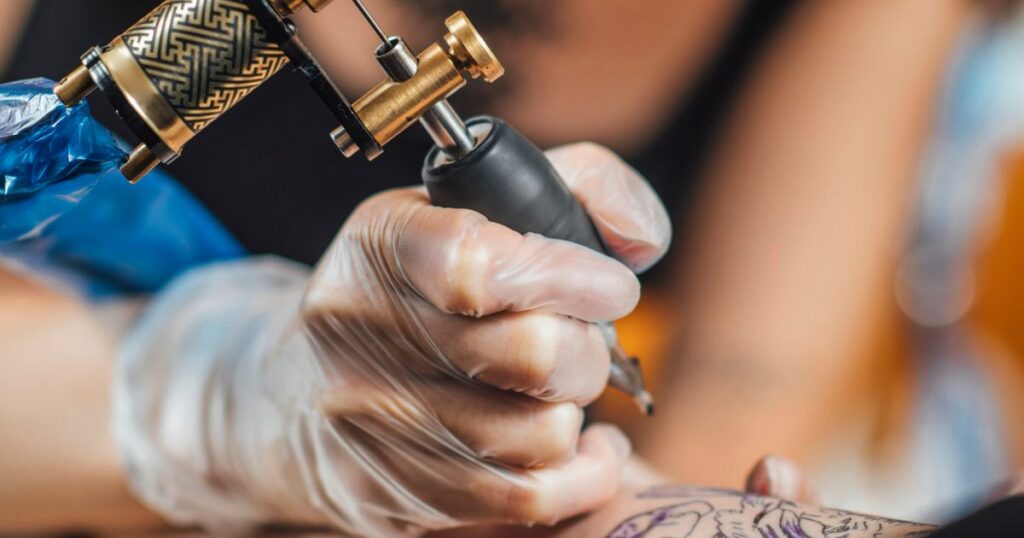
Tattoo pain varies by placement, size, and individual tolerance. Most describe it as a scratching or burning sensation. Areas with thin skin and many nerve endings (ribs, spine, inner arm) hurt more. Fleshy areas (outer arm, thigh) are more tolerable. Remember: pain is temporary, the art is permanent. Your artist can adjust pressure and take breaks as needed.
Breaks: When and How to Take Them
Communicate with your artist. If you need a break, say so. Most sessions include short breaks every 30–60 minutes. Use them to stretch, breathe, and rehydrate. Avoid long breaks that can cause muscles to tense up. Trust your artist’s guidance on optimal break timing.
Placement Sensitivity: A Body Map of Pain
Sensitivity varies by body part. The most painful spots: ribs, sternum, spine, hands, feet, armpits, and groin. Moderate pain: knees, elbows, inner bicep, and shins. Least painful: outer arm, shoulder, calf, and buttocks. Discuss placement with your artist based on your pain tolerance and design.
Session Length: How Long Is Too Long?
Typical sessions last 2–4 hours for small to medium pieces. Full-day sessions (6–8 hours) are possible for larger work but require excellent preparation and stamina. Your skin can only take so much trauma; after 4–5 hours, pain and swelling increase, and healing slows. Listen to your body and your artist’s advice.
What to Ask Before Booking: 10 Essential Questions
- What is your experience with this style and placement?
- Can I see a portfolio of healed tattoos?
- What is the estimated session length and number of sessions?
- What is your policy on breaks and rescheduling?
- Do you offer numbing agents? What are the pros and cons?
- How do you handle aftercare instructions?
- What is the pricing structure (hourly or flat rate)?
- Are there any health conditions that would prevent tattooing?
- What is your sterilization and hygiene protocol?
- Can I bring a friend for support?
FAQ
1. Can I take painkillers before a tattoo?
Avoid aspirin, ibuprofen, and blood thinners. Acetaminophen (Tylenol) is generally safe but consult your doctor. Never take medication without medical advice.
2. How do I know if I have a low pain tolerance?
If you dread needles or faint easily, you may have a lower threshold. Discuss with your artist; they can suggest strategies like numbing cream or shorter sessions.
3. What should I wear to my session?
Loose, comfortable clothing that allows easy access to the tattoo area. Avoid tight sleeves or pants that rub the fresh tattoo.
4. Is it normal to feel nauseous during tattooing?
Yes, some people feel queasy due to adrenaline. Eat a light meal beforehand and inform your artist. They can pause or adjust your position.
Final Tips
Prepare mentally: visualize the result and trust your artist. Bring distractions like music or podcasts. Aftercare is as important as preparation—follow instructions carefully. For more insights, visit our consultation page or explore our magazine for expert articles.
Read more
- Magazine for more tattoo knowledge, style guides and aftercare notes.
- Request a consultation if you need help with style, placement or preparation.
- Marketplace for equipment, supplies and learning resources.
Content hub
Tattoo aftercare pillar
This article belongs to the aftercare cluster. Open the pillar page for the healing timeline, cleaning routine, moisturizing basics and warning signs.
Related reading
Continue reading

Tattoo Swelling by Body Placement: What’s Normal and When to Seek Help
Swelling after a tattoo is normal, but it varies by body placement. Learn what to expect, normal vs.…
Tattoo Touch-Up Guide: When Color Settles, When to Wait, and When to Ask
Learn when to wait, when to ask, and what to expect from a tattoo touch-up. A practical guide…

The Complete Tattoo Consultation Checklist: What You Must Know Before Booking a Custom Design
A complete guide to your first tattoo consultation: from idea brief and references to skin check, placement, pain,…