
Traditional vs Neo-Traditional Tattoo: Line, Color, and Healed Readability – A Professional Guide
Introduction: Two Pillars of Tattoo Art
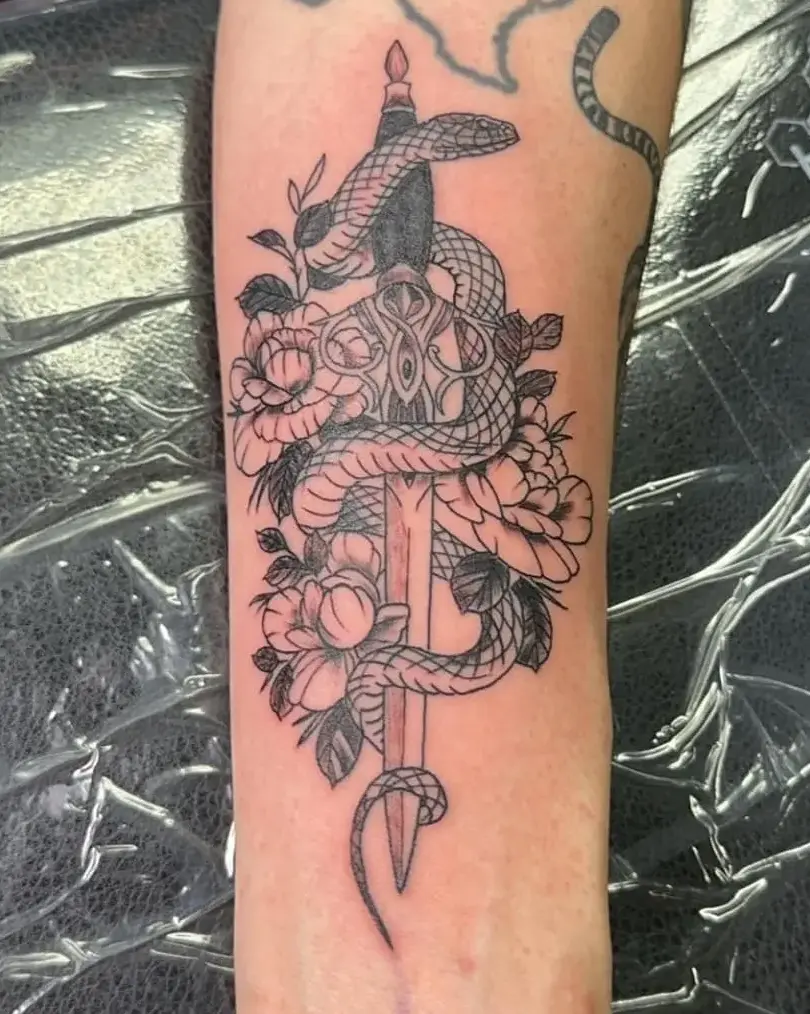
Traditional and Neo-Traditional tattoos represent two distinct eras of tattooing. While both share roots in bold designs, their approach to line, color, and aging differs significantly. This guide breaks down the technical differences to help you choose the style that best suits your vision and skin.
1. Linework: The Foundation

Traditional Lines
Traditional tattoos use a consistent, thick line – typically a single-pass 7-9 round liner (RL) needle. The line is black, unshaded, and designed to hold its shape for decades. Expect a slightly raised, palpable line after healing.
Neo-Traditional Lines
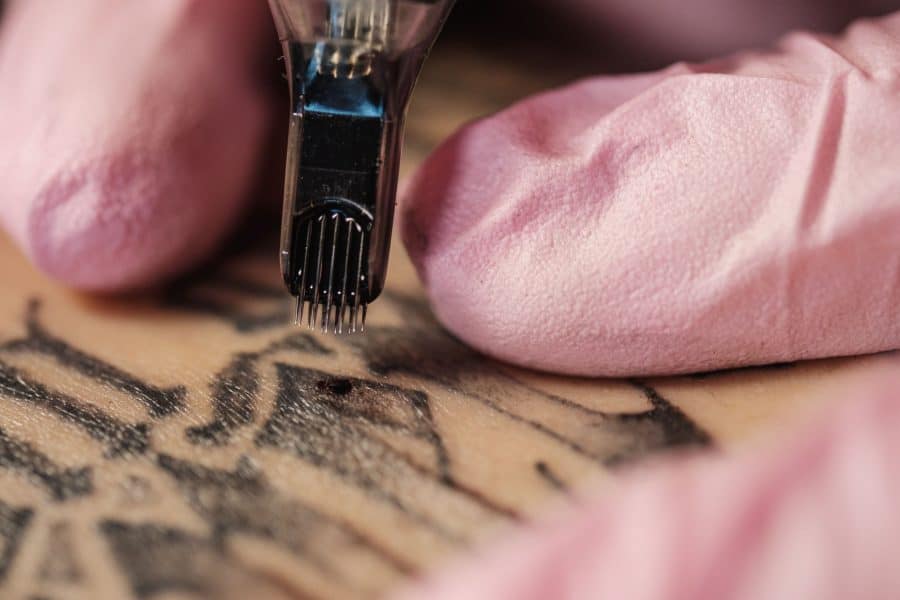
Neo-Traditional employs varied line weights – from thin 3RL for details to thick 11RL for outlines. Lines may be shaded or colored, mimicking illustration. The result is more depth but requires precise needle control to avoid blowouts.
2. Color Palette and Application
Traditional Colors
Limited to a small set of primary colors: red, yellow, green, blue, black, and brown. Colors are applied solidly with no shading, creating a flat, poster-like look. This simplicity ensures longevity.
Neo-Traditional Colors
Unlimited palette – muted earth tones, pastels, and complex blends. Shading, gradients, and highlights add dimension. However, lighter colors may fade faster and require touch-ups.
3. Healed Readability: What to Expect
Traditional Aging
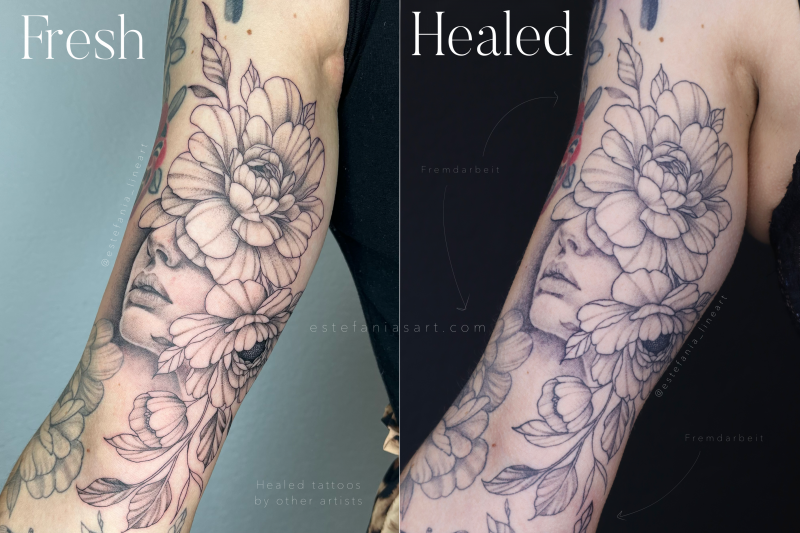
Thanks to heavy black outlines and solid color, traditional tattoos remain legible even after decades. The bold contrast withstands skin aging and sun exposure. Minor spread of lines actually enhances the design.
Neo-Traditional Aging
Fine lines may blur over time, and subtle color transitions can muddy. The tattoo may lose contrast if the black isn’t saturated. Proper aftercare and sun protection are critical.
4. Design Motifs
Traditional Motifs
Classic icons: anchors, swallows, roses, daggers, eagles, ships. Symbolism is straightforward – strength, freedom, love.
Neo-Traditional Motifs
Expanded subject matter: animals, portraits, botanical illustrations, fantasy creatures. Often combines realism with stylized elements.
5. Healing and Aftercare Differences
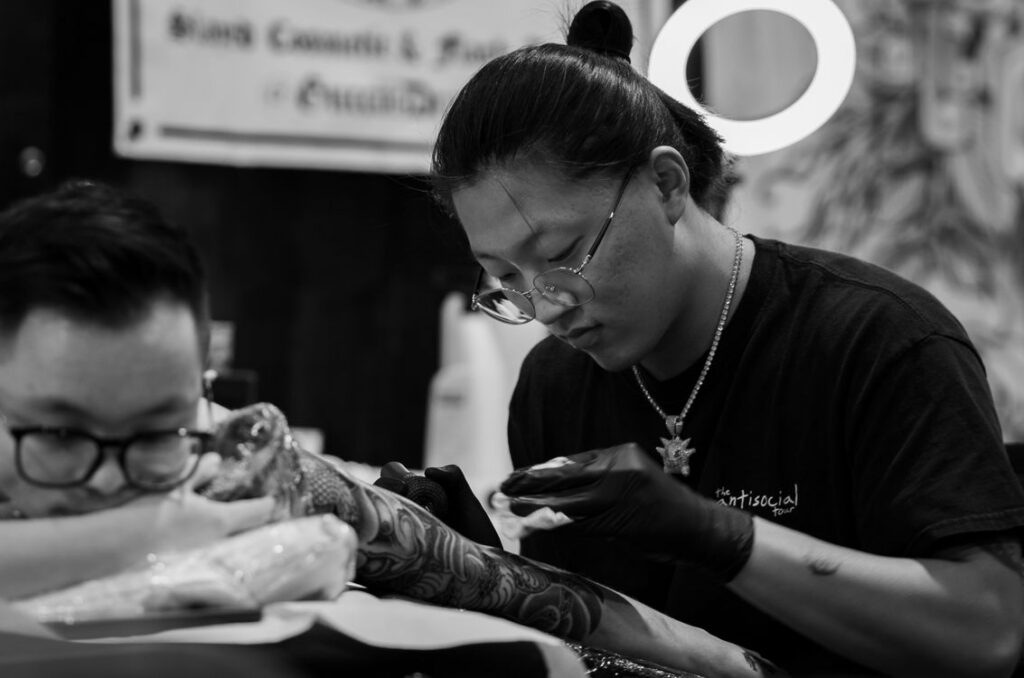
Both styles require standard aftercare, but Neo-Traditional tattoos are more delicate. Avoid excessive moisture or sun during healing to prevent color distortion. Traditional tattoos are more forgiving.
6. Decision Guide: Which Style is Right for You?
- Choose Traditional if you want a timeless, low-maintenance tattoo that ages gracefully.
- Choose Neo-Traditional if you prefer artistic detail, color variety, and are committed to aftercare.
- Mix both? Some artists create hybrid pieces using Traditional outlines with Neo-Traditional shading.
FAQ
1. Which style hurts more?
Pain depends on placement, not style. Both use similar needle depths.
2. Can I get a Neo-Traditional tattoo in black and grey?
Yes, Neo-Traditional blackwork uses shading instead of color.
3. How do I find an artist specialized in each style?
Check portfolios on verified studio profiles and look for consistent linework and color saturation.
4. What about touch-ups?
Neo-Traditional may need touch-ups sooner due to fine lines and light colors. Traditional tattoos rarely need them.
Conclusion
Both styles are beautiful but serve different preferences. Consider your lifestyle, pain tolerance, and design vision. For more style comparisons, explore our magazine.
Read more
- Magazine for more tattoo knowledge, style guides and aftercare notes.
- Request a consultation if you need help with style, placement or preparation.
- Marketplace for equipment, supplies and learning resources.
Content hub
Tattoo styles pillar
This article belongs to the styles cluster. Open the pillar page to compare Irezumi, Old School, Realistic, Blackwork, Fine line, Geometric and Watercolor.
Related reading
Continue reading
Lettering Tattoo Healed Portfolio Review: Kerning, Baseline & Placement Distortion
A specialist healed-portfolio review guide for Lettering tattoos, focused on kerning, baseline control and placement distortion. Includes concrete…
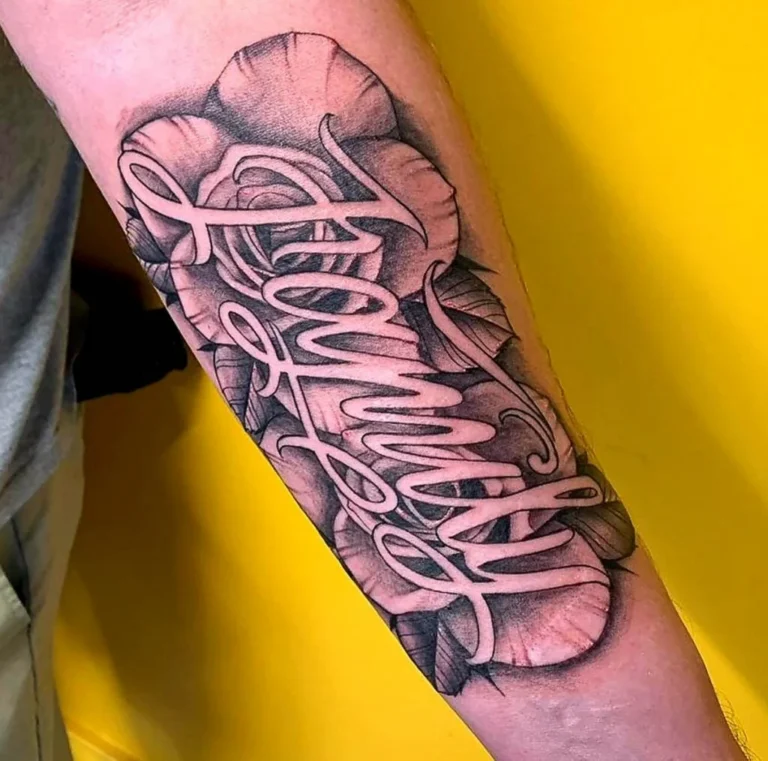
Lettering Tattoo Placement: A Specialist Guide to Kerning, Baseline Control, and Body-Flow Distortion
A specialist guide to lettering tattoos focusing on kerning, baseline control, and placement distortion. Learn how to plan…

Lettering Tattoo Design Consultation Checklist: Kerning, Baselines, and Placement Distortion
A specialist consultation checklist for lettering tattoos covering kerning, baseline control, and placement distortion. Includes practical tests, booking…