Cover-Up Tattoo Hanoi: The Essential Consultation Checklist & Realistic Limits
Why a Cover-Up Tattoo in Hanoi Requires Extra Care
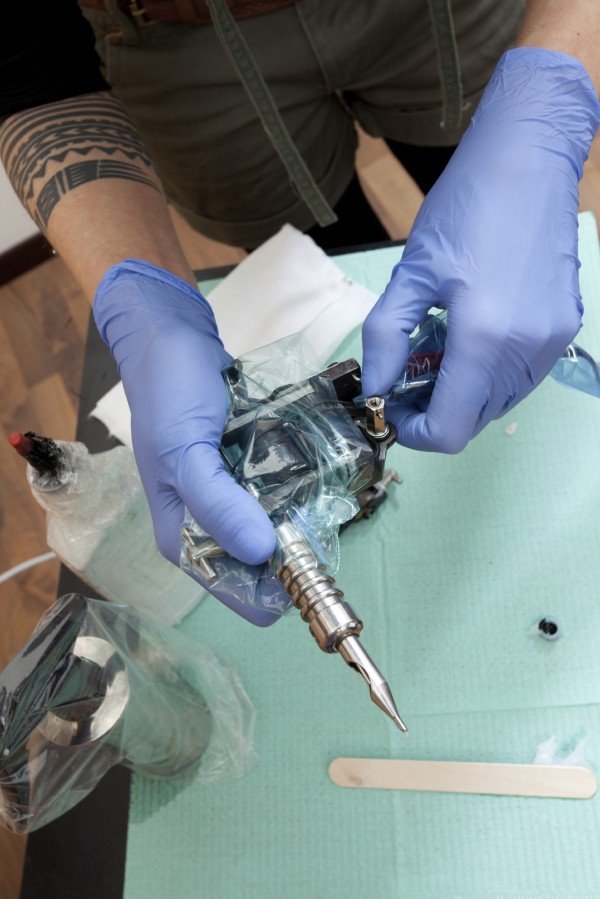
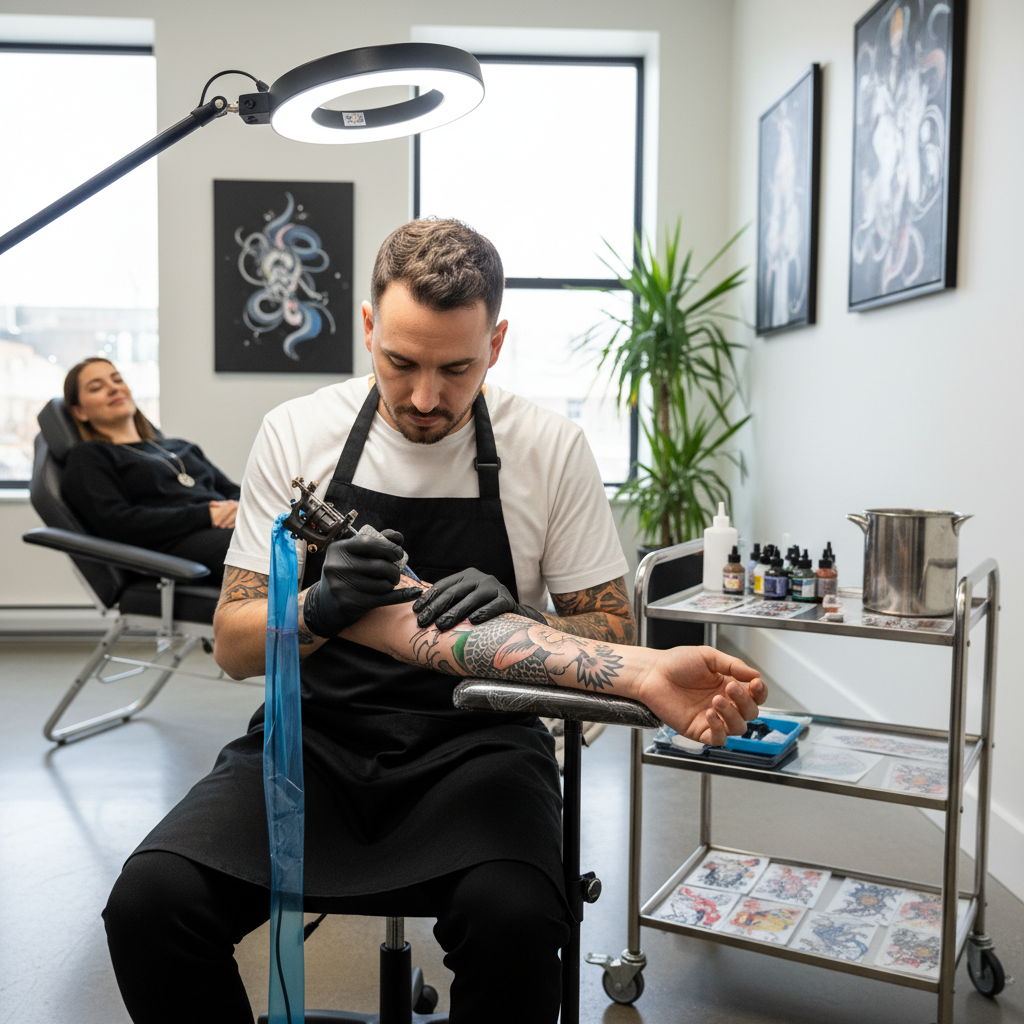
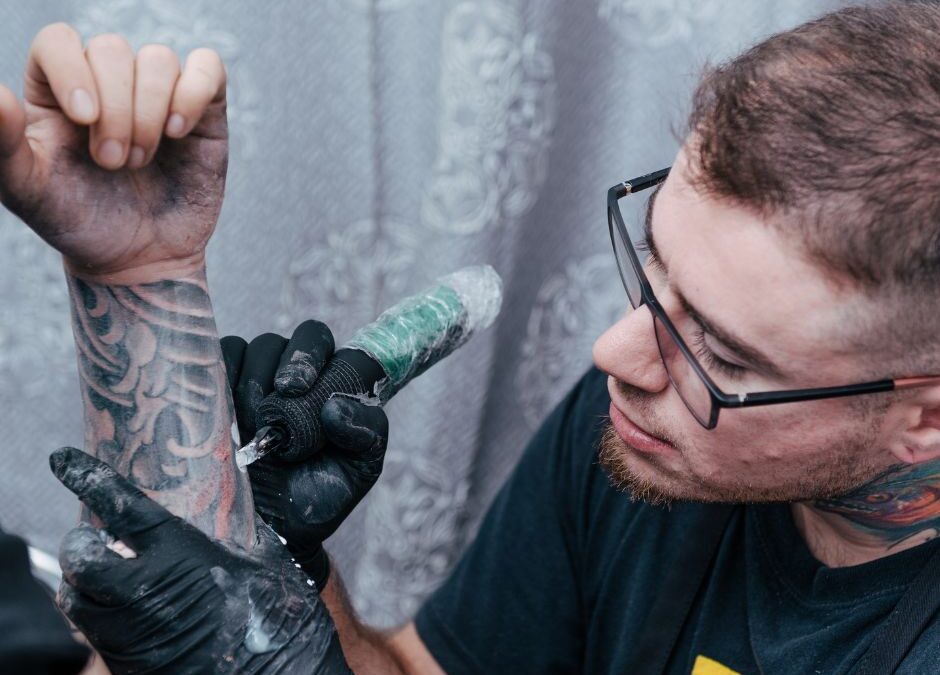
Hanoi’s tattoo scene has matured rapidly, but cover-up work remains one of the most technically demanding procedures. Unlike a fresh design on blank skin, a cover-up must work with existing ink, scar tissue, and skin texture. Many clients walk into studios expecting a magic eraser, but the reality is more nuanced. This guide walks you through what to check during your consultation and what limits you must accept before booking.
Consultation Checklist: What to Prepare & Ask
1. Gather Your Reference Material
Bring clear photos of your existing tattoo in natural light, plus any inspiration for the new design. Avoid using filtered or heavily edited images. Your artist needs to see the true colors, line weight, and any fading.
2. Understand Your Skin Condition
If your old tattoo is raised, scarred, or has blowouts, mention it. Covering scar tissue requires different needle depth and packing techniques. Some textures may never look completely smooth.
3. Discuss Color & Density Requirements
Dark, dense old tattoos usually need even darker or heavily saturated new designs. Light watercolor or fine line styles rarely work as covers. Ask your artist: “What style is realistic for this area?”
4. Ask About Size & Design Adaptation
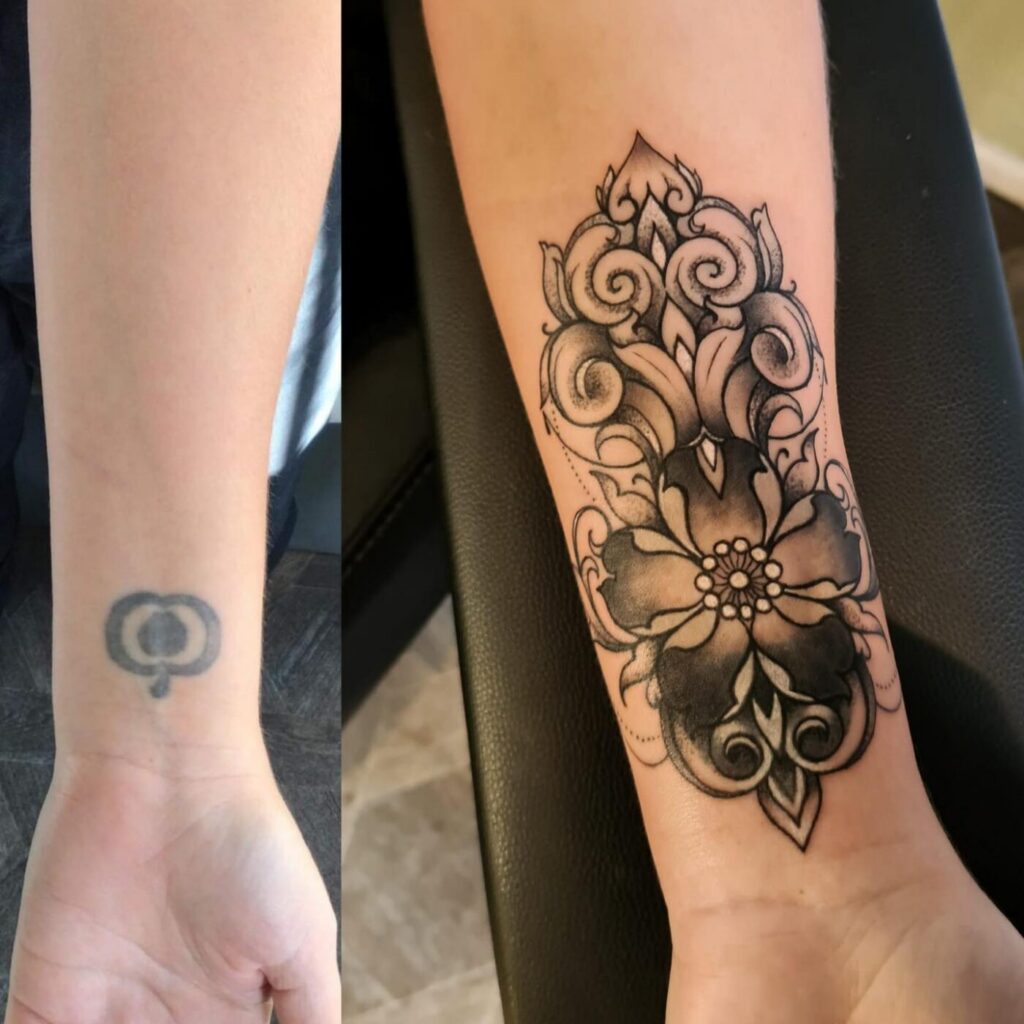
The cover-up will almost always be larger than the original. Be prepared to accept a design that extends beyond the old tattoo boundaries. If you insist on the exact same size, the result may show ghosting.
5. Check the Artist’s Cover-Up Portfolio
Not every skilled tattoo artist excels at cover-ups. Ask to see healed photos of previous cover-ups, not just fresh ones. Look for even saturation and no trace of the old ink.
Realistic Limits: What Cover-Up Tattoos Can’t Do
Complete Erasure Is a Myth
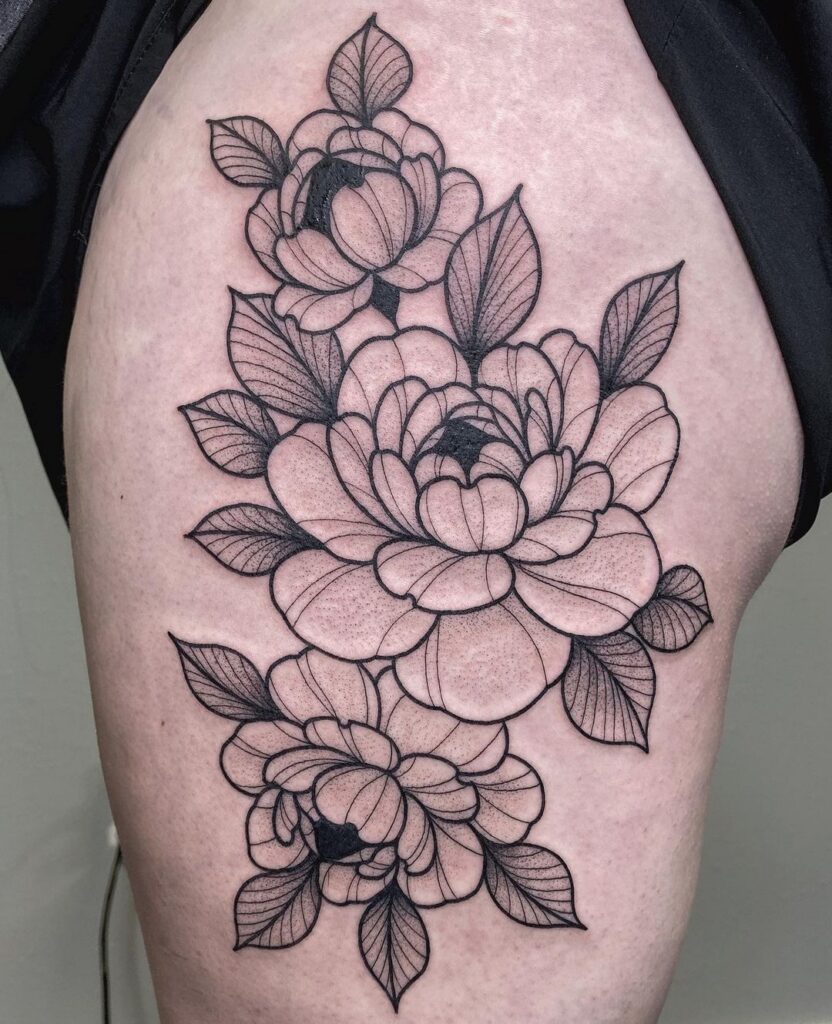
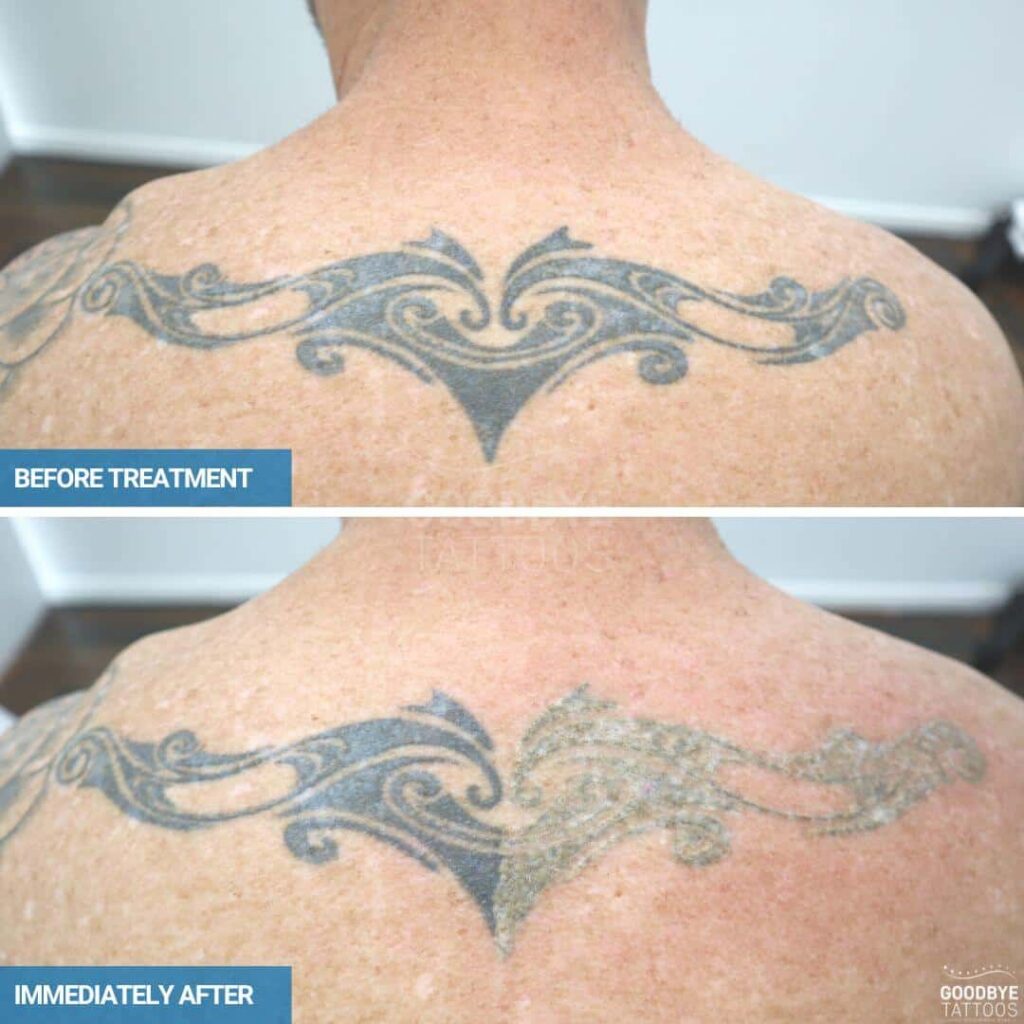
No tattoo can vanish completely under another design. Even the best cover-ups may show faint outlines or old colors under certain lighting. Laser removal before cover-up is sometimes the better route.
Color Limitations
If your old tattoo is dark blue or black, the new design must be at least as dark. Pastels, yellows, and light grays will not hide the old ink. Expect to go darker or use bold blackwork.
Scar Tissue & Texture
Old tattoos often leave scar tissue. Ink may not hold evenly in these areas, and the final texture may be slightly raised or bumpy. An experienced artist can minimize this, but cannot eliminate it.
Step-by-Step Consultation Process
- Initial email or visit: Send photos and describe your goals. The studio should give a preliminary opinion.
- In-person meeting: The artist examines the tattoo under good light, feels the skin, and discusses options.
- Design mockup: A custom stencil is drawn. You may need to approve a larger size or different placement.
- Healing expectations: The artist explains how the cover-up will heal and what touch-ups may be needed.
- Cost & sessions: Cover-ups often require multiple sessions. Get a clear breakdown.
Comparison: Cover-Up vs. Laser Removal vs. Redesign
| Option | Pros | Cons |
|---|---|---|
| Cover-Up | Immediate new design, no extra medical procedure | Larger, darker, may still show old ink |
| Laser Removal | Can lighten or erase tattoo | Expensive, painful, multiple sessions, scarring risk |
| Redesign (incorporation) | Works with old design, smaller than cover-up | Not possible for all tattoos |
FAQ
Can any tattoo be covered?
Most can, but very dark, dense, or scarred tattoos may require multiple sessions or laser pre-treatment. Your artist should be honest during consultation.
How many sessions does a cover-up take?
Typically 1-3 sessions, depending on the old ink density and new design complexity. Healed results often need a touch-up after 6-8 weeks.
Will the cover-up hurt more?
Covering scar tissue can be more painful because the skin is tougher and less elastic. Numbing creams may help, but discuss with your artist.
How long should I wait after the cover-up to see final results?
Full healing takes 4-6 weeks, but the final color and texture may settle after 3 months. Avoid sun exposure during healing.
Internal Resources
Explore more on our ranking page to compare studios, or visit studio directory to find experienced cover-up artists. For deeper guidance, check our consultation section and magazine.
Content hub
Trusted studio pillar
This article belongs to the studio cluster. Open the pillar page for hygiene standards, healed portfolio checks, Verified signals and how to choose a studio.
Related reading
Continue reading
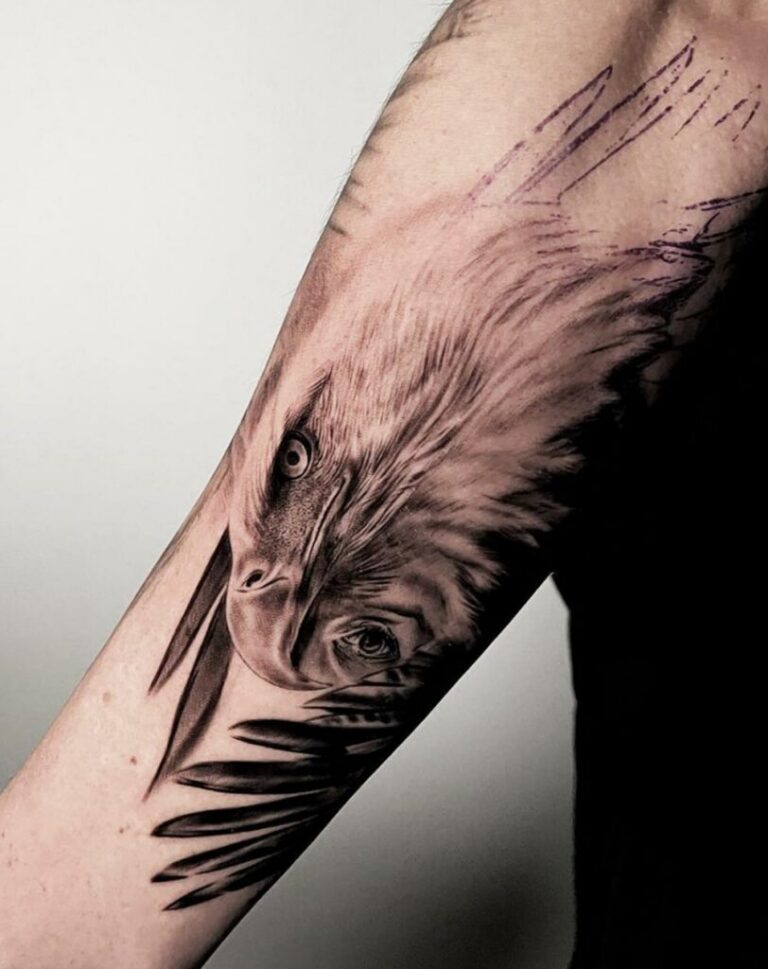
Black and Grey Tattoo Hanoi: Shading Quality & Consultation Checklist
Hanoi's black and grey tattoo scene rewards careful research. This article breaks down shading quality and a consultation…
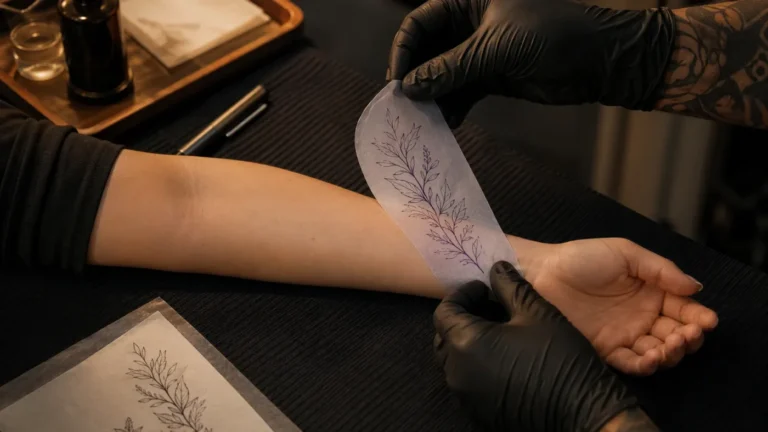
Realism Tattoo Hanoi: The Complete Guide to Reference Preparation and Healed Portfolio Review
Master reference prep and healed portfolio review for realism tattoos in Hanoi. Expert tips on what to bring,…
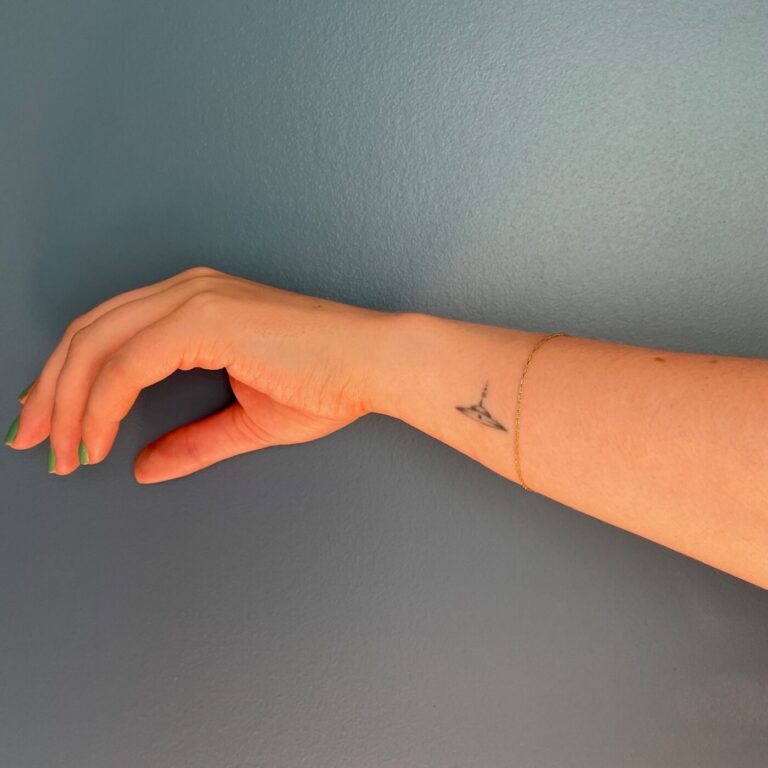
Fine Line Tattoo in Hanoi: How to Check Portfolios & Evaluate Healed Results
Learn how to evaluate fine line tattoo portfolios in Hanoi, check healed results, and avoid common mistakes. Expert…