
The Complete Guide to Fine Line Tattoos: Design Principles, Aging & Placement
Introduction
Fine line tattoos have surged in popularity for their delicate, minimalist aesthetic. But achieving a lasting fine line piece requires more than just a light hand. This guide covers the essential design principles, technical considerations, and practical tips to ensure your fine line tattoo ages gracefully and suits your body. Whether you are considering your first tattoo or adding to a collection, understanding these nuances will help you make informed decisions.
Visual Rules of Fine Line Tattoos

Fine line tattoos rely on subtlety. The key visual rules include:
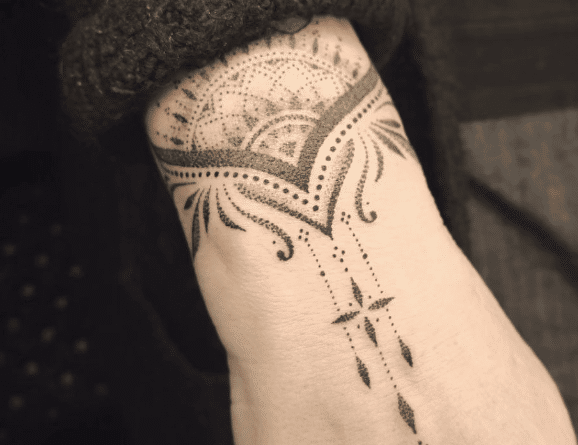
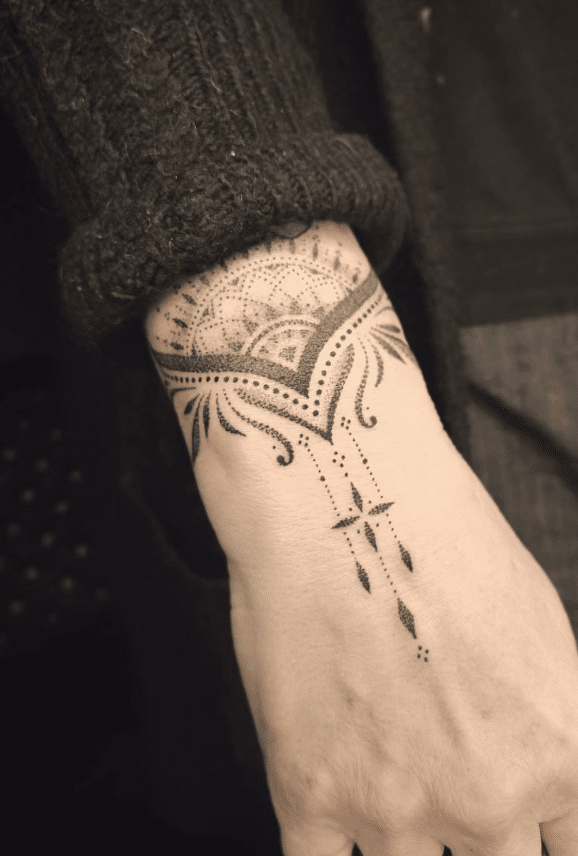
- Simplicity: Clean, uncluttered designs work best. Intricate details may blur over time.
- Contrast: Use negative space effectively. A fine line stands out when surrounded by skin tone.
- Proportion: Scale the design to the body part. A tiny wrist tattoo may not suit a broad back.
Spacing and Line Weight
Proper spacing between lines is critical. Lines that are too close may bleed together as the ink spreads slightly with age. Aim for at least the width of a single line between elements. Line weight should be consistent throughout; avoid abrupt changes in thickness unless intentional for emphasis.
Aging: What to Expect
All tattoos fade over time, but fine line tattoos are more susceptible to blurring and fading. Factors that affect aging:
- Sun exposure: UV rays break down ink particles. Always use sunscreen on tattooed areas.
- Skin type: Oily skin may cause lines to spread more quickly.
- Placement: High-friction areas (hands, feet) tend to fade faster.
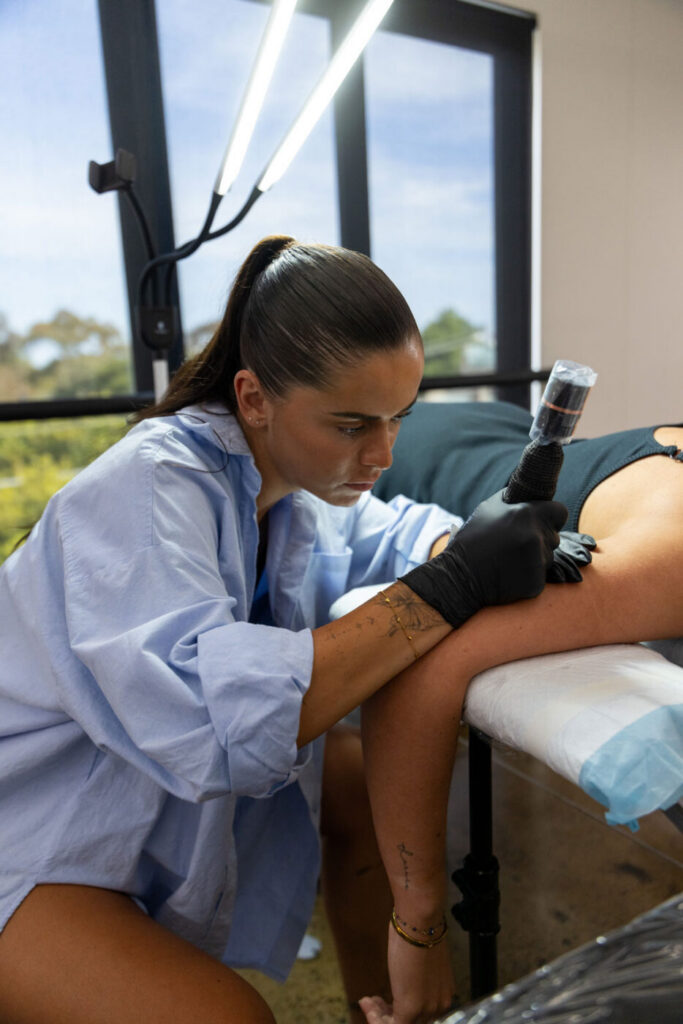
To maximize longevity, choose a skilled artist who understands fine line technique. A well-executed fine line tattoo can last many years with proper care.
Placement Suitability
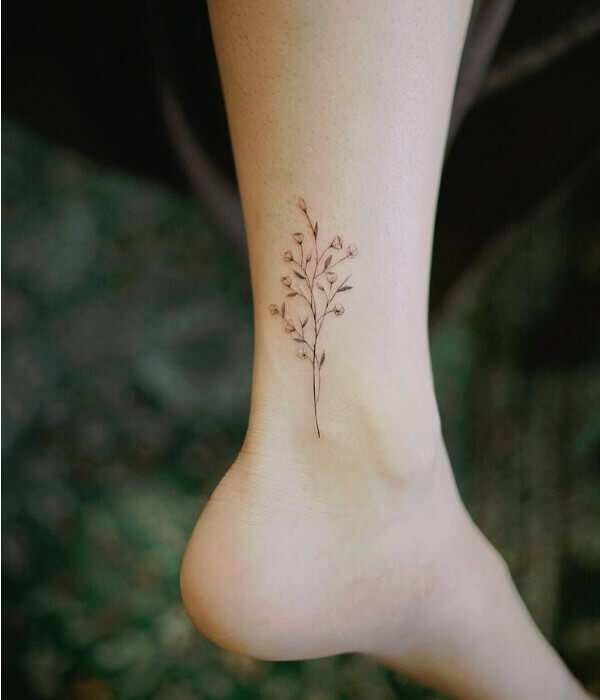
Not every body part is ideal for fine line work. Best placements include:
- Forearm: Flat surface, minimal movement, easy to protect from sun.
- Ribcage: Low movement, but more painful.
- Ankle: Good for small designs, but prone to friction from socks/shoes.
Avoid areas that stretch significantly (stomach, biceps) or have thin skin (inner wrist) unless you accept higher fading risk.
Reference Selection: How to Choose the Right Design
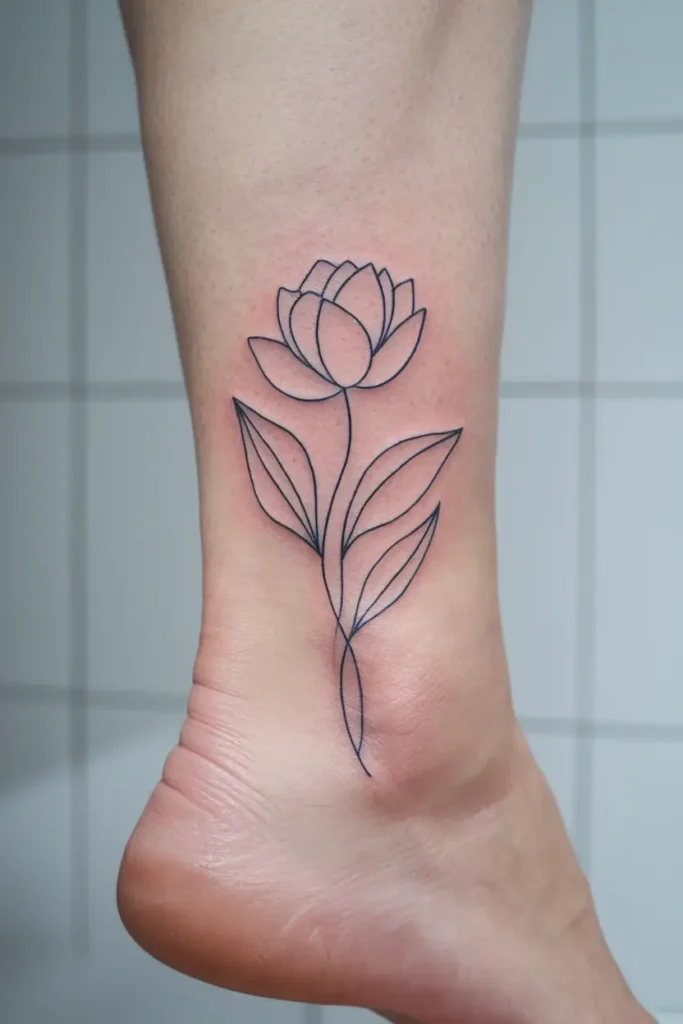
Bring clear, high-contrast reference images to your consultation. Look for:
- Bold outlines in the reference even if fine – they translate better to thin lines.
- Minimal shading – fine line relies on linework, not heavy shading.
- Timeless motifs (botanical, geometric, abstract) rather than trendy logos.
Discuss with your artist how the design will scale. A complex image may need simplification for fine line execution.
Mistakes to Avoid
- Choosing an inexperienced artist: Fine line requires precision. Check portfolios for healed fine line work.
- Overcomplicating the design: Too many fine details will blur. Simplify.
- Ignoring skin quality: Sun-damaged or scarred skin may not hold fine lines well.
- Skipping the consultation: A good artist will advise on size, placement, and longevity.
Practical Checklist Before Getting a Fine Line Tattoo
- [] Research artists with healed fine line photos.
- [] Schedule a consultation to discuss design and placement.
- [] Ask about aftercare specific to fine line (gentle washing, no soaking).
- [] Consider a patch test if you have sensitive skin.
- [] Plan your clothing to avoid friction on the fresh tattoo.
FAQ
Do fine line tattoos hurt less?
Pain depends on placement and individual tolerance, not line thickness. Fine line uses smaller needles but still penetrates the skin.
How long do fine line tattoos last?
With proper care, they can last many years. Touch-ups may be needed after 5–10 years depending on placement and sun exposure.
Can fine line tattoos be covered up later?
Yes, but the fine line design may limit cover-up options. A darker, bolder design can cover fine lines, but consult an artist for feasibility.
Are fine line tattoos more expensive?
Pricing varies by artist and complexity. Fine line may require more time due to precision, but cost is not inherently higher.
For more inspiration, browse our magazine and artist directory.
Read more
- Magazine for more tattoo knowledge, style guides and aftercare notes.
- Request a consultation if you need help with style, placement or preparation.
- Marketplace for equipment, supplies and learning resources.
Content hub
Styles and inspiration hub
Explore more style guides, symbol meanings, composition ideas and placement notes.
View related hubRelated reading
Continue reading
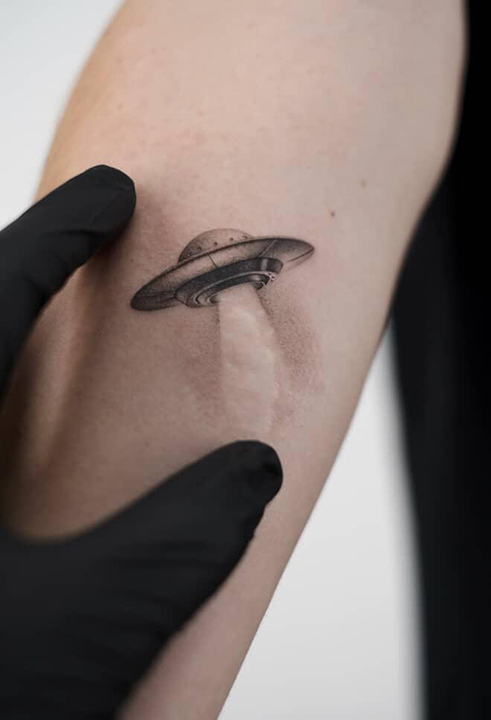
Micro Realism Tattoo: Reference Scale, Skin Texture & Healed Detail – The Expert Guide
Expert guide to micro realism tattoo: reference quality, scale limits, skin texture, contrast, healed detail, and portfolio checks.…

Abstract Tattoo vs Graphic Tattoo: Composition Contrast & Readable Shapes
Explore the key differences between Abstract Tattoo and Graphic Tattoo: composition contrast, readable shapes, silhouette, skin placement, and…
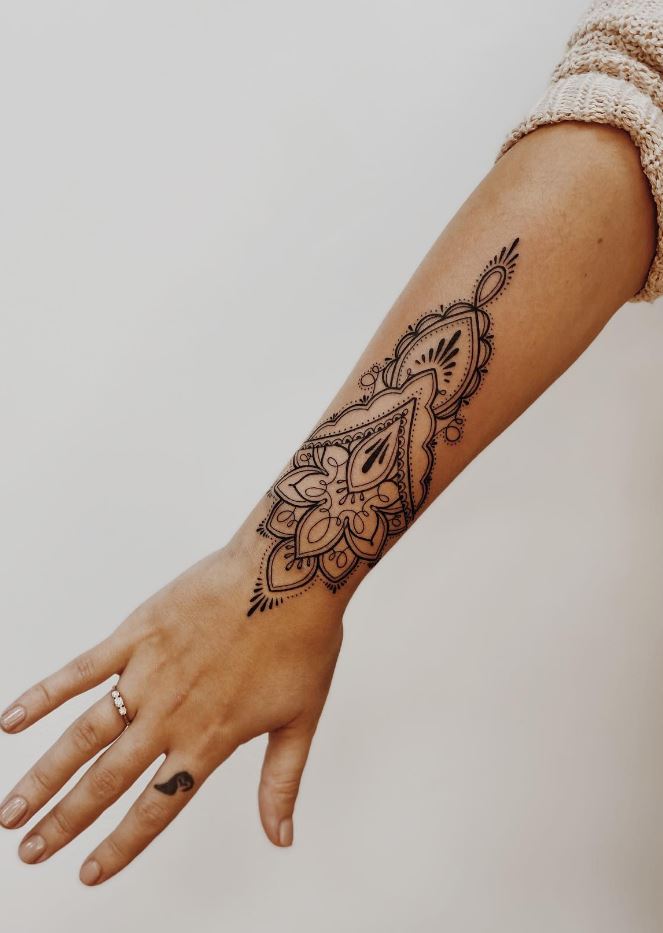
Ornamental vs Mandala Tattoos: Symmetry, Rhythm & Body Placement Guide
Expert guide to ornamental and mandala tattoos: symmetry, pattern rhythm, negative space, stencil alignment, body flow, sizing, and…