Ornamental vs Mandala Tattoos: Symmetry, Rhythm & Body Placement Guide
Understanding Ornamental and Mandala Tattoos
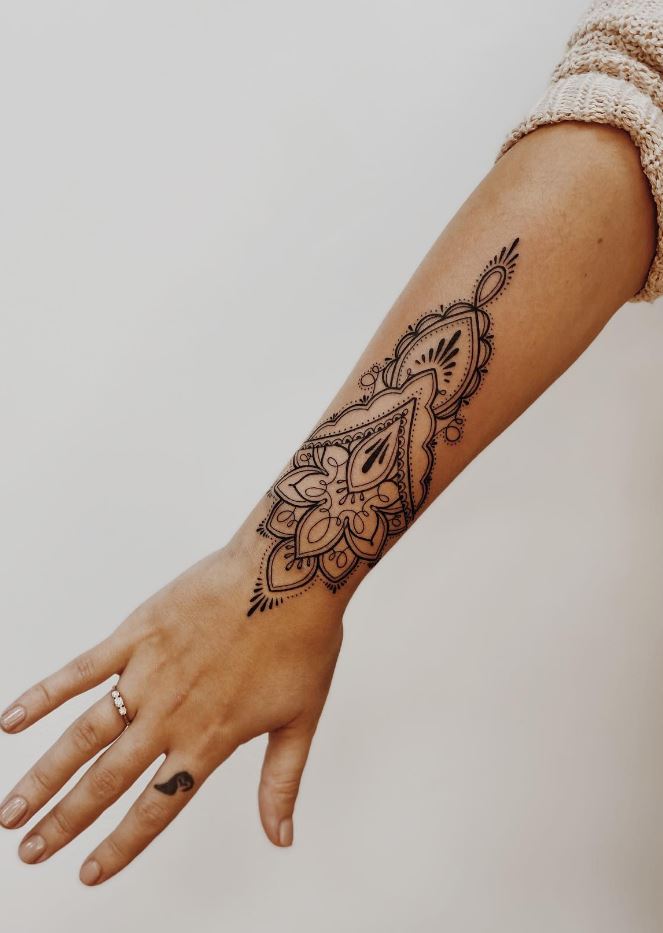
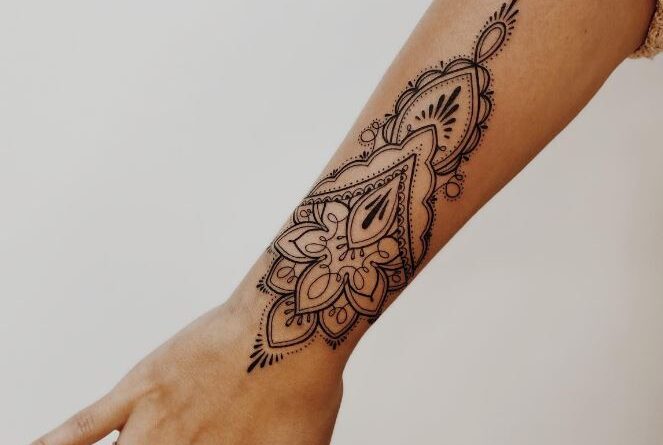
Ornamental and mandala tattoos are two distinct yet overlapping styles that celebrate symmetry, pattern, and flow. Ornamental tattoos draw from decorative motifs—filigree, scrollwork, geometric repeats—often used to frame or fill spaces. Mandala tattoos are rooted in spiritual symmetry, with concentric circles and repeating petals symbolizing the universe. Both rely on precise linework, negative space, and careful placement to maintain readability as the skin ages.
Key Differences at a Glance
- Ornamental: Focuses on decorative patterns, often asymmetrical in overall shape but internally symmetrical. Can include organic vines, dots, and abstract geometry.
- Mandala: Strictly radial symmetry around a central point. Usually circular or elliptical, with layered rings of detail.
- Overlap: Many tattoos combine both—e.g., a mandala as the centerpiece with ornamental borders.
Symmetry and Pattern Rhythm
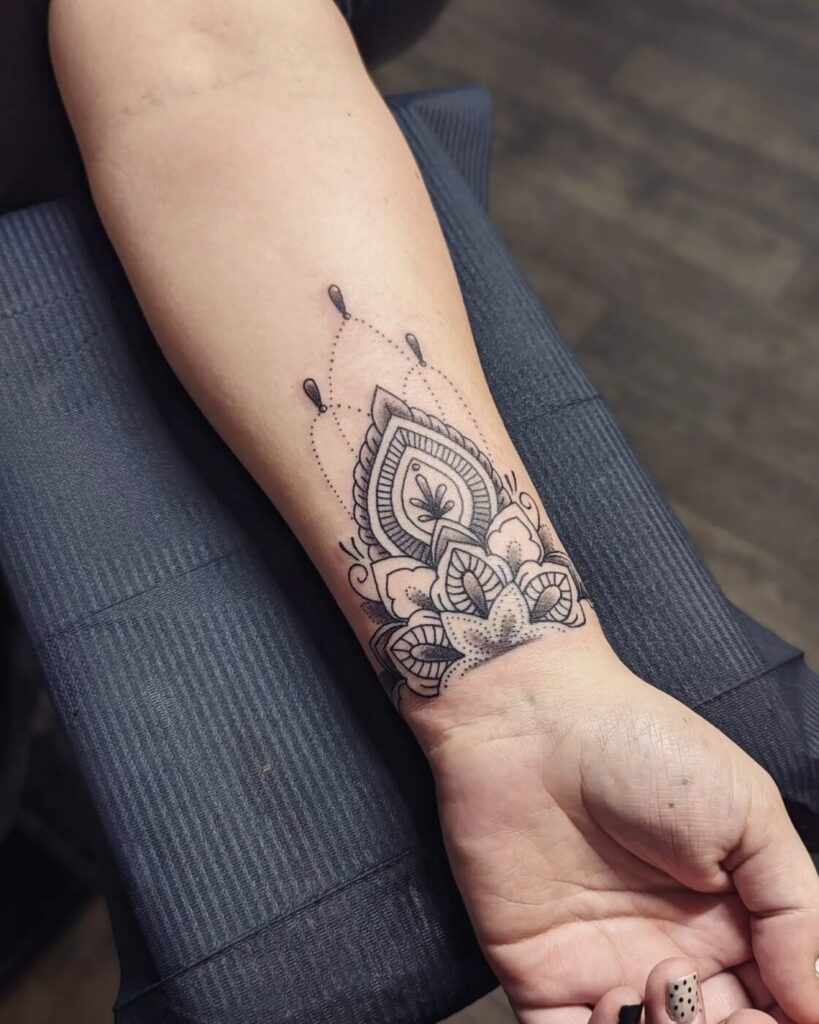
Symmetry is the backbone of both styles. In mandalas, radial symmetry means every quarter mirrors the others. In ornamental work, bilateral symmetry (mirror across a central axis) is common. Rhythm comes from repeating elements at consistent intervals—dots, lines, curves. A skilled artist drafts these patterns by hand or uses stencils to ensure perfect alignment. Check before tattooing: Ask to see the stencil placement from multiple angles. Stand in a mirror and rotate. The pattern should flow without awkward gaps or distortion.
Negative Space: The Hidden Design Element
Negative space (uninked skin) is as important as the lines. In ornamental tattoos, negative space creates breathing room, prevents muddiness, and defines shapes. For mandalas, the gaps between petals or circles allow the design to “breathe” and heal clearly. Caveat: Too little negative space can cause the tattoo to blur into a dark blob over time, especially in areas that stretch or fade. Aim for at least 30% negative space in dense areas.
Stencil Alignment and Body Flow
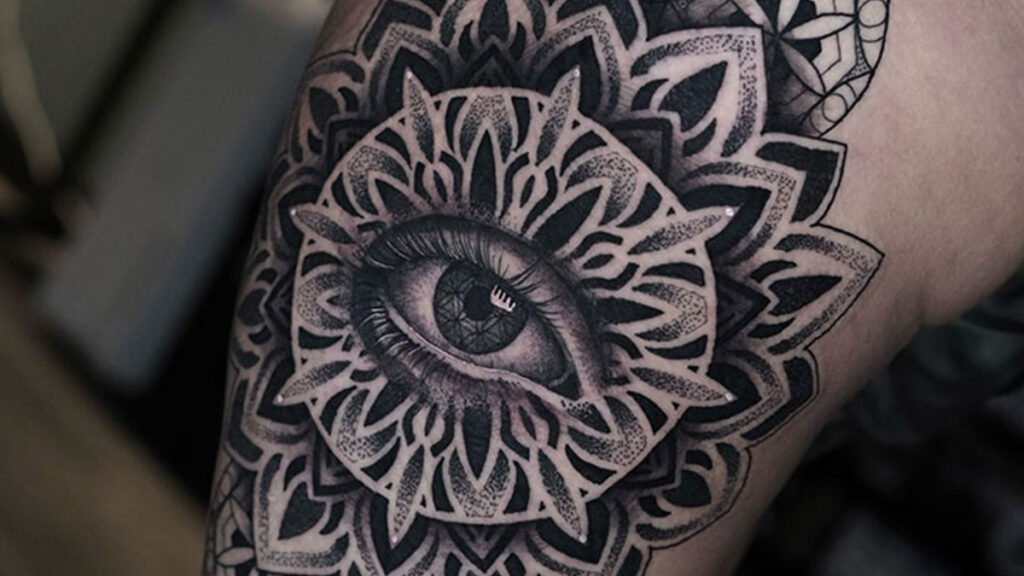
Stencil alignment is critical. The artist must place the stencil so that the design follows the body’s natural curves. For a shoulder mandala, the center should align with the acromion bone. For an ornamental forearm sleeve, the pattern should wrap without twisting. Step-by-step check:
- Artist cleans and shaves the area.
- Stencil is applied and pressed firmly.
- You check in a mirror: is the center straight? Does it follow the muscle? No wrinkles in the stencil?
- Ask for adjustments—even 2mm off can ruin symmetry.
Sizing and Longevity
Size matters for healed readability. Small mandalas (under 3 inches) lose detail within a few years as lines spread. Ornamental patterns with fine lines need at least 4 inches to stay crisp. Rule of thumb: If you can’t read the design from arm’s length, it’s too small. Also consider skin stretch: areas like ribs, stomach, and inner biceps change shape with weight fluctuations, distorting symmetry. Choose a location with minimal stretch or go larger.
Body Placement Recommendations
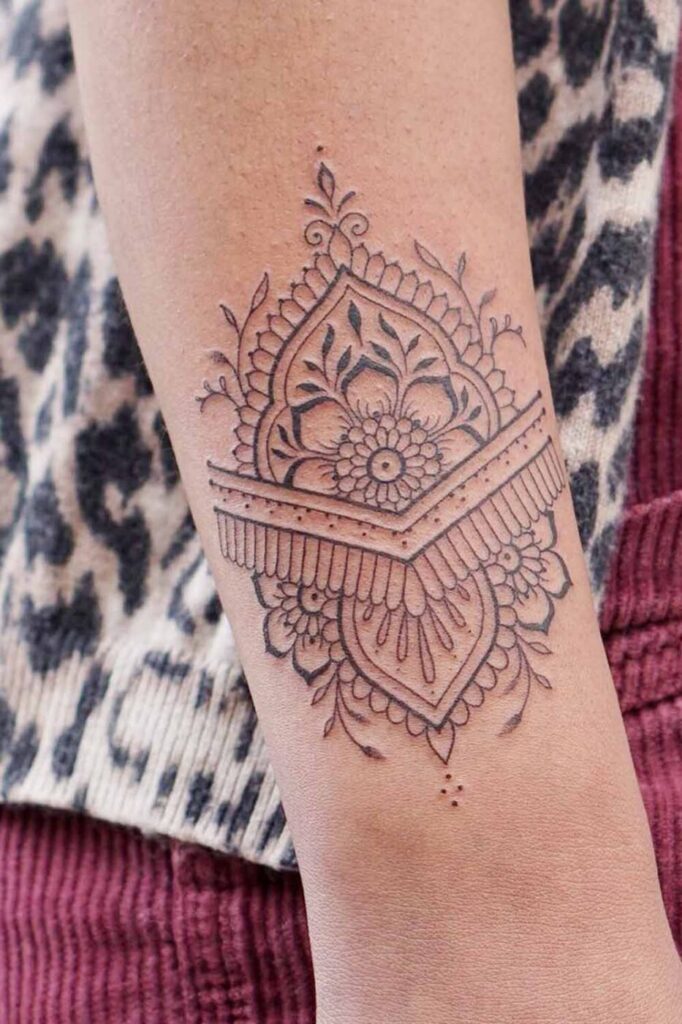
- Back of neck: Ideal for small mandalas. Symmetry aligns with spine.
- Shoulder/collar: Ornamental patterns that drape over the deltoid look dynamic.
- Forearm: Good for long ornamental bands or half-mandala designs.
- Ribs/flank: Mandalas can follow the curve, but expect more pain and fading.
- Thigh/calf: Large canvas for intricate mandalas or ornamental sleeves.
- Hands/fingers: Not recommended for fine detail—high wear and fading.
FAQ
1. Can I combine ornamental and mandala elements in one tattoo?
Yes, many artists blend them. For example, a mandala center with ornamental vines radiating outward. Ensure the line weights and spacing match to keep a cohesive look.
2. How long does a mandala tattoo take to heal?
Initial healing (peeling) takes 2-3 weeks. Full settling of ink and lines can take 2-3 months. Avoid sun exposure and heavy sweating during this time.
3. Do these styles hurt more than others?
Pain depends on placement, not style. However, the repetitive shading and dotwork may feel more intense over bony areas. Ornamental with heavy blackwork can be more painful than fine-line mandalas.
4. How do I find an artist specialized in these styles?
Look for portfolios with crisp, consistent lines, symmetrical designs, and healed photos. Check magazine features and verified studio profiles for recommendations.
For more inspiration, browse our rankings of top artists and read consultation guides to prepare for your session.
Keep exploring Vietnam Tattoo
- Browse Ranking for notable studios by city, style, and intent.
- Search studios by city, verification level, and contact channel.
- View verified profiles to check approved and verified entries.
- Request a consultation if you need help choosing style, placement, or a suitable studio.
Content hub
Tattoo styles pillar
This article belongs to the styles cluster. Open the pillar page to compare Irezumi, Old School, Realistic, Blackwork, Fine line, Geometric and Watercolor.
Related reading
Continue reading
Lettering Tattoo Healed Portfolio Review: Kerning, Baseline & Placement Distortion
A specialist healed-portfolio review guide for Lettering tattoos, focused on kerning, baseline control and placement distortion. Includes concrete…
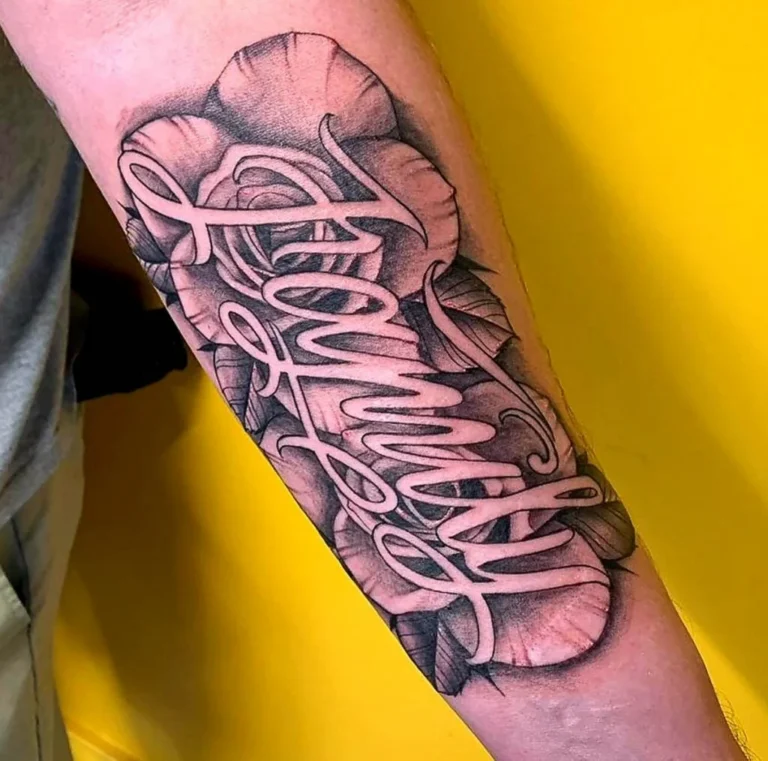
Lettering Tattoo Placement: A Specialist Guide to Kerning, Baseline Control, and Body-Flow Distortion
A specialist guide to lettering tattoos focusing on kerning, baseline control, and placement distortion. Learn how to plan…

Lettering Tattoo Design Consultation Checklist: Kerning, Baselines, and Placement Distortion
A specialist consultation checklist for lettering tattoos covering kerning, baseline control, and placement distortion. Includes practical tests, booking…