
AI Tattoo Price Estimator: Plan Your Tattoo Cost Before Booking
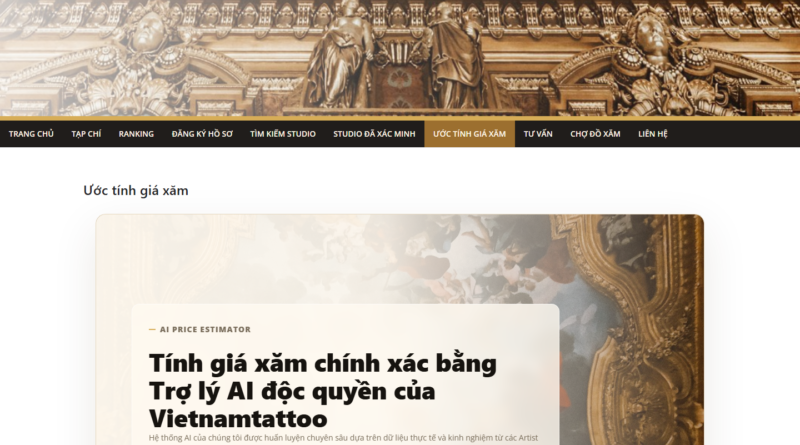
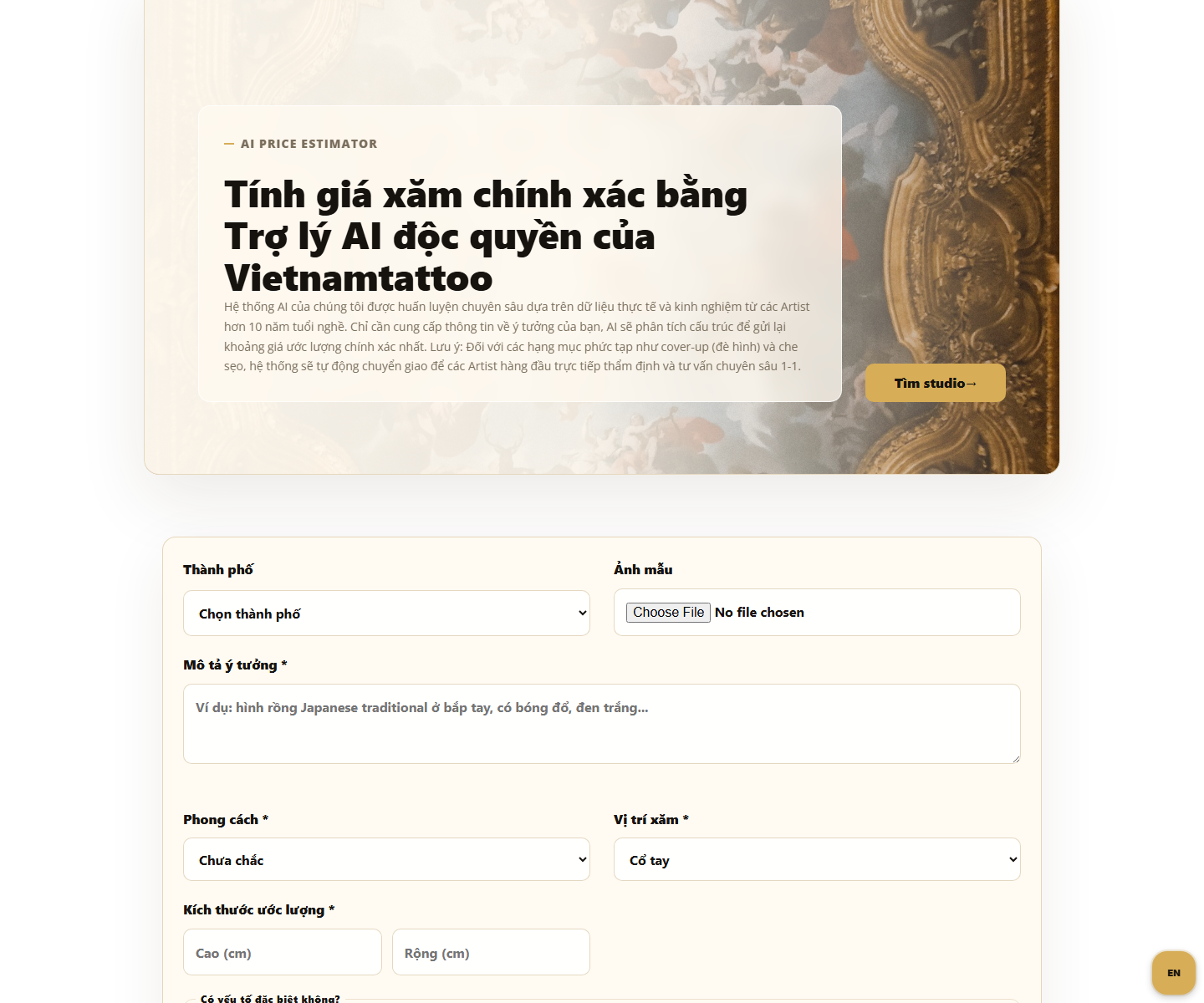
Vietnam Tattoo’s AI tattoo price estimator is built for the moment before booking: you have an idea, but you do not know what budget to prepare. A tattoo price cannot be reduced to one fixed number because size, placement, style, detail, color and artist review all change the work.
The tool does not replace a studio quote. It gives you a realistic estimated range so you can prepare better questions, compare options and avoid guessing before you speak with a tattoo studio.
What Is Vietnam Tattoo’s AI Tattoo Price Estimator?
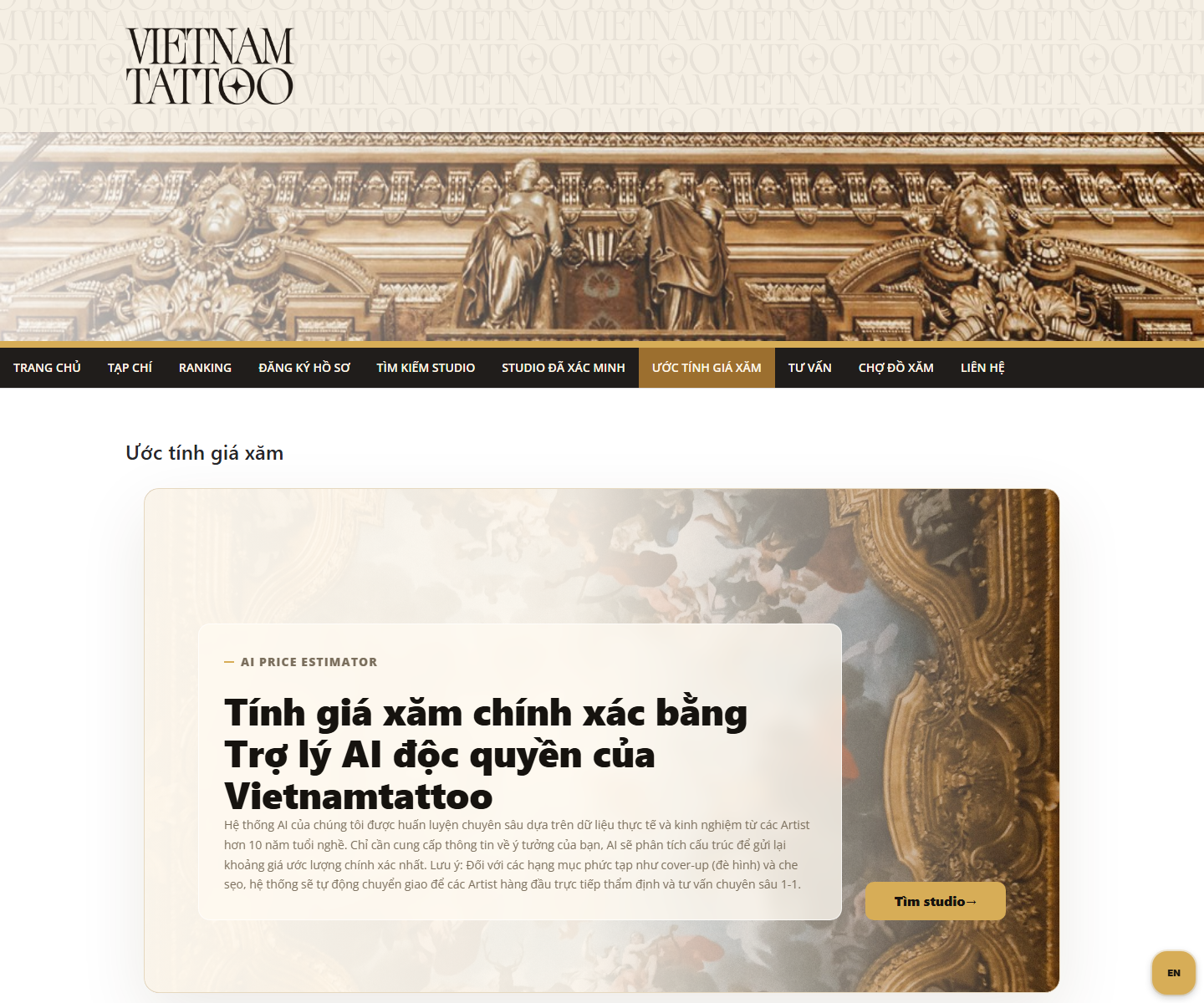
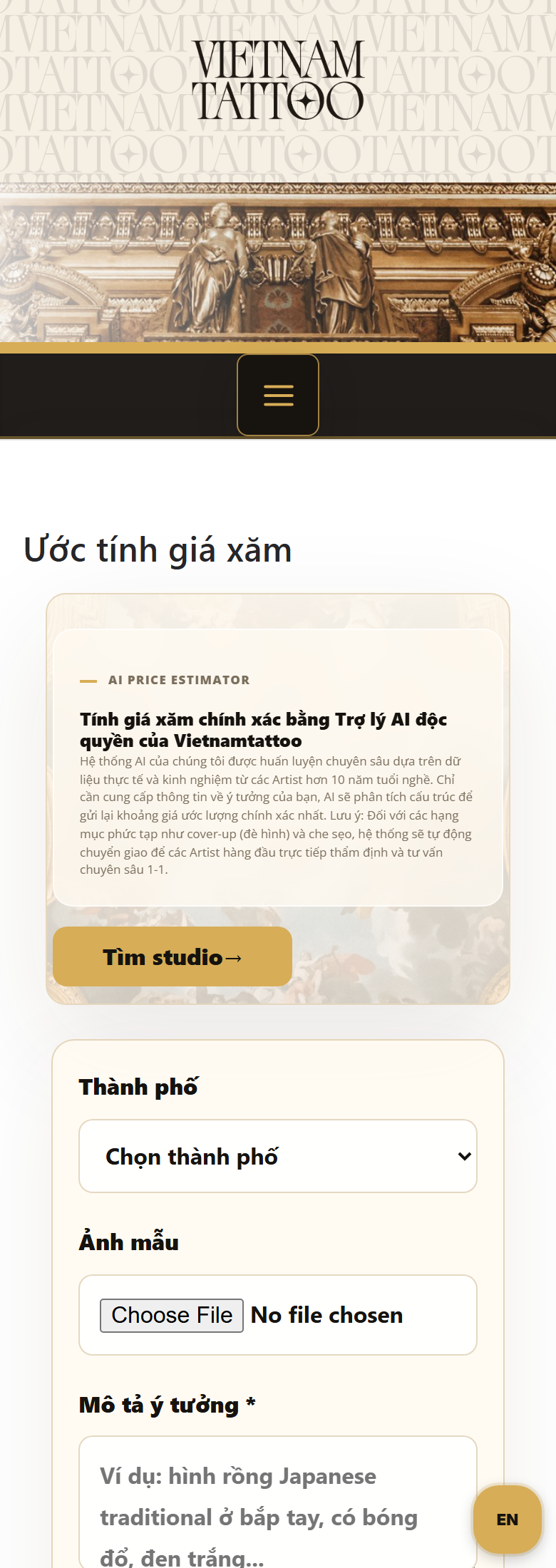
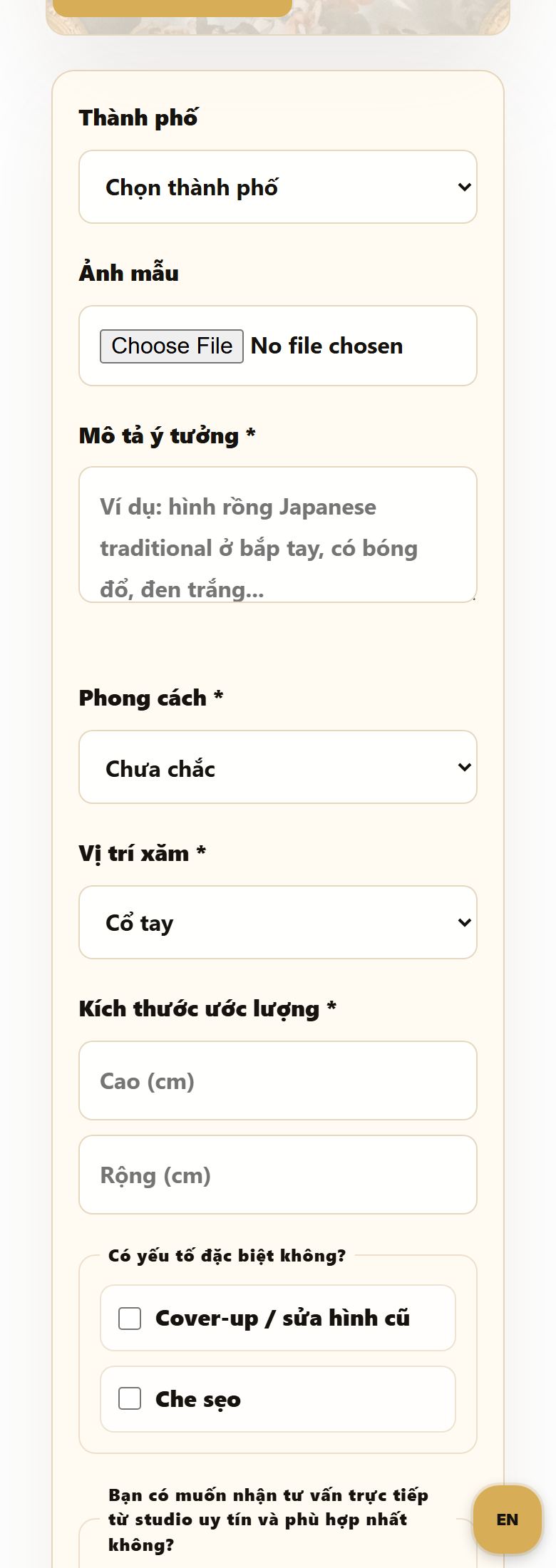
It is a guided AI form that turns your tattoo idea into structured pricing signals. You describe the design, choose placement, style and estimated dimensions, then leave contact details if you want direct consultation. The AI classifies the case and returns a reference price range.
This is especially useful when the idea is still early. Instead of asking a vague “how much is this tattoo?”, you give the system enough context to understand what kind of work you are actually considering.
Why a Simple Tattoo Price List Is Not Enough
A static price list cannot understand whether a 10cm tattoo is a simple Fine Line symbol, a dense Blackwork design or a Realistic portrait. The same dimensions can require very different technical skill, session time and material use.
The AI estimator improves the starting point by asking for the right inputs first: size, placement, style, complexity and special cases such as cover-up or scar coverage.
What Does the AI Analyze?
The main signals are size, placement, style, detail level, color, session complexity and whether the tattoo needs direct artist review. A difficult placement such as ribs, neck, hands or knees is not treated the same as a flatter area like upper arm or thigh.
Style also matters. Fine Line depends on clean line weight. Blackwork depends on saturation and negative space. Realism depends on shading, depth and reference accuracy. Color tattooing adds packing, blending and healed color stability.
Example: Same Size, Different Cost
| Idea | Difficulty | Why it changes cost |
|---|---|---|
| Small Fine Line lettering | Low to medium | Clean lines, limited detail, shorter session. |
| Geometric Blackwork | Medium to high | Solid black, symmetry and negative space must be precise. |
| Realistic portrait | High | Requires shading, proportion and layered detail. |
| Japanese Traditional with background | High | Needs strong flow, linework and background planning. |
When the AI Can Estimate Immediately
The tool works best for clear ideas: small tattoos, lettering, Fine Line, simple Blackwork, Geometric, Abstract, Graphic, Watercolor or medium-sized Realistic concepts. The more concrete the input, the more useful the estimate.
A prompt like “Japanese Traditional peony on upper arm, 18cm high, 12cm wide, black and grey shading” is much stronger than “flower tattoo price?”.
When Direct Artist Review Is Required
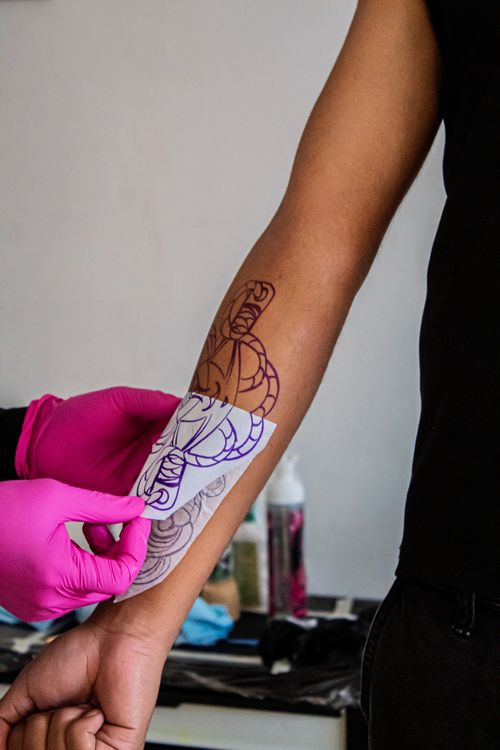
Cover-up, scar coverage, damaged skin and very large custom pieces should not be priced by AI alone. These cases need an artist to inspect the old ink, skin condition, scar texture and design options.
For that reason, the tool routes complex cases toward direct consultation instead of pretending to produce a final quote.
The AI Does Not Replace a Studio Quote
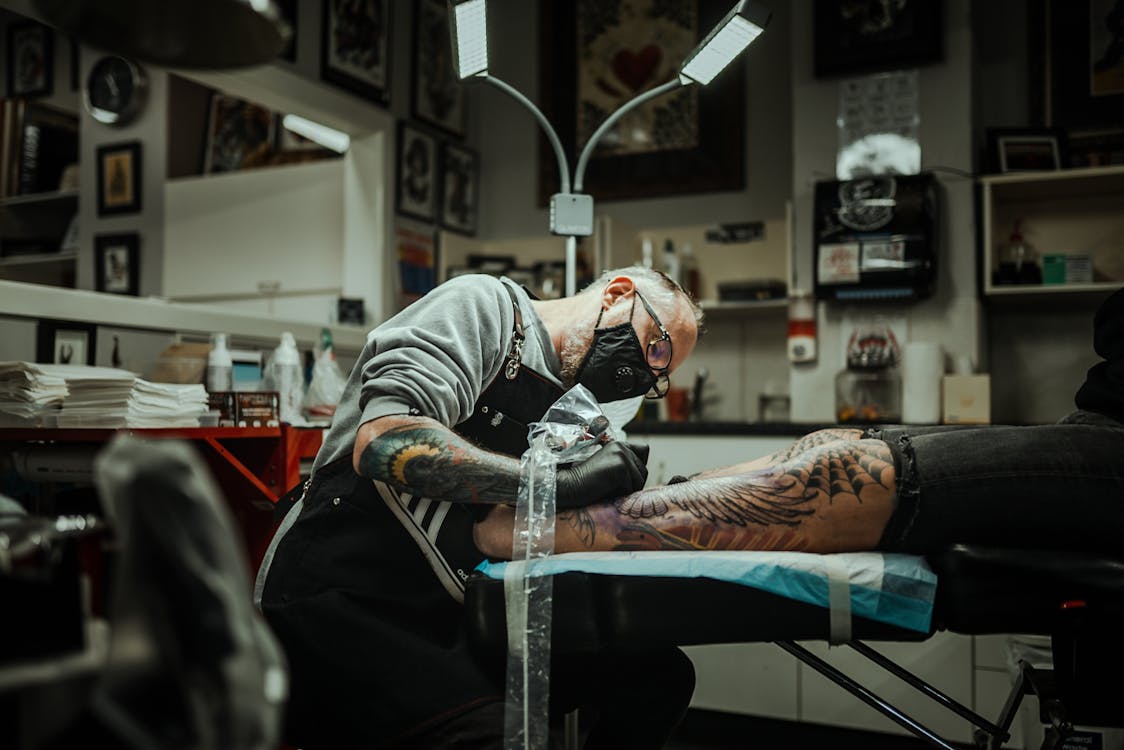
The final quote still belongs to the studio after reviewing the final design and body placement. The AI estimator is a planning layer: it helps you understand the likely range and prepare better before booking.
When you are ready to compare real options, browse Verified Studios on Vietnam Tattoo and review portfolio, hygiene standards and contact channels.
How to Use the AI Tattoo Price Tool
- Open the AI tattoo price estimator.
- Describe your tattoo idea clearly.
- Select placement, style and estimated height/width.
- Mark cover-up or scar coverage if relevant.
- Leave your preferred contact channel if you want studio consultation.
- Use the estimated range as a starting point for discussion.


How to Prepare Better Inputs for the AI
The quality of the estimate depends heavily on the quality of your input. A vague description such as “I want a dragon tattoo” gives the AI very little to work with. A stronger input includes the subject, style, approximate size, body placement, color preference and whether the design needs to cover an old tattoo or scar.
For example, “black and grey Japanese Traditional dragon, upper arm, 22cm high and 14cm wide, with background shading” gives the system enough information to classify the likely workload. This helps the estimate become more useful before you speak with a studio.
Why This Helps Studios Too
A clear estimate request also helps the studio. Instead of starting the conversation from zero, the artist or manager can already see the client’s idea, budget direction, style preference and expected placement. That means less back-and-forth and more time spent discussing design quality, safety and the right artist for the job.
This is one reason Vietnam Tattoo connects the estimator with verified studio discovery. The tool prepares the brief; the studio still handles the professional consultation, final design review and final quote.
Common Mistakes When Estimating Tattoo Cost
The most common mistake is comparing tattoos only by size. Size matters, but it is not the whole story. A 12cm Fine Line design may take much less work than a 12cm Realistic animal portrait. Another mistake is ignoring placement: hands, feet, ribs, neck and knees often require more care and may heal differently.
The third mistake is choosing only by the lowest estimate. A tattoo stays with you for years. A safer approach is to use the AI range as a planning tool, then review portfolio quality, healed work, hygiene process and communication before booking.
How to Use the Estimate After You Receive It
Once you receive the estimated range, treat it as a planning number rather than a final price. If the range is higher than expected, you can reduce the size, simplify the background, choose black and grey instead of full color, or split a larger project into sessions. If the range is comfortable, you can use it to ask a studio more specific questions about design direction, healing expectations and session planning.
This makes the conversation more efficient and more transparent. Instead of negotiating blindly, both client and studio can talk about the same variables: design complexity, placement, artist level, expected time and what should or should not be simplified.
FAQ
Is the AI estimate final?
No. It is a reference range. The final price depends on the final design, skin condition, placement and artist review.
Can I use it if I do not know the style?
Yes. Describe the idea in normal language. The AI can infer the closest style group.
Why does the tool ask for height and width?
Size strongly affects time, detail and cost. A larger tattoo usually needs more session time.
Can it price cover-up tattoos?
It can identify cover-up cases, but direct artist consultation is recommended before quoting.
Who should use it?
First-time clients, travelers, people comparing budgets and anyone who wants a clearer starting point before contacting a studio.
Start Planning Your Tattoo Budget
If you are asking how much your tattoo might cost, start with the Vietnam Tattoo AI price estimator. It gives you a clearer budget range before booking.
Content hub
Tattoo aftercare pillar
This article belongs to the aftercare cluster. Open the pillar page for the healing timeline, cleaning routine, moisturizing basics and warning signs.
Related reading
Continue reading

Tattoo Swelling by Body Placement: What’s Normal and When to Seek Help
Swelling after a tattoo is normal, but it varies by body placement. Learn what to expect, normal vs.…
Tattoo Touch-Up Guide: When Color Settles, When to Wait, and When to Ask
Learn when to wait, when to ask, and what to expect from a tattoo touch-up. A practical guide…

The Complete Tattoo Consultation Checklist: What You Must Know Before Booking a Custom Design
A complete guide to your first tattoo consultation: from idea brief and references to skin check, placement, pain,…