

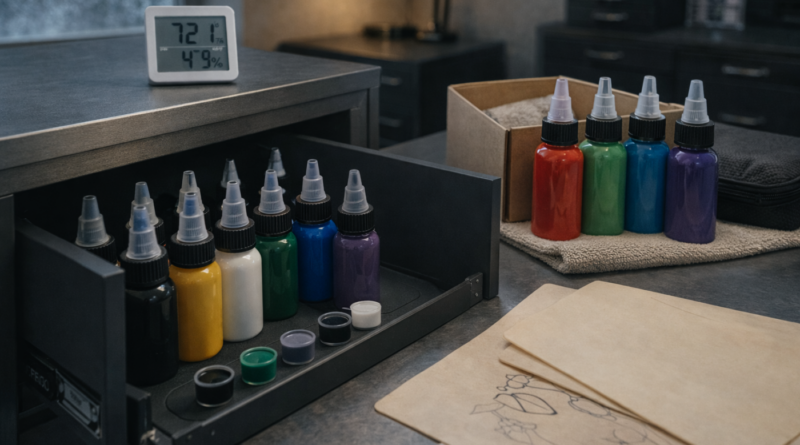
Tattoo Ink Types, Pigment Safety & Storage: A Pro Guide for Artists
Understanding Tattoo Ink Types
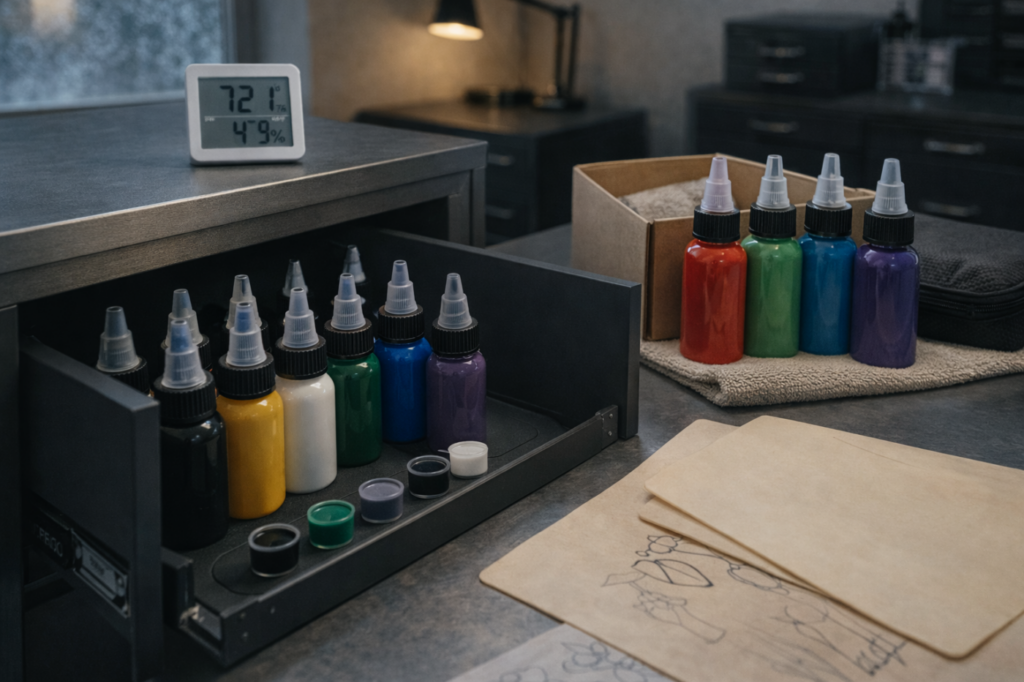
Professional tattoo inks fall into two broad categories: organic (carbon-based) and inorganic (metal-based). Organic pigments are derived from carbon compounds and are generally considered safer due to lower heavy metal content. Inorganic pigments, such as iron oxides and titanium dioxide, are used for specific colors like white or earth tones. However, some inorganic pigments may contain trace metals that can cause allergic reactions in sensitive individuals. Always check the pigment label for composition details.
Pigment Labels & Batch Tracking
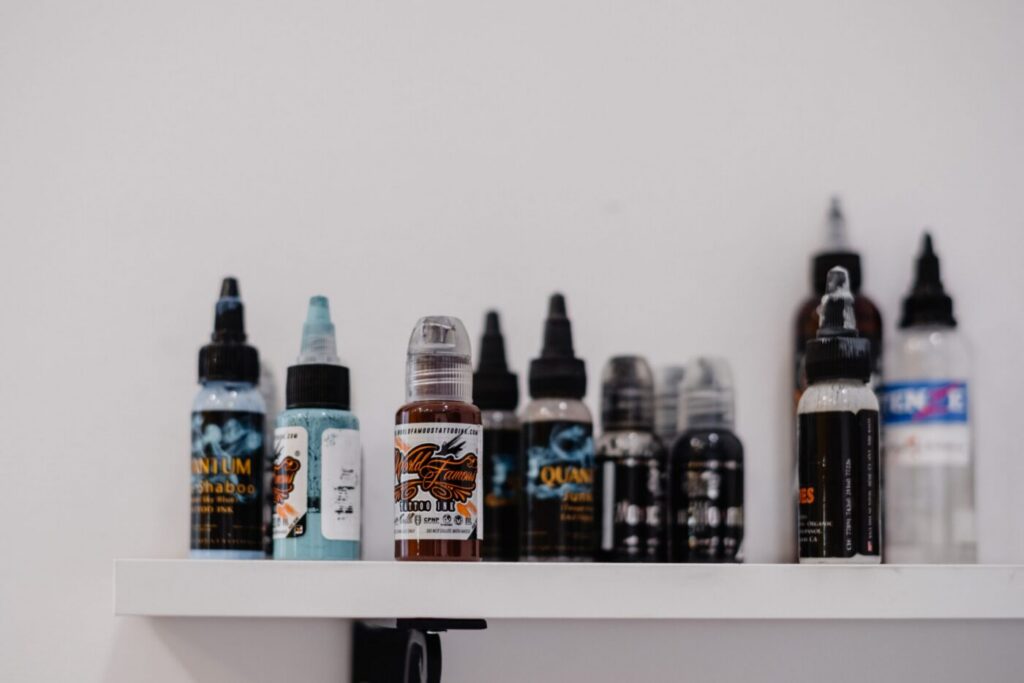
Reputable manufacturers provide batch numbers on every bottle. Batch tracking is essential for quality control and recall management. As a professional, record the batch number, manufacturer, color, and date of purchase for each ink you use. This documentation helps in case of adverse reactions or product recalls. Read more in our magazine on ink sourcing.
Storage Best Practices
Store inks in a cool, dark place between 15-25°C (59-77°F). Avoid direct sunlight and extreme temperatures. Keep bottles tightly closed to prevent evaporation and contamination. Never mix inks from different bottles or dilute them with tap water. Use sterile mixing cups and disposable stirrers. Regularly inspect inks for changes in consistency, odor, or color—discard if any anomalies appear.
Contamination Prevention
Use single-use ink caps and discard after each client. Never pour ink back into the original bottle after it has been in a cap. Use sterile needles and tubes to avoid cross-contamination. If an ink bottle is used for multiple clients, use a clean syringe to extract ink each time. Consult our expert guidelines for more details.
Expiry & Allergy Limits
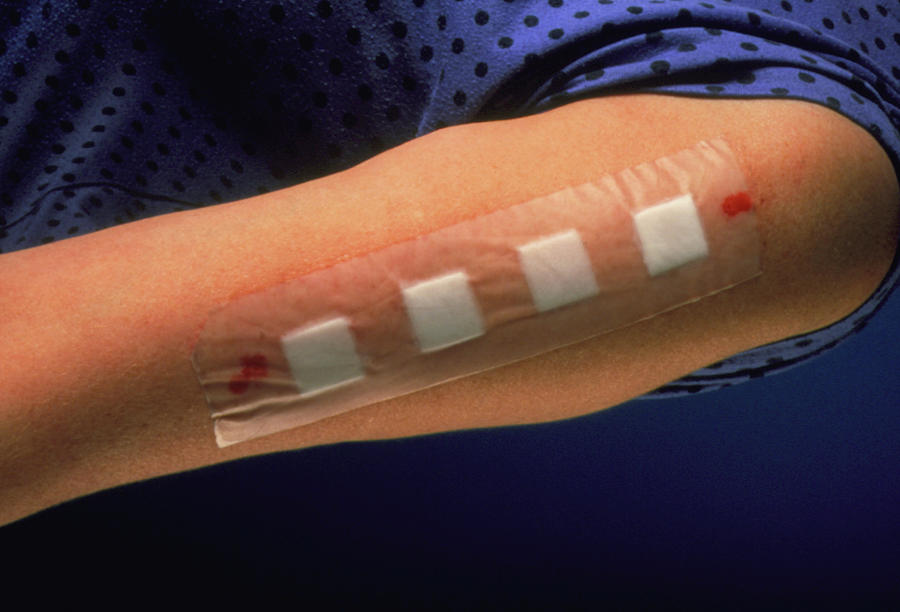
Most inks have a shelf life of 2-5 years unopened, but once opened, use within 6-12 months. Check the manufacturer’s expiry date. For allergy-prone clients, perform a patch test 48 hours before tattooing. Document the test area, ink used, and reaction. Be aware of common allergens like nickel, cobalt, and certain red pigments. Find hypoallergenic inks in our marketplace.
Documentation & Record Keeping
Maintain a log for each client: ink brand, batch number, color, and any adverse reactions. This is both a professional best practice and a legal safeguard. Use digital tools or paper forms. Verify your studio’s profile to enhance credibility.
Practical Checklist for Artists

- Check pigment labels for composition and batch numbers.
- Store inks in a cool, dark place; monitor temperature.
- Use single-use ink caps; never return ink to bottle.
- Record batch numbers and client reactions.
- Perform patch tests for allergy-prone clients.
- Discard inks past expiry or with altered appearance.
FAQ
What is the difference between organic and inorganic tattoo ink?
Organic inks are carbon-based and generally have lower heavy metal content, while inorganic inks contain minerals or metals. Both can be safe when sourced from reputable manufacturers, but organic inks are often preferred for their brighter colors and lower allergy risk.
How should I store tattoo ink to maintain its quality?
Store at 15-25°C in a dark, dry place. Avoid temperature fluctuations. Keep bottles sealed and use within 6-12 months after opening.
Can I mix different brands of ink?
Mixing brands is not recommended as different formulations may react unpredictably, causing contamination or color changes. Use inks from the same brand and series for consistency.
What should I do if a client has an allergic reaction?
Stop the procedure immediately. Document the ink details and reaction. Advise the client to consult a dermatologist. Report the incident to the ink manufacturer and consider updating your patch test protocol.
Keep exploring Vietnam Tattoo
- Browse Ranking for notable studios and artists by city, style, and intent.
- Search artists and studios by profile type, city, verification level, and contact channel.
- View verified profiles to check approved and verified entries.
- Request a consultation if you need help choosing style, placement, or a suitable studio.
Content hub
Pro corner hub
Read more about needles, inks, machines, cartridges and safer professional practice.
View related hubRelated reading
Continue reading
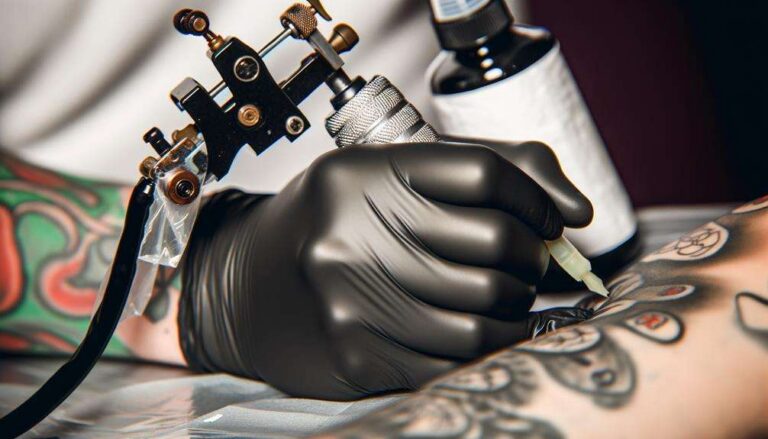
Tattoo Ink Safety: Pigment Labels, Batch Tracking, and Sterile Handling – A Professional Studio Guide
Learn how to ensure tattoo ink safety in your studio: pigment labels, batch tracking, sterile storage, contamination prevention,…
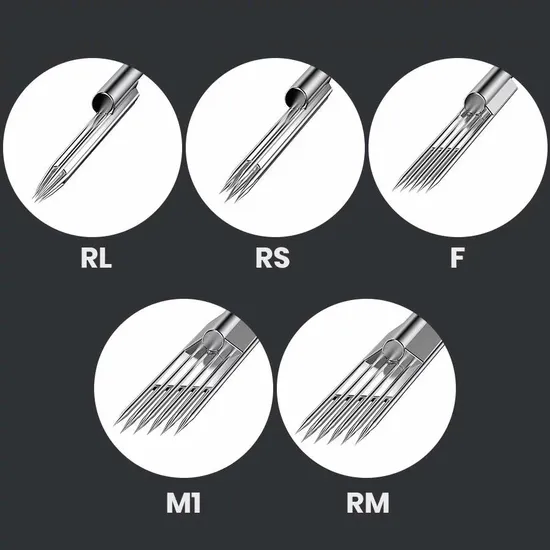
Tattoo Cartridge Needle Guide: Round Liner, Magnum, Curved Magnum, and Taper Angle – Pro Education
Ultimate guide to tattoo cartridge needles: round liner, magnum, curved magnum, taper angle. Learn use cases, skin trauma,…
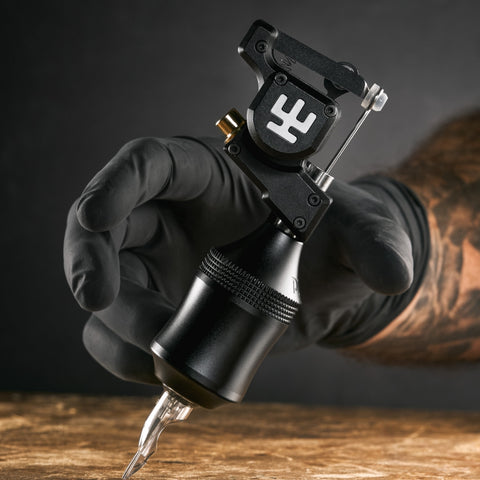
Coil vs Rotary vs Pen Tattoo Machines: The Ultimate Pro Guide for Artists & Apprentices
Compare coil, rotary, and pen tattoo machines: stroke, voltage, maintenance, ergonomics, and workflow. Expert guide for artists and…